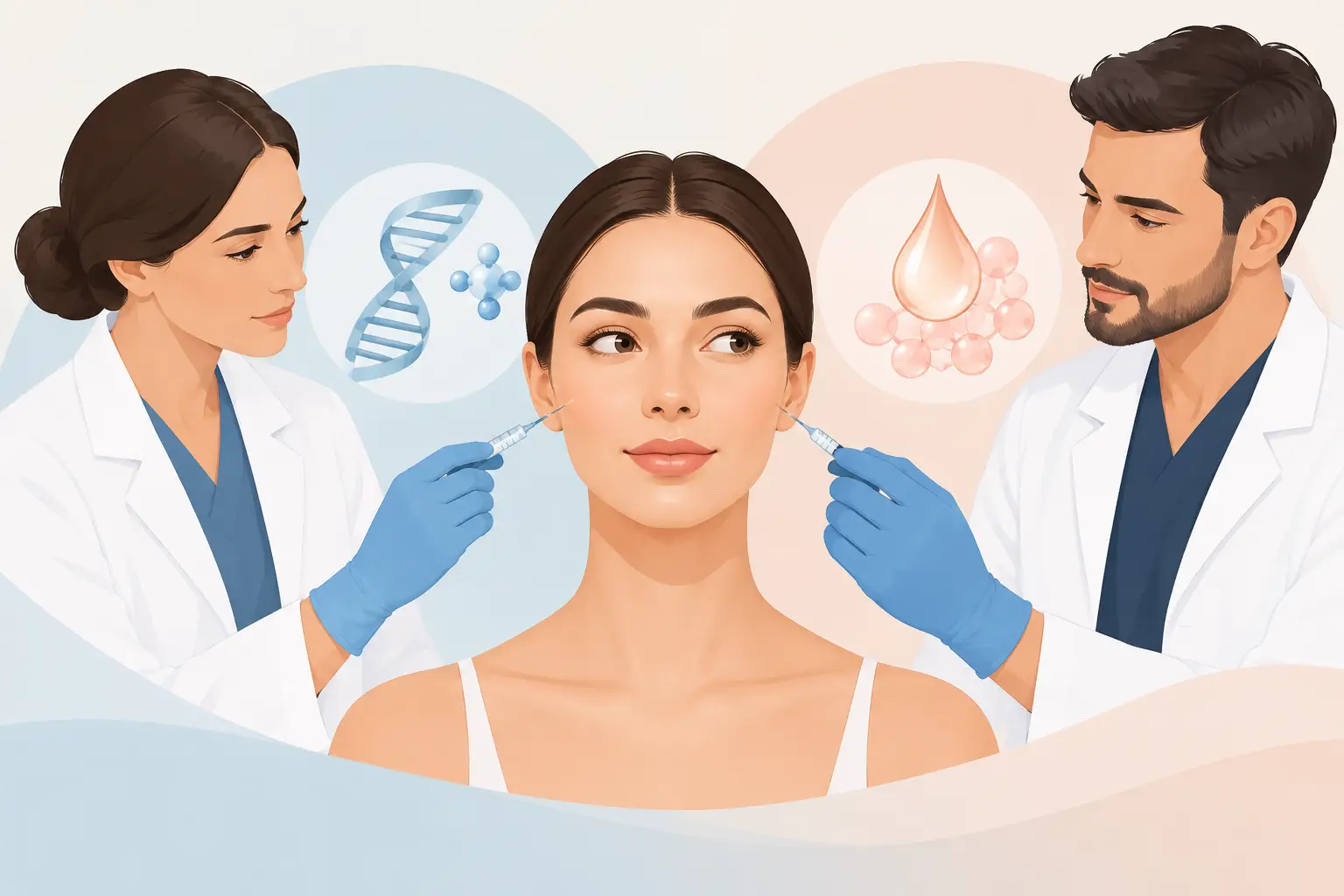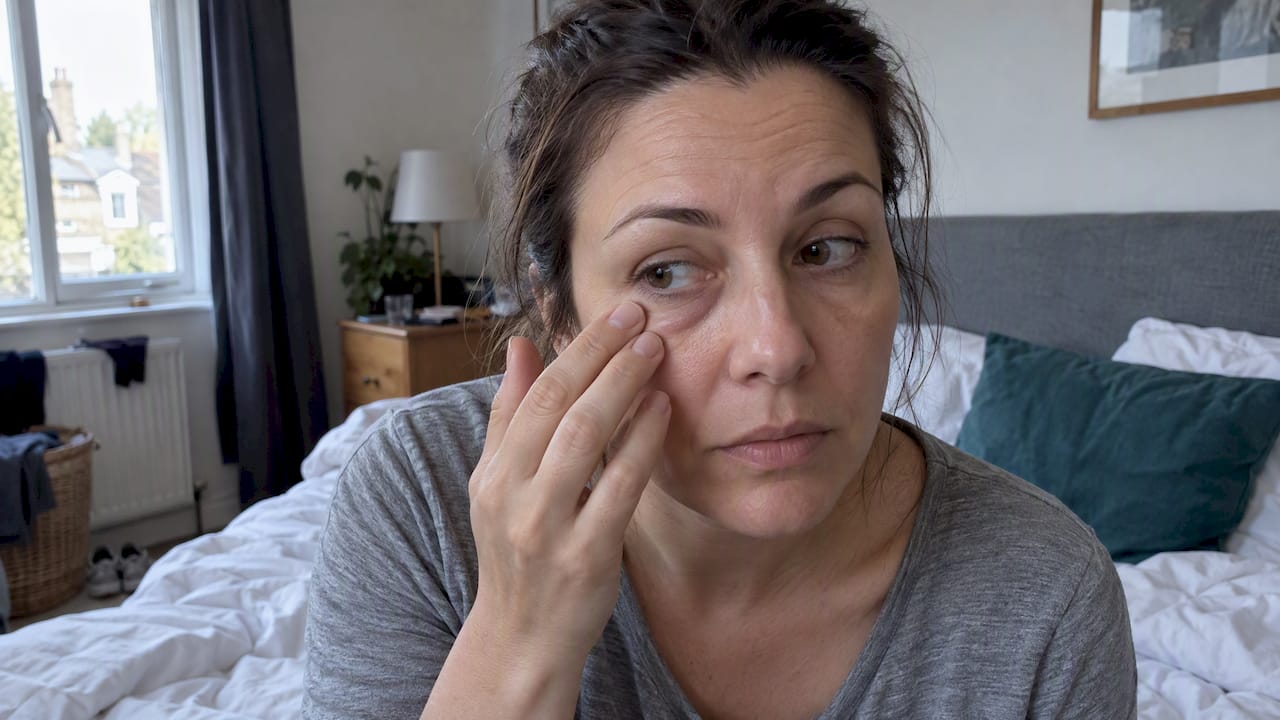


London’s appetite for non-surgical cosmetic treatments has never been stronger, yet the risks are equally real. Nearly half of UK women experienced complications from non-surgical aesthetics in 2025, a sobering figure that underscores why choosing the right clinic matters enormously. Whether you’re considering Botox, dermal fillers, or advanced skin rejuvenation, the difference between a transformative result and a damaging one often comes down to a handful of critical decisions made before you ever sit in the treatment chair. This guide walks you through the evidence-backed steps that protect you and empower you to make confident, informed choices.
Table of Contents
- Choose only CQC-registered or regulated clinics
- Insist on a thorough consultation with medical history review
- Understand the risks: Complications from non-medics vs regulated professionals
- Prioritise personalised treatment planning and post-care
- Our perspective: Why true safety means empowerment, not just regulation
- Experience safe, personalised medical aesthetics in London
- Frequently asked questions
Key Takeaways
| Point | Details |
|---|---|
| Regulated clinics matter | Choosing a CQC-registered provider in London reduces complications by up to 80%. |
| Consultation is non-negotiable | Thorough consultation and medical history screening ensure true personalised safety. |
| Avoid non-medics | Most serious problems arise from treatments by non-medics—always check qualifications. |
| Insist on personalised care | Custom treatment plans and diligent aftercare are hallmarks of safe, luxury clinics. |
| Empower your safety | Being informed, assertive, and communicative is your best defence in aesthetic procedures. |
Choose only CQC-registered or regulated clinics
Let’s start by looking at the foundation of safety: always selecting a regulated provider. In the UK, the Care Quality Commission (CQC) is the independent regulator of health and social care. When a clinic holds CQC registration, it means practitioners are accountable to strict clinical governance standards, infection control protocols, and patient safety frameworks. These are not optional extras; they are legally enforced requirements.
The numbers speak clearly. CQC-registered clinics lower complication risks by up to 80% compared with unregulated providers. That is not a marginal improvement; it is a transformation in your safety profile. Meanwhile, 67% of complications reported by BCAM members were caused by non-medics, confirming that provider type is the single biggest predictor of adverse outcomes.
Verifying a clinic’s registration is straightforward. You can search the CQC’s public register at cqc.org.uk using the clinic’s legal name and postcode. Look for active registration status and check the date of the most recent inspection. Understanding London safety standards in this context helps you set the right expectations from the outset.
Here is what regulated care typically includes:
- Qualified medical practitioners (doctors, nurses, dentists) administering injectables
- Documented clinical governance and complaint procedures
- Sterile environments meeting NHS-equivalent infection control standards
- Prescription-only medicines handled under a valid prescribing framework
- Full indemnity insurance covering adverse events
The landscape is also shifting. New UK licensing rules coming into effect in 2026 will require anyone administering botulinum toxin or dermal fillers to hold a licence, closing the loophole that allowed beauticians to perform these procedures. Choosing a clinic already committed to ensuring regulated care today means you are already ahead of this curve. You can also compare medical vs regular spas to understand why the clinical environment makes such a meaningful difference.
| Provider type | Complication rate | Satisfaction rate |
|---|---|---|
| CQC-registered clinic | Low (up to 80% reduced) | Over 95% |
| Unregulated beauty salon | High (67% of reported cases) | Significantly lower |
Pro Tip: When you visit a clinic for the first time, ask to see their CQC certificate and the prescriber’s GMC or NMC registration number. Any reputable clinic will produce these without hesitation.
Insist on a thorough consultation with medical history review
Having ensured your clinic meets strict standards, the next critical step is the quality of your consultation. A thorough consultation is not a formality; it is a clinical safeguard. It should feel like a genuine medical appointment, not a sales conversation.
Best practice consultations include a full risk and alternatives discussion, detailed medical history review, informed consent documentation, and screening for Body Dysmorphic Disorder (BDD). BDD is a condition where a person becomes preoccupied with perceived flaws in their appearance. Ethical clinicians screen for it because proceeding with treatment in such cases can cause psychological harm rather than genuine benefit.
Here is what your consultation should always cover:
- A complete medical history, including medications, allergies, and previous procedures
- Discussion of your goals and whether the proposed treatment is realistic
- Explanation of all risks, side effects, and alternatives
- Psychological screening, including questions about your motivations
- Informed consent forms reviewed carefully, not rushed
- A cooling-off period of at least 24 to 48 hours before treatment begins
The cooling-off period is particularly important. It gives you time to reflect, research further, and ask any remaining questions without the social pressure of being in the room. Reviewing our aesthetic consultation checklist can help you prepare the right questions in advance.
A consultation that takes less than 20 minutes and skips your medical history is a red flag, not a time-saver. Your safety depends on the clinician understanding your full health picture before recommending any treatment.
Understanding the consultation role in aesthetics also means recognising that a good clinician will sometimes advise against a treatment. That is not a failure; it is the highest form of professional integrity.
Pro Tip: Never trust clinics that shorten or skip consultation steps to get you booked in faster. A rushed consultation is one of the clearest indicators of a clinic that prioritises revenue over your wellbeing.
Understand the risks: Complications from non-medics vs regulated professionals
But why does all this scrutiny matter so much? The data on complications leaves little room for doubt. The UK aesthetics industry has grown rapidly, and not all of that growth has been responsible.
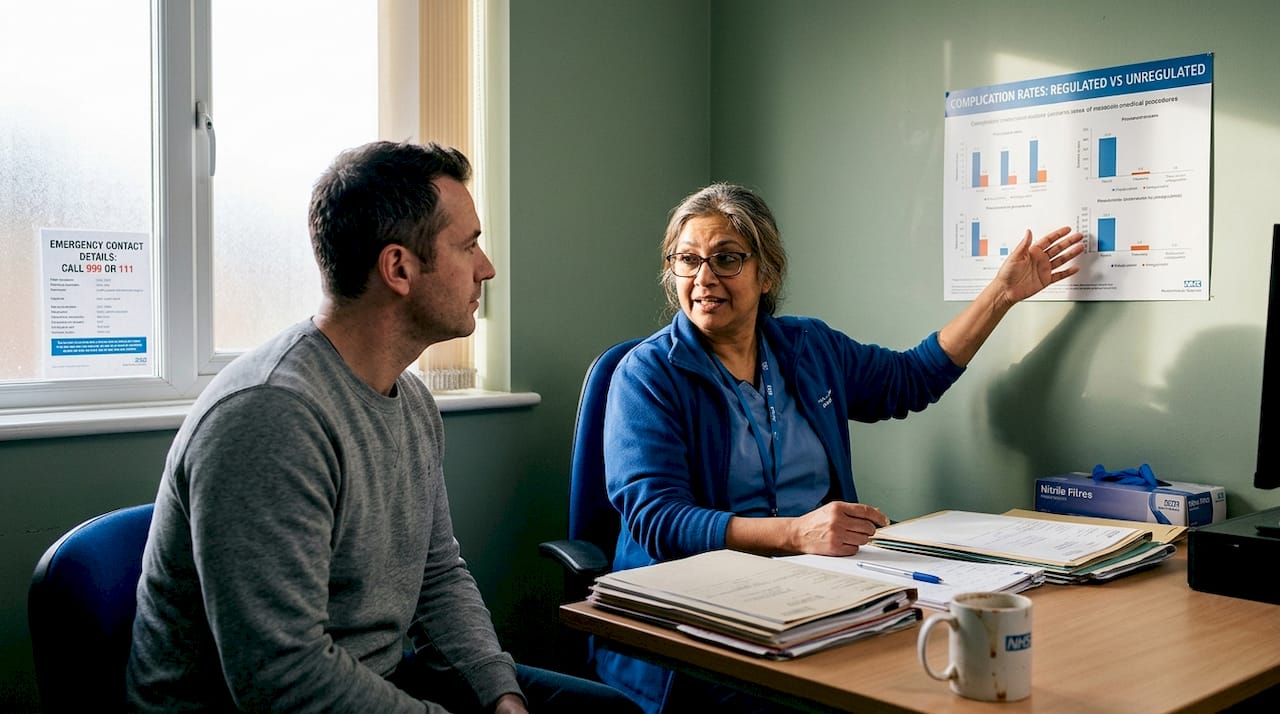
Recent industry risk statistics reveal a stark picture. Most complications (67%) are caused by non-medics, and regulated clinics reduce infection and adverse event risk by 80%. These are not theoretical risks; they include vascular occlusion (a blocked blood vessel that can cause tissue death), infections requiring hospitalisation, and permanent scarring.
The most common complications seen from unregulated providers include:
- Vascular occlusion from incorrectly placed filler
- Infection from non-sterile technique or equipment
- Asymmetry and over-treatment requiring corrective procedures
- Allergic reactions from products not suited to the individual
- Psychological distress from unsatisfactory outcomes
Key statistic: Satisfaction rates in regulated clinics exceed 95%, compared with significantly lower rates in unregulated settings where clients often require corrective treatment.
| Risk factor | Regulated clinic | Unregulated provider |
|---|---|---|
| Vascular occlusion management | Immediate medical response available | Often unequipped to manage |
| Infection control | NHS-equivalent protocols | Variable or absent |
| Product quality | Prescription-grade, verified | Often unverified or counterfeit |
| Complication rate | Up to 80% lower | Majority of reported cases |
Understanding the difference between clinical vs cosmetic outcomes helps frame why medical oversight changes everything. It is also worth reviewing the dos and don’ts for safety before any appointment to ensure you arrive prepared.
Pro Tip: Ask your clinician directly: “What is your protocol if I experience a complication?” A confident, detailed answer signals genuine preparedness. Hesitation or vagueness is a warning sign.
Prioritise personalised treatment planning and post-care
Equipped with knowledge about risks, let’s explore the steps that keep your results safe and satisfying long after treatment. Personalisation is not a luxury feature; it is a clinical necessity.
A bespoke treatment plan begins with a thorough facial assessment, including skin type, anatomy, and your specific aesthetic goals. No two faces are identical, and a plan designed for someone else’s concerns will rarely deliver the right result for yours. Personalised care, including monitoring and communication post-treatment, is vital for safe recovery and high satisfaction.
Key elements of a personalised plan include:
- A written treatment summary outlining products used, volumes, and injection points
- Clear, written aftercare instructions tailored to the specific procedure
- A scheduled follow-up appointment, typically two to four weeks post-treatment
- Direct contact details for your clinician in case of unexpected reactions
- Honest discussion of realistic timelines for visible results
Aftercare is not optional. Ignoring post-treatment guidance, such as avoiding certain activities, skincare products, or sun exposure, can compromise your results and increase complication risk. Exploring clinical facial safety gives you a clear sense of what responsible post-procedure support looks like in practice.
| Aftercare element | Why it matters |
|---|---|
| Written instructions | Reduces risk of accidental interference with treatment |
| Follow-up appointment | Allows early identification of any concerns |
| Direct clinician contact | Enables rapid response to unexpected reactions |
| Honest result timelines | Manages expectations and reduces anxiety |
A one-size-fits-all approach is a red flag. If your clinician cannot explain why a specific product or technique was chosen for your anatomy, that is worth questioning. Our post-procedure care guide outlines exactly what diligent aftercare looks like at every stage.
Pro Tip: Request written aftercare instructions and a confirmed check-in schedule before you leave the clinic. If neither is offered, ask for them explicitly.
Our perspective: Why true safety means empowerment, not just regulation
Stepping back from the practical tips, here is what we have learned from years guiding clients at the intersection of luxury and clinical safety. Regulation is essential, but it is not the whole story.
We have seen clients attend impeccably registered clinics and still leave with outcomes they did not want, simply because they did not feel confident enough to voice their concerns or ask the right questions. True safety in aesthetics requires you to be an active participant, not a passive recipient. The finest clinic in London cannot protect you if you do not speak up about your medical history, your anxieties, or your doubts.
Luxury and safety are not competing values; they reinforce each other. A genuinely premium experience means your clinician listens as much as they advise. It means transparency about what a treatment can and cannot achieve. It means you leave not just with a better appearance, but with full confidence in the process that got you there. That is what enhancing confidence safely truly looks like. Proactive engagement, asking questions, requesting evidence, and trusting your instincts, yields the best and safest results every time.
Experience safe, personalised medical aesthetics in London
Ready to discover a safer, more luxurious approach to your next treatment? At The Aesthetics Room, every client receives a fully personalised experience grounded in clinical excellence and delivered by CQC-regulated practitioners.
From Botox London to dermal fillers London, every treatment begins with a thorough consultation and ends with a clear aftercare plan. Our Knightsbridge clinic combines the highest safety standards with a genuinely luxurious environment, so you never have to choose between quality and confidence. Explore the full range of treatments and book your consultation at The Aesthetics Room today, and take the first step towards results you can trust.
Frequently asked questions
How can I check if a London medical aesthetics clinic is CQC-registered?
You can search the CQC public register online using the clinic’s legal name and postcode to confirm active registration and view recent inspection reports.
What is a cooling-off period after a cosmetic consultation?
A cooling-off period is a 24 to 48 hour pause after your consultation, giving you time to reflect on all options before committing to any treatment, and it is standard in ethical clinics.
Are complications more common with non-medics than regulated professionals?
Yes; 67% of 2025 complications were attributed to non-medics, while regulated clinics reduce infection and adverse event risks by up to 80%.
Should I expect personalised aftercare from luxury London clinics?
Absolutely; written aftercare instructions and a scheduled follow-up are hallmarks of reputable clinics, and ongoing monitoring post-treatment is critical for safe recovery and lasting satisfaction.
Recommended
- Aesthetics Dos and Don’ts 2026: 95% Safer Results – The Aesthetics Room
- Ensure safety in cosmetic procedures London 2026 – The Aesthetics Room
- Safe Cosmetic Procedures London 2026: 95% Satisfaction – The Aesthetics Room
- Chemical peel safety tips for glowing skin London 2026 – The Aesthetics Room
- Säkra estetiska behandlingar: 500+ anmälningar förebyggs