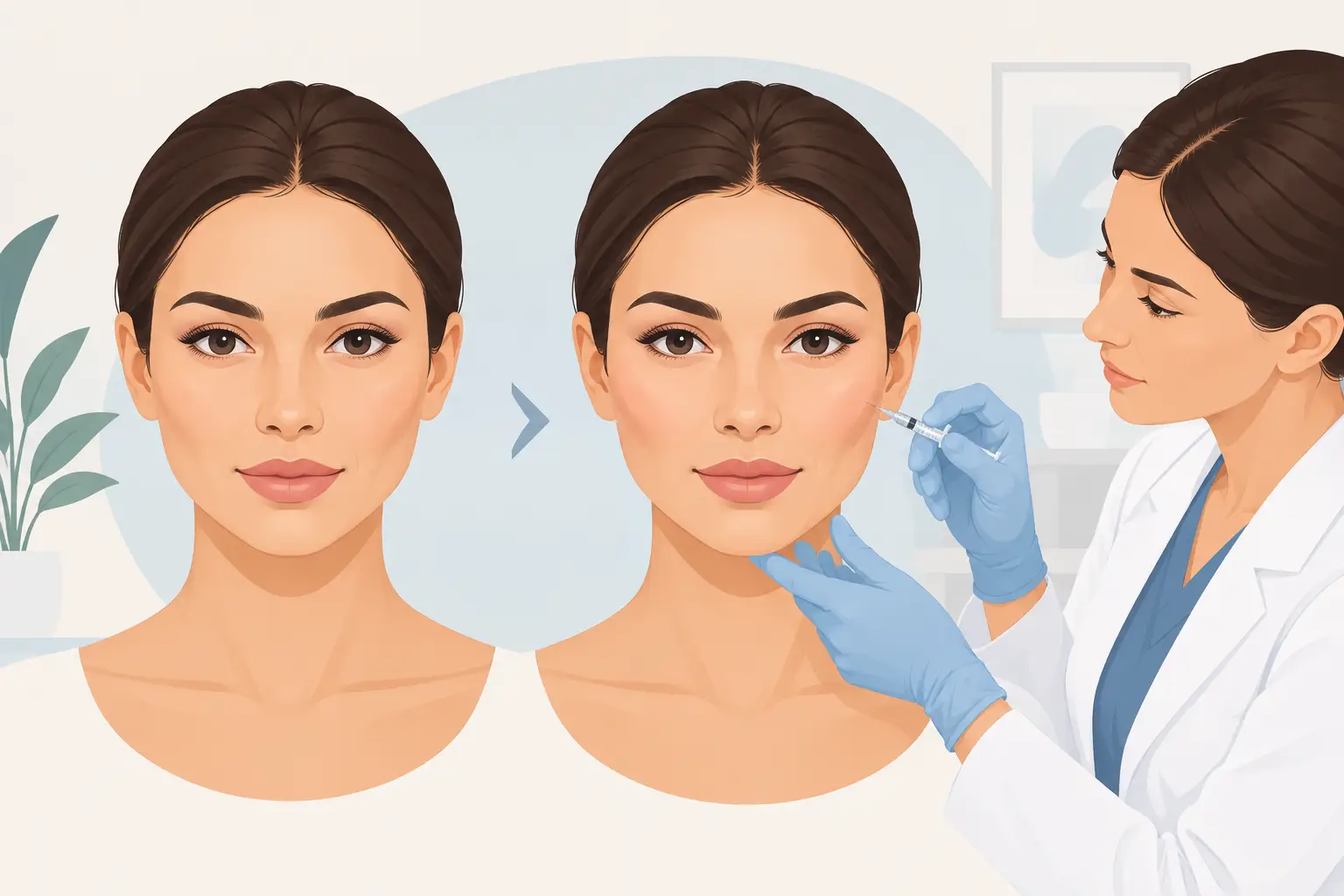


Choosing a chemical peel in London can feel overwhelming when you’re prioritising safety alongside radiant results. With options ranging from gentle superficial treatments to intensive deep peels, understanding how to evaluate safety criteria ensures you achieve glowing skin without unnecessary risks. This guide equips you with essential safety tips, from selecting accredited specialists to monitoring side effects, so you can confidently enjoy premium chemical peel treatments tailored to your unique skin needs in London’s thriving aesthetic landscape.
Table of Contents
- How To Evaluate Chemical Peel Safety Criteria
- Common Side Effects And How To Monitor Them
- Comparing Popular Chemical Peels: Benefits And Safety Profiles
- Ensuring Safe Procedures And Expert Aftercare In London Clinics
- Trusted Chemical Peel Treatments At The Aesthetics Room In London
- Frequently Asked Questions
Key takeaways
| Point | Details |
|---|---|
| Safety starts with assessment | Proper skin evaluation and peel depth selection minimise complications and optimise results. |
| Accreditation matters | Choosing qualified practitioners with verified credentials ensures professional, safe procedures. |
| Monitor side effects closely | Recognising normal reactions versus warning signs prevents serious complications. |
| Aftercare is essential | Following expert aftercare protocols reduces irritation and enhances healing outcomes. |
| Personalised treatments win | Tailored peel selection based on individual skin type delivers superior safety and efficacy. |
How to evaluate chemical peel safety criteria
Before booking any chemical peel treatment, understanding safety criteria protects your skin and ensures optimal outcomes. Start by assessing your skin type and specific concerns. Darker skin tones, for example, face higher risks of post-inflammatory hyperpigmentation, whilst sensitive skin requires gentler formulations. A thorough consultation with an experienced practitioner identifies contraindications and tailors the treatment to your unique profile.
Peel depth significantly impacts safety and recovery. Superficial peels are generally safe with transient redness, making them ideal for first-time users or those seeking minimal downtime. Medium peels penetrate deeper, addressing moderate pigmentation and fine lines but requiring longer recovery. Deep peels deliver dramatic results yet carry higher complication risks, demanding expert application and rigorous aftercare. Understanding these distinctions helps you make informed decisions aligned with your tolerance and goals.
Choosing an accredited specialist is non-negotiable. Verify your practitioner holds relevant medical qualifications and belongs to recognised professional bodies. Inspect clinic hygiene standards during your consultation. Sterile equipment, clean treatment rooms, and transparent safety protocols signal a commitment to patient wellbeing. Ask direct questions about expected side effects, recovery timelines, and emergency procedures. A trustworthy clinic provides clear, honest answers without pressuring you into treatments.
Pro Tip: Request before-and-after photos of previous clients with similar skin types to yours. This visual evidence demonstrates the practitioner’s expertise and helps set realistic expectations for your own results.
Key safety criteria to evaluate:
- Comprehensive skin assessment including medical history review
- Clear explanation of peel ingredients and expected outcomes
- Transparent discussion of risks specific to your skin type
- Written aftercare instructions and emergency contact details
- Follow-up appointments to monitor healing progress
Exploring chemical peel best practices and understanding types of chemical peels further empowers you to select treatments that prioritise safety without compromising results.
Common side effects and how to monitor them
Knowing what to expect after your chemical peel reduces anxiety and helps you spot potential problems early. Mild peels typically cause temporary redness, tightness, and flaking that resolve within one to seven days. Your skin may feel sensitive to touch and appear slightly swollen immediately post-treatment. These reactions indicate normal healing and shouldn’t cause alarm when they follow expected patterns.
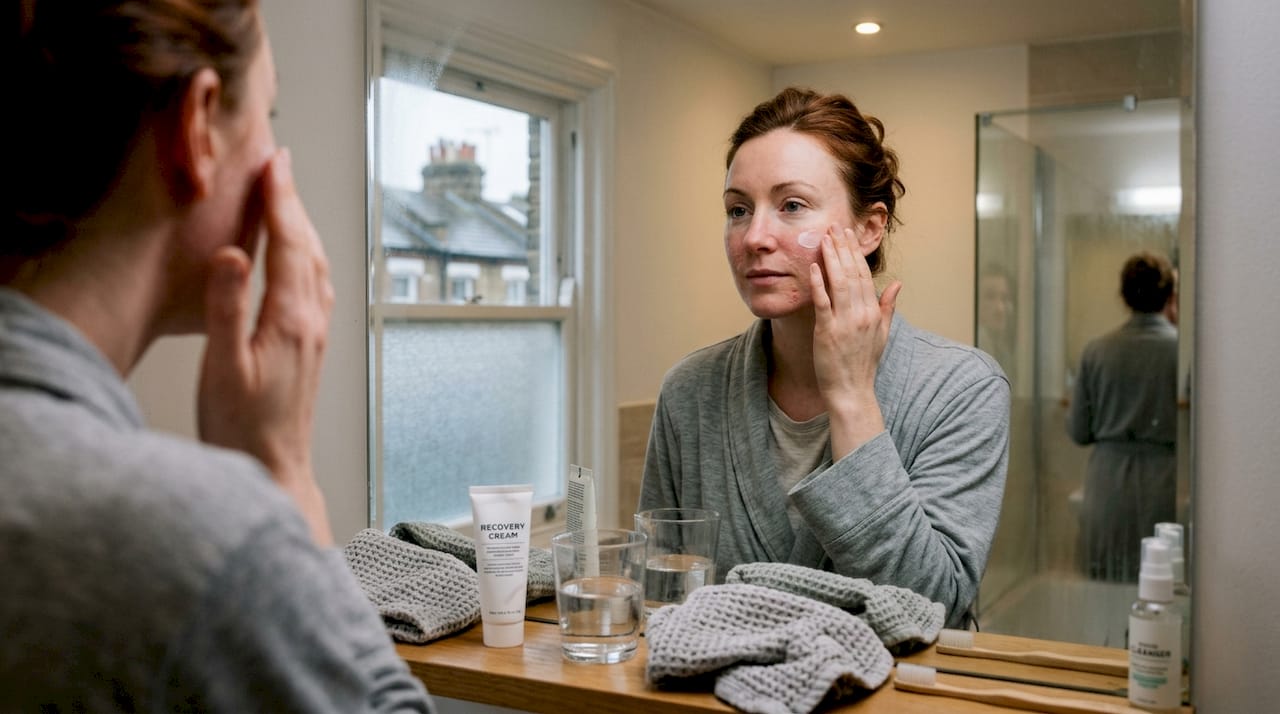
However, certain warning signs demand immediate attention. Severe pain that worsens rather than improves, pus or oozing from treated areas, and fever all suggest infection requiring medical intervention. Prolonged redness or post-inflammatory hyperpigmentation lasting beyond expected recovery times also warrant specialist review. Early detection and treatment prevent minor issues escalating into lasting skin damage.
Monitoring your skin’s response involves daily observation and documentation. Take photos in consistent lighting to track changes objectively. Note any unusual sensations, colour changes, or texture variations in a journal. This record proves invaluable during follow-up consultations, enabling your practitioner to assess healing accurately and adjust aftercare if needed.
“Following aftercare protocols rigorously supports healing and minimises complications. Skipping recommended steps, even when skin appears healed, can trigger delayed reactions or suboptimal results.”
Rigorous aftercare adherence cannot be overstated. Apply prescribed ointments exactly as directed, avoid sun exposure completely during initial healing, and resist the temptation to pick at peeling skin. Premature removal of flaking layers increases scarring risk and prolongs recovery. Hydrate consistently, both internally through water intake and externally with approved moisturisers, to support your skin’s natural repair processes.
Warning signs requiring immediate medical attention:
- Severe, escalating pain unrelieved by prescribed medication
- Yellow or green discharge indicating infection
- Fever above 38°C accompanying skin symptoms
- Spreading redness extending beyond treated areas
- Blistering or burns deeper than anticipated
For comprehensive guidance on managing your recovery, review detailed chemical peel aftercare tips tailored to London’s climate and lifestyle factors.
Comparing popular chemical peels: benefits and safety profiles
Different chemical peels deliver varying results with distinct safety considerations. Understanding these differences helps you select treatments matching your goals whilst minimising risks. Superficial peels using glycolic or lactic acid suit most skin types, offering gentle exfoliation with minimal downtime. They improve texture, brighten tone, and require little recovery, making them perfect for maintaining results between deeper treatments.
Medium peels penetrate further, addressing moderate sun damage, pigmentation, and fine lines. They typically use trichloroacetic acid (TCA) at controlled concentrations. Recovery extends to one or two weeks, with more pronounced peeling and redness. Whilst effective, medium peels demand careful practitioner selection and strict aftercare compliance to prevent complications.
Black peels and phenol peels represent more intensive options with impressive clinical outcomes. Black peel reduced acne lesions by 72.4% in twelve weeks with excellent safety profiles when properly administered. Phenol peels demonstrated over 50% improvement in dark circles with only 4% complication rates, showcasing their efficacy for specific concerns. However, these powerful treatments require experienced practitioners and extended recovery periods.
| Peel type | Primary benefits | Recovery time | Risk level |
|---|---|---|---|
| Superficial (glycolic/lactic) | Brightening, texture refinement | 1-3 days | Low |
| Medium (TCA) | Pigmentation, fine lines | 7-14 days | Moderate |
| Black peel | Severe acne, deep exfoliation | 10-14 days | Moderate |
| Phenol peel | Deep wrinkles, dark circles | 14-21 days | Higher |
Matching peel type to skin concern optimises safety and results. Acne-prone skin benefits from salicylic acid peels targeting oil and bacteria. Hyperpigmentation responds well to kojic acid or mandelic acid formulations. Ageing concerns often require combination approaches, starting with gentler peels and progressing to deeper treatments as skin tolerance builds.
Pro Tip: Schedule your first peel during cooler months when sun exposure naturally decreases. This timing reduces hyperpigmentation risks and makes sun protection compliance easier during recovery.
Key considerations when comparing peels:
- Your primary skin concern and desired outcome
- Available downtime for recovery and social commitments
- Previous experience with chemical exfoliation
- Skin tone and hyperpigmentation susceptibility
- Budget for initial treatment and maintenance sessions
Explore best chemical peels 2026 for current recommendations based on the latest clinical evidence and patient outcomes.
Ensuring safe procedures and expert aftercare in London clinics
Securing safe chemical peel procedures in London starts with selecting clinics staffed by qualified medical practitioners. Verify credentials through professional registries and confirm practitioners hold appropriate insurance. Reputable clinics conduct personalised consultations before any treatment, assessing your medical history, current medications, and realistic expectations. This thorough evaluation identifies potential contraindications and ensures you’re a suitable candidate.
Allergy testing forms a crucial safety step often overlooked. Expert application and professional aftercare reduce risks associated with chemical peels significantly. Request patch testing at least 48 hours before your scheduled treatment, particularly if you have sensitive skin or known allergies. This precaution prevents severe reactions during the actual procedure.
Understanding the sequential steps of a safe peel procedure empowers you to recognise proper protocols. A professional treatment follows these stages:
- Thorough cleansing to remove makeup, oils, and impurities
- Protective barriers applied to sensitive areas like eyes and lips
- Even application of chemical solution at appropriate concentration
- Precise timing based on your skin’s response and peel type
- Neutralisation or removal following manufacturer guidelines
- Soothing post-treatment products to calm and protect skin
Aftercare precision determines your final results as much as the procedure itself. Your practitioner should provide written instructions covering the first 48 hours and subsequent weeks. Follow these guidelines meticulously, avoiding the temptation to accelerate healing through unapproved products. Common aftercare requirements include:
- Gentle cleansing with recommended pH-balanced products
- Prescribed healing ointments applied at specified intervals
- Broad-spectrum SPF 50 sunscreen reapplied every two hours outdoors
- Avoiding makeup, active ingredients, and harsh treatments during initial healing
- Sleeping with head elevated to reduce swelling
Monitoring hydration and sebum changes post-treatment helps you adjust skincare appropriately. Many patients notice temporarily drier skin requiring richer moisturisers, whilst others experience brief oiliness as skin rebalances. Communicate these changes to your practitioner during follow-up appointments for personalised product recommendations.
Pro Tip: Photograph your skin daily during recovery in the same location and lighting. This visual timeline helps you appreciate gradual improvements that might otherwise go unnoticed and provides valuable documentation if concerns arise.
Learn more about choosing qualified medical aesthetics professionals and access comprehensive chemical peel aftercare guidance tailored to London patients.
Trusted chemical peel treatments at the aesthetics room in London
When you’re ready to experience safe, transformative chemical peel treatments, The Aesthetics Room delivers personalised care backed by accredited specialists and comprehensive safety protocols. Located in prestigious Knightsbridge, our clinic combines medical expertise with luxurious comfort, ensuring every treatment meets the highest standards. Our practitioners conduct thorough consultations, tailoring peel selection to your unique skin profile and aesthetic goals whilst prioritising your safety throughout the journey.

Expert aftercare support sets The Aesthetics Room apart. We provide detailed guidance and remain accessible for questions during your recovery, ensuring optimal outcomes and peace of mind. Beyond chemical peels, explore our range of complementary treatments including dermal fillers and Botox to enhance your results holistically. Discover how our medical practitioners for aesthetics deliver exceptional care, learn about various types of chemical peels available, and understand the broader skin rejuvenation benefits our treatments offer.
Frequently asked questions
What are the safest chemical peels for sensitive skin?
Superficial peels using glycolic or lactic acid at lower concentrations prove safest for sensitive skin, delivering gentle exfoliation with minimal irritation. These formulations respect your skin’s delicate barrier whilst still improving texture and brightness. Always consult a qualified specialist who can assess your specific sensitivities and customise treatment strength accordingly. Patch testing before your full treatment provides additional safety assurance. Explore chemical peels for sensitive skin to understand your options.
How can I minimise side effects after a chemical peel?
Following all aftercare instructions precisely minimises side effects and accelerates healing. Prioritise hydration through drinking water and applying approved moisturisers regularly. Protect treated skin with broad-spectrum SPF 50 sunscreen, reapplying every two hours when outdoors, even on cloudy days. Avoid harsh skincare products, active ingredients like retinol, and physical exfoliation until your practitioner confirms complete healing. Learn strategies to minimise chemical peel side effects through expert aftercare.
When should I seek medical help after a peel?
Seek immediate medical attention if you develop severe pain that worsens rather than improves, notice pus or unusual discharge, experience fever, or observe redness spreading beyond treated areas. Prolonged redness lasting significantly beyond expected recovery times also warrants professional review. Early intervention prevents minor complications escalating into serious skin damage or infection. Your practitioner should provide emergency contact details for after-hours concerns. Understand when to seek help after a peel to protect your skin effectively.
How long does recovery take for different peel depths?
Superficial peels typically require one to three days of minimal downtime with light flaking. Medium peels need seven to fourteen days for visible peeling to complete and redness to subside. Deep peels demand fourteen to twenty-one days of recovery, with strict sun avoidance extending several months. Your specific healing timeline depends on individual factors including skin type, peel strength, and aftercare compliance. Schedule treatments when you can accommodate appropriate downtime without social or professional pressure to resume normal activities prematurely.
Can chemical peels cause permanent skin damage?
When performed by qualified practitioners following proper protocols, chemical peels rarely cause permanent damage. However, improper application, excessive depth, or inadequate aftercare can result in scarring, persistent hyperpigmentation, or texture changes. Choosing accredited specialists, following aftercare instructions meticulously, and attending all follow-up appointments minimises these risks substantially. Communicate any concerns immediately rather than waiting, as early intervention often prevents temporary issues becoming permanent complications.