
Discovering which chemical peel is best for your skin can feel overwhelming, especially with so many options and confusing advice online. Choosing the wrong type can lead to unexpected irritation or disappointing results, leaving you frustrated with the process. If you’re looking for real improvements in skin texture, pigmentation, or clarity, understanding what each type offers is absolutely vital.
This list breaks down the different chemical peels available and reveals their specific benefits for your skin concerns. You’ll uncover how these treatments use cosmetic acids to exfoliate, stimulate new cell growth, and restore a fresher complexion. Get ready to find out which approaches deliver visible results and how to pick the right treatment for your skin goals.
Table of Contents
- 1. Understanding Chemical Peels And How They Work
- 2. Superficial Peels For Gentle Skin Renewal
- 3. Medium Peels For Enhanced Skin Clarity
- 4. Deep Peels For Dramatic Skin Transformation
- 5. Hydration Peels For Moisturised, Plump Skin
- 6. Brightening Peels To Even Out Skin Tone
- 7. Choosing The Right Peel For Your Skin Needs
Quick Summary
| Takeaway | Explanation |
|---|---|
| 1. Understand your skin type first | Before choosing a chemical peel, consult a professional to assess your skin and determine the best treatment. |
| 2. Superficial peels are ideal for beginners | These gentle peels offer quick results with minimal downtime, suitable for those new to skin treatments. |
| 3. Medium peels address deeper concerns | For moderate issues like pigmentation and scarring, medium peels offer effective solutions with some recovery time needed. |
| 4. Deep peels provide dramatic results | Best for severe skin issues, they require significant recovery but deliver long-lasting improvements in skin texture. |
| 5. Hydration and brightening peels enhance glow | These treatments focus on moisture replenishment and evening out skin tone, beneficial for maintaining a youthful complexion. |
1. Understanding Chemical Peels and How They Work
Chemical peels work by using specially formulated acids to dissolve the bonds between dead skin cells, effectively removing the outer layers of your skin. This process sounds intense, but it’s actually quite elegant. When you remove these damaged outer layers, your skin responds by triggering new cell production, revealing fresher, younger-looking skin beneath. The result is a noticeable improvement in skin texture, tone, and overall radiance.
The science behind chemical peels centres on controlled exfoliation at a cellular level. Chemical peels use acids to break down dead skin and stimulate your body’s natural healing response. Different acids penetrate to different depths. Glycolic acid, for instance, works on the skin’s surface, whilst stronger acids like trichloroacetic acid (TCA) reach deeper into the middle layers. This variation in strength and penetration depth is crucial because it means there’s genuinely a peel suitable for your specific skin concerns, whether you’re addressing mild texture issues or more stubborn pigmentation problems.
What makes chemical peels particularly effective is that they don’t just remove damaged skin. The exfoliation process triggers your skin cells to regenerate more efficiently, boosting collagen production and improving elasticity over time. For someone like you in London seeking professional skin enhancement, this means you’re investing in a treatment that delivers both immediate results and long-term skin quality improvements. The downtime varies dramatically depending on which type of peel you choose, ranging from minimal with superficial peels to several weeks with deeper treatments. This is why understanding which peel suits your lifestyle and skin type matters enormously before booking your appointment.
Professional tip Discuss your skin health history and current skincare routine with your practitioner before treatment, as certain conditions and products may affect your peel results and recovery.
2. Superficial Peels for Gentle Skin Renewal
Superficial peels represent the gentlest entry point into chemical peel treatments, making them ideal if you’re new to professional skin exfoliation or prefer minimal disruption to your busy London lifestyle. These peels, often called lunchtime peels, work exclusively on the epidermis, the outermost layer of your skin, delivering results without the extended downtime associated with deeper treatments. You can genuinely have a peel during your lunch break and return to work the same afternoon, which is why they’ve become increasingly popular amongst professionals who refuse to compromise on skincare but won’t sacrifice their schedules.
The magic of superficial peels lies in their use of alpha hydroxy acids (AHAs) like glycolic acid and fruit acids, which gently dissolve the bonds between dead skin cells. Superficial peels exfoliate only the outermost skin layer, resulting in mild exfoliation that won’t leave you looking visibly peeled or raw. During treatment, you might experience mild tingling or warmth, but this typically subsides quickly. The real appeal is that whilst individual results might appear subtle initially, repeated treatments create cumulative improvements in texture, fine lines, and pigmentation that become increasingly noticeable over time. Think of superficial peels as building blocks rather than a single dramatic transformation. Many people complete a series of four to six treatments spaced two to three weeks apart to achieve their desired results.
What makes superficial peels particularly practical for your skin is their suitability across most skin types and their minimal aftercare requirements. Unlike deeper peels, you won’t experience significant peeling, swelling, or sensitivity that demands careful sun protection protocols. You might notice slight dryness or mild flaking for a day or two, but nothing that requires you to rearrange your social commitments. This accessibility combined with proven effectiveness for improving texture and reducing fine lines makes superficial peels an excellent first step if you’re considering professional skin treatments.
Professional tip Book your superficial peel treatments before a weekend if possible, allowing your skin to settle before returning to your regular skincare and makeup routine on Monday.
3. Medium Peels for Enhanced Skin Clarity
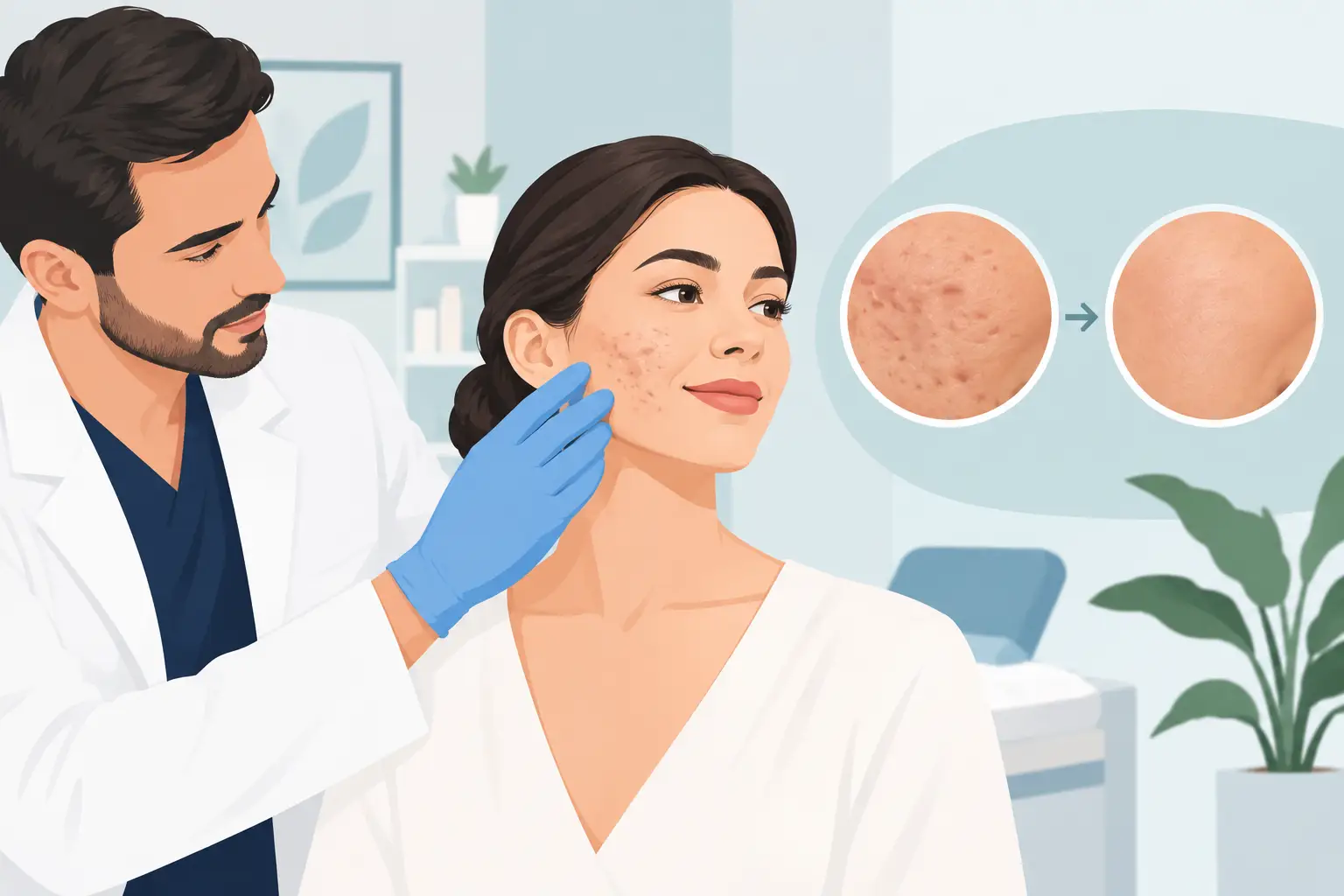
Medium peels represent a significant step up in intensity and results, targeting skin concerns that superficial treatments simply cannot address. These peels penetrate deeper into your skin’s layers, reaching the upper dermis where stubborn pigmentation, moderate scarring, and deeper lines reside. If you’ve been considering professional skin rejuvenation but feel that lunchtime peels won’t deliver the transformation you’re seeking, medium peels offer a compelling middle ground between minimal and dramatic intervention. They’re particularly effective for addressing sun damage accumulated over years of London summers and lifestyle factors that have left their mark on your skin.
Medium peels typically use trichloroacetic acid (TCA), which works more aggressively than the AHAs found in superficial treatments. Medium depth peels tackle issues like scar reduction and pigmentation, making them ideal if you’re dealing with uneven skin tone, acne scarring, or significant age spots. The trade off is straightforward but important to understand. Your recovery period extends to several days of visible peeling and exfoliation, during which you’ll need to stay home and follow specific aftercare protocols. This isn’t a treatment you schedule before an important client meeting or a weekend away. Instead, you’re investing in a period of rest and recovery that yields genuinely dramatic improvements in skin clarity and texture. Most people describe the peeling process as starting around day two or three and continuing for up to a week, depending on their skin’s response.
The results, however, justify the downtime commitment. Medium peels deliver changes that are immediately noticeable and continue improving for several weeks as your skin fully heals and regenerates. Clients often report that their skin looks brighter, smoother, and more refined than it has in years. The key is working with an experienced practitioner who understands your skin type and can apply the correct concentration of TCA to achieve optimal results without overtreatment. This is where professional expertise at a clinic like The Aesthetics Room becomes invaluable, as improper application carries increased risks.
Professional tip Schedule your medium peel during a quieter period in your calendar, allowing yourself at least five to seven days before any commitments where you’ll need to look camera-ready or present your most polished self.
4. Deep Peels for Dramatic Skin Transformation
Deep peels represent the most intensive chemical peel option available, delivering transformative results for those with severe skin concerns who are prepared for significant commitment and recovery. These treatments use powerful acids like phenol to penetrate deeply into the dermis, the layer beneath your skin’s surface where structural damage from years of sun exposure, smoking, or advanced ageing has accumulated. If you’re contemplating a deep peel, you’re likely considering this because previous treatments haven’t delivered the results you need, or you’re ready for a one-time comprehensive rejuvenation rather than ongoing maintenance treatments. This is the strongest option in the chemical peel arsenal, reserved for people with serious wrinkles, extensive pigmentation damage, or significant scarring that demands dramatic intervention.
The intensity of deep peels comes with substantial considerations you must understand before proceeding. Deep chemical peels penetrate deeply into the dermis, which means your recovery extends considerably beyond what you’d experience with medium peels. Expect a healing period of 10 to 14 days minimum, during which your skin will be visibly compromised, swollen, and peeling extensively. You’ll require local anaesthesia or sedation during the procedure itself, and some treatments necessitate hospital settings with cardiac monitoring because phenol carries toxicity risks that demand professional medical oversight. This isn’t a procedure you undergo without thorough preparation and a clear understanding that you’re committing to genuine downtime. You’ll need to arrange time away from work, social commitments, and your usual routine. Your skin will look considerably worse before it looks significantly better, and psychological preparation for this journey is as important as physical preparation.
Yet the results justify this commitment entirely. Once healed, your skin emerges transformed. Deep peels can reduce severe wrinkles that haven’t responded to anything else, correct pigmentation issues that superficial treatments couldn’t touch, and smooth scarred texture back to smoothness. The results are long-lasting, often permanent in their improvement, meaning you’re not signing up for ongoing repeat treatments. Many people describe it as finally seeing the skin they remember having, or achieving the smooth, youthful appearance they’ve always wanted. The key is working with highly experienced practitioners who understand the nuances of deep peel chemistry and can assess whether you’re genuinely a suitable candidate, considering your health, skin type, and realistic expectations.
Professional tip Arrange your deep peel during a season when you can minimise sun exposure during healing, and plan support at home since you’ll genuinely need assistance during the initial recovery period.
5. Hydration Peels for Moisturised, Plump Skin
If your skin looks tired, feels tight, and lacks that youthful plumpness you remember, hydration peels might be exactly what you need. Unlike traditional peels that focus primarily on removing damaged skin, hydration peels take a different approach by combining gentle exfoliation with intensive moisture replenishment. These treatments work beautifully for anyone experiencing dull, dehydrated skin that hasn’t responded well to standard skincare routines. London’s climate and central heating in winter can deplete your skin’s moisture levels significantly, and hydration peels address this specific concern whilst still delivering the benefits of chemical exfoliation.
Hydration peels typically employ mild acids like glycolic acid that work gently on your skin’s surface whilst actively promoting moisture retention. The dual action is what makes them special. The exfoliating component removes dead skin cells that prevent product penetration and light absorption, whilst the hydrating component floods your freshly exfoliated skin with moisture and nourishing ingredients. This combination stimulates new cell growth whilst improving your skin’s ability to hold onto water, resulting in a noticeably plumper, more radiant complexion. Hydration peels improve skin texture and plumpness by enhancing hydration and promoting cellular renewal simultaneously. Your skin emerges from treatment looking fresher, feeling softer, and appearing more youthful because it’s genuinely more hydrated at a cellular level.
What makes hydration peels particularly appealing is their suitability for nearly all skin types and their minimal downtime. You won’t experience significant peeling or irritation, and you can return to your normal routine immediately. Fine lines become less noticeable because hydrated skin naturally appears smoother and more plump, whilst your overall complexion gains radiance and luminosity. Many people find that hydration peels work beautifully as regular maintenance treatments, scheduled monthly or bimonthly to maintain that dewy, youthful glow. If you’re concerned about dehydrated skin lacking moisture and elasticity, hydration peels address this head-on, delivering immediate and visible improvements in skin texture and appearance. The results compound over time, meaning each treatment leaves your skin in better condition than before.
Professional tip Combine hydration peels with a consistent at-home skincare routine featuring hydrating serums and moisturisers to extend and amplify the treatment results between professional sessions.
6. Brightening Peels to Even Out Skin Tone
Uneven skin tone is one of the most common concerns among affluent women in their 30s and 50s, and brightening peels offer a targeted solution that goes beyond what standard skincare can achieve. Whether you’re battling age spots from decades of sun exposure, melasma triggered by hormonal changes, or general dullness from environmental damage, brightening peels work specifically to address pigmentation irregularities and restore luminosity to your complexion. These treatments are particularly valuable if you’ve invested in your appearance throughout your life and now want to correct the cumulative effects of sun exposure and time. A more even skin tone instantly makes your entire face appear younger, healthier, and more radiant.
Brightening chemical peels use acids like glycolic and salicylic acid to selectively exfoliate the pigmented outer layers of your skin where sun damage and age spots reside. Brightening peels exfoliate pigmented skin layers improving uneven tone by removing the exact layers where melanin has accumulated unevenly. The process is elegant in its precision. Rather than treating your entire face indiscriminately, these peels target the specific cells responsible for dark spots and uneven colouration whilst leaving surrounding skin intact. Your skin responds by producing fresh, evenly pigmented cells, gradually revealing a complexion that looks more uniform and considerably more youthful. The brightening effect becomes increasingly noticeable with multiple treatments, typically requiring a series of four to six sessions spaced two to three weeks apart for optimal results.
What makes brightening peels particularly appealing is that they deliver visible improvements without the dramatic downtime of deeper treatments. You’ll experience mild exfoliation and perhaps some temporary sensitivity, but nothing that prevents you from your daily activities. The cumulative effect is substantial, however. Over your course of treatments, you’ll notice that age spots diminish significantly, your skin tone becomes more uniform, and your overall complexion gains that coveted luminous quality. Many clients describe rediscovering the clear, evenly toned skin they had years ago. Because brightening peels specifically target pigmentation concerns, they work beautifully for anyone struggling with sun damage, hormonal pigmentation changes, or simply the natural darkening that occurs with age. Your skin becomes more reflective and youthful looking, which is precisely what professional skin treatments should deliver.
Professional tip Maintain rigorous sun protection during your brightening peel course and for several months afterward, as freshly treated skin is more vulnerable to UV damage and pigmentation recurrence.
7. Choosing the Right Peel for Your Skin Needs
Choosing the right chemical peel is genuinely personal. It’s not about selecting the strongest or most popular option, but rather identifying which treatment aligns with your specific skin concerns, your lifestyle, and your realistic expectations for downtime and results. The truth is that one person’s ideal peel might be completely unsuitable for someone else, even if they’re the same age and live in the same neighbourhood. Your skin type, sensitivity level, current skin conditions, and what you’re trying to achieve all factor into this decision. This is precisely why professional consultation matters so much. A qualified practitioner can assess your skin objectively and recommend a treatment path tailored specifically to you.
The hierarchy of chemical peels creates a logical framework for decision making. Superficial peels work beautifully if you’re addressing minor texture concerns, early pigmentation, or simply want regular maintenance of healthy, youthful skin. Medium peels deliver results for moderate ageing signs, uneven tone, or moderate scarring that superficial treatments won’t touch. Deep peels represent the final frontier, reserved for severe wrinkles, extensive damage, or significant scarring that demands dramatic intervention. But here’s what matters most: choosing the appropriate peel depends on skin type, concerns and desired results. Your practitioner will consider your skin sensitivity, whether you have a history of keloid scarring, your ability to commit to downtime, and whether you’re willing to follow strict aftercare protocols. They’ll also discuss your goals honestly. Are you seeking subtle improvement or dramatic transformation? Do you want a one-time treatment or are you comfortable with a series? These conversations determine the right path forward.
Many people benefit from progressive treatment plans rather than jumping straight to the strongest option. You might begin with superficial peels to assess your skin’s response, gradually building to medium peels as your skin adapts and you see what different treatments can deliver. This approach allows you to understand your skin’s behaviour, build confidence in the process, and achieve results incrementally whilst minimising risk. Throughout your journey, complementary skincare becomes equally important. Your practitioner will recommend specific products that enhance treatment results and protect your skin between sessions. Think of professional peel selection as an investment in both your appearance and your skin health. Getting it right from the start means better results, fewer complications, and genuine confidence in your skin transformation.
Professional tip Book a comprehensive consultation before committing to any chemical peel, asking detailed questions about what to expect, realistic timelines for results, and how the treatment aligns with your specific skin concerns.
Below is a comprehensive table summarising the key types and characteristics of chemical peels as discussed throughout the article.
| Peel Type | Description | Key Benefits |
|---|---|---|
| Superficial Peels | Mild peels using AHAs to target the epidermis. | Improve texture and fine lines with minimal downtime. |
| Medium Peels | Employ TCA to penetrate deeper layers addressing uneven tone and scarring. | Deliver noticeable results requiring moderate downtime. |
| Deep Peels | Utilise phenol for significant skin transformation by targeting the dermis. | Treat severe ageing and damage with substantial recovery time. |
| Hydration Peels | Combine gentle acids with intense moisturisation. | Enhance hydration, improve plumpness, and rejuvenate complexion. |
| Brightening Peels | Address uneven pigmentation using glycolic and salicylic acids. | Promote even skin tone and reduce age spots effectively. |
Discover Your Perfect Chemical Peel at The Aesthetics Room
Struggling with uneven skin tone, fine lines or persistent dullness can be frustrating. The article highlights the power of tailored chemical peels, from gentle superficial options to deep transformative treatments. Your skin deserves a customised approach that addresses your specific concerns without compromising your lifestyle or wellbeing. Whether you aim to refresh tired skin or achieve dramatic rejuvenation, understanding the right peel type is the first step towards radiant confidence.
At The Aesthetics Room, based in London’s prestigious Knightsbridge area, we specialise in creating bespoke plans that match your skin’s unique needs. Our expert practitioners guide you through choices like hydration peels for restoring moisture, brightening peels for evening skin tone, or medium peels for tackling deeper pigmentation. Experience the benefits of professional care delivered in a luxurious setting with careful attention to safety and effectiveness.

Ready to transform your skin with expert chemical peels? Explore our full range of Skin Treatments – The Aesthetics Room tailored to bring out your best. For personalised advice and confidence in your treatment journey, book a consultation through The Aesthetics Room today. Your radiant, confident skin is just one appointment away.
Frequently Asked Questions
What is a chemical peel?
Chemical peels are treatments that use acids to exfoliate the skin by removing dead skin cells and promoting new cell growth. To improve your skin’s texture and radiance, consider booking a consultation with a professional to determine which type of peel is suitable for your needs.
How do I choose the right type of chemical peel for my skin concerns?
To choose the right chemical peel, assess your specific skin concerns and desired outcomes, such as texture, pigmentation, or hydration. Schedule a consultation with a qualified practitioner who can tailor a treatment plan to your unique requirements based on these factors.
What can I expect during the recovery period after a medium peel?
After a medium peel, expect a recovery period of about five to seven days, during which you may experience peeling and redness. Follow your practitioner’s aftercare guidelines closely to support healing and achieve optimal results.
How often should I schedule my chemical peel treatments for best results?
For best results, schedule superficial peels every two to three weeks, while medium peels are typically spaced four to six weeks apart. Plan your sessions based on your skin’s response and improvement, adjusting as needed.
Are chemical peels suitable for all skin types?
Most chemical peels can be customised to suit various skin types, but some may require special consideration, especially sensitive or reactive skin. Consult with a professional to determine the best peel options for your skin type and concerns.
Can I combine different types of peels for enhanced results?
Yes, combining different types of peels can enhance results by addressing multiple skin concerns. Discuss with your practitioner how to effectively incorporate various peels into your treatment plan to achieve your desired skin goals.
Recommended
- Step by Step Chemical Peel Guide for Glowing Skin – The Aesthetics Room
- Role of Chemical Peels – Transforming Skin Clarity – The Aesthetics Room
- Exploring the Benefits of Chemical Peels in Skincare – The Aesthetics Room
- HOW TO LOOK YOUNGER WITH A MEDICAL PEEL – The Aesthetics Room
- Skincare & Treatments for Dry & Sensitive Skin – Blanc & Mist
- Chemical Peel – Medisoma