

Nearly one third of British adults are searching for effective ways to achieve smoother, more radiant skin without invasive treatments. In London’s luxury clinic scene, chemical peels are transforming expectations by offering advanced, non-surgical solutions tailored to your unique needs. From debunking persistent myths to detailing the safest, most powerful options available, this guide reveals how professionally delivered chemical peels unlock confident, youthful skin with minimal interruption to your lifestyle.
Table of Contents
- Chemical Peels Defined And Common Myths
- Types Of Chemical Peels Available In London
- How Chemical Peels Rejuvenate The Skin
- Suitability, Preparation, And Post-Peel Care
- Risks, Limitations, And Safer Alternatives
Key Takeaways
| Point | Details |
|---|---|
| Chemical Peels as Advanced Treatments | Chemical peels offer a sophisticated approach to rejuvenating skin by promoting cellular renewal and addressing skin concerns like hyperpigmentation and fine lines. |
| Types of Peels Available | London clinics provide three main types of chemical peels—light, medium, and deep—each tailored to different skin issues and recovery times. |
| Suitability and Care | Proper assessment, preparation, and aftercare by qualified professionals are essential for maximising treatment results and minimising risks. |
| Awareness of Risks and Alternatives | While effective, chemical peels carry potential risks and may require combination therapies for comprehensive skin transformation; alternative methods are available for gentler rejuvenation. |
Chemical peels defined and common myths
Chemical peels represent a sophisticated skincare treatment designed to rejuvenate and transform skin texture through strategic exfoliation. Targeted acid treatments remove outer skin layers, stimulating cellular renewal and addressing multiple dermatological concerns including hyperpigmentation, fine lines, and uneven skin tone.
These professional treatments utilise carefully selected chemical compounds to dissolve surface skin cells, triggering the body’s natural healing response. Unlike harsh mechanical exfoliants, chemical peels work at a cellular level, promoting collagen production and encouraging smoother, more radiant skin. The procedure involves applying a specialised solution that causes controlled skin trauma, prompting regeneration and revealing fresher, more youthful underlying skin layers.
Many individuals harbour misconceptions about chemical peels, often believing they are dangerous or unsuitable for sensitive skin types. In reality, professional practitioners can customise treatments to match individual skin requirements, ensuring safety and efficacy. Common myths suggest chemical peels permanently thin skin or cause significant damage, but scientific evidence demonstrates these treatments can actually strengthen skin structure when performed correctly.
Pro tip: Always consult a qualified skincare professional who can assess your unique skin characteristics and recommend a personalised chemical peel protocol tailored to your specific dermatological needs.
Types of chemical peels available in London
London’s aesthetic clinics offer a sophisticated range of chemical peel treatments, stratified by intensity and targeted skin concerns. These treatments range from gentle surface-level interventions to comprehensive deep tissue regeneration, allowing practitioners to customise protocols for individual skin requirements.
The spectrum of chemical peels encompasses three primary categories: light peels, medium peels, and deep peels. Light peels utilise mild acids like glycolic, salicylic, and lactic acid to provide subtle exfoliation, ideal for addressing minor skin imperfections with minimal recovery time. These treatments gently remove surface skin cells, promoting cellular turnover and revealing a more radiant complexion.
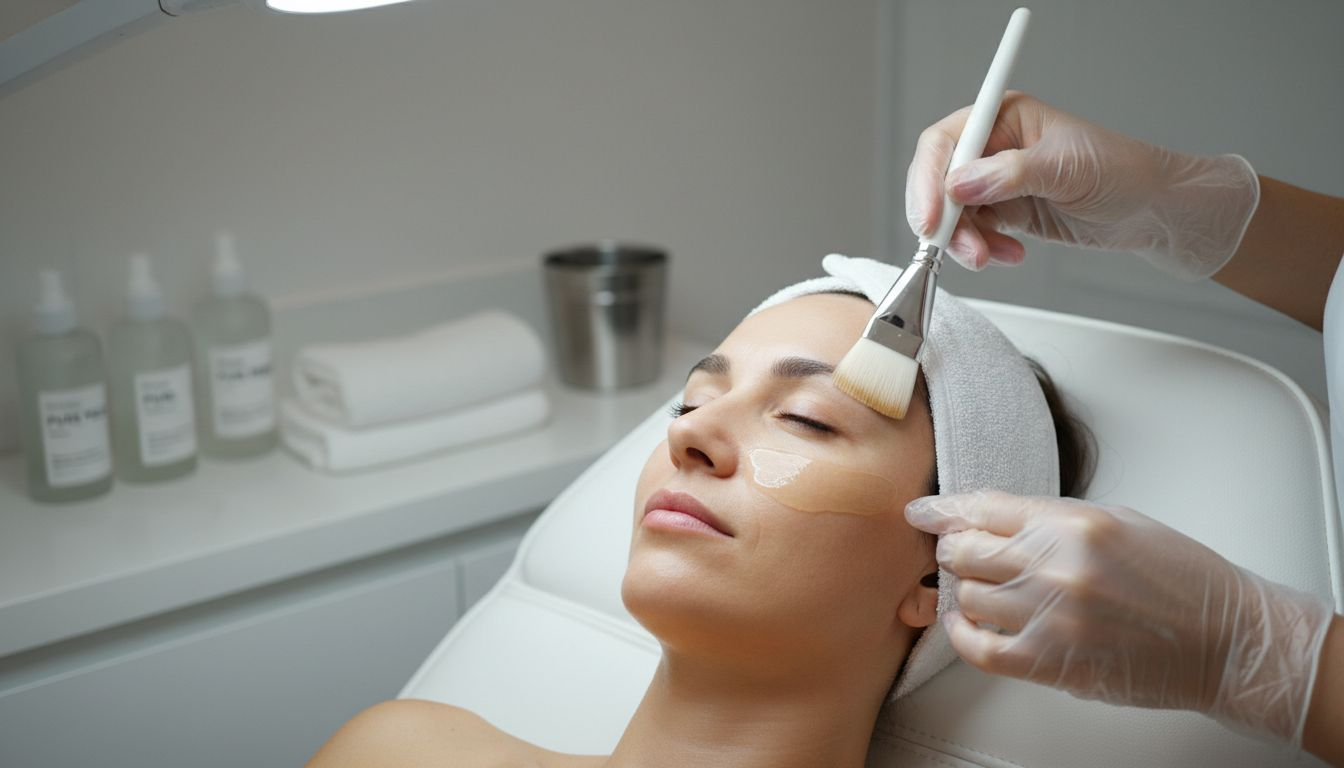
Medium-depth peels represent a more intensive approach, typically employing trichloroacetic acid (TCA) to penetrate deeper skin layers. These treatments target more pronounced skin concerns such as fine lines, moderate scarring, and uneven pigmentation. Deep phenol peels, reserved for the most significant skin transformations, require specialist medical supervision and are performed in clinical settings, offering dramatic skin resurfacing for individuals with substantial textural and ageing concerns.
Here’s a concise comparison of the three main types of chemical peels offered in London:
| Peel Type | Depth of Action | Common Uses | Typical Recovery Time |
|---|---|---|---|
| Light Peel | Surface epidermis | Brightening, minor marks | 1 to 3 days |
| Medium Peel | Into mid-dermis | Fine lines, pigmentation | 5 to 7 days |
| Deep Peel | Lower skin layers | Deep wrinkles, scars | 2 weeks or longer |
Pro tip: Consult with a qualified aesthetic professional to determine the most appropriate chemical peel type for your unique skin profile, ensuring optimal results and minimising potential complications.
How chemical peels rejuvenate the skin
Chemical peels represent a sophisticated dermatological approach to skin cellular regeneration, strategically triggering the body’s natural healing mechanisms. By applying carefully selected acid solutions, these treatments create a controlled micro-injury that prompts the skin to renew and repair itself, effectively resetting the dermatological landscape.
The rejuvenation process occurs through multiple interconnected mechanisms. When the chemical solution is applied, it causes the outermost skin layers to gently separate and eventually shed, stimulating collagen production and accelerating cellular turnover. This process addresses multiple skin concerns simultaneously, including uneven pigmentation, fine lines, minor scarring, and textural irregularities. The controlled exfoliation removes damaged skin cells while signalling the body to generate fresh, healthier skin tissue with improved elasticity and resilience.
Beneath the surface, chemical peels activate complex biochemical pathways that transform skin health. The treatment encourages increased hyaluronic acid and elastin production, which contribute to improved skin hydration, firmness, and overall structural integrity. By systematically removing damaged skin layers and promoting regenerative processes, chemical peels offer a comprehensive approach to skin renewal that goes far beyond superficial treatment.
Pro tip: Consult with a skilled aesthetic professional to develop a personalised chemical peel strategy tailored to your specific skin type and rejuvenation goals.
Suitability, preparation, and post-peel care
Determining an individual’s suitability for chemical peels requires a comprehensive assessment of skin type, medical history, and specific dermatological objectives. Comprehensive pre-treatment evaluation remains crucial to ensuring optimal outcomes and minimising potential adverse reactions. Factors such as skin sensitivity, existing medical conditions, current medications, and previous skin treatments must be carefully considered by a qualified aesthetic professional.
Proper preparation is paramount for maximising treatment effectiveness and minimising potential complications. Patients are typically advised to discontinue using retinoids, strong exfoliants, and other potentially irritating skincare products in the weeks leading up to the procedure. Skin integrity must be maintained through gentle cleansing, adequate hydration, and strict sun protection. Some practitioners recommend specific skincare protocols to prepare the skin, potentially including targeted serums or preparatory treatments that enhance treatment receptivity.
Post-peel care represents a critical phase in the skin rejuvenation process. The treated skin requires meticulous attention to support optimal healing and maintain treatment results. This involves using gentle, fragrance-free moisturisers, avoiding direct sunlight, applying high-protection sunscreen, and refraining from activities that might induce excessive sweating or heat exposure. Patients must resist the urge to pick or manipulate healing skin, allowing natural regeneration processes to occur without interruption.
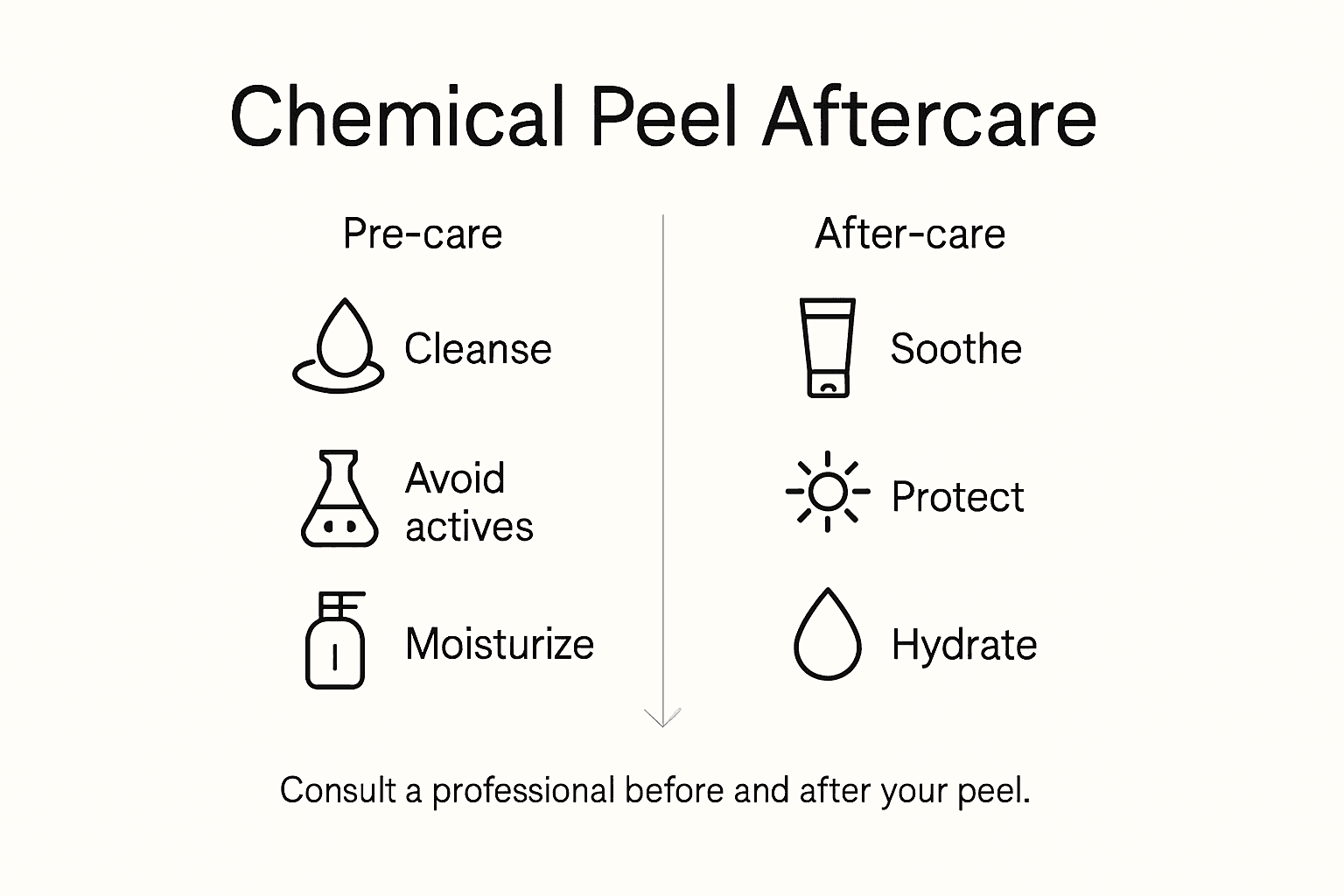
The following table summarises best practices for pre and post-chemical peel care:
| Care Phase | Key Actions | Purpose |
|---|---|---|
| Pre-Treatment | Gentle cleansing, stop retinoids | Prepare skin, reduce irritation |
| Immediate Aftercare | Use mild moisturiser, avoid sun | Promote healing, prevent damage |
| Ongoing Care | Daily SPF, avoid picking skin | Enhance results, prevent side effects |
Pro tip: Schedule a thorough consultation with your aesthetic professional to develop a personalised pre and post-peel care strategy tailored to your unique skin characteristics and treatment goals.
Risks, limitations, and safer alternatives
Chemical peels, while powerful skin rejuvenation treatments, are not without potential complications. Comprehensive risk assessment is crucial for patients considering this aesthetic procedure. Potential risks include temporary skin sensitivity, redness, uneven pigmentation, and in rare instances, scarring or infection. These risks are significantly amplified when treatments are performed by unqualified practitioners or when aftercare instructions are not meticulously followed.
The effectiveness of chemical peels encompasses notable limitations that patients must understand. Deeper skin concerns such as profound wrinkles, significant skin laxity, or structural ageing cannot be comprehensively addressed through chemical peels alone. Skin transformation requires a nuanced approach, often necessitating combination therapies or alternative treatments. Some individuals, particularly those with darker skin tones or specific medical conditions like pregnancy, may face increased risks or reduced treatment suitability.
For those seeking alternative or gentler skin rejuvenation methods, several options exist. Microdermabrasion offers a less invasive approach to skin resurfacing, while professional-grade skincare treatments can provide incremental improvements with minimal risk. Emerging technologies like laser treatments and non-invasive skin tightening procedures offer additional pathways for individuals seeking skin enhancement with reduced potential complications.
Pro tip: Prioritise a thorough consultation with a qualified aesthetic professional to develop a personalised treatment strategy that addresses your unique skin concerns while minimising potential risks.
Unlock Radiant Skin with Expert Chemical Peels at The Aesthetics Room
Many individuals struggle with uneven skin tone, fine lines, and diminished skin clarity that chemical peels can effectively address. This advanced skincare solution stimulates natural regeneration and collagen production to reveal smoother, fresher skin. At The Aesthetics Room, we understand these skin challenges and offer personalised chemical peel treatments tailored to your unique skin type and rejuvenation goals, ensuring both safety and visible results.
Explore our comprehensive range of Skin Treatments – The Aesthetics Room designed to transform your skin with precision. Experience care in a luxurious setting in London backed by medical expertise and personalised plans.

Ready to transform your skin clarity and confidence today Visit The Aesthetics Room to book your consultation or learn more about how our expertly administered chemical peels and bespoke skin treatments can help you achieve the radiant complexion you deserve Take the first step towards revitalised skin and lasting glow with professional guidance and safe, effective solutions.
Frequently Asked Questions
What are chemical peels and how do they work?
Chemical peels are sophisticated skincare treatments that exfoliate and rejuvenate the skin by using targeted acid solutions. They remove outer layers of skin, stimulating cellular renewal and addressing various concerns such as hyperpigmentation and fine lines.
What are the different types of chemical peels available?
There are three primary types of chemical peels: light peels for minor skin issues, medium peels that target deeper concerns like fine lines, and deep peels which require medical supervision for significant skin transformation.
How do I prepare my skin before undergoing a chemical peel?
Proper preparation involves consulting with a qualified aesthetic professional, stopping the use of retinoids and strong exfoliants, and maintaining skin integrity through gentle cleansing and adequate hydration while using sun protection.
What should I do after getting a chemical peel?
Post-peel care is essential. Use gentle, fragrance-free moisturisers, avoid direct sunlight, apply high-protection sunscreen, and do not pick at healing skin to support optimal healing and maintain treatment results.