
Choosing a cosmetic procedure in London can feel overwhelming. With hundreds of clinics promising flawless results, how do you separate genuine expertise from marketing hype? The answer lies in understanding UK safety standards and verifying practitioner accreditation. This guide clarifies the criteria for selecting safe, non-invasive treatments and trusted providers, empowering you to enhance your appearance with confidence in 2026.
Table of Contents
- How To Choose Safe Cosmetic Procedures And Providers In London
- Top Safe Non-Invasive Cosmetic Procedures Explained
- Safety Standards And Practitioner Accreditation In The UK
- Comparative Safety And Effectiveness Of Popular Procedures
- Patient Suitability, Consultation And Aftercare Considerations
- Luxury Cosmetic Clinics In London: Safety Meets Premium Care
- Summary Comparison And Situational Recommendations
- Explore Safe Luxury Cosmetic Treatments At The Aesthetics Room
- Frequently Asked Questions
Key Takeaways
| Point | Details |
|---|---|
| Practitioner accreditation is critical for safety | Qualification requirements mandated for all practitioners regardless of prior training or professional background. |
| Botox and fillers lead as minimally invasive treatments | Most popular safe, non-invasive cosmetic treatments with minimal downtime and high satisfaction rates. |
| UK NatSSIPS standards reduce procedural errors nationally | National Safety Standards for Invasive Procedures establish mandatory protocols to reduce errors. |
| Consultations include psychological assessments | Extended consultations with psychological health assessment improve safety and satisfaction for all cosmetic procedures. |
| Luxury clinics combine patient comfort with stringent safety | CQC accreditation and ACE Group membership signify top safety and quality standards in London clinics. |
How to Choose Safe Cosmetic Procedures and Providers in London
Selecting a cosmetic procedure requires more than browsing Instagram portfolios. Safety starts with verifying your practitioner’s credentials. In the UK, qualification requirements mandated for all practitioners regardless of prior training or professional background ensure consistent safety standards. Before booking, confirm your provider holds relevant qualifications and current registration with professional bodies.
Understanding procedural risk profiles helps you make informed choices. Non-invasive treatments like Botox and dermal fillers carry different risks than surgical procedures. Research shows that safety, accreditation, and practitioner experience are more critical than cost for safe outcomes. Prioritizing these factors over price prevents complications and ensures lasting results.
The UK’s National Safety Standards for Invasive Procedures protect you from preventable errors. These protocols mandate specific checkpoints before any invasive treatment begins. Your consultation should cover realistic expectations, potential risks, and psychological suitability for the procedure you’re considering.
Key selection criteria include:
- Verify current medical practitioner qualifications and professional registration
- Confirm clinic holds CQC accreditation or equivalent safety certifications
- Review before-and-after portfolios showing realistic, consistent results
- Assess practitioner experience with your specific procedure and skin type
- Ensure transparent pricing with no hidden consultation or follow-up fees
Pro Tip: Ask potential providers how they handle complications. Reputable clinics have clear emergency protocols and offer complimentary follow-up care if issues arise. This separates professional practices from those prioritizing profit over patient welfare.
Luxury clinics in areas like Knightsbridge and Mayfair often combine enhanced comfort with rigorous safety protocols. While premium settings offer exceptional patient experiences, verify that luxury aesthetics accompany genuine medical expertise rather than replace it.
Top Safe Non-Invasive Cosmetic Procedures Explained
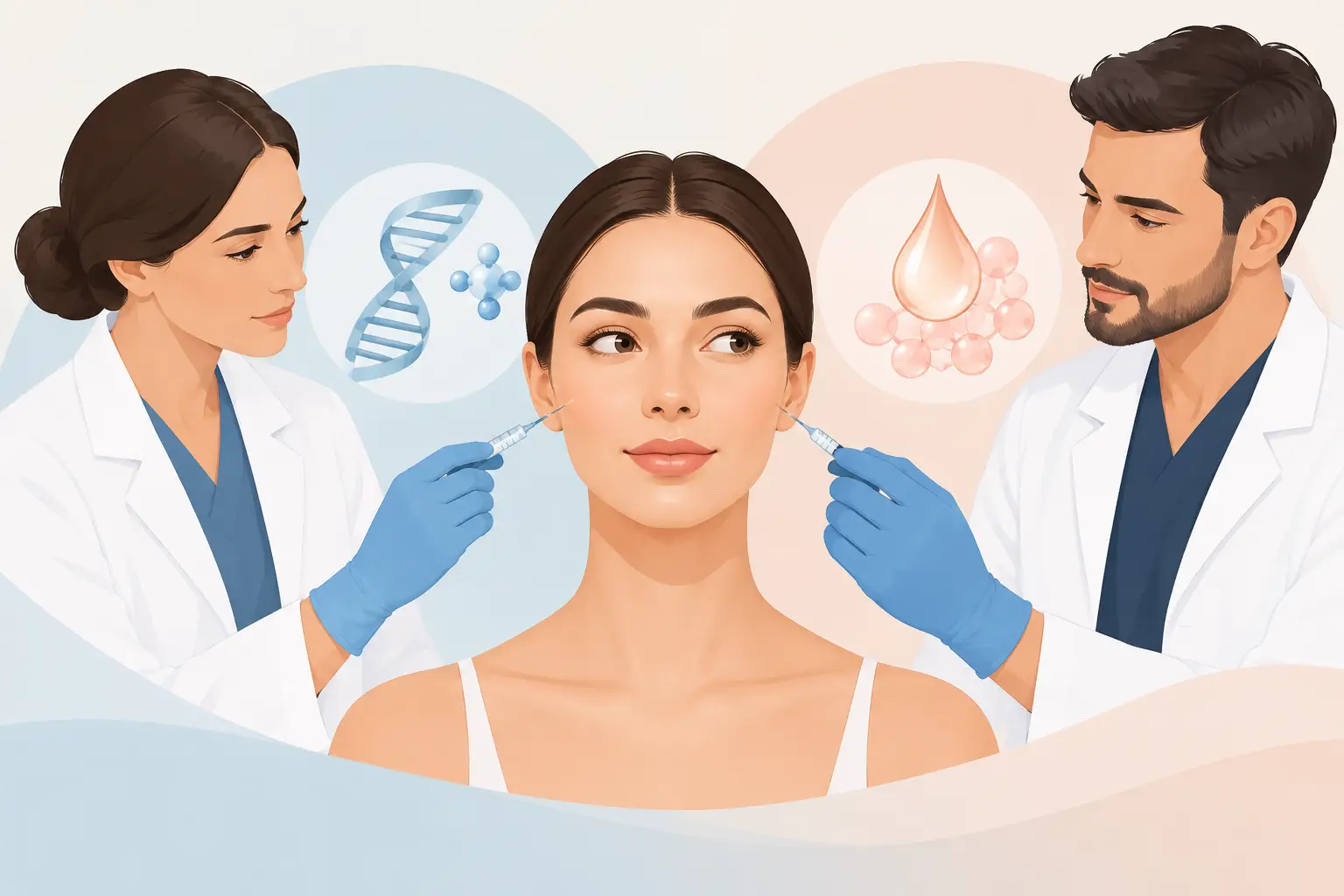
Botox and dermal fillers are the most popular safe, non-invasive cosmetic treatments with minimal downtime. Botox temporarily relaxes facial muscles to smooth wrinkles, while fillers restore volume to areas like cheeks and lips. Both procedures take 15 to 30 minutes with results appearing within days. Side effects remain minimal when administered by qualified practitioners.

Chemical peels and laser hair removal offer effective skin rejuvenation without surgical intervention. Chemical peels remove damaged outer skin layers, revealing smoother texture beneath. Laser treatments target unwanted hair or skin imperfections using concentrated light energy. Recovery time varies by intensity, with lighter peels requiring just days while deeper treatments need weeks.
Non-invasive fat dissolving treatments have fewer risks and short recovery compared to surgery. These injectable solutions break down stubborn fat deposits in areas resistant to diet and exercise. Results develop gradually over weeks as your body naturally eliminates dissolved fat cells. This approach avoids surgical risks while achieving noticeable body contouring.
Popular safe procedures include:
- Botox treatments London for forehead lines, crow’s feet, and frown lines
- Dermal fillers in London for cheek augmentation and lip enhancement
- Chemical peels for acne scarring, sun damage, and uneven skin tone
- Laser hair removal for permanent reduction across face and body
- Fat dissolving injections for chin, abdomen, and thigh contouring
Breast implant procedures, while more invasive, benefit from the UK’s national registry system tracking safety data. This oversight ensures complications are monitored and addressed systematically. Each procedure category offers distinct safety profiles, recovery timelines, and result expectations. Your choice should align with your aesthetic goals, lifestyle, and risk tolerance.
The most common non-invasive procedures demonstrate consistent safety records when performed by accredited specialists. Understanding these options helps you identify treatments matching your needs without unnecessary surgical intervention.
Safety Standards and Practitioner Accreditation in the UK
The UK maintains rigorous safety frameworks governing cosmetic procedures. The National Safety Standards for Invasive Procedures (NatSSIPS) establish mandatory protocols to reduce errors. These standards require specific “stop moments” before invasive treatments, allowing practitioners to verify patient identity, procedure type, and consent documentation. This systematic approach prevents wrong-site or wrong-procedure incidents.
Practitioner qualifications are standardized nationwide, ensuring consistent competency regardless of location. Training requirements cover anatomy, injection techniques, complication management, and patient assessment. This standardization means you receive equivalent safety protections whether visiting a Knightsbridge clinic or a suburban practice.
The Royal College of Surgeons sets professional standards beyond technical skills. Professional standards require informed consent and psychological assessment before cosmetic procedures. These protocols ensure you understand risks, have realistic expectations, and are psychologically prepared for results. Practitioners must document these discussions thoroughly.
The Breast and Cosmetic Implant Registry tracks implant surgery outcomes nationally. This database monitors complication rates, implant types, and long-term safety data. While primarily focused on surgical procedures, this registry demonstrates the UK’s commitment to transparent safety monitoring across aesthetic medicine.
Key regulatory protections include:
- Mandatory NatSSIPS compliance for all invasive cosmetic procedures
- Standardized training and qualification requirements across the UK
- Required informed consent discussions covering risks and alternatives
- Psychological suitability assessments before major procedures
- National registry systems tracking surgical outcomes and complications
These frameworks create accountability and traceability throughout your treatment journey. When selecting providers, confirm they adhere to these standards rather than just claiming generic “professional” status. Understanding practitioner accreditation in UK contexts helps you verify credentials effectively.
The NatSSIPS safety standards represent evolving best practices incorporating lessons from adverse events. This continuous improvement culture means safety protocols strengthen over time, protecting you through evidence-based prevention strategies.
Comparative Safety and Effectiveness of Popular Procedures
Different procedures carry distinct risk-benefit profiles. Botox involves fewer injection points and quicker recovery than dermal fillers. Botox effects last three to four months, requiring repeat treatments to maintain results. Fillers provide longer-lasting volume restoration, typically persisting six to 18 months depending on product type and placement.
Chemical peels have under 5% complication rate vs 10 to 15% for laser therapies. Peels offer predictable results with lower risk of pigmentation changes, particularly for darker skin tones. Laser treatments provide deeper rejuvenation but require more careful patient selection and experienced operators to minimize complications.
Fat dissolving injections carry fewer risks than surgical liposuction with shorter recovery. Traditional liposuction involves anesthesia, incisions, and weeks of healing. Injectable alternatives eliminate surgical risks while achieving gradual, natural-looking fat reduction. However, results are less dramatic than surgery, making them ideal for moderate contouring rather than major reshaping.
| Procedure | Safety Profile | Complication Rate | Recovery Time | Results Duration |
|---|---|---|---|---|
| Botox | Very High | Under 2% | 24 to 48 hours | 3 to 4 months |
| Dermal Fillers | High | 3 to 5% | 2 to 7 days | 6 to 18 months |
| Chemical Peels | High | Under 5% | 3 to 14 days | 3 to 6 months |
| Laser Treatments | Moderate | 10 to 15% | 7 to 21 days | 12 to 24 months |
| Fat Dissolving | High | Under 5% | 3 to 10 days | Permanent |
Accredited practitioners reduce complication risks substantially through proper technique and patient selection. Experience matters significantly, particularly for procedures like filler placement where anatomical knowledge prevents vascular complications. Comparing dermal filler safety comparisons helps you understand product differences beyond brand names.
Patient choice should balance safety, effectiveness, and lifestyle fit. If you cannot tolerate downtime, Botox or light chemical peels offer minimal disruption. For longer-lasting results, fillers or laser treatments justify slightly extended recovery periods. Understanding Botox vs fillers safety profiles helps you select the right approach for your goals.
Key decision factors include:
- Your skin type and sensitivity affecting complication risk
- Desired result longevity versus repeat treatment frequency
- Available recovery time fitting your work and social schedule
- Budget considerations including maintenance treatments
- Practitioner expertise with your specific procedure and concerns
Pro Tip: Start with less invasive options like Botox before progressing to fillers or lasers. This graduated approach lets you assess your response to treatments and build trust with your practitioner. You can always advance to more intensive procedures once comfortable with the process and results.
The complication statistics chemical peels vs laser data shows clear safety differences. Use this evidence to guide choices rather than anecdotal testimonials or marketing claims.
Patient Suitability, Consultation and Aftercare Considerations
Thorough consultations form the foundation of safe cosmetic treatment. Extended consultations with psychological health assessment and cost transparency improve safety and satisfaction. These discussions ensure you understand what procedures can realistically achieve and whether your motivations align with positive outcomes.
Psychological suitability matters as much as physical health. Practitioners assess whether you have realistic expectations and stable mental wellbeing before proceeding. Research shows patients with unrealistic goals or underlying psychological concerns experience lower satisfaction regardless of technical results. Comprehensive assessment prevents regret and dissatisfaction.
Transparent risk and cost discussions build informed consent. Your practitioner should explain potential complications, how they’re managed, and total treatment costs including any maintenance requirements. Hidden fees or downplayed risks signal problematic practices you should avoid.
Aftercare plans protect your investment and health. Proper post-procedure care prevents complications and optimizes results. Your provider should supply clear written instructions covering activity restrictions, symptom monitoring, and emergency contact procedures. Follow-up appointments let practitioners assess healing and address any concerns promptly.
Key consultation and aftercare elements:
- Detailed medical history review identifying contraindications or risk factors
- Realistic outcome discussion with before-and-after examples matching your features
- Complete cost breakdown including consultation, procedure, and follow-up fees
- Written aftercare instructions specific to your procedure and individual needs
- Scheduled follow-up appointments for result assessment and complication monitoring
- Clear emergency contact procedures if concerning symptoms develop
The consultation and psychological assessment process should never feel rushed. Quality practitioners allocate sufficient time for questions and ensure you feel comfortable before proceeding. Pressure tactics or same-day treatment pushes indicate prioritization of profit over patient welfare.
Patient suitability consultation guidelines emphasize shared decision-making between you and your practitioner. This collaborative approach ensures treatments align with your values, lifestyle, and aesthetic philosophy rather than following cookie-cutter protocols.
Patients who follow post-procedure guidelines closely experience better results and fewer complications. Simple measures like avoiding sun exposure, staying hydrated, and attending follow-ups significantly impact your outcome. Treat aftercare as seriously as the procedure itself.
Luxury Cosmetic Clinics in London: Safety Meets Premium Care
Premium London clinics demonstrate that luxury and safety coexist seamlessly. CQC accreditation and ACE Group membership signify top safety and quality standards in London luxury cosmetic clinics. These credentials require regular audits, staff training verification, and facility inspections ensuring consistent excellence.
Locations in Knightsbridge and Mayfair offer more than prestigious addresses. These areas concentrate medical expertise, advanced technology, and patient-centered design creating optimal treatment environments. Convenient central locations reduce travel stress while providing access to London’s leading aesthetic specialists.
Personalized treatment plans distinguish luxury clinics from mass-market providers. Rather than pushing standardized packages, premium practices develop bespoke strategies addressing your unique features and goals. This individualized approach combines clinical expertise with artistic sensibility, delivering natural-looking enhancements rather than obvious alterations.
Key luxury clinic advantages include:
- State-of-the-art facilities with latest equipment and technology
- Extended consultation times allowing thorough assessment and discussion
- Flexible scheduling including evening and weekend appointments
- Discreet, comfortable environments respecting patient privacy
- Comprehensive aftercare with direct practitioner access
Patient testimonials consistently emphasize trust built through transparent communication and consistent results. One client noted:
“I researched extensively before choosing a clinic. The combination of full accreditation, experienced practitioners, and luxurious setting gave me confidence. The results exceeded expectations, but more importantly, I felt safe and valued throughout the entire process.”
These experiences reflect how luxury cosmetic clinics in London balance exceptional patient care with rigorous safety protocols. Premium pricing reflects genuine value through superior outcomes, comprehensive support, and peace of mind.
Accreditation standards for cosmetic clinics set minimum safety requirements. Leading luxury practices exceed these baselines through voluntary quality initiatives, continuous staff development, and investment in patient safety systems. This commitment to excellence justifies premium positioning.
Discerning Londoners recognize that cutting corners on cosmetic procedures risks both health and aesthetic outcomes. Choosing accredited luxury providers ensures your investment delivers the sophisticated, natural results you seek while maintaining the highest safety standards.
Summary Comparison and Situational Recommendations
Evidence-based comparison helps match procedures to your specific needs. The table below synthesizes safety, practical, and financial considerations for informed decision-making:
| Procedure | Best For | Safety Rating | Downtime | Cost Range | Maintenance |
|---|---|---|---|---|---|
| Botox | Wrinkle reduction, prevention | 9/10 | Minimal | £200 to £400 | 3 to 4 months |
| Dermal Fillers | Volume loss, contouring | 8/10 | Low | £300 to £700 | 6 to 18 months |
| Chemical Peels | Skin texture, mild scarring | 8/10 | Moderate | £150 to £500 | 3 to 6 months |
| Fat Dissolving | Stubborn fat deposits | 8/10 | Low | £400 to £800 | Single treatment |
| Laser Treatments | Deep rejuvenation, hair removal | 7/10 | Moderate | £500 to £1,500 | 12 to 24 months |
For wrinkle reduction with minimal lifestyle disruption, Botox delivers optimal results. Quick appointments and negligible downtime suit busy professionals. Regular maintenance every few months keeps lines smooth without significant time investment.
Safe skin rejuvenation with low complication risk favors chemical peels over aggressive laser treatments. Start with lighter peels to assess your skin’s response before progressing to deeper options. This graduated approach minimizes adverse reactions while achieving noticeable improvement.
Moderate body contouring without surgical risk makes fat dissolving treatments ideal. These injections address localized deposits like double chins or love handles resistant to exercise. Results develop gradually, appearing natural rather than dramatically altered overnight.
When selecting providers, prioritize safe facial contouring options from accredited practitioners. Verify credentials, review portfolios, and ensure transparent pricing before committing. For comprehensive rejuvenation, explore top non-surgical face lifts London combining multiple techniques for synergistic results.
Your decision should weigh personal priorities. If safety trumps all other factors, choose procedures with the highest safety ratings and longest track records. If convenience matters most, opt for treatments with minimal downtime and maintenance. Budget-conscious patients can start with single-area treatments before expanding to full-face rejuvenation.
Luxury clinic selection depends on your comfort and safety priorities. Premium settings offer enhanced experiences and often attract the most experienced practitioners. However, accreditation and individual practitioner credentials matter more than clinic aesthetics alone. Balance ambiance with verified safety credentials for optimal outcomes.
Explore Safe Luxury Cosmetic Treatments at The Aesthetics Room
Ready to enhance your appearance with confidence? The Aesthetics Room offers expert-led Botox treatments in London and dermal filler services delivered by fully accredited practitioners. Our Knightsbridge clinic combines cutting-edge aesthetics with rigorous safety protocols, ensuring exceptional results in a luxurious setting.
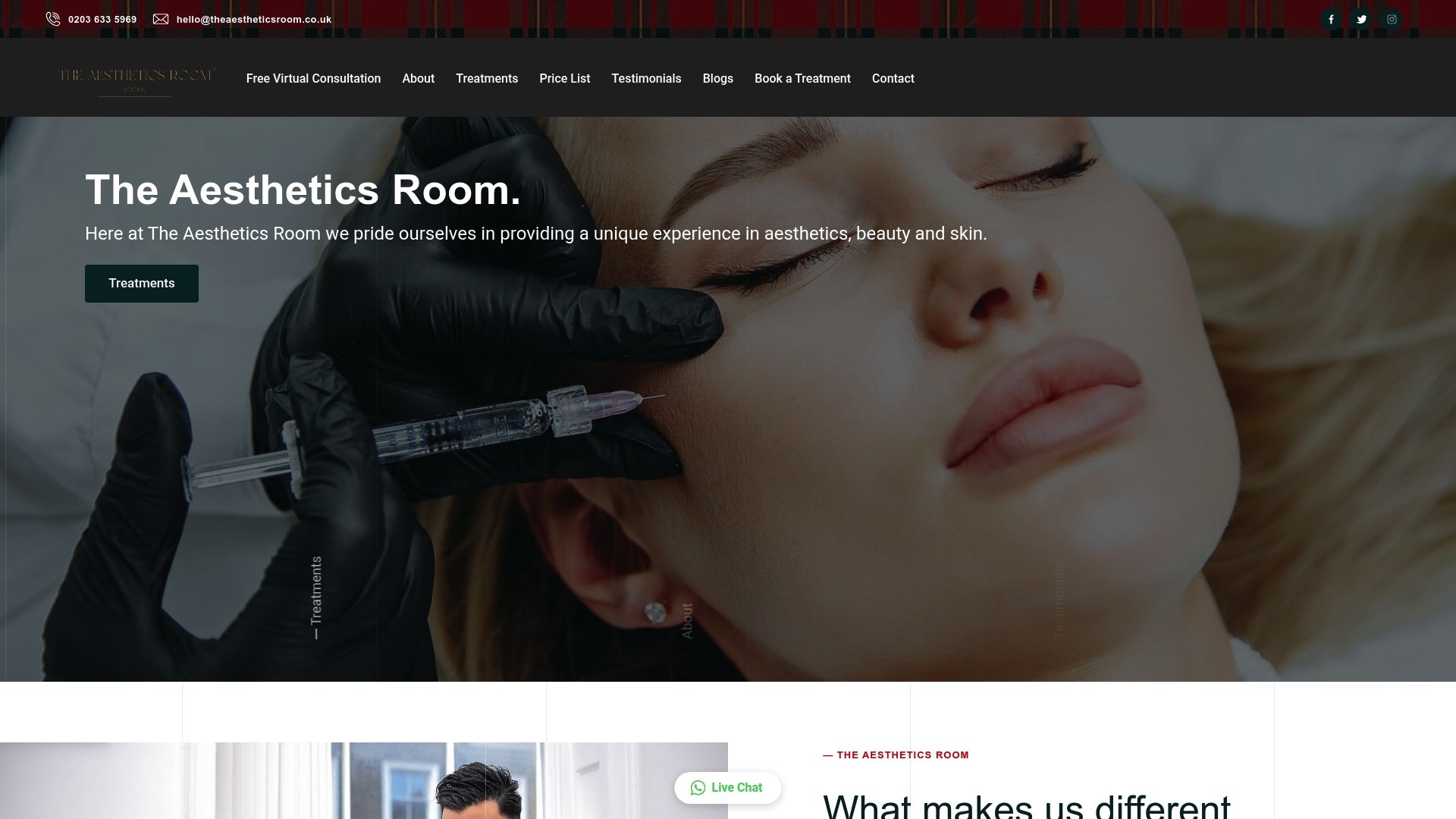
We specialize in non-invasive procedures including fat dissolving treatments that reshape your silhouette without surgery. Every consultation emphasizes personalized care, realistic outcome discussions, and comprehensive aftercare support. Our CQC accreditation and ACE Group membership demonstrate our commitment to your safety and satisfaction.
Book your consultation today to experience how premium aesthetics and medical excellence create transformative results you’ll love.
Frequently Asked Questions
What qualifications should I verify in cosmetic practitioners?
Confirm your practitioner holds relevant medical qualifications and current professional registration. In the UK, all cosmetic injectors must complete standardized training covering anatomy, injection techniques, and complication management regardless of their original medical background. Ask to see certificates and verify registration with bodies like the General Medical Council or Nursing and Midwifery Council.
How long is the recovery for common non-invasive treatments?
Botox requires just 24 to 48 hours with minimal visible side effects. Dermal fillers may cause slight swelling for two to seven days. Chemical peels range from three days for superficial treatments to two weeks for deeper options. Most patients return to work immediately or within a few days, with makeup covering any minor redness or bruising.
Are psychological assessments required before cosmetic procedures?
Yes, reputable practitioners conduct psychological suitability assessments during consultations. These discussions ensure you have realistic expectations, understand limitations, and are pursuing treatment for healthy reasons. Practitioners may decline to treat patients with unrealistic goals or underlying concerns that could lead to dissatisfaction regardless of technical results.
What should I expect during a consultation at a luxury London clinic?
Expect 30 to 60 minutes discussing your goals, medical history, and treatment options. Your practitioner will examine your features, explain realistic outcomes, and provide transparent cost breakdowns. You’ll receive detailed information about risks, recovery, and maintenance requirements. Quality clinics never pressure same-day decisions, instead encouraging you to reflect before proceeding.
How do I know if a clinic meets UK safety standards?
Verify CQC registration or equivalent accreditation through official websites. Ask about practitioner qualifications and how the clinic implements NatSSIPS protocols. Reputable practices willingly share safety credentials and explain their complication management procedures. Warning signs include reluctance to discuss qualifications, pressure tactics, or prices significantly below market rates.
Can I combine multiple procedures safely in one session?
Many non-invasive treatments combine safely when performed by experienced practitioners. Botox and fillers often occur in the same appointment addressing different facial areas. However, combining intensive procedures like deep chemical peels with laser treatments may increase complication risk. Your practitioner should create a phased treatment plan balancing effectiveness with safety, spacing intensive procedures appropriately.
Recommended
- Clinical vs Cosmetic Treatments: 85% Satisfaction Guide – The Aesthetics Room
- Top 6 Non-Surgical Face Lifts in 2026 for Londoners Seeking Gentle Rejuvenation and Safety – The Aesthetics Room
- Facial Contouring Explained: Safe London Enhancements – The Aesthetics Room
- Benefits of Preventative Aesthetics in London – The Aesthetics Room
- Refresh Your Life | Salzkammer – Refresh Your Life