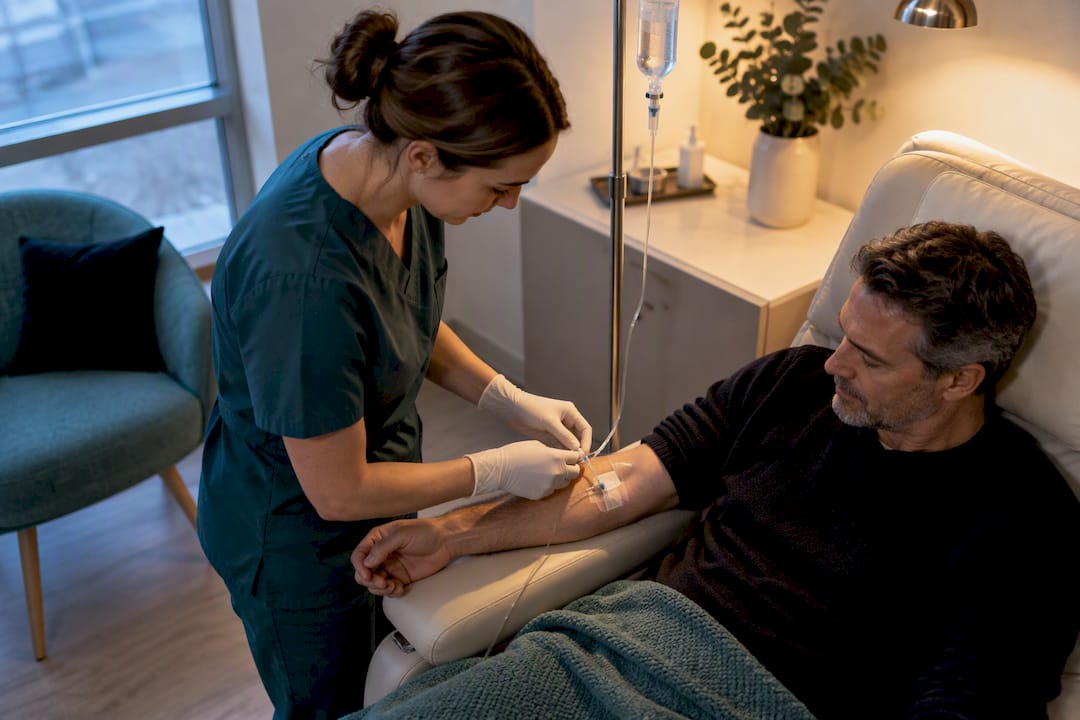


Many believe cosmetic treatments carry no risks simply because they enhance appearance rather than treat disease. This widespread assumption leads thousands of UK patients each year to make uninformed choices about anti-ageing treatments in London, potentially compromising both safety and satisfaction. Understanding the distinct regulatory frameworks, practitioner qualifications, and safety profiles between clinical and cosmetic treatments empowers you to navigate aesthetic options with confidence and achieve results that truly align with your goals.
Table of Contents
- Introduction To Clinical And Cosmetic Treatments
- Regulation And Practitioner Qualifications In The UK
- Safety Profiles And Risk Management
- Common Misconceptions About Clinical And Cosmetic Treatments
- Patient Outcomes And Personalized Care
- Choosing The Right Treatment: Practical Guidance
- Discover Expert Non-Invasive Aesthetic Treatments In London
- What Are The Key Differences Between Clinical And Cosmetic Treatments?
Key Takeaways
| Point | Details |
|---|---|
| Treatment purpose differs fundamentally | Clinical treatments address medical conditions while cosmetic procedures focus purely on aesthetic enhancement. |
| Regulation varies significantly | GMC and CQC oversee clinical treatments; CPSA governs cosmetic procedures with different qualification standards. |
| Safety depends on credentials | Qualified practitioners and accredited clinics reduce complication rates below 1% for non-invasive procedures. |
| Personalization drives satisfaction | Tailored treatments achieve 85% satisfaction rates compared to 60% for standard approaches. |
| Misconceptions create real risks | Believing cosmetic treatments are risk-free leads to 3% adverse effect rates without proper medical oversight. |
Introduction to Clinical and Cosmetic Treatments
The distinction between clinical and cosmetic treatments in the UK centres on intent, regulation, and medical necessity. Clinical treatments address health conditions or functional impairments under direct medical supervision. Examples include scar revision after injury or reconstructive work following surgery. These procedures require oversight from practitioners registered with the General Medical Council or Nursing and Midwifery Council.
Cosmetic treatments prioritize appearance enhancement without medical necessity. They range from Botox injections to dermal fillers, chemical peels, and laser skin rejuvenation. Clinical treatments focus on medical oversight and health-related outcomes, while cosmetic treatments prioritize aesthetic enhancement under safety regulations. The Cosmetic Practice Standards Authority establishes standards for practitioners offering these services.
Understanding this framework requires recognizing two axes: medical oversight versus invasiveness. A procedure can be non-invasive yet require clinical supervision, or minimally invasive yet fall under cosmetic regulation. Regulated clinics UK standards ensure both types maintain safety protocols.
Common non-invasive options for the 30-50 London demographic include:
- Anti-wrinkle injections addressing fine lines
- Dermal fillers restoring volume loss
- Skin rejuvenation treatments improving texture
- Fat dissolving procedures contouring specific areas
These treatments align with preventative aesthetics benefits by addressing early signs of aging before they become pronounced. The key difference lies not in technique but in regulatory pathway, practitioner qualifications, and treatment objectives.
Regulation and Practitioner Qualifications in the UK
The regulatory landscape governing aesthetic treatments in the UK creates crucial safety distinctions that directly impact your treatment outcomes. The General Medical Council registers doctors performing clinical aesthetic procedures, requiring completion of medical school, foundation training, and often specialized aesthetic qualifications. The Nursing and Midwifery Council oversees nurses and nurse prescribers who may administer certain treatments under medical protocols.
For cosmetic treatments, the Cosmetic Practice Standards Authority establishes voluntary standards that reputable clinics adopt. GMC mandates medical doctor oversight for certain clinical aesthetic procedures; cosmetic treatments are regulated by the Cosmetic Practice Standards Authority with differing qualification criteria. This distinction matters because practitioner training depth varies considerably.
Qualification requirements follow this hierarchy:
- Medical doctors must complete 5-6 years of medical school plus foundation training
- Nurse prescribers require nursing degrees plus additional prescribing qualifications
- Aesthetic nurses need core nursing training plus specialized aesthetic courses
- Cosmetic practitioners may complete shorter certification programs
Reputable clinics ensure medical practitioner qualifications UK standards by employing GMC-registered doctors or NMC-registered nurses. This approach provides medical oversight even for cosmetic procedures, significantly enhancing safety margins.
Informed consent plays a central role in both treatment types. A personalized aesthetic care impact study demonstrated that thorough consultation processes correlate with higher satisfaction and lower complication rates. Your practitioner should explain risks, benefits, alternatives, and expected outcomes in detail. This conversation forms the foundation of consent and safety in aesthetics, protecting both you and your provider.
Verifying practitioner credentials before treatment takes minutes but prevents potential complications. Check GMC or NMC registration online, confirm aesthetic-specific training, and ensure the clinic maintains appropriate insurance coverage.
Safety Profiles and Risk Management
Safety records differ substantially between properly regulated and unregulated aesthetic settings. Non-invasive aesthetic treatments in accredited UK clinics have complication rates below 1%, emphasizing safety with proper practitioner qualifications. This statistic reflects treatments performed by qualified practitioners in CQC-registered clinics following established protocols.

Complication rates correlate directly with three factors: practitioner qualification level, clinic accreditation status, and treatment complexity. A personalized care study found that individualized treatment planning reduced adverse events by 40% compared to standardized approaches.
| Treatment Type | Typical Downtime | Common Side Effects | Serious Complication Rate |
|---|---|---|---|
| Botox injections | None to 24 hours | Mild bruising, temporary headache | <0.5% with qualified practitioners |
| Dermal fillers | 24-48 hours | Swelling, redness at injection sites | <1% in accredited clinics |
| Chemical peels | 3-7 days | Flaking, temporary redness | <0.3% with proper protocols |
| Laser treatments | 1-3 days | Temporary discoloration | <0.8% when appropriately trained |
Recovery expectations for non-invasive procedures remain minimal. Most clients return to work immediately after clinical facials London or injectable treatments. More intensive procedures like deeper chemical peels may require several days of social downtime.
Before booking any treatment, verify these safety measures:
- Clinic holds current CQC registration
- Practitioner appears on GMC or NMC registers
- Facility maintains comprehensive insurance coverage
- Emergency protocols exist for managing complications
- Products used carry appropriate UK regulatory approval
Pro tip: Request to see practitioner registration certificates and clinic CQC inspection reports during your consultation. Reputable providers display these credentials proudly and welcome informed questions about aesthetics safety UK standards.
The medical aesthetics ethics framework emphasizes that safety extends beyond technical skill to encompass honest communication about realistic outcomes, appropriate patient selection, and refusing to perform treatments when contraindications exist.
Common Misconceptions About Clinical and Cosmetic Treatments
Several persistent myths compromise patient safety and satisfaction across the UK aesthetics industry. Addressing these misconceptions directly helps you make informed decisions about treatment options.
The belief that cosmetic treatments carry no risk represents the most dangerous fallacy. Many believe cosmetic treatments are risk-free, yet up to 3% of botulinum toxin cases experience adverse effects without proper medical oversight. These complications range from asymmetry and bruising to rare but serious vascular events requiring immediate medical intervention.
Another widespread misunderstanding equates clinical treatments exclusively with surgery or invasive procedures. Many clinical aesthetic treatments remain minimally invasive or non-surgical, including:
- Medical-grade skin peels addressing hyperpigmentation
- Prescription skincare for acne or rosacea
- Laser treatments for vascular lesions
- Injectable treatments under medical protocols
The assumption that any qualified practitioner can safely perform all aesthetic treatments creates significant risk. Qualification requirements differ substantially between treatment types and complexity levels. A practitioner certified for basic facials lacks the training necessary for injectable treatments or laser procedures.
“The single greatest factor in adverse aesthetic outcomes is not the treatment itself but the qualification gap between procedure complexity and practitioner training. Patients must verify that their provider’s credentials match the intervention’s demands.”
This expert perspective from importance of medical practitioners research highlights why checking credentials matters more than clinic ambiance or marketing promises.
Some clients believe clinical oversight is unnecessary for non-surgical treatments. This misconception ignores anatomy complexity, potential drug interactions, and complication management requirements. Medical practitioners bring diagnostic skills, pharmacology knowledge, and emergency response capabilities that non-medical providers cannot replicate.
Correcting these misunderstandings protects you from substandard care. Always prioritize practitioner qualifications and clinic accreditation over convenience or cost when selecting aesthetic treatments.
Patient Outcomes and Personalized Care
Treatment personalization transforms aesthetic outcomes from satisfactory to exceptional. Patient satisfaction rates exceed 85% when treatments are personalized, compared to 60% for standard procedures without tailoring. This 25-percentage-point difference reflects the impact of individualized treatment planning on both safety and aesthetic results.
Personalization begins with comprehensive consultation addressing your unique anatomy, skin characteristics, aesthetic goals, lifestyle factors, and medical history. Facial anatomy varies significantly between individuals. Muscle strength, fat distribution, skin thickness, and bone structure all influence how treatments perform and how results appear.
Key factors influencing treatment personalization include:
- Facial muscle dynamics affecting injectable placement
- Skin type determining appropriate laser settings
- Aging patterns guiding intervention timing
- Lifestyle factors impacting healing and maintenance
- Personal aesthetic preferences defining success parameters
Pro tip: During consultations, ask practitioners how they modify standard treatment protocols for individual patients. Detailed, specific answers indicate genuine personalization rather than one-size-fits-all approaches. Look for clinics emphasizing personalised care in aesthetics throughout their patient journey.
Follow-up appointments and medical monitoring optimize outcomes by allowing practitioners to assess healing, address concerns early, and adjust treatment plans based on your response. This iterative approach catches potential issues before they become problematic and refines techniques for subsequent sessions.
85% satisfaction with personalized aesthetic treatments versus 60% with standardized approaches
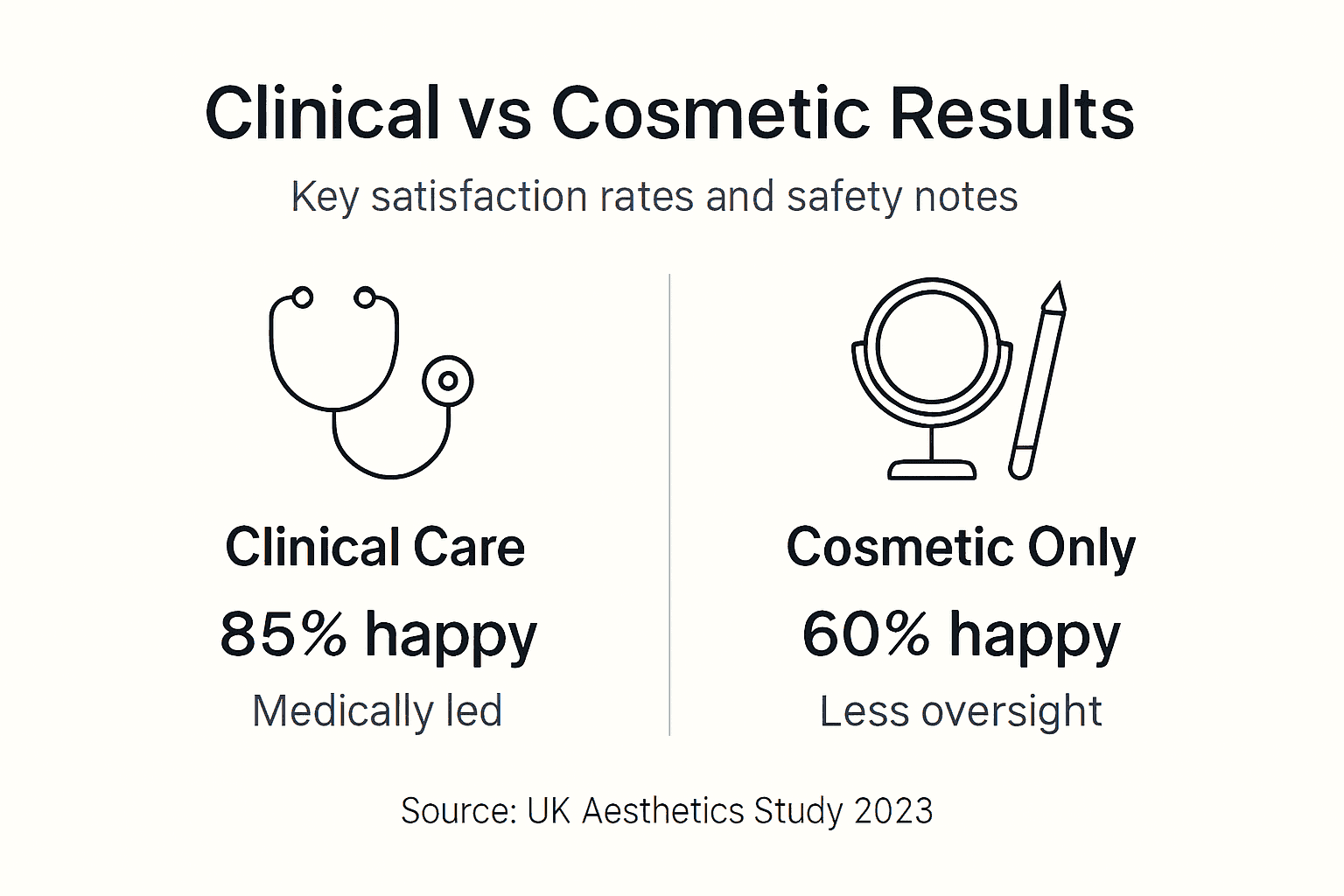
The satisfaction gap widens further when comparing outcomes between medically supervised personalized care and non-medical standardized treatments. Clients receiving individualized treatment plans from qualified practitioners report not only higher satisfaction but also fewer retreatments, lower complication rates, and more natural-looking results that enhance rather than alter appearance.
Personalization extends beyond technique to include realistic expectation setting. Practitioners should explain what treatments can and cannot achieve for your specific situation, recommend appropriate intervention timing, and design multi-treatment plans when single procedures cannot address your goals.
Choosing the Right Treatment: Practical Guidance
Selecting appropriate aesthetic treatments requires systematic evaluation of your goals, available options, and provider qualifications. Assessing aesthetic goals, verifying qualifications, understanding invasiveness, and choosing accredited clinics ensures safer, satisfactory treatment selection. Follow this framework to make informed decisions:
- Define your aesthetic goals with specificity rather than vague desires for improvement
- Research which treatment types address your concerns most effectively
- Verify practitioner registration with GMC, NMC, or recognized cosmetic bodies
- Confirm clinic accreditation through CQC registration checks
- Evaluate treatment invasiveness and realistic downtime against your schedule
- Review before and after photos of patients with similar characteristics
- Discuss alternative approaches and why practitioners recommend specific options
Practitioner credential verification takes minutes online. The GMC and NMC maintain searchable databases showing registration status, qualifications, and any restrictions. For cosmetic practitioners, request evidence of insurance coverage and specific training for proposed treatments.
Understanding invasiveness helps set realistic expectations. Non-invasive treatments like fat dissolving injections require multiple sessions but involve minimal downtime. More intensive procedures deliver dramatic results but demand longer recovery periods.
Clinic accreditation provides independent verification of safety standards. CQC-registered facilities undergo regular inspections assessing infection control, emergency preparedness, staff qualifications, and patient care protocols. This oversight protects you from substandard practices that marketing alone cannot reveal.
Your consultation should address contraindications, potential complications, realistic outcomes, treatment duration, maintenance requirements, and total cost including follow-up sessions. Practitioners who rush consultations or dismiss concerns fail to meet professional standards regardless of their qualifications.
Informed decisions balance multiple factors: safety profile, expected outcomes, recovery demands, financial investment, and long-term maintenance. Choosing treatments with confidence requires weighing these elements against your priorities and circumstances rather than following trends or responding to aggressive marketing.
Discover Expert Non-Invasive Aesthetic Treatments in London
The Aesthetics Room combines medical expertise with personalized care to deliver safe, effective aesthetic treatments in prestigious Knightsbridge, Harley Street, and Mayfair locations. Our CQC-registered clinic emphasizes patient safety through qualified medical practitioners, comprehensive consultations, and evidence-based treatment protocols tailored to your unique goals.
Explore our range of non-invasive options including Botox treatments for expression lines, dermal filler options restoring facial volume, and advanced skin rejuvenation addressing texture and tone concerns. Discover the benefits of Botox beyond wrinkle reduction, from confidence enhancement to preventative aging strategies. Our practitioners create bespoke treatment plans addressing your specific concerns while maintaining natural results that enhance rather than alter your appearance. Book a consultation to discuss how personalized aesthetic care can help you achieve your goals safely and effectively.
What Are the Key Differences Between Clinical and Cosmetic Treatments?
What makes a treatment clinical rather than cosmetic?
Clinical treatments address medical conditions or functional impairments under direct medical supervision by GMC-registered doctors or NMC-registered nurses. Cosmetic treatments focus on appearance enhancement without medical necessity, regulated by voluntary standards through bodies like CPSA.
Do cosmetic treatments really carry fewer risks than clinical procedures?
No, risk levels depend on treatment complexity, practitioner qualifications, and clinic standards rather than classification. Both treatment types require qualified practitioners and proper protocols to maintain complication rates below 1% in accredited settings.
How do I verify my practitioner is properly qualified?
Check GMC or NMC online registers for medical practitioners, confirm aesthetic-specific training, verify clinic CQC registration, and request evidence of professional insurance. Reputable providers welcome credential verification and display certificates openly.
Why does personalized care improve treatment outcomes?
Individualized treatment planning accounts for your unique anatomy, skin characteristics, healing patterns, and aesthetic goals, achieving 85% satisfaction rates compared to 60% for standardized approaches. Personalization optimizes both safety and aesthetic results.
Can non-invasive treatments deliver significant aesthetic improvements?
Yes, modern non-invasive treatments effectively address fine lines, volume loss, skin texture, and body contouring when performed by qualified practitioners using evidence-based protocols. Results develop gradually and appear natural when treatments match individual needs.
Should I choose clinical or cosmetic treatment for anti-aging goals?
Your choice depends on specific concerns, desired invasiveness level, and treatment goals rather than category. Consult qualified practitioners who assess your situation comprehensively and recommend appropriate options based on evidence and experience rather than treatment classification alone.
Recommended
- Aesthetic Treatments for Women: Enhancing Confidence in Knightsbridge – The Aesthetics Room
- Best Facial Treatments 2025 – Expert Comparison – The Aesthetics Room
- 7 Key Factors in Facial Treatment Comparison for Adults – The Aesthetics Room
- 7 Best Practices in Medical Aesthetics for Confidence – The Aesthetics Room
- Patient Reviews | NHS Accredited Ear Wax Removal | EARS Clinics
- Hur Du Väljer Tandläkare Med Trygghet Och Estetik