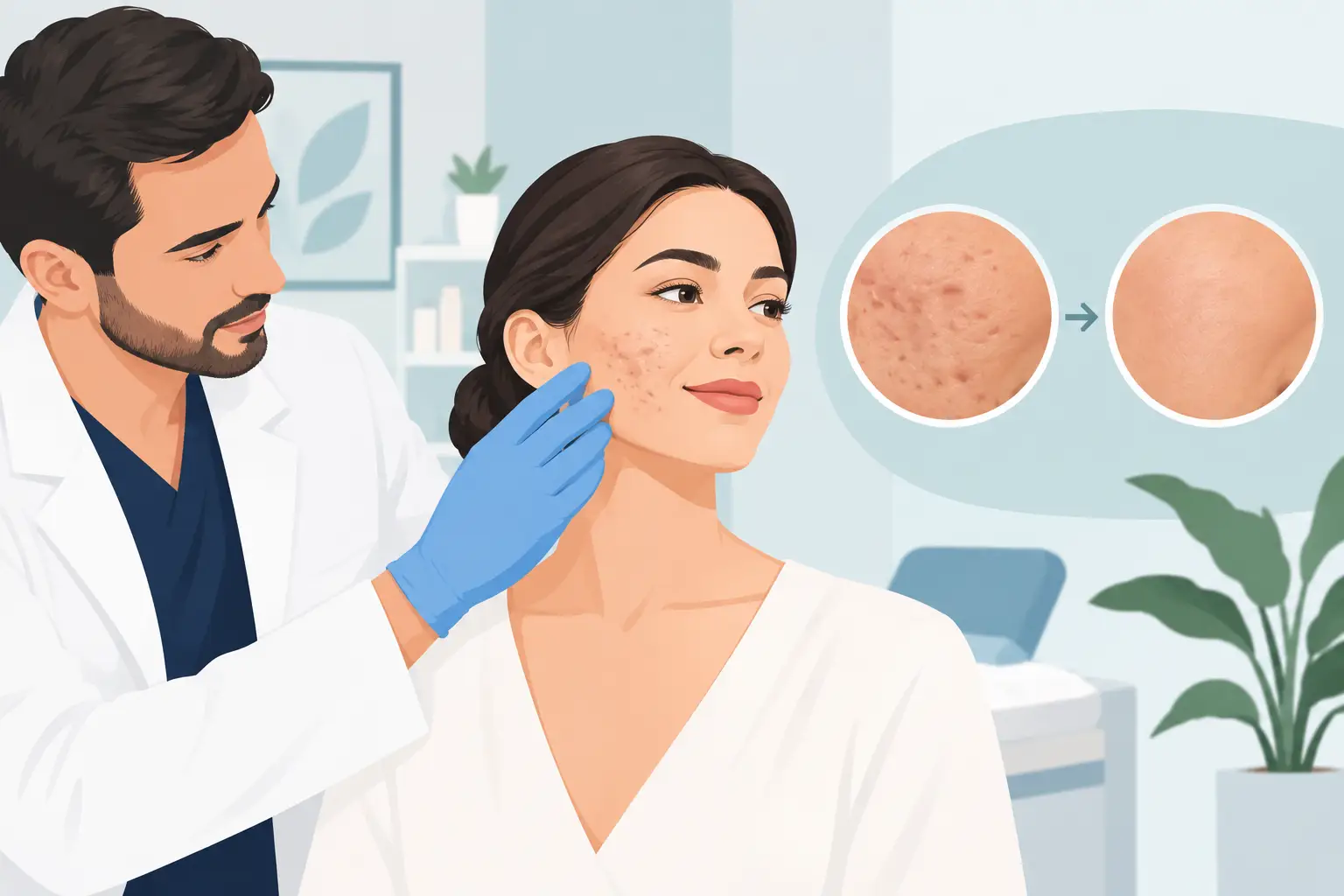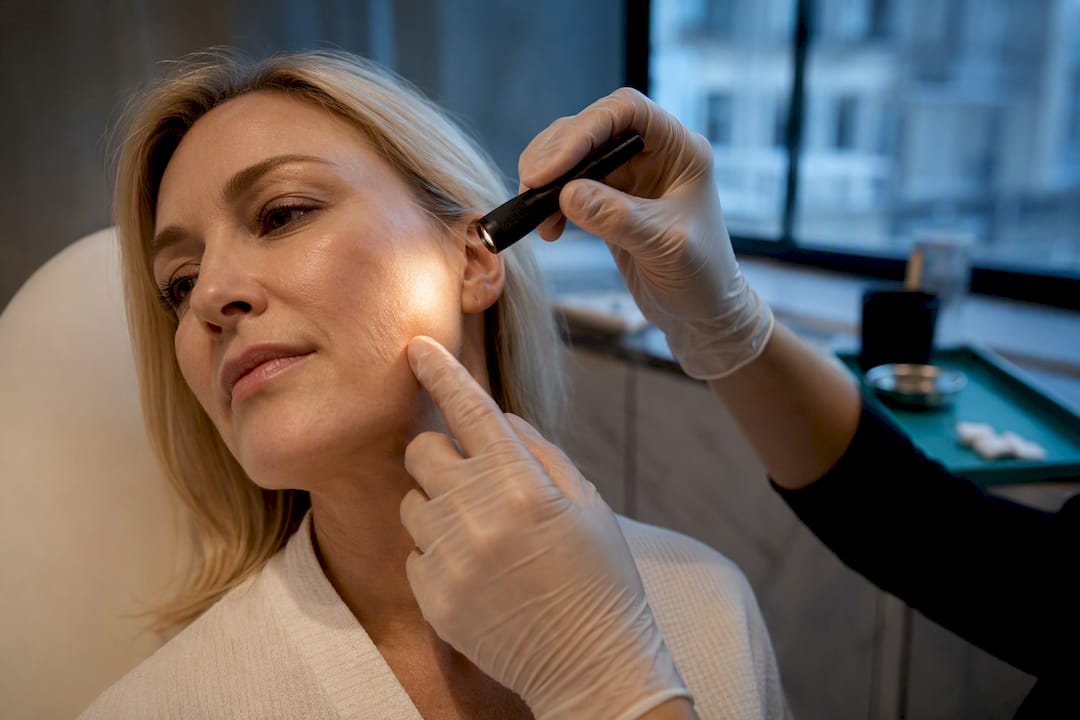


Most british adults will try at least three different skincare treatments before finding one that truly fits their needs. With so many facial options on the market, making sense of what works for your unique skin type can feel confusing. This guide breaks down everything from understanding your skin profile to evaluating treatment safety, helping you make confident, informed choices about your next step in facial aesthetics.
Table of Contents
- 1. Understand Your Skin Type And Concerns
- 2. Differences Between Non-Invasive And Invasive Options
- 3. Safety Standards And Practitioner Accreditation
- 4. Customisation And Personalised Treatment Plans
- 5. Evaluating Results: What To Expect Before And After
- 6. Cost Comparison And Long-Term Value
- 7. Booking Consultations For Informed Decisions
Quick Summary
| Takeaway | Explanation |
|---|---|
| 1. Know Your Skin Type | Understanding your skin type aids in effective treatment selection and addresses specific skin concerns. |
| 2. Choose Treatment Wisely | Non-invasive options have fewer risks and shorter recovery times compared to invasive procedures. |
| 3. Ensure Practitioner Accreditation | Verify the qualifications and credentials of any practitioner to ensure safety and quality of treatments. |
| 4. Personalise Your Treatment | A tailored approach based on thorough skin analysis leads to better treatment outcomes and satisfaction. |
| 5. Set Realistic Expectations | Understand potential results of treatments, including immediate and long-term effects, to guide your decisions. |
1. Understand Your Skin Type and Concerns
Understanding your unique skin type is the foundational step in selecting the most effective facial treatment. Skin is wonderfully complex and personal, ranging from oily and combination to sensitive and dry, with each type requiring specialised care and attention.
Identifying your skin type goes beyond simple surface observations. Professional skin analysis techniques help determine not just your basic skin category but also underlying concerns such as hydration levels, sensitivity, and potential vulnerability to environmental factors. The Scottish Qualifications Authority provides comprehensive guidelines for professional skin assessment techniques, which highlight the importance of a detailed, systematic approach.
To determine your skin type, consider key characteristics like oil production, moisture retention, and reactivity. Oily skin typically appears shiny and might be prone to breakouts, while dry skin often feels tight and may show visible flaking. Combination skin presents multiple characteristics across different facial zones, and sensitive skin tends to react quickly to environmental triggers or skincare products.
Key Skin Type Indicators:
- Texture and appearance of pores
- Oil production throughout the day
- How your skin responds to different environmental conditions
- Frequency and type of skin reactions
Professional tip: Schedule a professional skin consultation to receive a precise, expert assessment of your unique skin profile. Trained aestheticians can provide insights that go far beyond home observations, helping you develop a targeted skincare strategy.
Practical Insight: Understanding the nuanced differences between dry and dehydrated skin can significantly improve your treatment selection and overall skincare approach.
Pro Tip: Conduct a simple at home skin assessment by observing your skin’s behaviour after cleansing to determine its baseline characteristics and potential treatment needs.
2. Differences Between Non-Invasive and Invasive Options
Navigating the world of aesthetic treatments requires understanding the critical distinctions between non-invasive and invasive procedures. These approaches represent fundamentally different strategies for addressing skin concerns and achieving aesthetic goals.
Non-invasive treatments represent a gentler approach to skin rejuvenation, focusing on surface level improvements without surgical intervention. Recent parliamentary research highlights the growing regulatory landscape surrounding these procedures, emphasising their increasing popularity and accessibility.
Non-Invasive Treatment Characteristics:
- Minimal recovery time
- No surgical incisions
- Lower risk of complications
- Typically more affordable
- Includes treatments like chemical peels, microdermabrasion, and injectable treatments
Invasive Treatment Characteristics:
- Surgical procedures requiring incisions
- Longer recovery periods
- More significant potential risks
- More dramatic and long-lasting results
- Includes surgical facelifts, implants, and extensive reconstructive procedures
The Journal of Aesthetic Nursing explores emerging non-invasive techniques that offer remarkable skin improvements with minimal intervention. These treatments leverage advanced technologies to stimulate collagen production, reduce fine lines, and enhance overall skin texture without the risks associated with surgical approaches.
Choosing between non-invasive and invasive options depends on multiple factors including skin condition, personal aesthetic goals, recovery time availability, and individual health considerations. Consulting with a professional aesthetician can help determine the most appropriate treatment pathway for your specific needs.
Pro Tip: Always request comprehensive medical consultations that discuss potential risks, expected outcomes, and long-term implications before selecting any aesthetic treatment.
3. Safety Standards and Practitioner Accreditation
The aesthetic treatment landscape demands rigorous safety standards and comprehensive practitioner accreditation to protect patient wellbeing. Understanding the nuanced requirements for professional qualifications is crucial for anyone considering facial treatments.
UK Parliamentary research highlights significant concerns about the lack of standardised regulation in cosmetic procedures, underscoring the importance of thorough practitioner verification. Not all aesthetic professionals possess equivalent training or expertise, making careful selection paramount.
Key Accreditation Considerations:
- Medical professional qualifications
- Specialised aesthetic treatment certifications
- Ongoing professional development evidence
- Registration with professional regulatory bodies
- Documented clinical experience
Critical Safety Evaluation Criteria:
- Verified professional credentials
- Comprehensive insurance coverage
- Documented treatment protocols
- Clear consent and consultation processes
- Transparent risk management strategies
Professional guidance from Marie Claire UK emphasises the critical distinction between treatments suitable for aestheticians and those requiring medical professionals. Some procedures demand advanced medical training, while others can be safely performed by certified aesthetic practitioners.
Patients should request comprehensive documentation of a practitioner’s qualifications, including academic credentials, specialist training certificates, and professional memberships. Reputable clinics will readily provide transparent information about their practitioners’ backgrounds and expertise.
Pro Tip: Request a detailed consultation that includes reviewing the practitioner’s professional portfolio, including their specific qualifications, years of experience, and specialisation in your desired treatment area.
4. Customisation and Personalised Treatment Plans
Personalised facial treatments represent the pinnacle of modern aesthetic care, moving far beyond the traditional onesize approach. Each individual’s skin tells a unique story, demanding a treatment strategy as distinctive as a fingerprint.
Core Principles of Personalisation:
- Comprehensive skin analysis
- Detailed medical history review
- Individual lifestyle factor assessment
- Targeted treatment recommendation
- Adaptive treatment protocols
Recent technological advancements are transforming personalised skincare. Emerging research demonstrates sophisticated AI assisted recommendation systems that can analyse individual skin characteristics with unprecedented precision, enabling practitioners to develop highly targeted treatment plans.
Personalisation begins with an exhaustive consultation process that explores more than surface level concerns. Practitioners examine genetic predispositions, environmental exposures, hormonal influences, stress levels, and specific skin challenges to craft a nuanced treatment approach.
Personalisation Diagnostic Factors:
- Genetic skin characteristics
- Hormonal balance
- Stress and lifestyle impacts
- Environmental exposure
- Specific skin condition complexities
Modern aesthetic medicine recognises that effective treatment requires understanding the intricate interplay between physiological factors and external influences. Your skin’s needs are dynamically influenced by age, diet, hydration, sleep patterns, and overall health.
Pro Tip: Request a comprehensive skin diagnostic assessment that explores your unique physiological landscape, ensuring your treatment plan addresses both immediate concerns and long term skin health objectives.
5. Evaluating Results: What to Expect Before and After
Understanding the transformation journey of facial treatments requires realistic expectations and comprehensive knowledge about potential outcomes. Each treatment offers unique results that evolve through immediate, short term, and long term phases.
The Journal of Aesthetic Nursing provides crucial insights into the nuanced progression of aesthetic treatments, emphasising the importance of patient education.
Immediate Result Expectations:
- Initial skin hydration
- Temporary reduction in fine lines
- Mild skin brightness
- Potential minor inflammation
- Subtle skin texture improvements
Long Term Result Progression:
- Gradual collagen regeneration
- Progressive skin tone evenness
- Sustained reduction of wrinkles
- Enhanced skin elasticity
- Cumulative treatment benefits
Non invasive skin treatment research highlights that individual responses vary significantly based on age, skin condition, and treatment specificity. Factors like genetics, lifestyle, and adherence to post treatment care dramatically influence final outcomes.
Patients should maintain open communication with their practitioner, documenting progress through photographs and regular consultations. Tracking subtle changes helps understand the treatment’s effectiveness and guides potential future interventions.
Pro Tip: Schedule a comprehensive follow up consultation two weeks post treatment to professionally assess and document your skin’s response, enabling precise tracking of your aesthetic transformation.
6. Cost Comparison and Long-Term Value
Navigating the financial landscape of aesthetic treatments requires a nuanced understanding of immediate costs versus long term investment in skin health. Selecting the right treatment is not merely about the initial price point but understanding the comprehensive value proposition.
Comparative research on non invasive skin treatments reveals critical insights into cost effectiveness and potential long term benefits of modern aesthetic approaches.
Financial Considerations for Treatments:
- Initial procedure costs
- Potential maintenance expenses
- Recovery and aftercare expenditures
- Long term skin health benefits
- Comparative value across treatment types
Value Assessment Factors:
- Durability of treatment results
- Minimal recovery time
- Reduced risk of complications
- Potential prevention of future skin interventions
- Psychological benefits of improved appearance
Non invasive treatments often present a more economical approach compared to surgical alternatives. They typically require fewer financial resources, minimal downtime, and offer progressive improvements that can be more sustainable over time.
Patients should consider treatments as an investment in skin health rather than a singular expense. The cumulative benefits of consistent, targeted aesthetic care can potentially reduce future medical skincare expenditures.
Pro Tip: Request a comprehensive cost breakdown during your initial consultation, including potential follow up treatments and maintenance protocols to develop a realistic financial strategy for your aesthetic journey.
7. Booking Consultations for Informed Decisions
A comprehensive consultation serves as the cornerstone of any successful aesthetic treatment journey, transforming uncertainty into a pathway of personalised skin transformation. This initial interaction provides a critical opportunity to align your aesthetic aspirations with professional expertise.
Consultation Preparation Checklist:
- Medical history documentation
- Current skincare routine overview
- Specific treatment goals
- Photographic skin assessment
- List of existing medical conditions
- Current medication details
Expert skincare consultation approaches emphasise the importance of transparent communication and comprehensive information gathering. Modern aesthetic clinics offer multiple consultation formats to accommodate diverse patient needs and preferences.
Consultation Format Options:
- In person clinical assessment
- Virtual video consultations
- Comprehensive written evaluations
- Interactive digital skin analysis
- Hybrid consultation models
Effective consultations go beyond surface level discussions. They involve detailed exploration of your unique physiological characteristics, lifestyle influences, and specific aesthetic objectives. Practitioners will assess your skin’s current condition, discuss potential treatment pathways, and develop a tailored strategy aligned with your individual requirements.
Key Consultation Objectives:
- Establish precise treatment goals
- Understand potential risks and outcomes
- Develop personalised treatment strategy
- Create realistic expectation framework
- Build trust with healthcare professional
Pro Tip: Prepare a comprehensive list of questions and concerns before your consultation, ensuring you extract maximum value from this pivotal interaction with your aesthetic professional.
Below is a comprehensive table summarising the detailed insights and strategies presented throughout the article regarding facial treatments and skincare considerations.
| Topic | Description | Key Considerations |
|---|---|---|
| Skin Type Understanding | Importance of identifying unique skin types for effective care. | Professional consultations recommended; home assessments as preliminary step. |
| Non-Invasive vs. Invasive | Distinction and characteristics of treatment types. | Factors like recovery time, personal goals, and risks must guide choice. |
| Safety and Accreditation | Significance of practitioners’ qualifications and safety protocols. | Verify professional credentials and experience; request detailed credentials. |
| Personalised Treatments | Customisation based on individual needs and advanced technology. | Requires comprehensive analysis of lifestyle and genetic factors. |
| Evaluating Results | Expectations and result progression post-treatment. | Regular follow-ups and consultations to monitor progress. |
| Cost and Value | Understanding the long-term investment of treatments. | Consider both immediate costs and cumulative benefits over time. |
| Consultation Essentials | Preparing for a successful aesthetic consultation. | Document medical history; define goals and ask relevant questions. |
Discover Your Perfect Facial Treatment with Expert Guidance at The Aesthetics Room
Choosing the right facial treatment can feel overwhelming with so many options and factors to consider such as skin type, safety standards, and personalised plans. We understand the challenge you face in navigating between non-invasive and invasive choices while seeking treatments that truly enhance your natural beauty with minimal risk and lasting results.
At The Aesthetics Room, we specialise in creating bespoke treatment journeys tailored to your unique skin concerns and aesthetic goals. Whether you want to reduce fine lines with our expertly delivered Anti Wrinkle options or rejuvenate your complexion through advanced Skin Treatments, our highly trained practitioners prioritise your safety and satisfaction every step of the way.
Take the first step towards confident, radiant skin by booking a personalised consultation at The Aesthetics Room. Our experienced team will provide a comprehensive skin analysis and recommend tailored solutions from our range of Advanced Injectables. Start your aesthetic transformation in London’s most trusted medical aesthetics clinic with appointments available both online and in person. Do not wait to invest in your skin’s future and discover the difference professional care can make.
Frequently Asked Questions
How can I determine my skin type for facial treatments?
Understanding your skin type is essential for selecting the right facial treatment. To determine your skin type, observe characteristics such as oil production, moisture retention, and sensitivity after cleansing. Schedule a professional skin consultation to get a detailed analysis tailored to your unique needs.
What are the differences between non-invasive and invasive facial treatments?
Non-invasive treatments focus on surface-level improvements and carry minimal risks, while invasive procedures involve surgery and longer recovery times. Evaluate your skin condition, aesthetic goals, and willingness for downtime to decide which option best suits your needs. Consider starting with non-invasive options to gauge results before moving to more intensive treatments.
What should I look for in an accredited practitioner for facial treatments?
When selecting a practitioner, ensure they have verified medical qualifications, specialised training in aesthetic treatments, and documentation of their clinical experience. Request detailed information about their credentials and past patient results before proceeding with any treatment.
How do personalised treatment plans improve facial care outcomes?
Personalised treatment plans are tailored to your unique skin characteristics and lifestyle factors, offering more effective outcomes compared to standard approaches. During your consultation, discuss your specific skin concerns and treatment goals to develop a plan that addresses both immediate and long-term needs. This tailored approach can enhance skin health and appearance significantly over time.
What results can I expect from facial treatments, and how should I evaluate them?
Results from facial treatments vary by procedure but typically include immediate improvements followed by long-term benefits like enhanced elasticity and reduced wrinkles. Schedule follow-up consultations to track your progress and document changes through photographs, ensuring you are on the right path for your aesthetic goals. Aim for visible improvements within a few weeks after treatment.
How can I prepare for a consultation about facial treatments?
Prepare for your consultation by compiling your medical history, current skincare routine, and specific treatment goals. Make a list of questions and any existing skin conditions to discuss with your practitioner. This preparation will help ensure a thorough evaluation and clear understanding of recommended treatment options.
Recommended
- Specialised Skin Treatments for Various Demographics – The Aesthetics Room
- Botox Tutorial For Men | Botox Injection Patterns | Forehead, Corrugators & Crows Feet – The Aesthetics Room
- Skin Treatments – The Aesthetics Room
- Price List – The Aesthetics Room
- Salon-Quality at Home: At-Home Beauty Devices vs Professional Salon Tr – Elyssera
- 7 Steps to a Smart Cosmetic Ingredients Checklist for Women 40+ – Luméra Cosmetica