

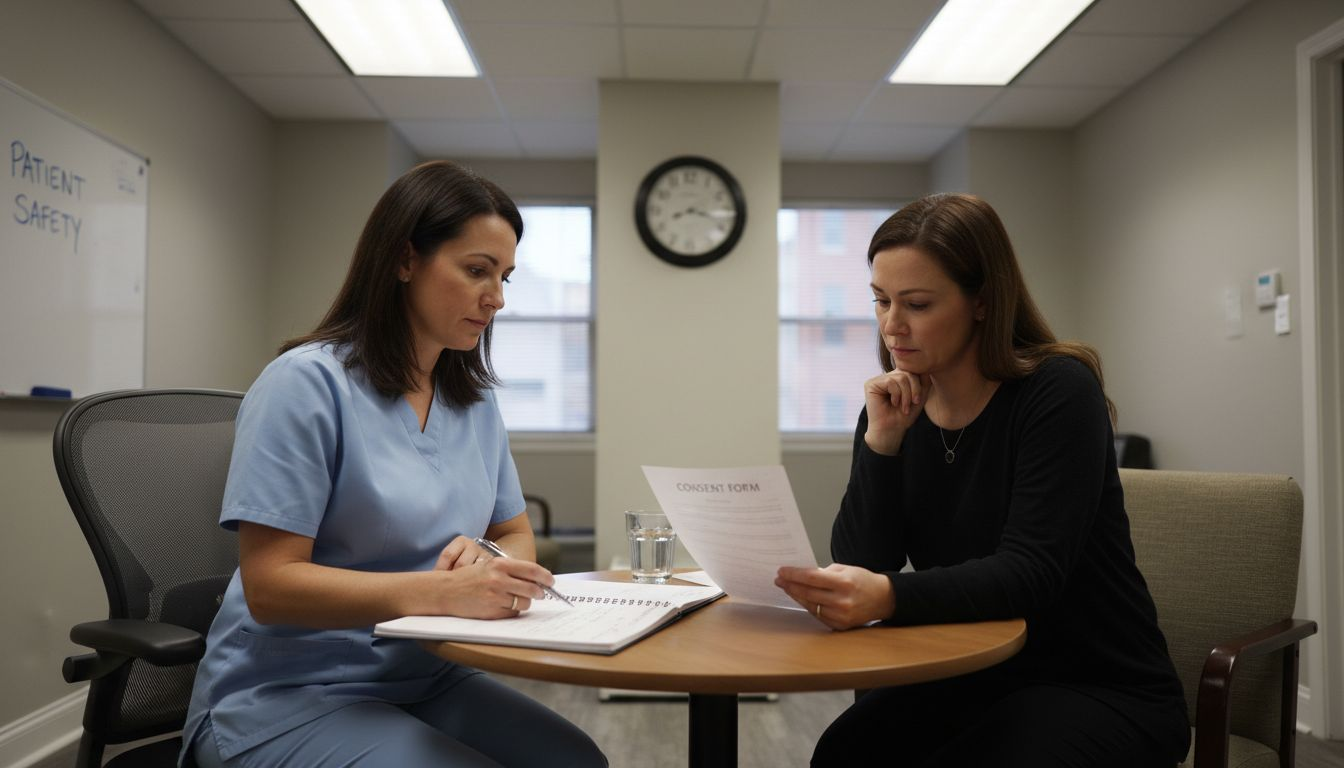

Booking an aesthetic treatment in London often means trusting your appearance to someone else. Consent is more than paperwork—it is a genuine conversation about risks, benefits, and choices. For women considering cosmetic enhancements, understanding the details behind informed consent protects your well-being and legal rights. This article explains how the consent process works, what elements matter most, and how proper communication safeguards your confidence and safety before any treatment.
Table of Contents
- Defining Consent In Aesthetic Procedures
- Legal And Ethical Standards In The UK
- Consent Process: Steps And Best Practice
- Risks Of Inadequate Consent And Patient Rights
- Effective Communication And Preventing Disputes
Key Takeaways
| Point | Details |
|---|---|
| Informed Consent is Essential | Consent involves a meaningful conversation about treatment risks, expected outcomes, and aftercare requirements prior to any procedure. |
| Legal Obligations in the UK | Practitioners must comply with specific legal standards for consent, including providing clear information and adequate reflection time before treatment. |
| Patient Rights Must Be Respected | Patients have the right to full information, the ability to refuse treatment, and access to their consent documentation. |
| Effective Communication Prevents Disputes | Open dialogue, personalised explanations, and thorough documentation are vital to ensuring understanding and mitigating misunderstandings between patients and practitioners. |
Defining Consent in Aesthetic Procedures
Consent in aesthetic medicine isn’t simply signing a form and moving forward. It’s a conversation that ensures you understand exactly what’s happening to your face and body. This matters because aesthetic treatments carry real risks, and you deserve clarity before proceeding.
At its core, informed consent means you receive honest, complete information about your chosen treatment. You learn what the procedure involves, what results you can realistically expect, and what could go wrong. The practitioner explains this clearly, answers your questions, and confirms you understand before any needles or lasers come near your skin.
Each aesthetic treatment presents different considerations. A dermal filler treatment differs vastly from Botox, which differs from skin rejuvenation therapies. Consent forms should be tailored specifically to each procedure, addressing its unique risks and complexity rather than using generic documents.
Your consent should cover these essential elements:
- The specific treatment name and what it does
- Expected results and realistic timelines
- Potential risks and side effects
- Recovery period and activity restrictions
- Cost and payment terms
- Aftercare requirements for optimal results
- Your practitioner’s qualifications and experience
The conversation matters more than the paperwork. A thorough consultation—not a rushed ten-minute chat—gives you time to ask questions and absorb information. You need space to express concerns without feeling pressured.
Consent also protects you legally. When you sign a properly completed consent form after meaningful discussion, you’re documenting that you made an informed choice. This protects both you and your aesthetic practitioner. The practitioner can’t claim you agreed to something you didn’t, and you’ve confirmed understanding of the treatment plan.
When clinicians discuss the consultation’s role in ensuring safety, they’re describing this exact process. Without proper consultation, consent becomes meaningless—it’s just a signature.
Your practitioner should never rush you through consent. Red flags include vague explanations, dismissing your concerns, or pushing you to decide immediately. Quality aesthetics providers, particularly those accredited with proper safety standards, take time to ensure genuine understanding.
Meaningful consent requires a genuine conversation between you and your practitioner—not merely a form to sign before treatment begins.
Pro tip: _Bring a trusted friend to your consultation if possible, and ask your practitioner to explain risks in plain language. If they use jargon you don’t understand, ask them to clarify until it makes sense to you.
Legal and Ethical Standards in the UK
In the United Kingdom, aesthetic treatment consent isn’t just good practice—it’s a legal obligation. The regulatory framework governing aesthetic procedures creates clear responsibilities for practitioners and clear protections for patients like you.
The General Medical Council (GMC) and professional bodies including the Joint Council for Cosmetic Practitioners set specific standards for how consent must happen. These aren’t suggestions. They’re enforceable requirements that define what constitutes proper informed consent.
UK law requires informed consent obtained preferably in person, supported by clear documentation. This means your practitioner must discuss treatment face-to-face whenever possible, not through email or a hurried phone call. The documentation protects you both by creating a record of what was discussed and agreed.
Key legal requirements include:
- Explaining all material risks specific to your chosen procedure
- Giving you adequate time to reflect before deciding
- Obtaining written consent that matches your verbal discussion
- Documenting your practitioner’s qualifications and experience
- Ensuring you understand alternatives to treatment
- Recording any questions you asked and how they were answered
The Keogh Report, which reviewed aesthetic procedure safety across the UK, emphasised that practitioners must recognize your autonomy as a patient. This means you have the right to refuse treatment, ask for a second opinion, or change your mind.
Professional standards from governing bodies explicitly require practitioners to communicate risks thoroughly and maintain patient safety above commercial interests. If your practitioner seems more focused on selling you a treatment than explaining its risks, that’s a red flag.
For high-risk or invasive procedures like fat-dissolving injections or advanced skin rejuvenation, the legal expectations around consent become even stricter. Your practitioner must document more thoroughly and give you more time to consider.
UK law protects your right to full information and genuine choice—not just a signature on a form.
At The Aesthetics Room, we’re accredited with the CQC and committed to these standards. We take consent seriously because your safety and informed decision-making matter more than any single treatment.
Pro tip: Ask your practitioner to provide you with a copy of your signed consent form before leaving the clinic, and keep it safely at home as your own record of the agreed treatment plan.
Consent Process: Steps and Best Practice
A proper consent process isn’t a single moment—it’s a structured conversation that unfolds over time. Understanding these steps helps you recognise whether your practitioner is doing this properly and gives you confidence in your decision.
The process starts before any treatment discussion. Your practitioner must first check that you have capacity to consent. This means you’re mentally able to understand the information, retain it, weigh it, and communicate your decision. If you’re under the influence of substances or severely unwell, consent can’t happen that day.

Next comes the detailed conversation. Your practitioner should explain the purpose of your chosen treatment in plain language, not medical jargon. They discuss what the procedure actually involves, what realistic results look like, and crucially, what could go wrong specific to your skin type and situation.
You deserve time to think. Best practices require avoiding rushed consent immediately before treatment, so the conversation shouldn’t happen in the waiting room five minutes before needles appear. Quality clinics schedule consultation and treatment as separate appointments.
The steps should follow this pattern:
- Initial consultation to discuss your goals and medical history
- Detailed explanation of the specific procedure and its risks
- Discussion of alternatives and what happens if you do nothing
- Time to ask questions without pressure
- Opportunity to reflect (ideally several days)
- Written consent form signed only when you’re ready
- Final confirmation on treatment day before proceeding
Proper documentation matters legally and ethically. Effective consent processes require thorough documentation of discussions covering purpose, risks, benefits, and alternatives. Your practitioner should record what was discussed, any concerns you raised, and how those concerns were addressed.
Red flags to watch for include practitioners who pressure you to decide immediately, avoid discussing risks, or won’t provide written documentation. Professional clinics never rush this process.
The consent conversation should feel unhurried and genuinely focused on your understanding and safety, not on closing a sale.
A cooling-off period between consultation and treatment is best practice. This gives your subconscious time to surface any remaining doubts. If something feels uncertain, you should feel completely comfortable delaying treatment.
Pro tip: Write down your key questions before your consultation appointment, and don’t hesitate to ask your practitioner to explain anything twice if needed—genuine professionals expect this and welcome it.
Here’s how the consent process compares when done properly versus inadequately:
| Aspect | Proper Consent Process | Inadequate Consent Process |
|---|---|---|
| Information Provided | Clear and thorough | Vague or incomplete |
| Patient Involvement | Encouraged and respected | Minimized or ignored |
| Timing | Ample reflection time given | Rushed before treatment |
| Communication Style | Plain language, answers welcomed | Jargon or evasive responses |
| Legal Security | Strong for both patient and practitioner | Increased risk of disputes |
| Outcome for Patient | Informed, empowered decision | Higher risk of regret or harm |
Risks of Inadequate Consent and Patient Rights
When consent goes wrong, the consequences extend far beyond disappointment with results. Inadequate consent creates serious legal, ethical, and safety problems for both patients and practitioners. Understanding these risks helps you recognise when your rights aren’t being properly protected.
The most obvious risk is legal liability. If a practitioner performs treatment without obtaining valid consent, they’ve potentially committed a breach of duty. Inadequate consent can lead to negligence claims if patients aren’t fully informed of material risks, and courts take this seriously when assessing damages.
Beyond negligence, there’s the issue of assault. Legally, any treatment performed without consent constitutes assault, regardless of whether it was well-executed. This applies even if results were excellent—consent itself is the critical issue, not outcome quality.
You have fundamental patient rights that must be respected:
- Right to full information about risks, benefits, and alternatives
- Right to take time before deciding without pressure
- Right to refuse treatment entirely
- Right to withdraw consent at any point
- Right to access your medical records and consent documentation
- Right to lodge complaints if your consent wasn’t properly obtained
Failure to obtain valid consent undermines patient autonomy and trust, creating a relationship built on shaky ground. Even if treatment succeeds aesthetically, you’ll question whether you truly agreed to it.
Patient safety suffers when consent is inadequate. Without thorough discussion of risks, you won’t recognise warning signs during recovery. You won’t know what aftercare to follow. You might not understand which side effects are normal versus concerning.
Inadequate consent often indicates other problems. Clinics that rush consent typically rush other aspects of care too. They’re prioritising speed and sales over your safety.
Your right to informed consent isn’t a formality—it’s the foundation of safe, ethical aesthetic treatment.
If you feel your consent wasn’t properly obtained, you can lodge complaints with the CQC, the GMC, or professional aesthetic bodies. You can seek legal advice about compensation. Don’t accept pressure or vague explanations.
Pro tip: If any practitioner makes you feel uncomfortable discussing risks or pressures you to decide quickly, trust that instinct and seek a second opinion from another clinic before proceeding.
Effective Communication and Preventing Disputes
Most disputes between patients and aesthetic practitioners stem from communication breakdowns, not treatment failures. When conversations are clear, honest, and thorough, conflicts rarely develop. Learning what effective communication looks like protects you from misunderstandings.
Effective consent conversations share common characteristics. Your practitioner speaks in language you actually understand, not medical terminology designed to impress. They invite questions actively and answer them patiently, never dismissing your concerns as trivial.
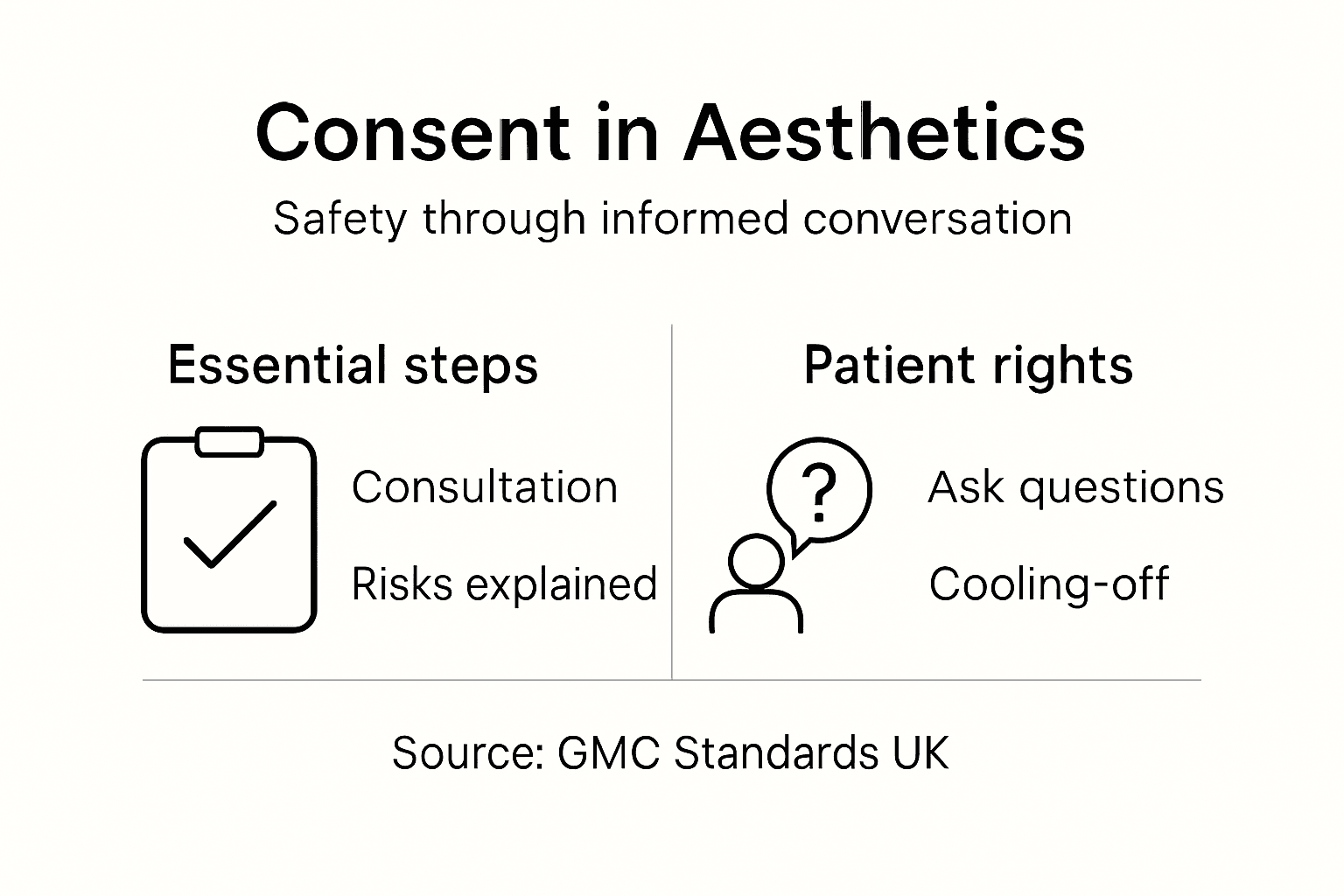
Clear, personalised communication is fundamental to effective consent and critical to preventing disputes. This means your practitioner tailors the risk discussion specifically to your skin, medical history, and aesthetic goals—not giving everyone the same generic speech.
During your consultation, a good practitioner should:
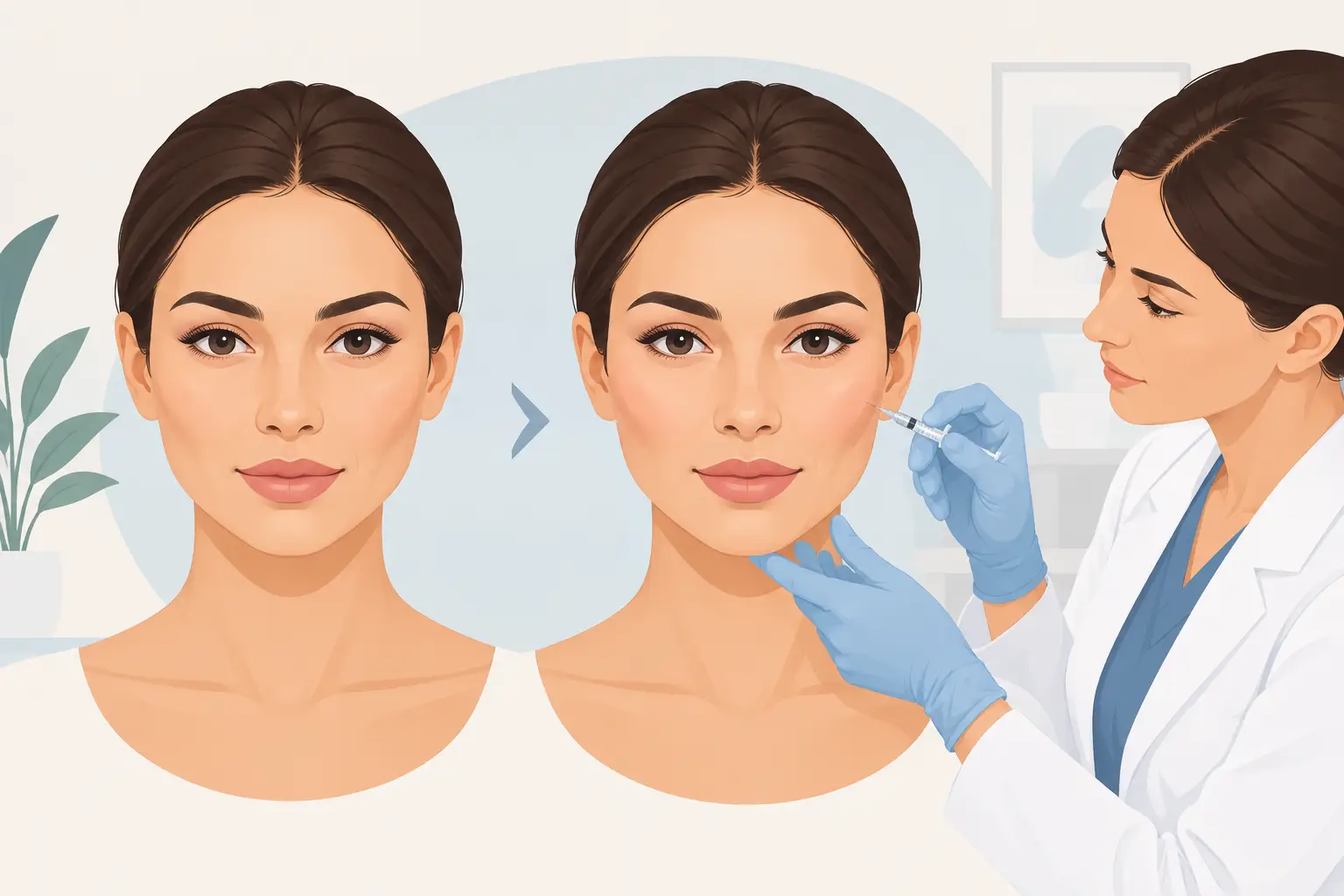
- Explain what they’ll do in simple, visual terms
- Discuss realistic timelines and when you’ll see results
- Describe specific risks relevant to your skin type
- Show before-and-after photos honestly (not cherry-picked examples)
- Discuss costs, including potential touch-ups or complications
- Confirm your understanding by asking you to explain what you’ve learned back to them
Treating consent as an ongoing conversation rather than a mere formality ensures patients feel respected and involved, which reduces disputes significantly. This approach builds trust naturally.
Proper documentation protects everyone. Your practitioner should keep detailed notes of what was discussed, questions you asked, and concerns they addressed. You should receive a copy of your signed consent form. These records become invaluable if misunderstandings later arise.
Red flags indicating poor communication include vague answers, dismissiveness about your questions, or pressure tactics. Quality practitioners welcome scrutiny because they have nothing to hide.
Open dialogue during consent prevents most disputes before they start—it’s the simplest, most effective safeguard available.
If your practitioner avoids discussing risks, changes their story between consultations, or makes promises that sound too perfect, these are warning signs. Walk away.
At The Aesthetics Room, every consultation prioritises this two-way conversation. Your concerns matter. Your understanding matters. Your comfort with the plan matters more than any single treatment.
Pro tip: Bring a notebook to your consultation and jot down key points as they’re discussed—this helps you remember details later and signals to your practitioner that you’re taking this seriously.
This table gives an overview of the key roles of effective communication in preventing disputes:
| Communication Feature | Purpose | Benefit for Patient |
|---|---|---|
| Personalised Explanations | Tailor risks to individual needs | Feel respected and understood |
| Open Questions | Encourage clarification | Address all concerns directly |
| Honest Outcome Discussion | Set realistic expectations | Reduces future surprises |
| Documentation Provided | Record the conversation | Reference if disagreements arise |
Prioritise Your Safety with Informed Consent at The Aesthetics Room
Understanding the critical role of consent in aesthetic treatments means recognising your right to clear information and genuine choice. At The Aesthetics Room, we address common concerns such as rushed decisions, inadequate risk discussions, and unclear aftercare that can leave you feeling uncertain or unsafe. Our expert team specialises in detailed consultations ensuring you have all the knowledge to make empowered decisions about treatments like Advanced Injectables and Dermal Fillers. We believe meaningful conversations, personalised care, and transparent communication form the foundation of safe, successful results.
Choose confidence and peace of mind today by booking your consultation through our website The Aesthetics Room. Let us guide you through a thorough consent process that respects your autonomy and prioritises your wellbeing before any treatment begins.
Frequently Asked Questions
What is informed consent in aesthetic procedures?
Informed consent is a process that ensures patients receive complete and honest information about their chosen treatment, including details on the procedure, expected results, potential risks, and aftercare requirements. It’s more than just signing a form; it involves a thorough conversation between the practitioner and the patient.
Why is it important for consent forms to be tailored to specific treatments?
Consent forms should be tailored to each specific treatment because different procedures carry unique risks and complexities. Generic documents may not adequately address the specific concerns related to a particular treatment, potentially leaving patients uninformed.
What should I expect during the consent process for an aesthetic treatment?
During the consent process, you should expect a detailed explanation of the treatment, discussions of risks and alternatives, time to ask questions, and reflection before deciding. The practitioner should ensure you fully understand all aspects of the procedure before signing any consent forms.
What are the potential risks of inadequate consent in aesthetic procedures?
Inadequate consent can lead to serious consequences, including legal liability for the practitioner and compromised patient safety. Patients might not be fully aware of the risks, recovery guidelines, or aftercare, which can result in dissatisfaction with results or complications post-treatment.
Recommended
- Ethics in Medical Aesthetics – Why Safety Matters – The Aesthetics Room
- Safety in Aesthetics – Why It Matters Most – The Aesthetics Room
- Why Pain Management in Aesthetics Matters Most – The Aesthetics Room
- Patient Journey in Aesthetics – Personalised Care Unpacked – The Aesthetics Room
- Estetica e moda – Master Pro Academy
Hello mates, its enormous piece of writing on the topic of educationand fully explained, keep it up all the time.