

TL;DR:
- Skin aging results from both unavoidable cellular decline and modifiable environmental factors, with extrinsic causes like UV radiation and pollution accelerating visible signs. Effective strategies involve a combination of evidence-based topical actives, lifestyle adjustments, and targeted clinical treatments tailored to each decade and individual differences. Proactive planning and informed choices enable sustained, natural-looking skin that aligns with internal vitality.
Most people spend a fortune on premium serums and moisturisers, trusting that the right product will hold back the years. The uncomfortable truth is that no cream, however luxurious, fully addresses the biological processes driving skin ageing from within. Understanding what actually happens beneath the surface of your skin, and which interventions genuinely restore a youthful appearance, is the foundation of any effective strategy. This guide cuts through the noise and presents the science, the data, and the most evidence-based treatments available to you right now.
Table of Contents
- The science of skin ageing: what really happens beneath the surface?
- How ageing transforms your skin’s structure and appearance
- The impact of lifestyle: how environment and habits accelerate ageing
- Evidence-based treatments: from skincare actives to clinic procedures
- Expert nuances: what most Londoners miss about skin and ageing
- Our take: why smart planning, not panic, delivers the best results
- Next steps: explore the best treatments for ageless, radiant skin
- Frequently asked questions
Key Takeaways
| Point | Details |
|---|---|
| Two types of ageing | Intrinsic (natural) and extrinsic (environmental) factors both drive changes in skin texture and appearance. |
| Collagen loss is gradual | Collagen loss starts from your mid-20s, with faster changes around menopause for women. |
| Prevention outperforms cure | Early sunscreen, antioxidants, and expert advice help slow visible ageing more effectively than late intervention. |
| Evidence guides best treatments | Scientific evidence backs retinoids, lasers, fillers, and clinic procedures for visible improvements. |
| Choose experts for results | Working with qualified practitioners ensures the safest and most effective personalised solutions. |
The science of skin ageing: what really happens beneath the surface?
Skin ageing involves intrinsic and extrinsic processes that operate simultaneously, and separating them is essential to understanding what you can and cannot control. Intrinsic ageing, often called chronological ageing, is the biological clock ticking regardless of lifestyle. Extrinsic ageing is driven by environmental exposure and daily habits, and it is far more modifiable.
Intrinsic ageing involves gradual cellular decline. Fibroblasts, the cells responsible for producing collagen and elastin, slow down. Telomeres, the protective caps on your DNA, shorten with each cell division, eventually triggering senescence (a state where cells stop functioning but do not die). This leads to a quieter, less reactive skin environment where repair is slower and structural proteins are replenished less efficiently.
Extrinsic ageing is where the visible drama unfolds fastest. UV radiation, air pollution, cigarette smoke, and poor nutrition all generate free radicals, unstable molecules that attack skin cells and degrade the extracellular matrix, the scaffolding that holds your skin firm and smooth. If you want a useful anti-ageing skincare workflow to complement this understanding, there are practical routines worth considering alongside any clinical treatment.
Key changes driven by both ageing types include:
- Reduced collagen and elastin production, leading to sagging and fine lines
- Decreased hyaluronic acid, causing loss of plumpness and hydration
- Slower cell turnover, resulting in a dull, uneven complexion
- Impaired barrier function, making skin more reactive and sensitive
- Reduced sebaceous (oil) gland activity, contributing to dryness
“The most persistent misconception we encounter is that ageing is purely cosmetic. In reality, it is a systemic biological process with visible consequences, and the most effective results come from treating both the cause and the symptom.”
Understanding why aesthetics for ageing skin matter goes far beyond surface-level concerns. The structural changes are real, measurable, and, importantly, addressable with today’s clinical tools.
How ageing transforms your skin’s structure and appearance
The numbers behind skin ageing are quite striking when laid out clearly. Collagen declines roughly 1% each year from your mid-20s, the epidermis thins by approximately 6% per decade, and women can lose up to 30% of their collagen in the first five years following menopause. These figures explain why the changes you notice in your 40s and 50s can feel sudden, even though the decline has been gradual for decades.
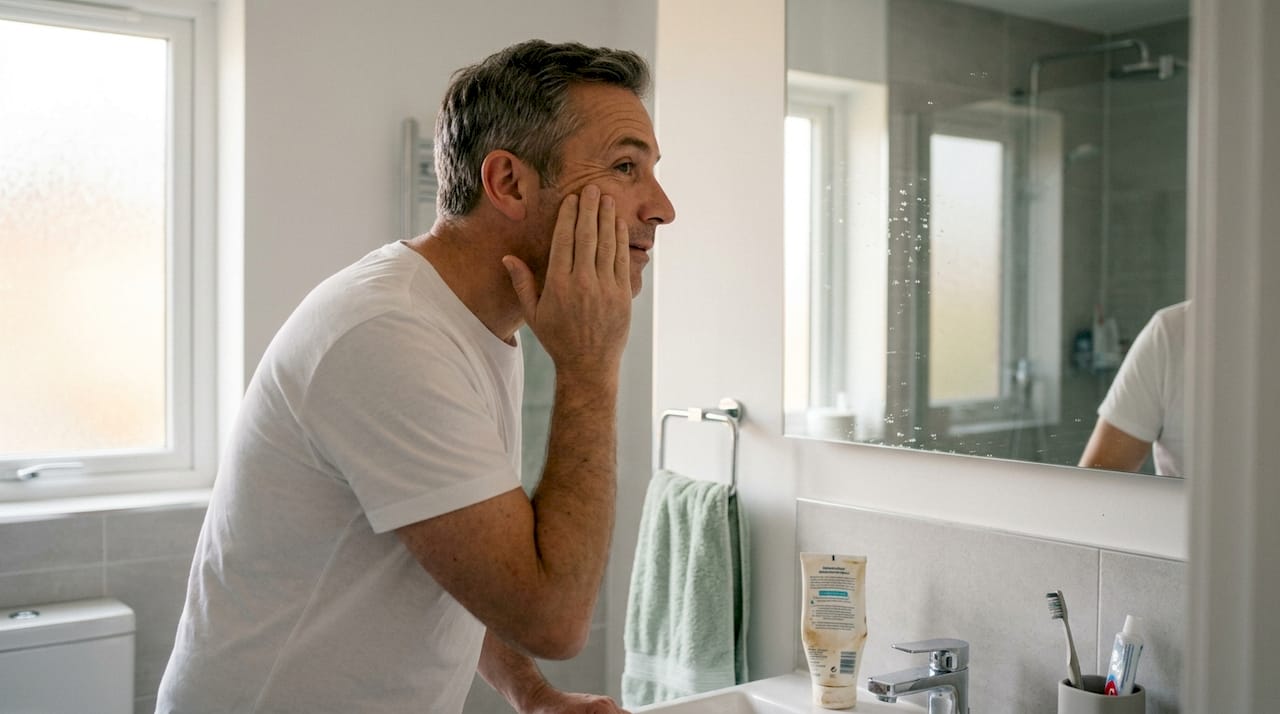
Intrinsic ageing features epidermal thinning, reduced collagen and elastin, and fine wrinkles, driven by telomere shortening, oxidative stress, and hormonal shifts. For women navigating the post-menopausal transition, this hormonal component is particularly significant. Oestrogen plays a direct role in stimulating collagen synthesis, so as levels drop, skin loses firmness and density at an accelerated rate.
| Decade | Key skin change | Approximate loss or change |
|---|---|---|
| 20s | Collagen production begins declining | ~1% per year |
| 30s | Slower cell turnover, early fine lines | Visible loss of radiance |
| 40s | Elastin degradation, deeper wrinkles | Skin 20–25% thinner than at 20 |
| 50s | Significant volume loss, sagging | Up to 30% collagen loss post-menopause |
| 60s+ | Pronounced laxity, pigmentation | Epidermal thinning well established |
This table makes a compelling case for the ultimate anti-aging checklist approach: staging your skincare and clinical interventions decade by decade rather than waiting until changes feel dramatic.
Pro Tip: Do not wait until your 40s to start thinking about collagen support. Beginning a retinoid routine and consistent SPF use in your early 30s, before visible ageing accelerates, means you are addressing the decline while your skin still has strong regenerative capacity.
The hormonal dimension also explains why men and women experience ageing differently. Men’s skin is generally thicker and loses collagen more steadily rather than sharply, meaning they tend to see sudden acceleration in their 50s rather than the more gradual progression common in women before menopause.
The impact of lifestyle: how environment and habits accelerate ageing
Defining what occurs naturally is only part of the story. Environmental factors often have an even bigger influence, especially for city-dwellers navigating London’s unique combination of pollution, stress, and limited sunlight. Research suggests that up to 80% of visible facial ageing is attributable to extrinsic causes, particularly UV radiation, pollution, and smoking, which generate reactive oxygen species (ROS) and trigger matrix metalloproteinases (MMPs) that degrade collagen and elastin.
| Factor | Intrinsic ageing | Extrinsic ageing |
|---|---|---|
| Cause | Genetics, biology, time | UV, pollution, smoking, poor diet |
| Control | Minimal | Highly modifiable |
| Main effect | Fine lines, thinning, subtle laxity | Coarse wrinkles, pigmentation, elastosis |
| Rate of change | Gradual and predictable | Can be rapid with prolonged exposure |
| Treatment focus | Structural restoration | Prevention and reversal |
The most damaging extrinsic exposures, ranked by their impact on skin structure:
- UV radiation (responsible for photoageing including deep wrinkles and pigmentation)
- Air pollution (particulate matter penetrates skin and triggers oxidative stress)
- Cigarette smoke (reduces blood flow and depletes skin oxygen and nutrients)
- Chronic sleep deprivation (impairs skin repair cycles and increases cortisol)
- High-sugar diet (glycation stiffens collagen fibres, making them brittle)
Londoners often underestimate UV exposure on overcast days. UVA rays, which penetrate cloud cover, are responsible for deep dermal damage even in winter. Pair this with the city’s particulate matter levels, and you have a compelling reason to consider advanced skin rejuvenation tips as part of your regular routine rather than an occasional treat.
“Extrinsic aging from UV exposure, pollution, and smoking causes coarse wrinkles, pigmentation, and elastosis through ROS generation and MMP upregulation, which degrade the extracellular matrix at a cellular level.”
For those whose skin has already accumulated environmental damage, laser skin treatments are particularly effective at addressing the deeper structural changes that topical products simply cannot reach.
Evidence-based treatments: from skincare actives to clinic procedures
Armed with insight into causes, the logical next question is what actually works. There is a significant gap between what is marketed and what is proven, so clarity matters here.
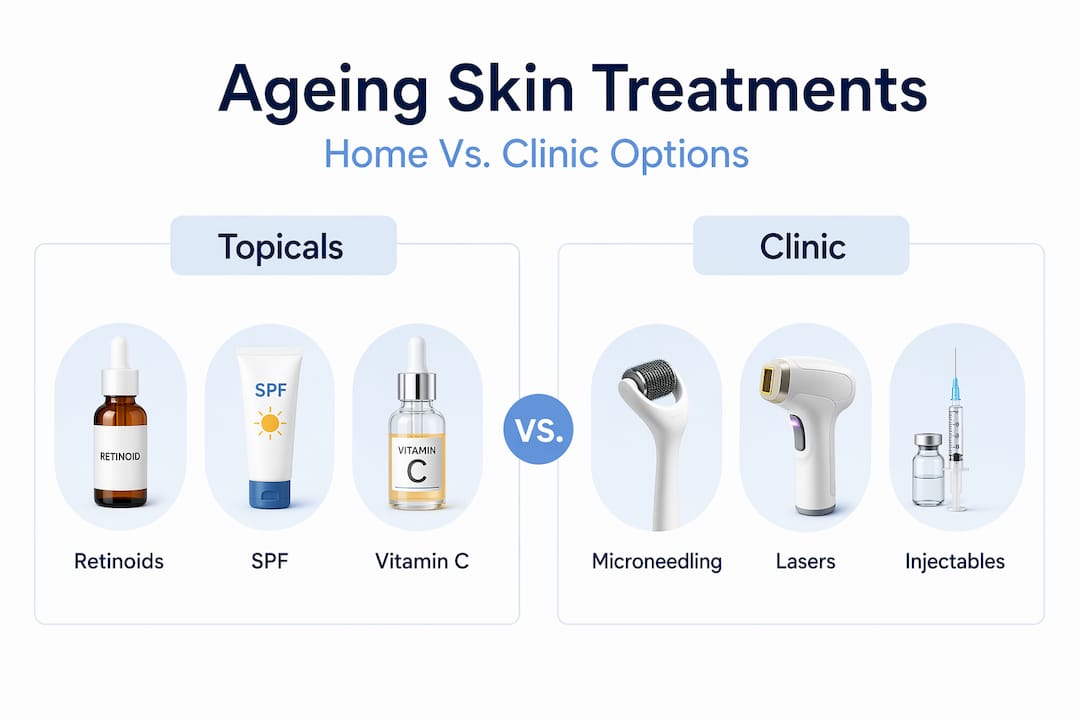
On the topical side, retinoids, including tretinoin, retinol, and isotretinoin, are the best-evidenced actives for reducing wrinkles and addressing hyperpigmentation, according to meta-analysis. They work by accelerating cell turnover, stimulating fibroblast activity, and increasing collagen synthesis. Vitamin C (ascorbic acid) adds antioxidant protection and brightening. Niacinamide supports the barrier and reduces inflammation. SPF, as discussed, remains non-negotiable.
Proven topical ingredients worth incorporating:
- Retinoids (tretinoin by prescription; retinol over the counter): the gold standard for wrinkle reduction
- Vitamin C serum: protects against free radical damage and boosts collagen synthesis
- SPF 30 or higher daily: prevents further photoageing regardless of season
- Peptides: signal fibroblasts to produce more collagen; useful for sensitive skin that cannot tolerate retinoids
- Hyaluronic acid: hydrates and plumps, temporarily restoring volume at the surface level
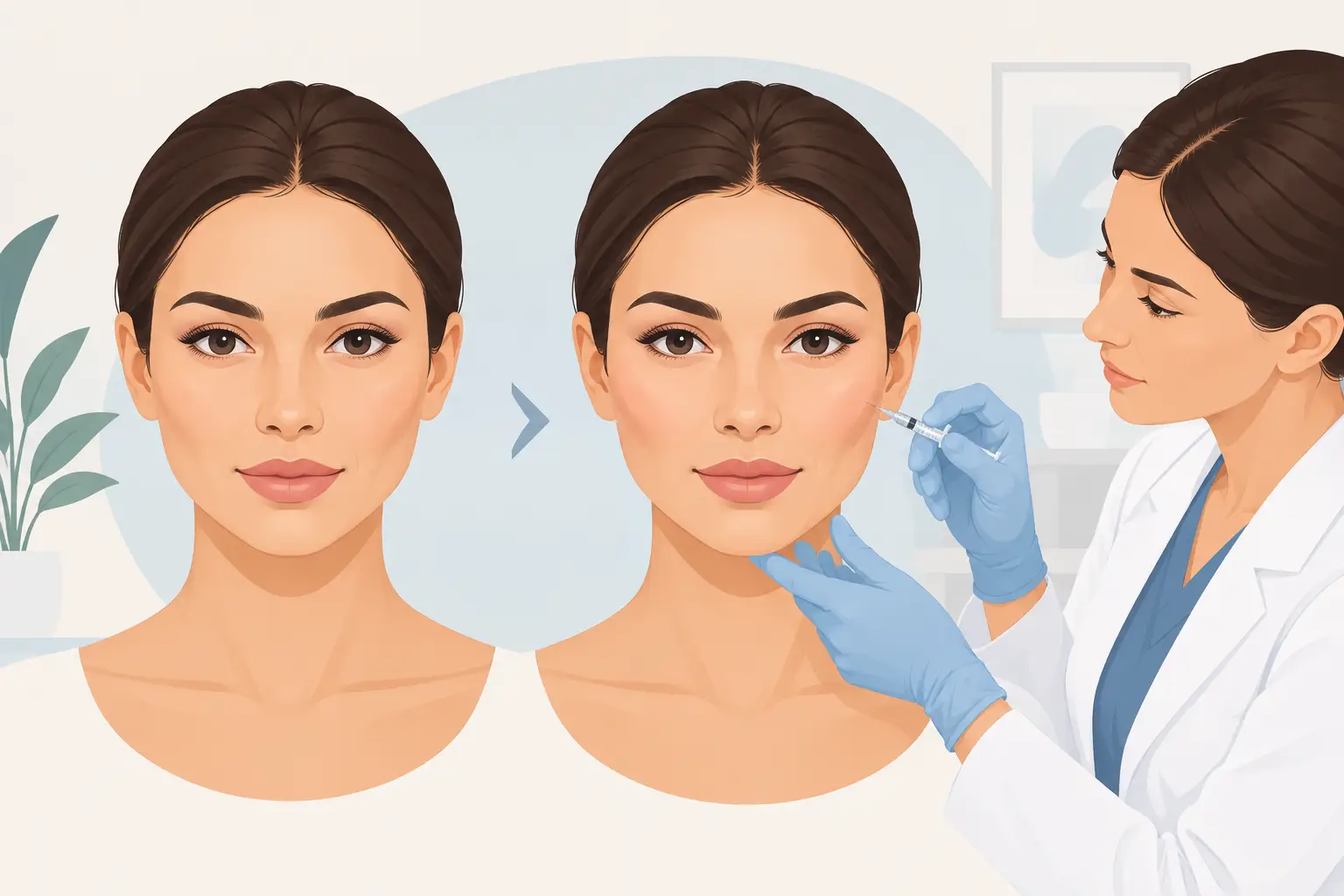
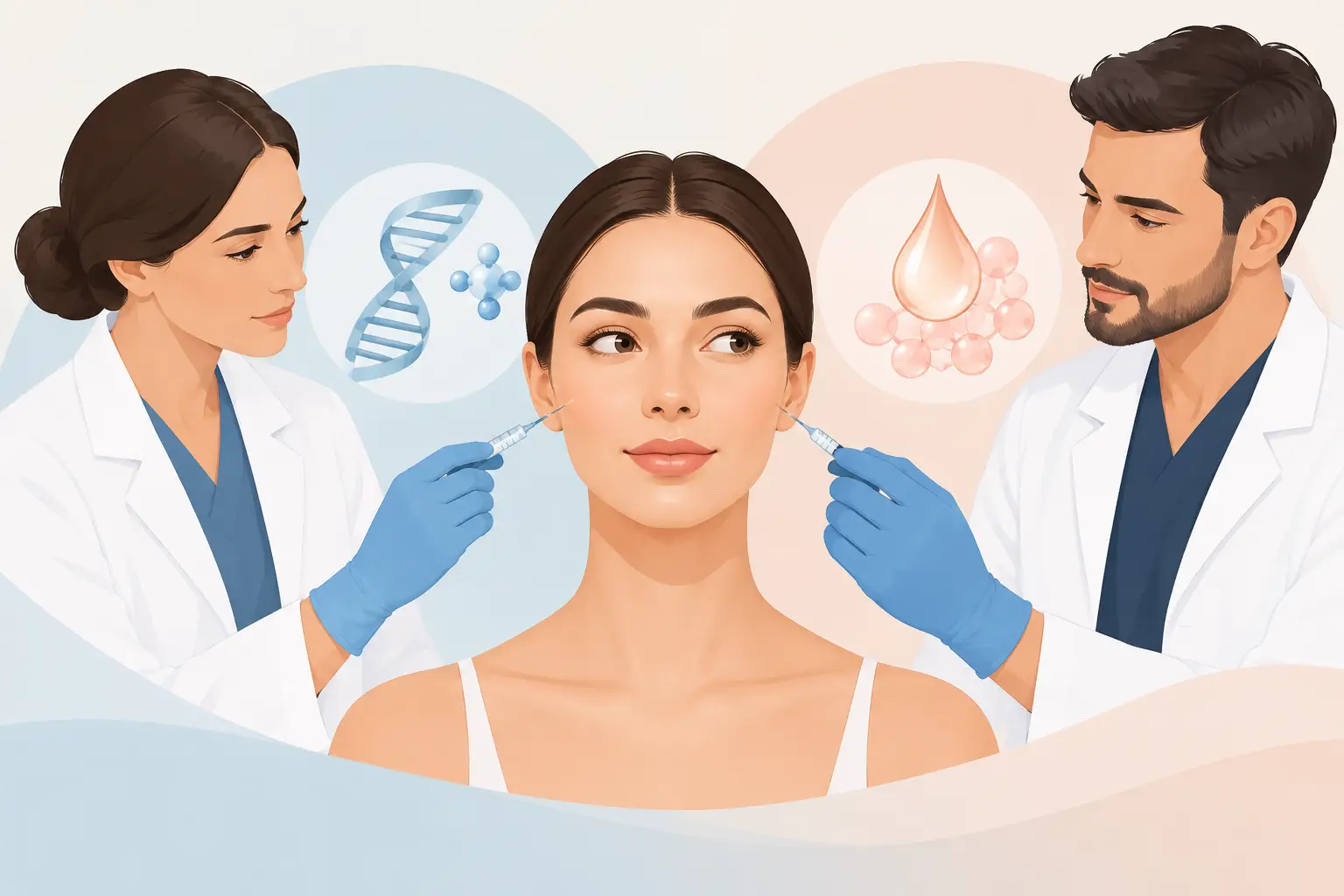
Clinic-based interventions offer a level of structural change that topicals cannot replicate. In your 30s, early boosters such as profhilo (injectable hyaluronic acid for bio-remodelling) and light chemical peels make an excellent entry point. In your 40s and 50s, combining essential anti-ageing treatments such as dermal fillers, botulinum toxin (Botox), and laser resurfacing delivers more pronounced results.
Facial rejuvenation treatments work best when chosen strategically rather than reactively. Volume loss responds well to dermal fillers; dynamic wrinkles (those caused by facial movement) respond to Botox; textural damage and pigmentation respond to laser and resurfacing. These are complementary, not competing.
Pro Tip: Always choose a CQC-accredited clinic staffed by medically qualified practitioners. The injectable market is unregulated in many areas, and the quality of outcome is directly tied to the skill and knowledge of the person administering treatment. Expert guidance through a dedicated skin rejuvenation expert guide helps you identify the right pathway before committing.
Expert nuances: what most Londoners miss about skin and ageing
Before you book a treatment or invest in a high-end serum, there are important considerations that rarely feature in mainstream beauty content. Understanding these can save you time, money, and disappointment.
Inflammaging is the term given to the chronic, low-grade inflammation that accumulates with age and accelerates skin deterioration. Unlike acute inflammation, which resolves, inflammaging is persistent and feeds a cycle of cellular damage and impaired repair. It is exacerbated by pollution, stress, poor sleep, and a diet high in processed foods. Managing it is not simply about applying a calming serum; it requires systemic lifestyle adjustments.
Additional nuances that shape ageing outcomes:
- Senescent cells accumulate in aged skin and release inflammatory signals that affect surrounding healthy cells, a process sometimes called the “bystander effect”
- Genetic predisposition can mean two people of the same age, with identical lifestyles, look dramatically different; this accounts for roughly 20 to 30% of skin ageing variation
- Metabolic conditions such as diabetes impair microcirculation and collagen quality, meaning skin ages faster and responds less predictably to treatment
- Skin tone and phototype affect how treatments such as lasers and peels should be selected; darker skin tones require more considered protocols to avoid post-inflammatory hyperpigmentation
Lasers can outperform topicals for textural damage, deep wrinkles, and pigmentation. However, they involve recovery time and require appropriate skin preparation. This makes them more suitable as a corrective intervention for those in their 40s and 50s rather than a routine measure for younger skin. Specialised skin treatments by demographic offer a clearer picture of which interventions suit which age groups and skin types.
Managing expectations is also essential. No treatment reverses the biological clock entirely. What modern aesthetics achieves brilliantly is restoring a refreshed, rested, and natural appearance that aligns with how you feel on the inside. Results require maintenance, and the most satisfied clients are those who approach the process with informed, realistic goals.
Our take: why smart planning, not panic, delivers the best results
We have worked with a wide range of clients across London, and one pattern repeats itself clearly: those who achieve the most natural, lasting results are never the ones who arrive looking for a quick fix. They are the ones who came informed, asked the right questions, and committed to a staged plan built around their biology rather than trends.
The panic approach, whether triggered by a milestone birthday or a particular photograph, tends to lead to over-treatment and inconsistent outcomes. It focuses on the symptom rather than the cause. Conversely, clients who start with a solid skincare foundation in their 30s and then layer in clinical treatments selectively as their skin evolves tend to look consistently vibrant for decades.
From what we observe, the most effective strategy for Londoners specifically involves three stages. First, build a robust daily routine with proven actives and daily SPF. Second, consult with a qualified practitioner in your mid-30s or early 40s for preventive, light-touch interventions. Third, reassess and escalate if and when needed, rather than treating aggressively all at once. This mirrors the evidence-led treatment approach that consistently delivers the most satisfying outcomes.
The skin you have at 55 is the result of decisions made at 30 and 40. That is not meant to create anxiety. It is meant to inspire informed action. Understanding your skin scientifically, following evidence-backed anti-ageing skincare routines, and choosing clinical interventions wisely puts you firmly in control of how your skin tells your story.
Next steps: explore the best treatments for ageless, radiant skin
If this article has clarified how ageing works and what genuinely makes a difference, you are already ahead of most. The next step is translating that understanding into a personalised treatment plan.

At The Aesthetics Room, our CQC-accredited practitioners at Knightsbridge, Harley Street, and Mayfair work with you to design bespoke strategies that reflect your skin’s current condition and long-term goals. Whether you are curious about dermal fillers to restore lost volume, exploring Botox treatments to soften dynamic lines, or seeking a complete skin rejuvenation plan tailored to your decade of life, we are here to guide you with transparency and expertise. Book a consultation today and take the first confident step towards skin that reflects how you truly feel.
Frequently asked questions
How soon does skin ageing start?
Collagen declines approximately 1% per year from your mid-20s, though visible changes such as fine lines and reduced radiance typically become more noticeable during your 30s.
Is sunscreen really the most important anti-ageing product?
Yes. UV and pollution-driven ageing causes coarse wrinkles, pigmentation, and elastosis, making daily broad-spectrum SPF the single most impactful product in any anti-ageing routine, particularly in a city like London.
Can men benefit from the same treatments?
Absolutely. Men respond well to both topical actives and clinic procedures such as Botox and fillers, though practitioners may adjust technique and target areas to suit male facial anatomy and aesthetic preferences.
Are lasers better than creams for ageing skin?
Lasers are generally more effective for textural changes, deep wrinkles, and pigmentation, but they involve recovery time and greater cost. Topicals work best as prevention and maintenance, while lasers excel as corrective tools.
What can speed up skin ageing aside from sun and pollution?
Smoking, chronic inflammation, hormonal changes, and genetic factors all play a significant role. Intrinsic drivers including telomere shortening, oxidative stress, and hormonal shifts accelerate ageing from within, compounding any environmental damage.
Recommended
- The ultimate anti-aging checklist for radiant, youthful skin – The Aesthetics Room
- Skin analysis: The key to radiant, effective results – The Aesthetics Room
- Anti-Aging Skincare Workflow for Radiant Complexion – The Aesthetics Room
- How to reduce fine lines: safe, personalised solutions – The Aesthetics Room