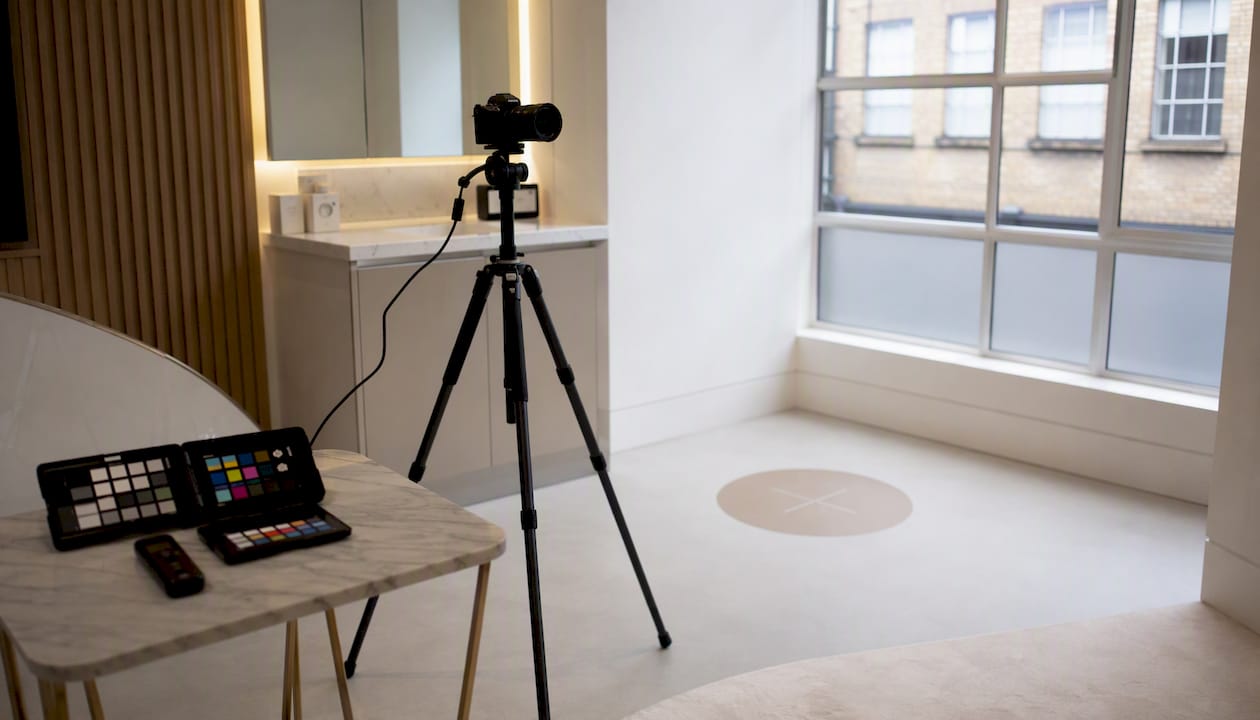
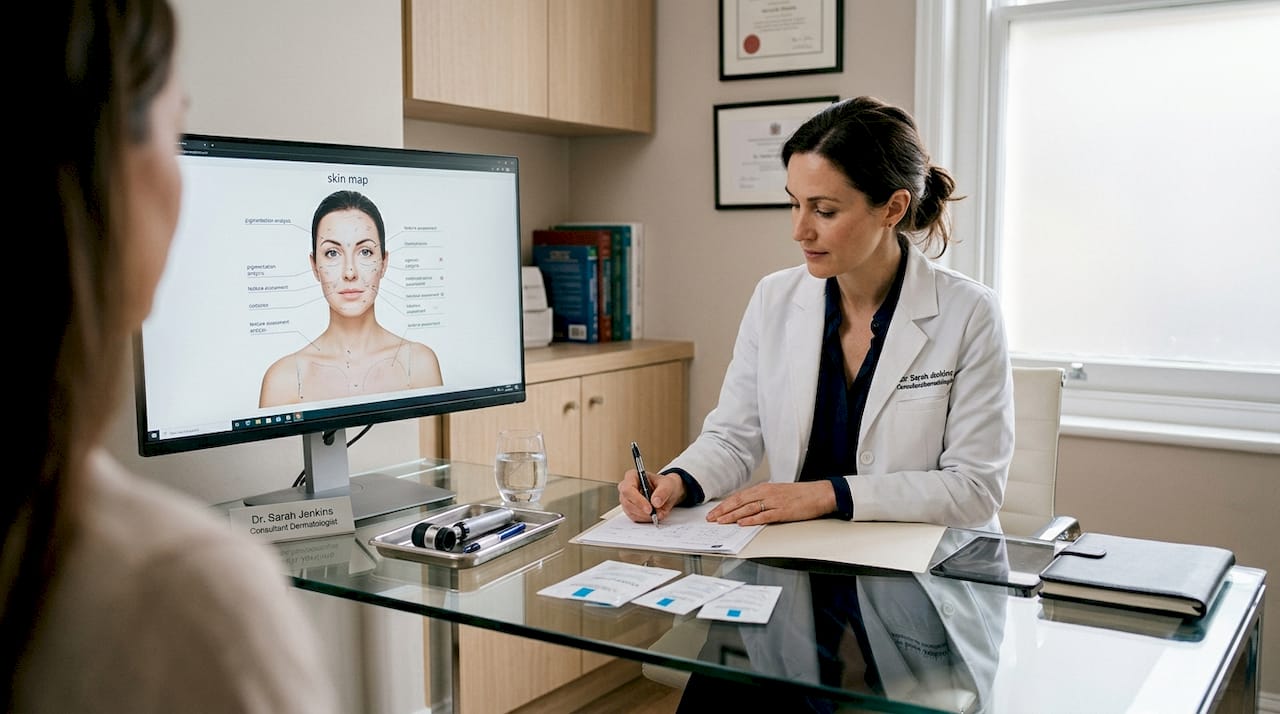

Many Londoners invest heavily in premium serums, high-end facials, and injectable treatments, only to feel underwhelmed by the results. The frustration is real, and the cause is often surprisingly simple: no one has properly analysed their skin. Without a professional skin analysis, even the most sophisticated treatments are essentially guesswork. Empirical data shows that targeted interventions guided by analysis can reduce hyperpigmentation by 31 to 45%, a figure that underscores just how much precision matters. This article unpacks what professional skin analysis involves, how modern technology has transformed it, and why skipping this step could be costing you both money and results.
Table of Contents
- What is skin analysis and why does it matter?
- Modern methods: From VISIA to AI skin mapping
- Measurable improvements: How skin analysis guides treatment success
- Beyond the numbers: Clinical judgement, edge cases, and real-life nuance
- Skin analysis in your treatment journey: What to expect in London clinics
- Discover your best skin with expert analysis
- Frequently asked questions
Key Takeaways
| Point | Details |
|---|---|
| Objective data matters | Data-driven analysis ensures your skincare plan truly fits your skin’s needs. |
| Modern tech improves outcomes | Advanced methods precisely track and measure changes for better, safer results. |
| Expert interpretation is crucial | Skilled practitioners turn analysis results into genuinely personalised treatment plans. |
| Regular reviews boost benefits | Ongoing skin analysis helps you see progress and adapt your care as your skin changes. |
What is skin analysis and why does it matter?
Professional skin analysis is a structured, objective assessment of your skin’s condition using clinical tools, specialist expertise, and often advanced imaging technology. It goes far beyond a practitioner glancing at your face under bright lighting. A thorough analysis examines hydration levels, pigmentation patterns, vascular activity, barrier function, and even subsurface damage invisible to the naked eye.
Contrast this with at-home methods or purely visual assessments. A mirror and good lighting can tell you that your skin looks dull or that you have a breakout. They cannot tell you whether that redness is rosacea or a compromised skin barrier, or whether your pigmentation is post-inflammatory or UV-driven. That distinction changes everything about how your skin should be treated.
The benefits of proper analysis are significant:
- Safety: Identifying contraindications before treatment reduces the risk of adverse reactions.
- Precision: Treatments are matched to your actual skin condition, not a general skin type.
- Tailored recommendations: Your skincare programme is built around objective findings, not assumptions.
- Long-term improvement: Tracking changes over time allows your practitioner to refine your plan as your skin evolves.
- Cost efficiency: You stop spending on treatments and products that simply do not suit your skin.
Neglecting analysis is a costly mistake. Clients who skip this step often cycle through products and treatments without meaningful progress, spending months and significant sums with little to show for it. Understanding the value of skin maintenance starts with knowing exactly what your skin needs.
“AI analysis complements clinical judgment and reduces the subjectivity inherent in traditional visual assessment, enabling more consistent and reliable treatment planning.”
The consultation process at a quality clinic will always begin here, because everything that follows depends on getting this foundation right.
Modern methods: From VISIA to AI skin mapping
Today’s skin analysis technology has moved well beyond the magnifying lamp. Londoners now have access to tools that would have seemed extraordinary a decade ago, and the detail they provide is genuinely transformative for treatment planning.
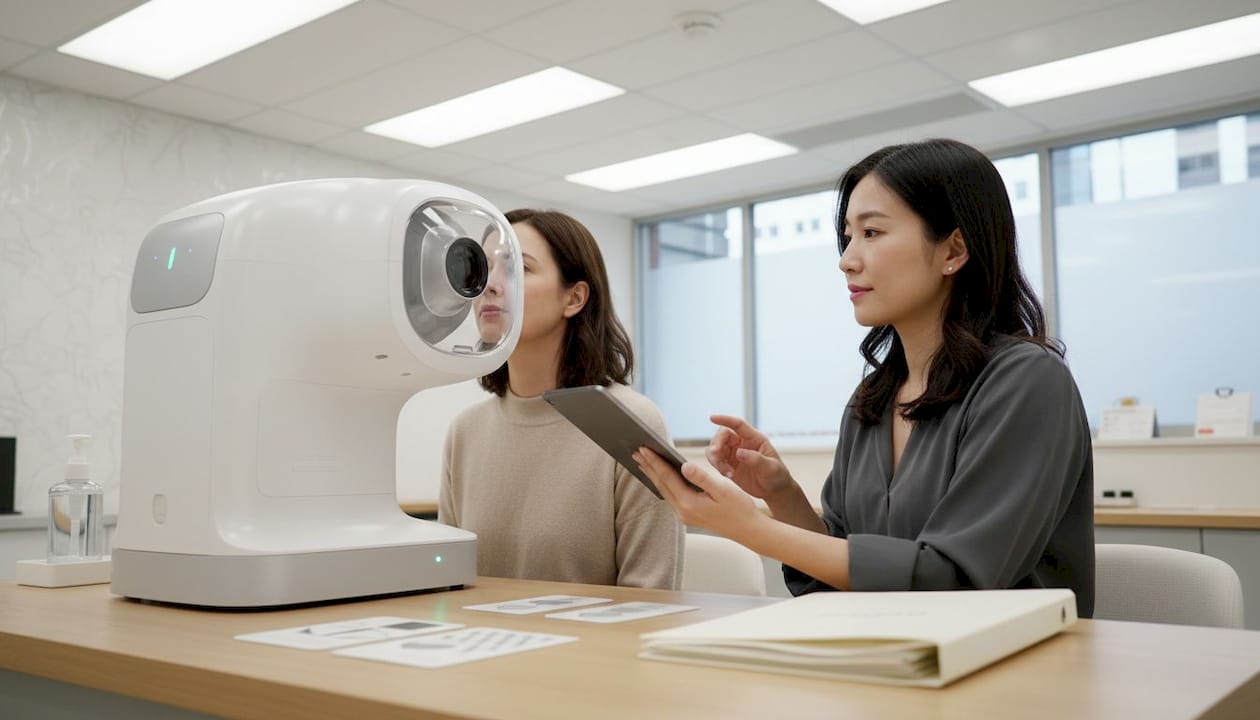
VISIA complexion analysis is widely regarded as the gold standard. It uses multi-spectral imaging including RGB, UV, and polarised light, alongside AI, 3D mapping, moisture impedance, and confocal microscopy to build a complete picture of your skin. VISIA also compares your results against a global database, giving you a percentile score that benchmarks your skin against thousands of others in your age group. This is not just informative; it is motivating.
AI-assisted analysis adds another layer by identifying patterns and predicting how your skin may respond to specific treatments. 3D mapping captures structural changes over time, making it possible to track the effects of anti-ageing skincare or injectable treatments with genuine accuracy. Moisture impedance testing measures hydration at a cellular level, far more reliably than any at-home device.
| Feature | Traditional assessment | Advanced analysis (VISIA/AI) |
|---|---|---|
| Objectivity | Low (practitioner dependent) | High (device-driven data) |
| Detail | Surface level only | Subsurface and structural |
| Reliability | Variable | Consistent and repeatable |
| Benchmarking | None | Global database comparison |
| Cost to clinic | Low | High (circa £16,000+ for VISIA) |
The role of ultrasound in skin analysis is also growing, particularly for assessing tissue depth and structural integrity before injectable treatments.
Pro Tip: Always ask your clinic which analysis method they use before booking. If the answer is vague or limited to a visual check, that is a signal worth taking seriously.
Measurable improvements: How skin analysis guides treatment success
Data is where skin analysis truly earns its place. When treatments are guided and tracked by objective analysis, the results are not just visible; they are measurable and reproducible.
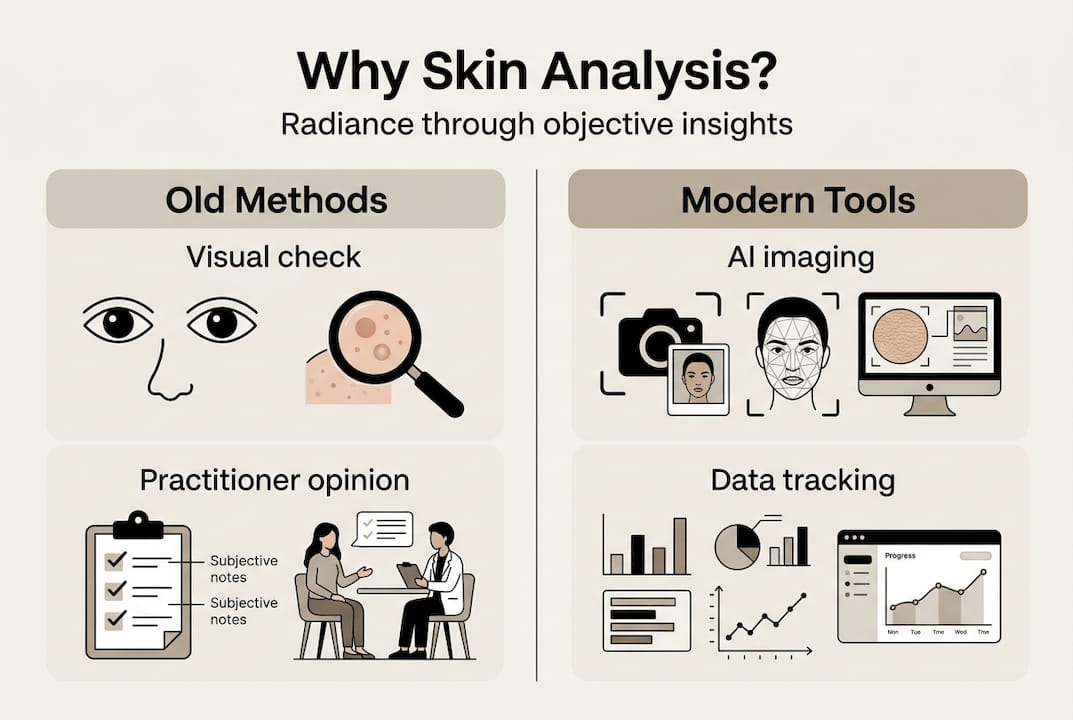
AI skin analysis has demonstrated significant improvements in wrinkle depth and skin firmness following radiofrequency and HIFU treatments. Microneedle radiofrequency, when tracked by AI analysis, improved pigmentation, vascular appearance, and hydration in over 84% of cases. These are not anecdotal claims; they are outcomes validated by objective measurement.
| Treatment | Metric tracked | Improvement observed |
|---|---|---|
| RF/HIFU | Wrinkle depth, firmness | Significant improvement |
| Microneedle RF | Pigmentation, hydration | 84%+ of cases improved |
| Exosome therapy | Pore visibility, erythema | 40%+ pore improvement, 42% erythema reduction |
| Targeted HA/Vit C | Hyperpigmentation | 31 to 45% reduction |
Percentile scoring is particularly powerful for tracking your personal journey. Your baseline score is recorded, and each follow-up session shows exactly how your skin has shifted relative to your starting point and against the broader population. It turns a subjective feeling of “my skin looks better” into a concrete, documented improvement.
Skin analysis also catches issues that would otherwise go unnoticed:
- Barrier defects that cause chronic sensitivity and product intolerance
- Subclinical UV damage that has not yet surfaced as visible pigmentation
- Vascular irregularities that indicate early rosacea or capillary fragility
- Post-oncology skin changes requiring a modified, gentler treatment approach
- Dehydration at a cellular level that topical moisturisers alone cannot address
For anyone serious about personalised skincare, these insights are not optional extras. They are the difference between a treatment plan that works and one that does not. Exploring skin treatment success tips always leads back to the same starting point: know your skin before you treat it.
Beyond the numbers: Clinical judgement, edge cases, and real-life nuance
Technology is powerful, but it is not infallible. The most sophisticated device in the world still requires a skilled clinician to interpret its findings correctly. This is where many clinics fall short, and where the best ones truly distinguish themselves.
Consider two clients presenting with facial redness. One has rosacea; the other has an impaired skin barrier from over-exfoliation. To the untrained eye, they look almost identical. Analysis differentiates conditions like rosacea versus acne, and melasma versus sun-induced pigmentation, but the device output still requires skilled clinical interpretation to translate into a safe and effective treatment plan.
For sensitive or previously damaged skin, the stakes are even higher. Bespoke analysis enables targeted barrier recovery and hydration restoration in as little as 28 days when the findings are correctly interpreted and acted upon. Without that expert layer, even accurate data can lead to the wrong treatment choice.
Operator dependency is a real limitation. Advanced systems like VISIA cost upwards of £16,000, which means not every clinic invests in them. And even those that do may lack the clinical expertise to use the data effectively. This is why choosing the right clinic matters as much as choosing the right technology.
Before your analysis, ask your practitioner:
- Which device or method will be used for my analysis?
- How will the findings be interpreted and communicated to me?
- Will I receive a copy of my results for my own records?
- How does the clinic handle complex or sensitive skin cases?
- What is the data privacy policy for my skin imaging results?
Understanding what skin clinics offer in terms of diagnostic capability is a smart first step before committing to any treatment.
“The value of advanced analysis lies not in the device itself, but in the clinician’s ability to translate objective data into a treatment plan that is safe, personalised, and genuinely effective.”
Pro Tip: Choose clinics that are transparent about their diagnostic process and willing to share your objective data with you. Reluctance to do so is a red flag.
Skin analysis in your treatment journey: What to expect in London clinics
Knowing that skin analysis matters is one thing. Understanding how it fits into your actual experience as a client in a London clinic makes it far less daunting and far more empowering.
Here is what a well-structured analysis-led consultation looks like:
- Pre-assessment: You complete a health and skincare history form, noting any previous treatments, medications, or skin concerns.
- Imaging and analysis: Your skin is assessed using the clinic’s chosen technology, capturing data across multiple parameters.
- Clinician consultation: A trained practitioner reviews the findings with you, explaining what the data shows in plain language.
- Bespoke treatment plan: Based on your results, a personalised programme is designed, covering both in-clinic treatments and home care.
- Digital tracking: Your baseline data is stored, and follow-up analyses measure your progress objectively over time.
To get the most from your consultation, bring:
- A list of your current skincare products and any prescription treatments
- Notes on previous aesthetic treatments and their outcomes
- Your full medical history, including any skin conditions or allergies
- Questions about specific concerns you want addressed
Devices and objective data significantly boost client trust and satisfaction, and the results speak for themselves when treatment is built on a solid analytical foundation. Exploring skin hydration therapy as part of a broader plan, for example, becomes far more targeted when hydration levels have been objectively measured first.
The skincare consultation process at a premium London clinic should feel collaborative, data-informed, and entirely focused on your individual skin. If it does not, it is worth asking why.
Discover your best skin with expert analysis
At The Aesthetics Room, we believe that every effective treatment begins with understanding your skin at a deeper level. Our expert practitioners use advanced analysis to build a clear, objective picture of your skin before recommending anything.

Whether you are considering skin rejuvenation to restore radiance, exploring dermal fillers for structural enhancement, or simply want to understand what your skin truly needs, analysis is where every journey starts. Based in Knightsbridge and with locations on Harley Street and in Mayfair, The Aesthetics Room offers a genuinely personalised, data-driven approach to aesthetics. Book your consultation today and let the results speak for themselves.
Frequently asked questions
What can professional skin analysis reveal that visual assessment cannot?
Technology like VISIA reveals UV damage, barrier function issues, and capillary irregularities that are entirely invisible to the naked eye, giving practitioners a far more complete and accurate picture of your skin’s true condition.
How often should I have a skin analysis done?
At least once or twice a year is ideal, particularly before starting any significant new treatment or after completing a course of professional skin therapy to assess progress.
Does skin analysis guarantee better results from cosmetic treatments?
Analysis cannot guarantee outcomes, but treatments tracked by analysis are significantly more likely to be safe, well-matched to your skin, and effective than those planned without objective data.
Is advanced skin analysis safe for sensitive or damaged skin?
When overseen by a qualified expert, advanced analysis is entirely safe and is especially valuable for sensitive or previously damaged skin, where the risk of an unsuitable treatment is highest.
Recommended
- Your 2026 skin health checklist for radiant skin – The Aesthetics Room
- Master your at-home skincare workflow for radiant skin – The Aesthetics Room
- Skin rejuvenation benefits: expert guide for Londoners – The Aesthetics Room
- 7 Expert Professional Skin Treatment Tips for Radiant Results – The Aesthetics Room