

Most people are surprised to learn that over 60 percent of British adults will visit a skin clinic at some point in their lives. The popularity of these clinics highlights how deeply skin health and appearance matter in everyday life. Yet confusion persists about what a skin clinic truly offers and who should consider visiting one. This guide dispels common misconceptions, explains the real purpose of these specialised centres, and helps you understand your options as a British patient.
Table of Contents
- Skin Clinics Defined: Purpose And Misconceptions
- Types Of Skin Clinics And Services Offered
- Core Treatments: Cosmetic And Medical Procedures
- Safety, Regulation, And Practitioner Qualifications
- Who Should Visit A Skin Clinic In London
- Costs, Alternatives, And Common Pitfalls
Key Takeaways
| Point | Details |
|---|---|
| Specialised Care | Skin clinics focus solely on dermatological and cosmetic issues, employing qualified professionals trained in advanced treatment methodologies. |
| Comprehensive Consultations | Prior to treatments, patients should have detailed consultations to ensure the proposed procedures suit their unique skin concerns. |
| Verify Credentials | Always check practitioners’ qualifications and professional registrations to ensure safe and effective treatment. |
| Consider Costs and Alternatives | Understand treatment pricing and explore non-invasive alternatives when budget constraints arise, prioritising quality over cost. |
Skin Clinics Defined: Purpose and Misconceptions
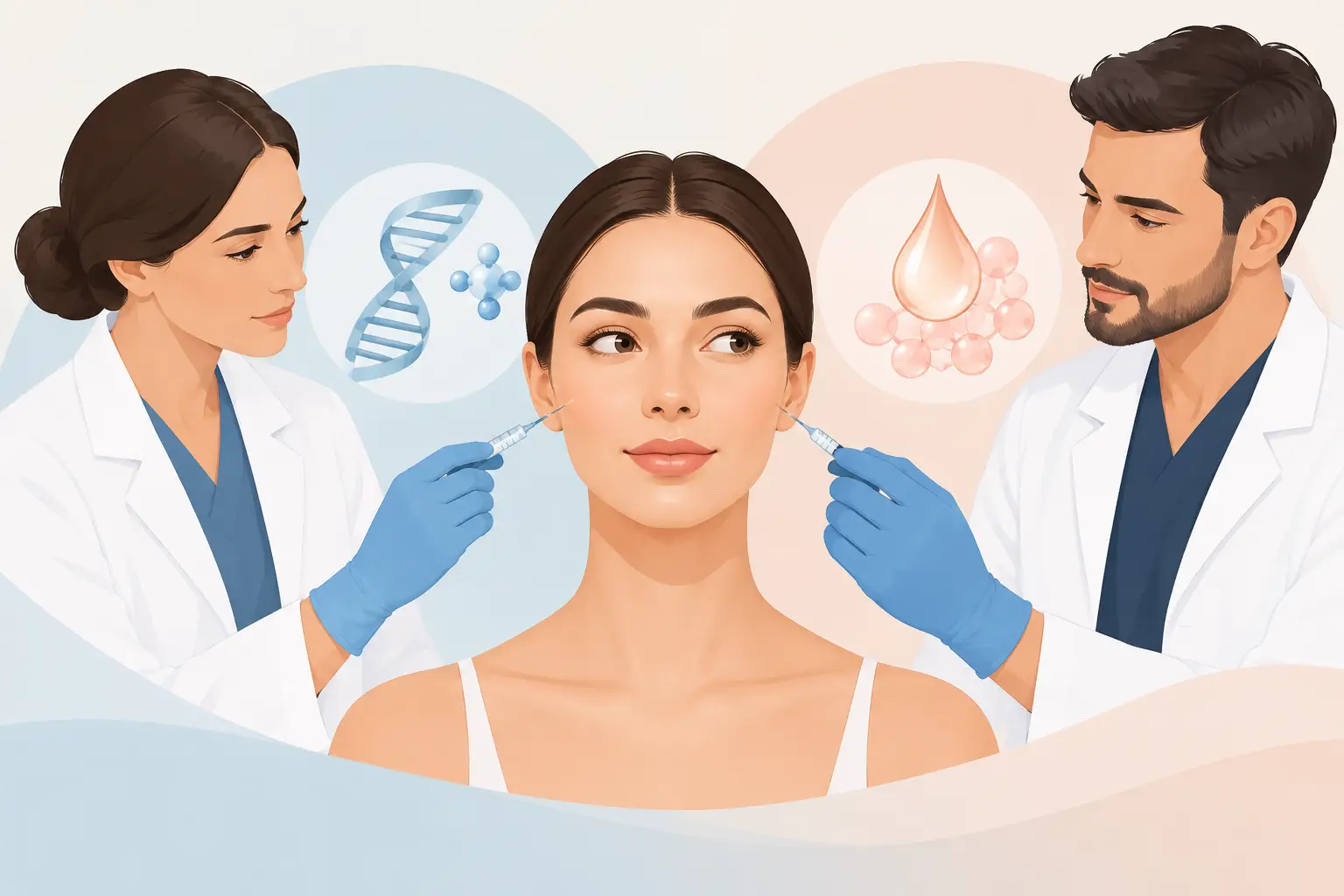
A skin clinic represents a specialised medical facility dedicated to diagnosing, treating, and improving skin health through professional aesthetic and medical interventions. Unlike general practitioners, these clinics focus exclusively on dermatological concerns and cosmetic enhancements. Skin treatments encompass a broad range of services designed to address both medical conditions and aesthetic improvements.
The primary purpose of a skin clinic extends far beyond simple cosmetic procedures. Medical professionals in these facilities assess and treat complex dermatological issues, ranging from acne and rosacea to pigmentation disorders and signs of ageing. According to research from the University of Nottingham, skin condition diagnostic approaches require sophisticated understanding of individual skin types, genetic predispositions, and environmental factors.
Many individuals harbour misconceptions about skin clinics, often viewing them as exclusively beauty-oriented spaces. In reality, these clinics represent sophisticated medical environments staffed by highly trained professionals. Practitioners undergo extensive training in dermatology, cosmetic medicine, and advanced aesthetic techniques. They employ evidence-based protocols, utilising state-of-the-art diagnostic tools and treatment methodologies to ensure patient safety and optimal outcomes.
Pro Tip: Research and Select Wisely: Before selecting a skin clinic, verify the practitioners’ qualifications, check their professional registrations, and review patient testimonials to ensure you receive high-quality, safe, and personalised treatment.
Types of Skin Clinics and Services Offered
Skin clinics vary significantly in their specialisations, offering a comprehensive array of services tailored to diverse patient needs. Specialised skin treatments range from medical dermatology to advanced aesthetic interventions, each addressing unique skin health requirements. These clinics can be broadly categorised into three primary types: medical dermatology clinics, cosmetic aesthetic clinics, and integrated skin wellness centres.
Medical dermatology clinics focus primarily on diagnosing and treating complex skin conditions such as psoriasis, eczema, acne, and skin cancer screenings. These facilities employ dermatologists who utilise advanced diagnostic techniques and medical treatments to address chronic and acute skin disorders. Comprehensive skin clinic directories reveal that these clinics often collaborate with other medical specialists to provide holistic patient care, ensuring comprehensive treatment strategies.
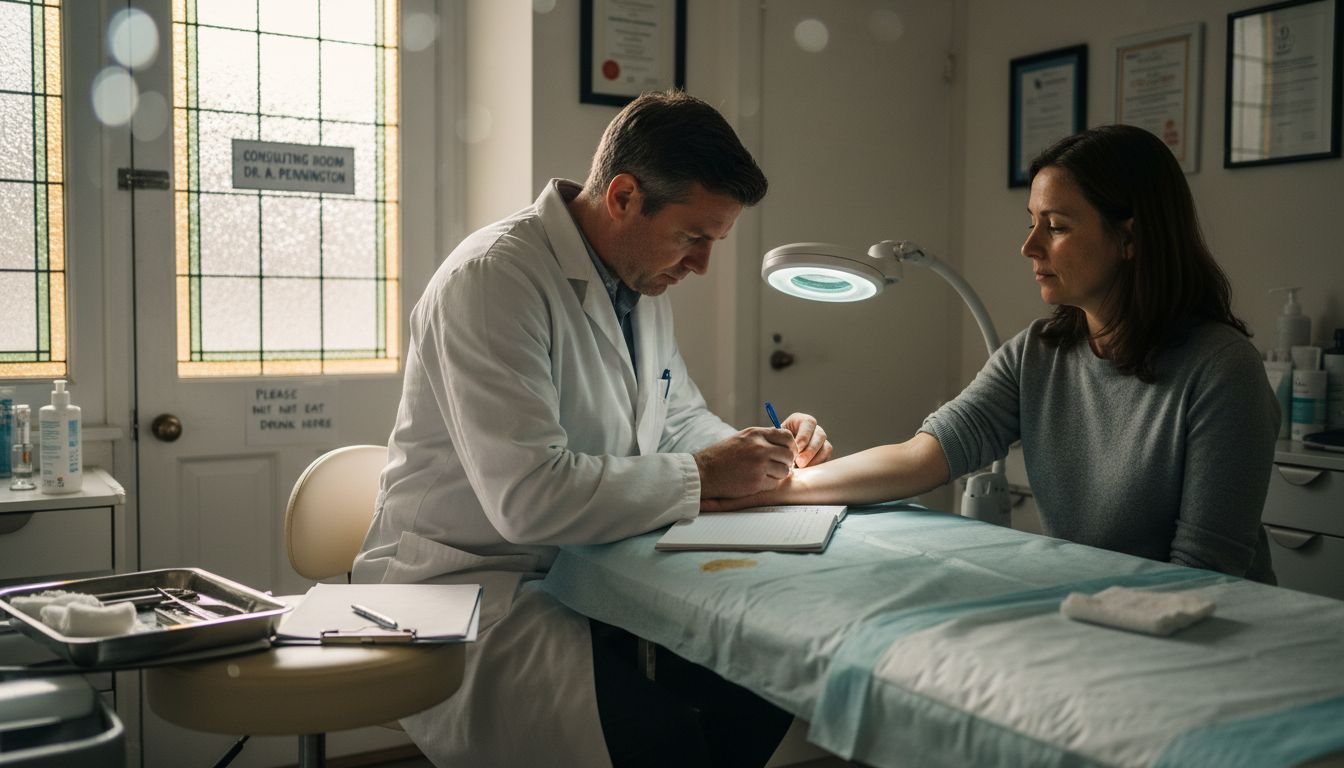
Cosmetic aesthetic clinics, by contrast, specialise in appearance-enhancing procedures such as chemical peels, laser treatments, anti-ageing interventions, and skin rejuvenation techniques. These clinics are staffed by trained aesthetic practitioners who combine medical expertise with advanced technological treatments. Their services typically include non-invasive procedures designed to improve skin texture, reduce signs of ageing, and address specific aesthetic concerns like pigmentation, scarring, and uneven skin tone.
Pro Tip: Treatment Selection Strategy: Always request a comprehensive skin consultation before committing to any treatment, ensuring the proposed procedure matches your specific skin type, concerns, and overall health profile.
Here is a comparison of the main types of skin clinics and their primary focus areas:
| Clinic Type | Core Focus | Typical Services |
|---|---|---|
| Medical Dermatology | Diagnosis & treatment of skin diseases | Acne therapy, cancer screening |
| Cosmetic Aesthetic | Appearance enhancements | Fillers, laser, anti-ageing |
| Integrated Skin Wellness | Combined medical & cosmetic care | Holistic, personalised plans |
Core Treatments: Cosmetic and Medical Procedures
Skin clinics offer a diverse range of cosmetic and medical procedures designed to address both aesthetic concerns and underlying dermatological conditions. Non-surgical face lift options represent a significant advancement in aesthetic medicine, allowing patients to achieve rejuvenation without invasive surgical interventions. These treatments typically encompass multiple categories, each targeting specific skin concerns and patient requirements.
Cosmetic procedures focus on aesthetic enhancement and include treatments such as dermal fillers, botulinum toxin injections, chemical peels, microneedling, and laser skin resurfacing. These interventions aim to reduce visible signs of ageing, improve skin texture, minimise scarring, and enhance overall facial symmetry. Advanced techniques like platelet-rich plasma (PRP) therapy and advanced skin hydration treatments offer sophisticated approaches to skin rejuvenation, stimulating natural collagen production and promoting cellular regeneration.
Medical procedures within skin clinics address more complex dermatological issues, including acne management, pigmentation disorders, rosacea treatment, and skin cancer screenings. Practitioners utilise advanced diagnostic technologies and therapeutic interventions to manage chronic skin conditions, often combining medical expertise with cutting-edge treatment protocols. These medical treatments go beyond cosmetic improvements, focusing on skin health, functional restoration, and comprehensive patient care.
Pro Tip: Treatment Compatibility Check: Always discuss your complete medical history, current medications, and existing skin conditions with your practitioner to ensure treatment safety and optimise potential outcomes.
Safety, Regulation, and Practitioner Qualifications
Ensuring patient safety and maintaining rigorous professional standards are paramount in skin clinics. Regulatory frameworks for skin treatment practitioners establish comprehensive guidelines governing medical aesthetic procedures, protecting patients from potential risks associated with cosmetic interventions. These regulations mandate specific qualifications, ongoing training, and adherence to strict clinical protocols for all practitioners.
Professional registration represents a critical component of practitioner credibility. Qualified skin clinic professionals must be registered with recognised bodies such as the General Medical Council (GMC), Nursing and Midwifery Council (NMC), or specialist aesthetic professional associations. These organisations ensure practitioners maintain the highest standards of medical education, undergo regular professional development, and demonstrate continuous competence in their specialist field. Practitioners are required to hold appropriate medical indemnity insurance, possess current medical certifications, and maintain transparent patient consultation and treatment records.
The regulatory landscape for skin clinics encompasses multiple layers of oversight, including clinical governance, patient consent protocols, and mandatory reporting mechanisms. Advanced practitioners must demonstrate expertise in risk assessment, comprehensive patient screening, and understanding of potential contraindications for various treatments. This multi-tiered approach ensures that aesthetic interventions are conducted with the utmost consideration for patient safety, medical appropriateness, and ethical standards. Clinics are expected to maintain detailed documentation, implement robust infection control procedures, and provide clear, informed consent processes for all medical and cosmetic procedures.
Pro Tip: Professional Verification Strategy: Always request to see a practitioner’s current professional registration, qualifications, and insurance certificates before proceeding with any aesthetic treatment.
Who Should Visit a Skin Clinic in London
Individuals seeking comprehensive skin health and aesthetic enhancement can benefit significantly from professional skin clinics. Facial treatment comparison strategies help potential patients understand their unique skin requirements and identify the most appropriate interventions. The diverse range of clients typically includes professionals experiencing premature ageing, individuals managing chronic skin conditions, and those pursuing aesthetic improvements.
Specific demographics most likely to benefit from skin clinic services include young professionals managing stress-related skin concerns, individuals experiencing hormonal changes, and those seeking preventative anti-ageing treatments. Middle-aged clients often seek skin rejuvenation techniques to address fine lines, uneven pigmentation, and reduced skin elasticity. Professionals in high-pressure careers frequently require targeted treatments that address environmental damage, lifestyle stress, and rapid skin deterioration associated with demanding work environments.
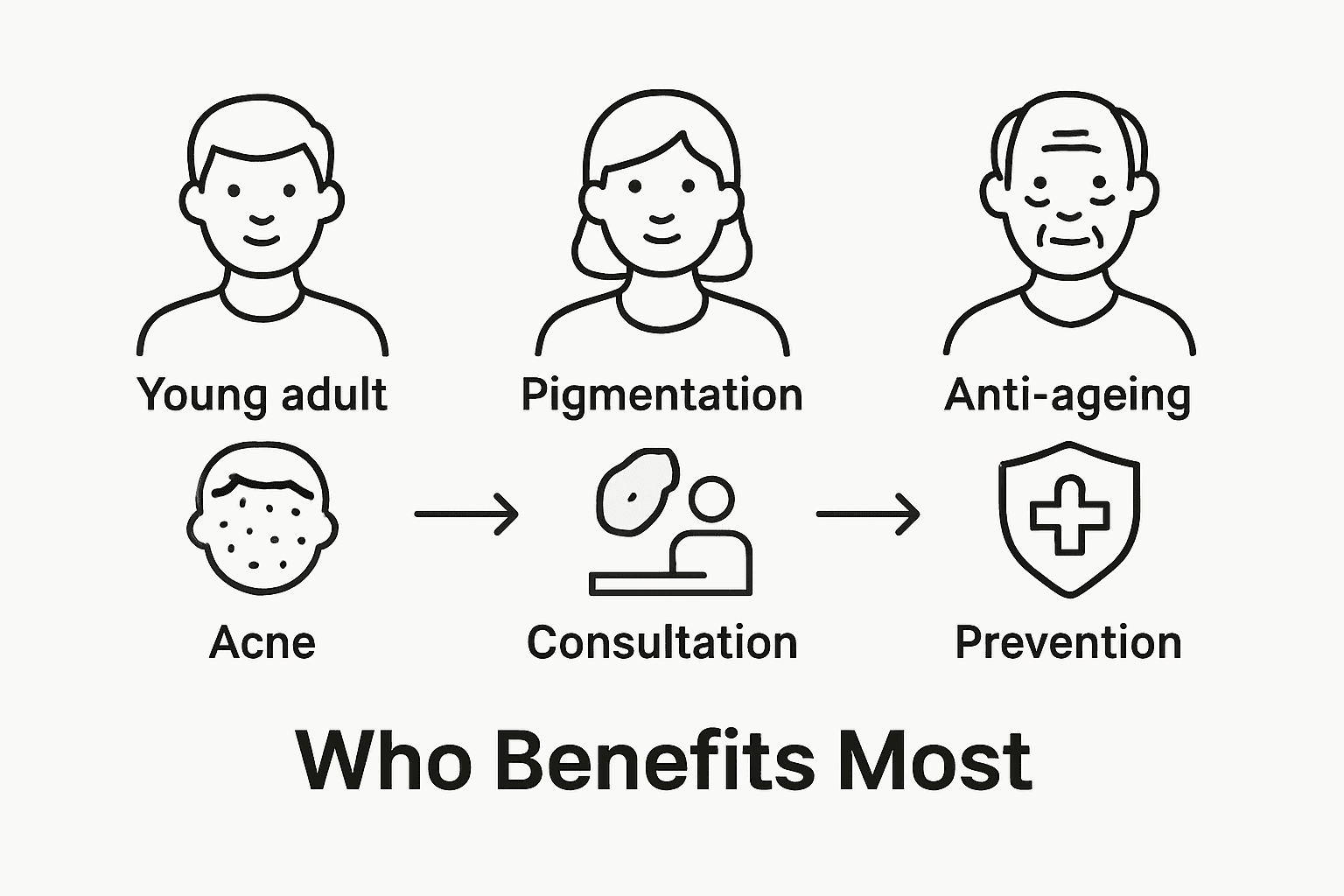
Medical conditions representing ideal candidates for skin clinic interventions encompass a wide spectrum of dermatological challenges. Patients struggling with persistent acne, rosacea, hyperpigmentation, eczema, and sensitive skin conditions can receive personalised, expert-level diagnostic and treatment approaches. People with genetic predispositions to skin irregularities, those recovering from previous skin trauma, and individuals with autoimmune-related skin disorders represent key patient groups who can significantly benefit from specialised dermatological expertise.
Pro Tip: Initial Consultation Strategy: Schedule a comprehensive skin assessment to understand your unique skin profile, potential underlying conditions, and most suitable treatment pathways before committing to any specific intervention.
Costs, Alternatives, and Common Pitfalls
Navigating the landscape of skin clinic treatments requires careful consideration of financial investment and potential alternatives. Skin treatment pricing strategies reveal significant variations in cost, with treatments ranging from affordable interventions to premium personalised packages. Potential patients should understand that prices fluctuate based on treatment complexity, practitioner expertise, and the specific technologies employed.
Treatment alternatives present diverse options for individuals with budget constraints or specific preferences. Non-surgical approaches like topical treatments, over-the-counter skincare products, and at-home therapy regimens offer more economical alternatives to clinical procedures. Discounted treatment options can provide accessible entry points, though patients must exercise caution and thoroughly research the credibility of reduced-price services to avoid compromising treatment quality and safety.
Common pitfalls in selecting skin treatments include prioritising cost over quality, neglecting comprehensive consultations, and failing to verify practitioner credentials. Patients often make critical errors by choosing treatments based solely on price, overlooking the importance of personalised assessment and specialised expertise. Potential risks include ineffective interventions, potential skin damage, and wasted financial resources. Comprehensive research, thorough practitioner vetting, and realistic expectation setting are crucial components of successful skin treatment decision-making.
Below is a summary of common pitfalls when choosing skin clinic treatments compared with recommended best practices:
| Pitfall | Consequence | Best Practice |
|---|---|---|
| Choosing by lowest price | Poor results, wasted money | Prioritise expertise & safety |
| Skipping consultation | Inappropriate treatments | Insist on expert assessment |
| Not checking credentials | Increased risk, complications | Verify practitioner registration |
Pro Tip: Budget-Wise Selection Strategy: Prioritise practitioner expertise and treatment effectiveness over price, and always request detailed treatment plans with transparent costings before committing to any aesthetic intervention.
Discover Expert Skin Treatments Tailored Just for You
Understanding what a skin clinic truly offers can be the first step towards achieving healthier, more radiant skin. If you are seeking personalised solutions for concerns like ageing, pigmentation, or chronic skin conditions, it is essential to trust experienced practitioners who prioritise safety and effective care. At The Aesthetics Room, our dedicated specialists in London’s prestigious Knightsbridge location combine medical expertise with advanced cosmetic treatments to deliver tailored results that enhance your skin’s health and appearance.

Ready to start your journey with a trusted skin clinic that cares about your individual needs? Explore our wide range of Skin Treatments and learn more about the importance of The Consultation to ensure your treatment plan is just right for you. Visit https://theaestheticsroom.co.uk today to book your personalised assessment and take control of your skin’s future with confidence.
Frequently Asked Questions
What services are typically offered at a skin clinic?
Skin clinics offer a range of services that include both medical dermatology treatments for skin conditions like acne and eczema, as well as cosmetic procedures such as chemical peels, laser treatments, and dermal fillers to enhance appearance.
Who should consider visiting a skin clinic?
Individuals dealing with chronic skin conditions such as acne or rosacea, those experiencing premature ageing, or anyone seeking specific aesthetic improvements can benefit from the expertise and services provided by skin clinics.
How do I select the right skin clinic for my needs?
To choose the right skin clinic, verify the qualifications of the practitioners, read patient testimonials, and ensure the clinic is properly registered with recognised professional bodies to guarantee safe and effective treatments.
What should I expect during my first consultation at a skin clinic?
During your initial consultation, you can expect a comprehensive skin assessment where the practitioner will evaluate your skin type, discuss your concerns, and propose personalised treatment options tailored to your specific needs.