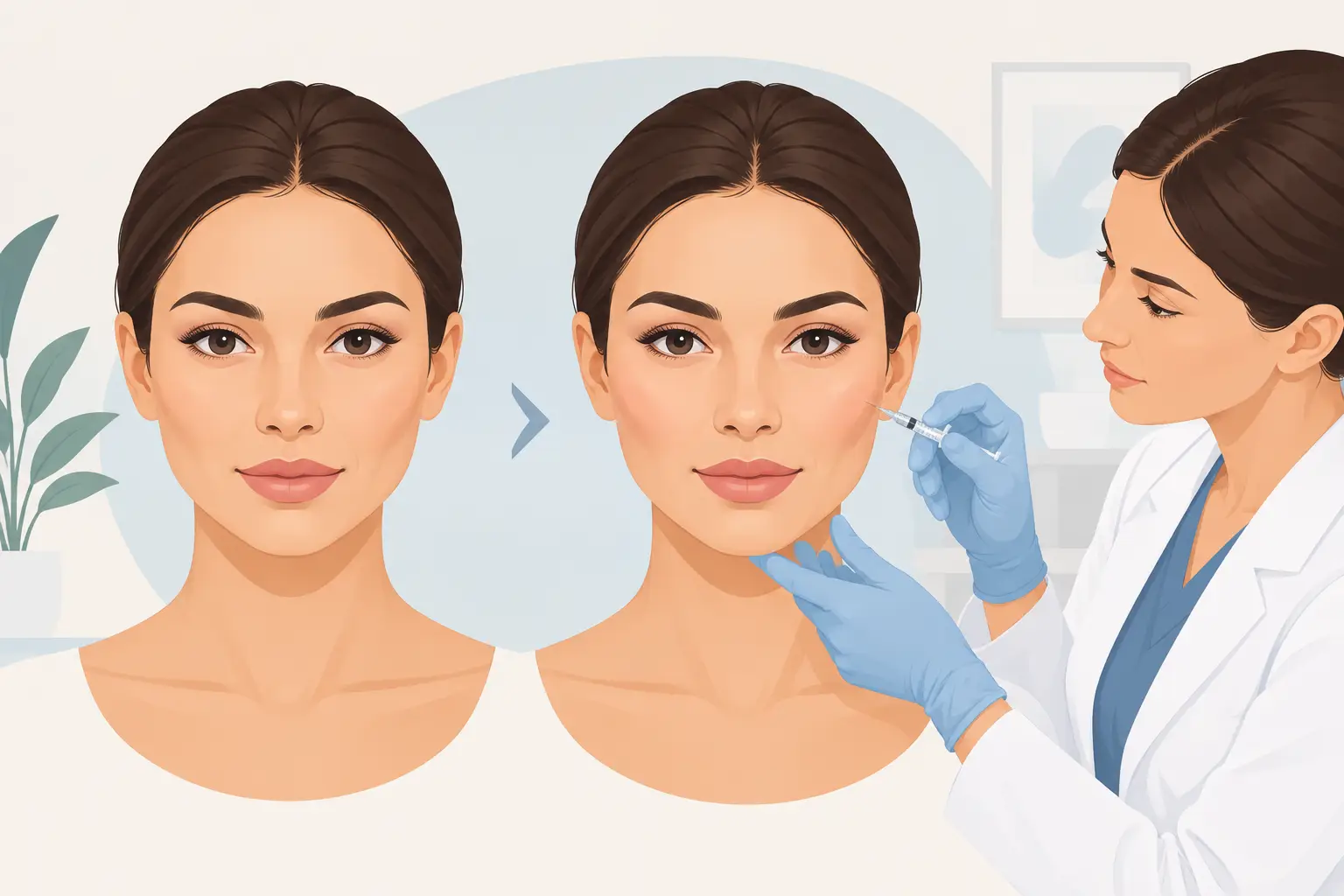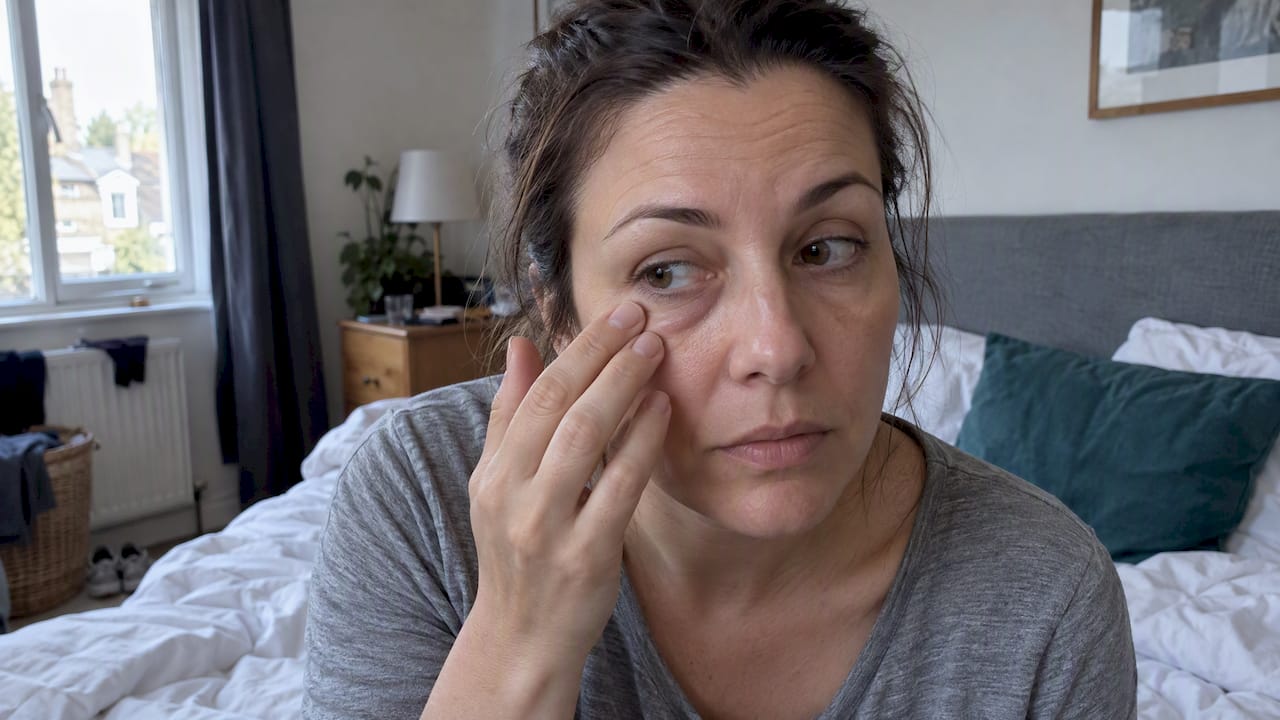
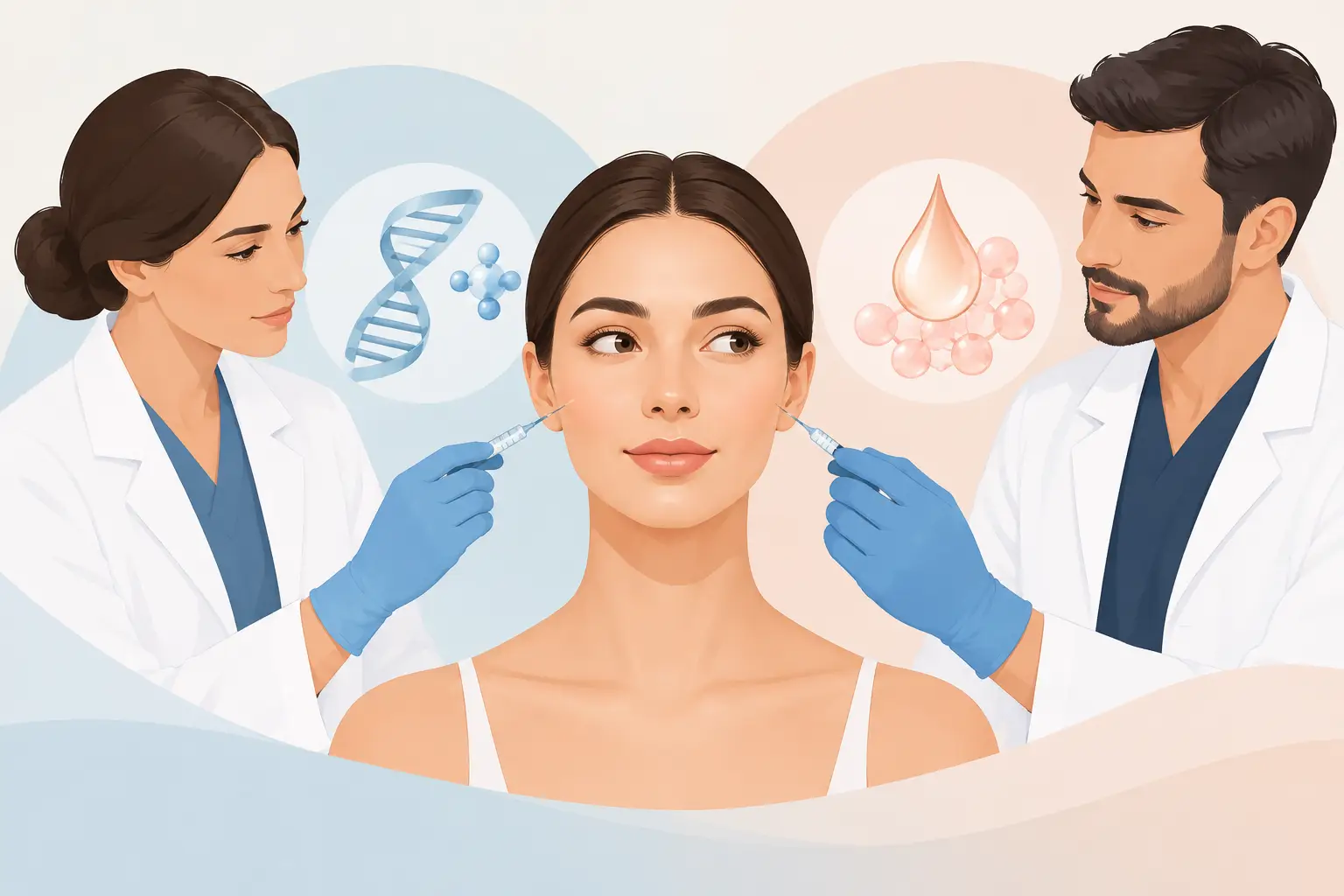

A complexion can look tired long before it looks lined. This is where the choice between polynucleotides vs skin boosters becomes more considered than simply choosing the newest injectable treatment. Both can improve skin quality without changing the shape of your face, but they work in distinctly different ways – and the best option depends on what your skin is asking for.
For patients who value natural-looking, refined results, the aim is not to chase a trend. It is to understand whether the skin needs hydration, repair support, improved texture, or a carefully planned combination of treatments. A detailed consultation is the right place to make that decision.
Polynucleotides vs skin boosters: the key difference
Skin boosters are usually injectable treatments based on hyaluronic acid, a substance that attracts and holds water in the skin. They are designed primarily to boost hydration, softness and radiance from within. Think of them as a way of improving the skin’s moisture environment, particularly where topical skincare is no longer quite enough.
Polynucleotides are regenerative injectable treatments. They contain purified polynucleotide chains, commonly derived from fish DNA, which are selected and processed for medical aesthetic use. Rather than acting principally as an internal hydrator, they are intended to support the skin’s natural repair processes and improve the quality of the tissue over time.
In practical terms, skin boosters tend to be chosen for dehydrated, dull or crepey-looking skin that would benefit from a smoother, more luminous finish. Polynucleotides are often considered where there are signs of compromised skin quality, such as fine lines, reduced elasticity, fragile under-eye skin, textural change or recovery following inflammation. There can be overlap, but they are not interchangeable treatments.
What results can you expect from skin boosters?
A well-chosen skin booster can give skin a fresher, more rested appearance without adding facial volume or altering expression. By improving hydration beneath the surface, it may soften the look of very fine lines and give the complexion a healthier sheen. Common treatment areas include the face, neck, décolletage and hands.
Results are usually gradual rather than instant. Some people notice a hydrated glow within days, while the more meaningful improvement develops over a course of treatments as hydration levels and skin smoothness improve. A maintenance plan is often recommended, because hyaluronic acid is naturally broken down by the body.
Skin boosters can be particularly appealing before an important event, after periods of travel, during colder months, or when skin feels persistently dehydrated despite a strong home skincare routine. They are also a valuable option for patients who want skin improvement but do not want dermal filler.
That said, a skin booster is not designed to correct significant volume loss, lift lax skin or erase deeper lines. It can make the skin look better, but it should not be presented as a substitute for every injectable treatment.
How do polynucleotides work?
Polynucleotides are valued for their tissue-quality focus. Once placed into the skin, they are thought to create an environment that supports fibroblast activity, collagen and elastin production, hydration and cellular repair. The aesthetic effect is typically subtle but significant: skin can look stronger, smoother, more even and more resilient.
They are frequently used in delicate areas where conventional treatments may be less appropriate, particularly around the eyes. The under-eye area is thin and mobile, and concerns such as crepiness, fine lines and a tired appearance often relate to skin quality rather than a simple lack of volume. Polynucleotides may be a suitable part of a plan for this concern, following a careful assessment of anatomy and expectations.
Other popular areas include the face, neck, décolletage, hands and acne-prone or scarred skin. Treatment usually involves a course, with appointments spaced several weeks apart. Results continue to evolve over subsequent weeks and months, so this is best approached as a skin investment rather than a quick fix.
The evidence base for regenerative injectables is evolving, and outcomes vary according to age, skin condition, lifestyle, treatment protocol and individual biology. An experienced practitioner should be clear about what is realistically achievable, rather than promising dramatic transformation.
Which treatment lasts longer?
There is no single answer, because product choice, treatment area, metabolism and the number of sessions all matter. Skin boosters commonly require an initial course followed by top-up treatment every few months, depending on the product used and the desired level of hydration.
With polynucleotides, improvements in skin quality may become more noticeable after a course and can continue to develop as the skin responds. Many patients choose periodic maintenance sessions to protect their result. The visible longevity is not only about how long a product remains in the skin; it is also about the biological response it encourages.
It is worth being wary of clinics that quote a precise duration without assessing you. Your practitioner should discuss the likely timeline for your own skin and create a maintenance plan that fits your goals, budget and diary.
Choosing based on your skin concern
If your main concern is dehydration, a loss of glow or make-up sitting poorly on the skin, a hyaluronic-acid skin booster may be the more direct choice. It can be an elegant first injectable treatment for patients who want freshness without visible facial change.
If you are noticing delicate, thinning or less resilient skin, fine lines around the eyes, uneven texture or post-inflammatory changes, polynucleotides may offer a more targeted route towards improved tissue quality. They can suit patients who are prepared to wait for gradual, regenerative-looking improvement.
For some patients, the best plan may include both treatments at different stages. Polynucleotides can address longer-term skin quality, while a skin booster can optimise hydration and radiance. Timing matters, however. Combining treatments should be clinically planned, not selected as an add-on simply because both are popular.
Age alone does not determine suitability. A person in their late twenties with stressed, dehydrated skin may benefit from a skin booster, while someone in their forties with good hydration but fragile under-eye skin may be a stronger candidate for polynucleotides. Your skin history matters more than a treatment trend.
Safety, suitability and recovery
Both treatments involve injections and should be performed by appropriately trained medical aesthetic practitioners in a clean, clinical environment. At The Aesthetics Room, treatment planning begins with listening to your concerns, reviewing your medical history and assessing the skin in person or through a suitable consultation pathway.
Temporary redness, swelling, tenderness and small raised areas at injection points are possible with either treatment. These usually settle, but the exact recovery experience depends on the area treated and the injection technique. Bruising can occur, so it is sensible to schedule treatments with a little space before a major occasion.
Not everyone is suitable. Pregnancy and breastfeeding, active skin infection, certain autoimmune conditions, allergies to ingredients, blood-thinning medication and a history of particular reactions may affect whether treatment is advisable. Polynucleotides derived from fish require particular consideration for anyone with a relevant fish allergy. Never minimise your medical history in the hope of proceeding with a treatment.
A good consultation should also distinguish skin-quality concerns from issues that may need a different approach. Persistent pigmentation, active acne, rosacea, substantial laxity and under-eye hollows each require their own assessment. Sometimes medical-grade skincare, chemical peels, energy-based treatments, filler, anti-wrinkle treatment or a broader version of our 7 pillar skin optimisation protocol may be more appropriate.
The value of a bespoke treatment plan
The most successful injectable skin treatments are often the least obvious. Friends may comment that you look well, rather than asking what you have had done. Achieving that understated result requires more than selecting a product: it requires accurate diagnosis, considered technique and a plan that respects your facial anatomy.
Before treatment, ask what the product is intended to improve, how many sessions are recommended, what the realistic result looks like and whether there is a more suitable alternative. You should feel informed, never rushed into a package.
The right choice is the treatment that answers your skin’s current needs while preserving the natural character of your face. When the plan is personalised and medically led, better skin can become a quiet source of confidence rather than an obvious intervention.