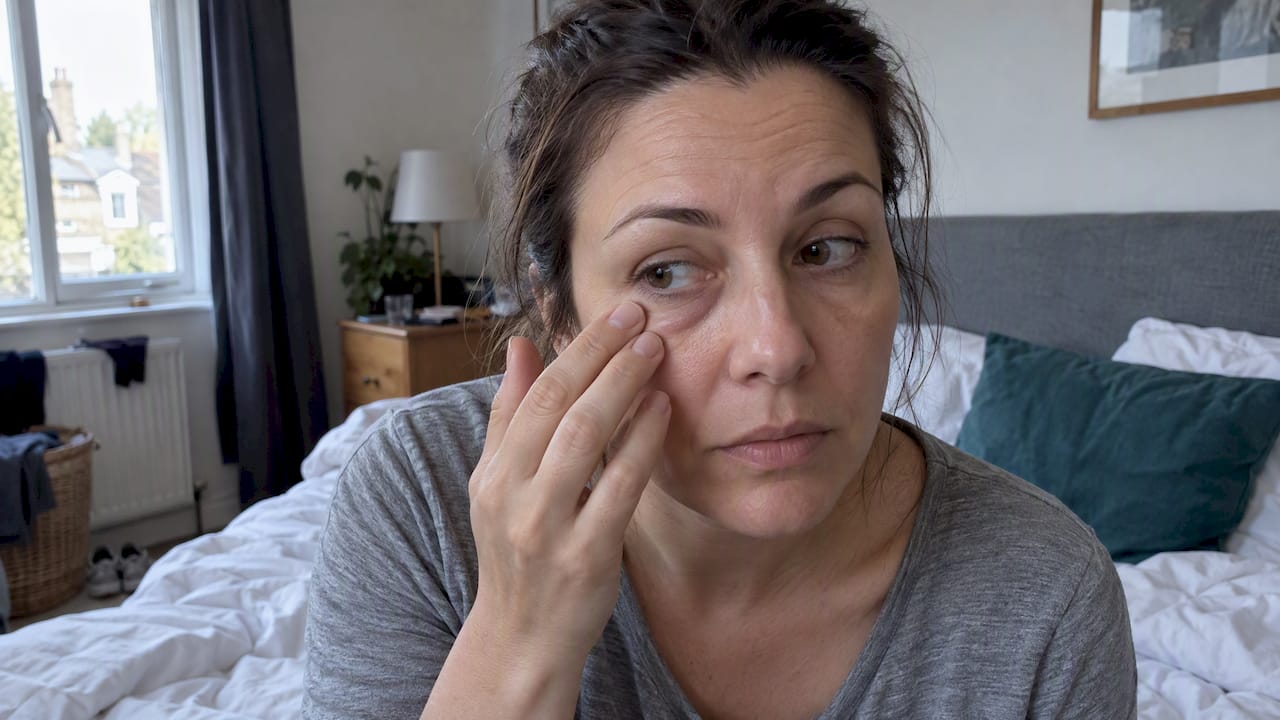


Good skin rarely comes from a single cream, one facial or a quick fix. At The Aesthetics Room in Knightsbridge, our 7 Pillar Skin Optimisation Protocol is a medically-led skin health programme designed to treat acne, pigmentation, rosacea, ageing, dullness and barrier damage by addressing both the visible symptoms and the internal causes of poor skin health. That matters because skin concerns are often layered. What shows up on the surface is not always where the problem starts.
For many patients, the frustration is not a lack of effort. It is doing all the right-looking things and still seeing breakouts, redness, uneven tone or skin that never quite looks healthy. A more intelligent approach begins with proper assessment. Instead of treating skin as a cosmetic issue alone, a medically-led protocol looks at inflammation, hormones, nutrition, lifestyle, product misuse, circulation, hydration and the integrity of the skin barrier alongside the visible condition of the skin itself.
Why a medically-led approach matters
Acne, pigmentation, rosacea and premature ageing can overlap. A patient may arrive wanting help with fine lines, only to discover that chronic dehydration, low-grade inflammation and a compromised barrier are making the skin appear older than it is. Another may believe they have acne-prone skin when in fact they are dealing with irritation, congestion and post-inflammatory pigmentation caused by using products that are too aggressive.
This is where a medical consultation changes the quality of care. Rather than choosing treatments in isolation, the skin is assessed in context. That allows for a plan that is not only more precise, but also safer. Particularly with rosacea, darker skin tones, active acne or barrier damage, overtreatment can worsen the very concern a patient wants to improve.
What the 7 Pillar Skin Optimisation Protocol is designed to do
The purpose of the 7 Pillar Skin Optimisation Protocol is to create healthier skin function, not simply a temporary glow. That means calming inflammation, improving resilience, supporting repair and selecting treatments according to what the skin can tolerate at each stage.
For acne, that may involve reducing triggers, managing excess oil, improving congestion and supporting healing without stripping the skin. For pigmentation, the focus may be on identifying whether the cause is sun exposure, inflammation, hormones or irritation, then treating it in a way that limits recurrence. For rosacea, the priority is often to stabilise the skin first, because reactive skin rarely responds well to an overly enthusiastic treatment plan.
Ageing and dullness are approached in the same measured way. Lines, laxity and uneven texture are influenced by collagen loss, oxidative stress, dehydration and daily habits. If the barrier is weak, skin can look tired, rough and older even before deeper structural changes are addressed. By building treatment around skin health first, results are typically more consistent and more natural-looking.
The 7 Pillar Skin Optimisation Protocol in practice
A protocol like this is not a single treatment menu dressed up with a new name. It is a framework for bespoke care. The seven pillars may include detailed skin analysis, clinical in-clinic treatment planning, medical-grade home care, barrier repair, internal health assessment, lifestyle guidance and ongoing review. The exact balance depends on the individual.
That point is important. A patient with adult acne and pigmentation will not need the same plan as someone with rosacea and early signs of collagen loss. Equally, somebody preparing for an event may need a different treatment timeline from somebody looking for long-term skin correction. Good care is not about doing more. It is about doing what is appropriate, in the right order, for the right reason.
Who benefits most from this kind of programme
Patients who tend to benefit most are those who feel they have tried everything without fully understanding why their skin is behaving as it is. It is also particularly valuable for people who want expert guidance rather than guesswork, and for those who are wary of generic facials or one-size-fits-all packages.
A medically-led programme suits patients who value discretion, safety and a tailored plan. It is also well suited to those with multiple concerns at once, because skin rarely reads textbooks. Acne can exist alongside sensitivity. Pigmentation can sit alongside ageing. Dullness can be a surface issue, but it can also be a sign that the skin barrier, circulation or broader wellbeing needs attention.
Why bespoke planning gives better results
The best skin results are rarely dramatic overnight transformations. More often, they come from a sequence of well-judged decisions. When treatment is personalised, the practitioner can adjust according to response, season, stress levels, hormonal shifts and tolerance. That is especially relevant for patients with busy professional lives, frequent travel, high stress or previous treatment experiences that have left the skin sensitised.
In a premium clinical setting, bespoke planning should also mean clarity. Patients should understand what is being treated, why it is being treated, how long improvement may take and where expectations need to be realistic. Some concerns, such as rosacea or hormonally driven acne, require management rather than a permanent cure. Honest guidance builds trust and usually leads to better outcomes.
Healthy skin is not simply brighter skin. It is calmer, stronger, more even and more resilient. When a protocol addresses both the visible symptoms and the internal drivers, treatment becomes less reactive and far more effective. That is where meaningful skin optimisation begins.