

TL;DR:
- Many people mistakenly believe neuromodulator injections cause a frozen, expressionless face.
- Properly administered, these treatments relax targeted muscles to soften wrinkles while preserving natural movement.
Many people hear “neuromodulator injection” and picture a frozen, expressionless face. That image is one of the most persistent misconceptions in aesthetics. A neuromodulator injection is a precisely targeted treatment using purified botulinum toxin to relax specific muscles, softening dynamic wrinkles without erasing natural expression. Used across both cosmetic and medical contexts, these injections are among the most studied and requested treatments worldwide. This article explains how they work, what to expect, their full range of uses, and how to protect yourself by choosing the right clinic and clinician.
Table of Contents
- Key takeaways
- What is a neuromodulator injection and how does it work?
- Cosmetic uses and neuromodulator injection benefits
- Medical applications beyond aesthetics
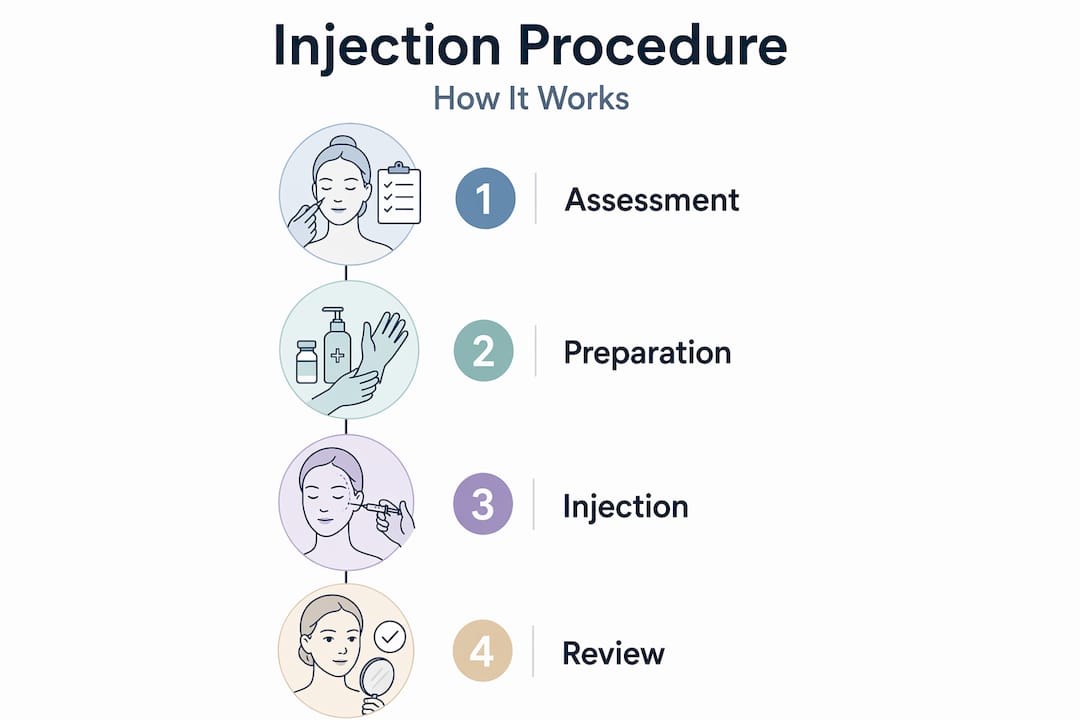
- The injection procedure and what to expect
- Risks, side effects, and choosing a clinic safely
- My perspective: what patients consistently get wrong
- Discover neuromodulator treatments at Theaestheticsroom
- FAQ
Key takeaways
| Point | Details |
|---|---|
| Targeted muscle relaxation | Neuromodulators relax specific muscles only, preserving natural facial movement when administered correctly. |
| Cosmetic and medical uses | Treatments address wrinkles, migraines, hyperhidrosis, spasticity, and cervical dystonia, among other conditions. |
| Effects are temporary | Results typically last 3 to 6 months, requiring repeat treatments to maintain outcomes. |
| Clinician skill is critical | Natural results and safety depend on anatomy knowledge, product authenticity, and correct dosing. |
| Side effects are usually mild | Redness, tenderness, and bruising at the injection site resolve within days for most patients. |
What is a neuromodulator injection and how does it work?
A neuromodulator injection delivers a purified form of botulinum toxin directly into a targeted muscle or group of muscles. The toxin works by blocking acetylcholine release at the neuromuscular junction. Acetylcholine is the chemical messenger that tells a muscle to contract. When its release is interrupted, the muscle relaxes temporarily rather than firing normally.
This targeted relaxation is the key to understanding why these injections do not produce a frozen appearance when performed correctly. A skilled injector targets only the muscles responsible for specific movements, leaving adjacent muscles fully functional. The result is smoother skin over the treated area, while the rest of the face continues to move naturally.
Here is what happens at a physiological level:
- The botulinum toxin binds to nerve terminals at the injection site
- Acetylcholine cannot be released across the neuromuscular junction
- The muscle relaxes and stops contracting with the same force
- Overlying skin, no longer being repeatedly creased, begins to smooth out
- The effect is temporary because nerve terminals regenerate over time
The treatment targets dynamic wrinkles, which are lines caused by repeated muscle movement such as frowning, squinting, or raising the eyebrows. Static wrinkles, which are present at rest, respond less directly and may require complementary treatments. Understanding how anti-wrinkle injections work in this way helps set realistic expectations from the outset.
Pro Tip: Ask your clinician which specific muscles they plan to target before treatment. A confident, knowledgeable practitioner will explain their approach clearly, and that transparency is itself a strong signal of quality.
Cosmetic uses and neuromodulator injection benefits
The cosmetic application of neuromodulator injections is broad, and the treatment addresses moderate to severe frown lines, forehead lines, and crow’s feet as standard. These are the three most commonly treated areas, but experienced injectors also address brow position, lip lines, chin dimpling, jaw clenching, and neck bands.
The typical cosmetic treatment journey follows a predictable and reassuring pattern:
- Consultation: Your clinician assesses your facial anatomy, discusses your goals, and designs an injection plan tailored to your muscle activity and skin condition.
- Treatment: The procedure takes approximately 30 minutes. Fine needles deliver small, precise amounts of product into pre-mapped points. Discomfort is minimal.
- Initial onset: Effects become visible within 3 to 4 days, with maximum effect usually reached around the two-week mark.
- Peak results: Treated lines soften noticeably. The face looks refreshed rather than altered, when the injector has selected the right muscles and doses.
- Duration: Results typically last between 3 and 6 months. Product choice, dosage, individual metabolism, and muscle strength all influence longevity.
- Follow-up: A review appointment approximately two weeks post-treatment allows your clinician to assess the result and make any fine adjustments.
One aspect often overlooked is how neuromodulators complement other treatments. Combined with dermal fillers, which restore volume, or with skin-rejuvenating procedures, neuromodulators contribute to a more complete aesthetic outcome. Understanding how long dermal fillers last alongside neuromodulator timelines helps you plan a cohesive maintenance programme.
Pro Tip: Schedule your follow-up appointment at the time of your initial treatment. The two-week review is not optional courtesy. It is where fine-tuning happens, and skipping it means leaving potential improvement on the table.
Medical applications beyond aesthetics
Neuromodulator injections have a well-established therapeutic track record that extends far beyond wrinkle reduction. The medical applications are arguably just as significant as the cosmetic ones, and in many cases, the same mechanism that smooths a forehead line also relieves debilitating physical symptoms.
The conditions commonly treated include chronic migraines, spasticity, dystonias, hyperhidrosis, and certain eye conditions. Each condition benefits from the same core mechanism, though dosing, injection sites, and treatment frequency differ considerably from cosmetic protocols.
- Chronic migraine: Injections are administered at multiple sites across the head and neck. The mechanism is not fully understood, but it appears to reduce pain signalling and muscle tension that contribute to migraine frequency and severity.
- Spasticity: Following stroke or neurological conditions, muscles can become abnormally tight. Botulinum toxin treats post-stroke spasticity by relaxing overactive muscles, improving movement and reducing pain.
- Cervical dystonia: This condition involves involuntary neck muscle contractions causing abnormal head posture. Neuromodulator injections directly relax the responsible muscles, providing meaningful relief.
- Hyperhidrosis: Excessive sweating in the underarms, palms, or feet is treated by injecting the toxin into sweat glands, blocking the nerve signals that trigger overproduction of sweat.
- Blepharospasm and strabismus: Involuntary eyelid spasms and misaligned eye muscles respond well to carefully placed injections, restoring normal function.
The doses used in therapeutic settings are often higher than those used cosmetically, and the treatment goals are entirely different. Medical treatments focus on functional improvement and quality of life, and are typically delivered under specialist care. Repeat treatments remain necessary because the effects are temporary across all applications.
The injection procedure and what to expect
Understanding the procedure from start to finish removes anxiety and helps you prepare properly. A typical appointment is an outpatient session of around 30 minutes, conducted in a clinical setting by a trained practitioner.

A topical anaesthetic cream may be applied beforehand to maximise comfort, though many patients find the injections themselves cause only minimal sensation. The clinician uses fine-gauge needles and delivers small volumes of product into pre-mapped muscle points. The number of injection sites varies depending on the treatment area and the degree of correction required.
Before your appointment:
- Avoid blood-thinning medications such as aspirin or ibuprofen for several days beforehand, where medically appropriate
- Minimise alcohol consumption in the 24 hours before treatment
- Arrive with a clean face, free of heavy make-up
- Bring a list of any medications or supplements you take
After your appointment:
- Avoid strenuous exercise for the remainder of the day, as increased blood flow can affect diffusion of the product
- Do not massage or apply pressure to treated areas
- Avoid extreme heat, including saunas and sunbathing, for 24 hours
- Stay upright for at least four hours post-injection
The following table summarises the typical post-treatment timeline:
| Timeframe | What to expect |
|---|---|
| 0 to 24 hours | Mild redness, tenderness, or swelling at injection sites |
| 3 to 4 days | Initial muscle relaxation begins; first results become visible |
| 7 to 14 days | Maximum effect reached; final result apparent |
| 2 weeks | Follow-up appointment to optimise results and address any asymmetry |
| 3 to 6 months | Effects gradually wear off as nerve terminals regenerate |
Risks, side effects, and choosing a clinic safely
Honest safety information builds confidence rather than fear. The common cosmetic side effects include mild redness, swelling, tenderness, and bruising at the injection site. These typically resolve within a few days. Bruising, known as ecchymosis, can occasionally persist for up to two weeks but is not a sign of a problem.
Serious systemic side effects are rare and are predominantly associated with high therapeutic doses rather than standard cosmetic treatments. Setting realistic expectations about mild side effects reduces patient anxiety considerably and helps you interpret normal post-treatment sensations with confidence.
The risks worth taking seriously are those linked to poor practice rather than the treatment itself:
- Counterfeit products: FDA alerts have documented hospitalisations linked to fake botulinum toxin products. Always confirm that your clinic uses authenticated, regulated products from authorised suppliers.
- Undertrained injectors: The key to natural results is precise anatomy knowledge and injection planning. Clinicians without adequate training increase the risk of unintended muscle effects, asymmetry, or complications such as eyelid ptosis.
- Incorrect dosing: Different neuromodulator brands are not interchangeable dose for dose. Pharmacological differences between products require careful selection and dosing by a clinician who understands each product’s profile.
“Procedural safety depends heavily on clinician training, product authentication and correct dosing. Patient awareness is one of the most effective tools for preventing serious adverse events.” — New York Presbyterian Health Matters
When choosing a clinic, look for CQC accreditation, verifiable clinician credentials, and a consultation process that allows you to ask questions before committing to treatment. A reputable clinic welcomes scrutiny. Read about facial anatomy for injectables to better understand what safety-conscious practice looks like in real terms.
My perspective: what patients consistently get wrong
I have observed a clear pattern in the patients who leave consultations feeling uncertain or disappointed, and it almost never comes down to the treatment itself. It comes down to mismatched expectations and the wrong choice of clinician.
The “frozen face” fear is real, but it is largely a product of poorly performed treatments. When botulinum toxin products are chosen and dosed carefully, with attention to each product’s onset, peak effect, and duration, the results preserve movement and character. The goal is never total immobility. It is selective relaxation that lets you look like yourself, only rested and refreshed.
What I find patients consistently undervalue is the consultation. They research the treatment extensively but spend very little time evaluating the person administering it. The injector’s anatomy knowledge, honesty about what is achievable, and willingness to recommend a conservative approach where appropriate matter far more than price or convenience. The best outcomes come from clinicians who say “less is more” and mean it.
My honest advice: prioritise the conversation before the appointment. Ask about dosing rationale, product choice, and what happens if you are not satisfied. The answers will tell you everything you need to know.
— Vishul
Discover neuromodulator treatments at Theaestheticsroom
If you are considering a neuromodulator injection, choosing the right clinic is the most important decision you will make. At Theaestheticsroom, we offer a full range of Botox and neuromodulator treatments delivered by experienced, CQC-accredited clinicians at our Knightsbridge, Harley Street, and Mayfair locations.

Every treatment begins with a thorough consultation, whether virtual or in person, where we assess your anatomy, discuss your goals, and design a plan that prioritises natural results and your safety. We use only authenticated, regulated products and follow strict aftercare protocols to support you through every stage of your treatment. Our clinicians are trained to advise on both cosmetic and medical applications, ensuring your treatment is appropriate for your individual needs. Book a consultation today and take the first step towards results you can trust.
FAQ
What is a neuromodulator injection used for?
A neuromodulator injection is used to temporarily relax specific muscles, treating dynamic wrinkles cosmetically and medical conditions such as migraines, hyperhidrosis, spasticity, and cervical dystonia therapeutically.
How long do neuromodulator injections last?
Results typically become visible within 3 to 4 days of treatment and last between 3 and 6 months, depending on the product used, dosage, and individual metabolism.
Is a neuromodulator the same as Botox?
Botox is one brand of neuromodulator injection. The term “neuromodulator” covers all botulinum toxin products, of which several regulated brands exist, each with different dosing profiles and licensed indications.
What are the most common side effects?
The most common side effects are mild redness, tenderness, swelling, and occasional bruising at the injection site, all of which typically resolve within a few days to two weeks.
How do I know if a neuromodulator injection is right for me?
A consultation with a qualified clinician is the right starting point. They will assess your facial anatomy, health history, and treatment goals to confirm whether a neuromodulator injection is appropriate and which product and dose are best suited to you.