

TL;DR:
- Harley Street’s reputation depends on verified credentials rather than its postcode alone.
- Patients should check for CQC registration, professional registration numbers, and documented aftercare.
Harley Street often signals access to senior clinicians, multidisciplinary teams, and well-equipped private facilities — but the postcode alone carries no regulatory guarantee of safety or quality. That distinction matters practically, because complaints about pop-up practitioners in the area rose from 18 to 118 over five years, according to Save Face. The address can be rented by the hour, and some operators with minimal training present themselves as “Harley Street specialists” on that basis alone.
What Harley Street does offer, at its best, is concentration: decades of specialist medical practice, access to surgical backup if complications arise, and clinics with established governance structures. The challenge for patients is separating those established practices from transient operators who exploit prestige postcodes to lend credibility to under-qualified services.
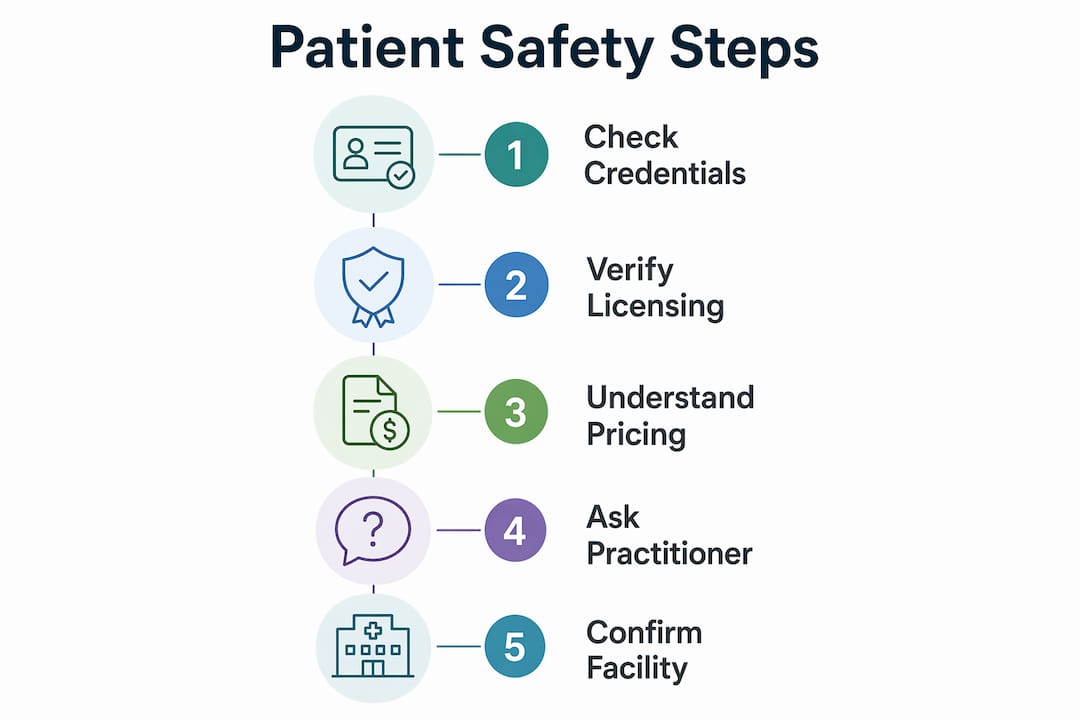
Before you book anywhere on Harley Street, verify these signals:
- CQC registration — the Care Quality Commission regulates clinics that perform surgical or implanting procedures; most non-surgical injectables (Botox, dermal fillers) fall outside its scope, so CQC registration is a meaningful signal where it exists, not a universal requirement
- GMC or NMC number — every doctor holds a unique GMC number; nurses are registered with the NMC; ask for it and verify it on the relevant register
- Professional Standards Authority–accredited register — bodies such as Save Face hold government-approved, searchable databases of vetted practitioners
- ACE Group membership — the ACE Group is a patient-safety–focused network; membership indicates a commitment to clinical governance beyond the legal minimum
- Written consent and aftercare documentation — a reputable clinic provides a documented treatment plan and a clear aftercare protocol before any procedure begins
Pro Tip: Botox is a prescription-only medicine. Any clinic offering it must have a qualified prescriber — a doctor, nurse prescriber, or dentist — conduct a face-to-face consultation before treatment. If that step is skipped or rushed, walk away.
The Health and Care Act 2022 grants powers to licence non-surgical cosmetic procedures and premises in England, but secondary regulations are still being implemented. Until that framework is fully in force, the burden of vetting sits firmly with the patient. Unregulated pop-up clinics continue to operate, and professional bodies urge patients to insist on seeing the specific clinician who will carry out their procedure — not a representative who hands off to someone else on the day.

Red flags to watch for: surprisingly low prices, “three areas for the price of one” offers, no verifiable practitioner registration number, and a clinic that cannot tell you the exact product being administered or where it was sourced.
Table of Contents
Theaestheticsroom: a vetted example of how good practice looks
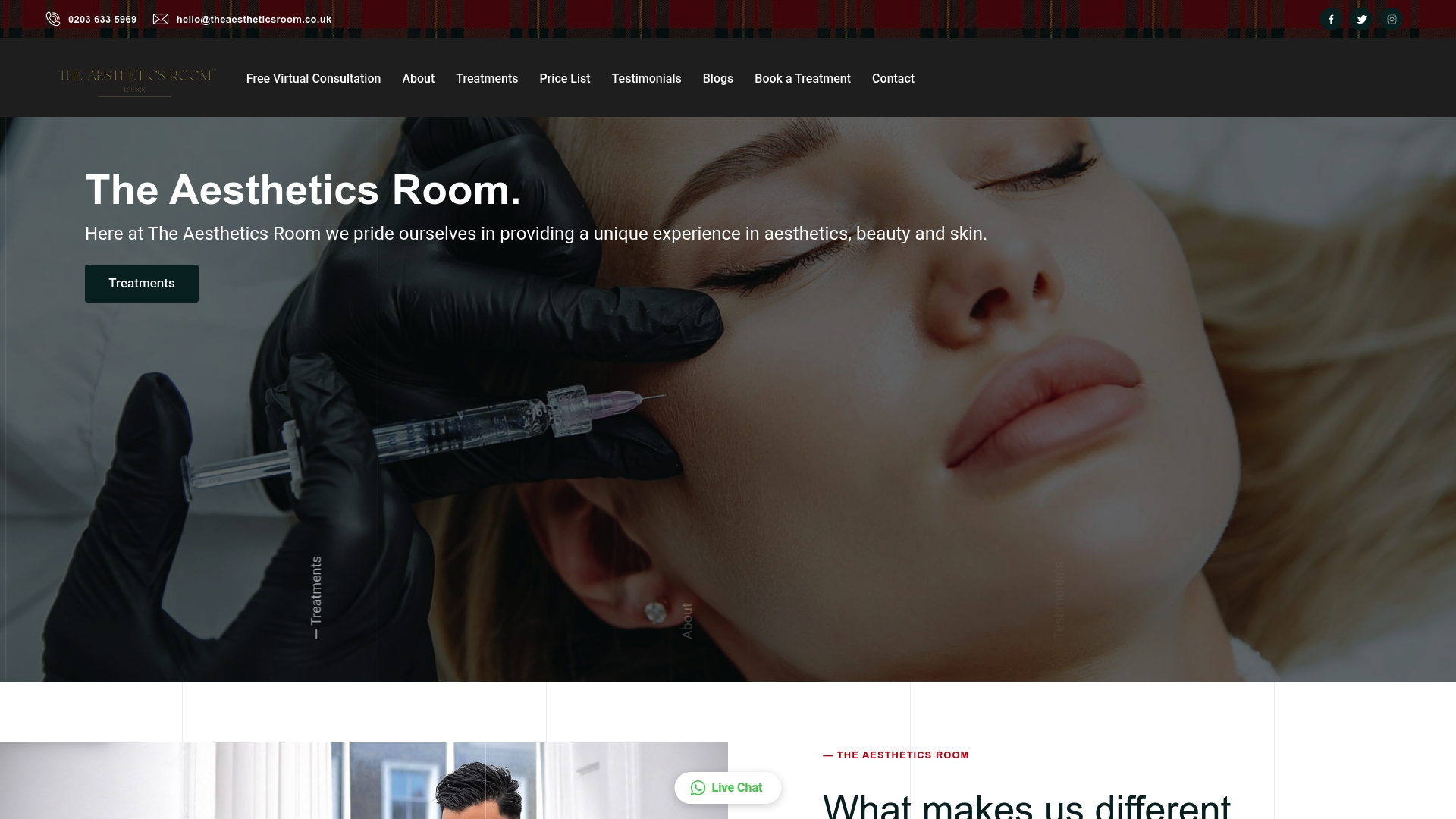
Theaestheticsroom operates from Knightsbridge and Harley Street, and meets the trust signals above in verifiable ways. The clinic holds CQC accreditation and is a member of the ACE Group, the patient-safety network referenced throughout this guide. Treatments include Botox, dermal fillers, skin rejuvenation, and fat-dissolving injections, all delivered by registered practitioners with documented treatment plans and aftercare protocols.
Booking is straightforward: visit the website to arrange a virtual or in-person consultation, arrive with your questions about practitioner registration and the specific products to be used, and expect a written consent and aftercare timetable before any treatment proceeds. That process is what choosing a clinic safely actually looks like in practice.
Key takeaways
Harley Street prestige is meaningful only when backed by verifiable credentials — CQC registration, GMC/NMC numbers, PSA-accredited register listings, and ACE Group membership are the signals that count.
| Point | Details |
|---|---|
| Postcode is not a guarantee | Harley Street rooms can be rented by the hour; credentials must be verified independently. |
| CQC has limits | CQC covers surgical and implanting procedures; most non-surgical injectables sit outside its scope. |
| Complaints have risen sharply | Save Face recorded an increase in complaints about pop-up practitioners from 18 to 118 over five years. |
| Four signals to check | GMC/NMC number, PSA-accredited register, ACE Group membership, and written aftercare documentation. |
| Theaestheticsroom | CQC-accredited and ACE Group member, with registered practitioners and documented consent processes at Knightsbridge and Harley Street. |