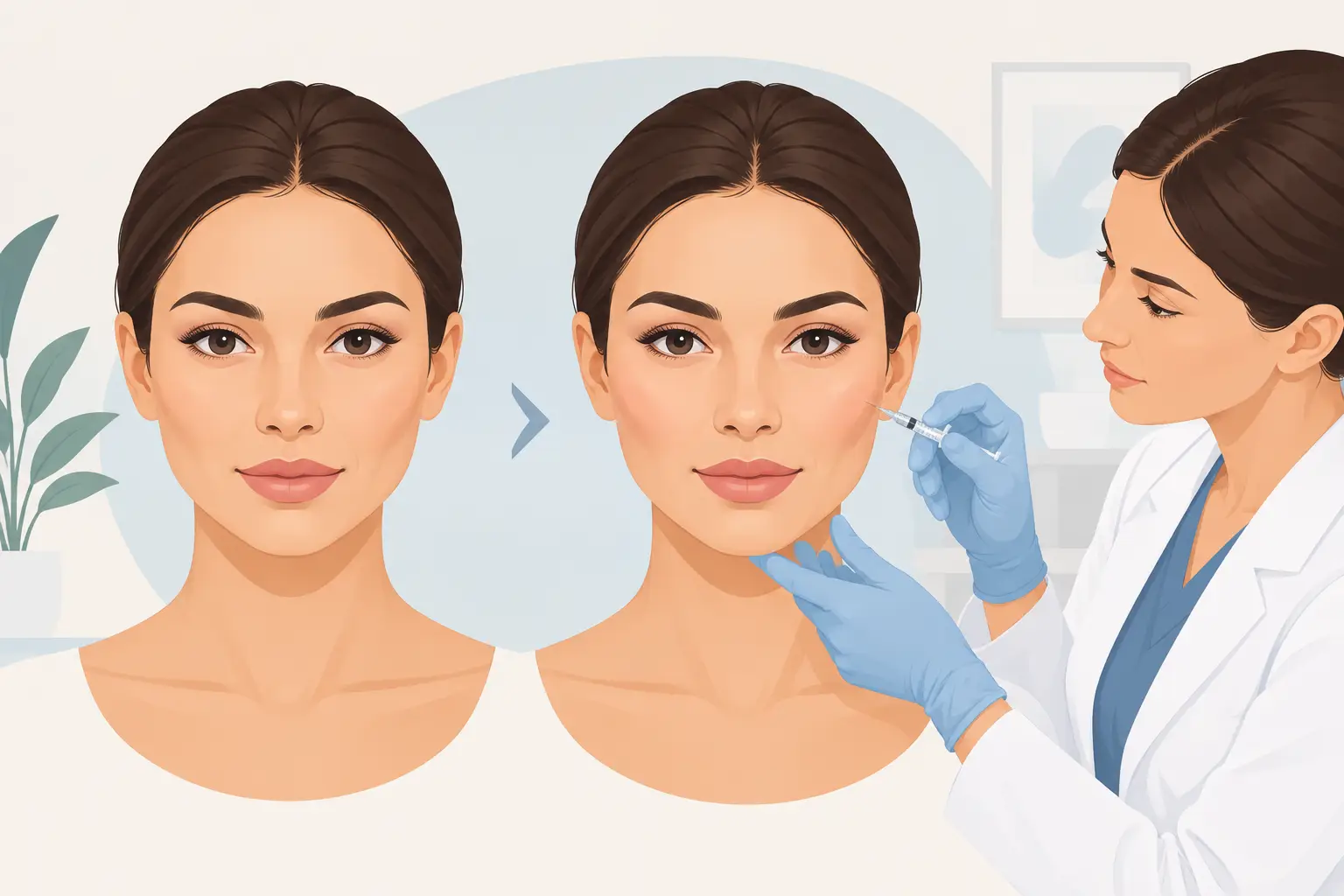

A well-executed cheek filler before and after result should rarely look as though you have had filler at all. Instead, the face tends to look more rested, balanced and gently lifted – with improved contour where age, weight change or natural facial anatomy has left the mid-face looking flat or tired.
That distinction matters. Cheek filler is not simply about creating prominent cheekbones. In skilled hands, it can restore structural support, soften the appearance of shadows around the mid-face and help the whole face appear more proportionate. The most flattering outcome is individual: a subtle refinement for one person may be a more defined lateral cheek or carefully restored volume for another.
What cheek filler before and after changes can show
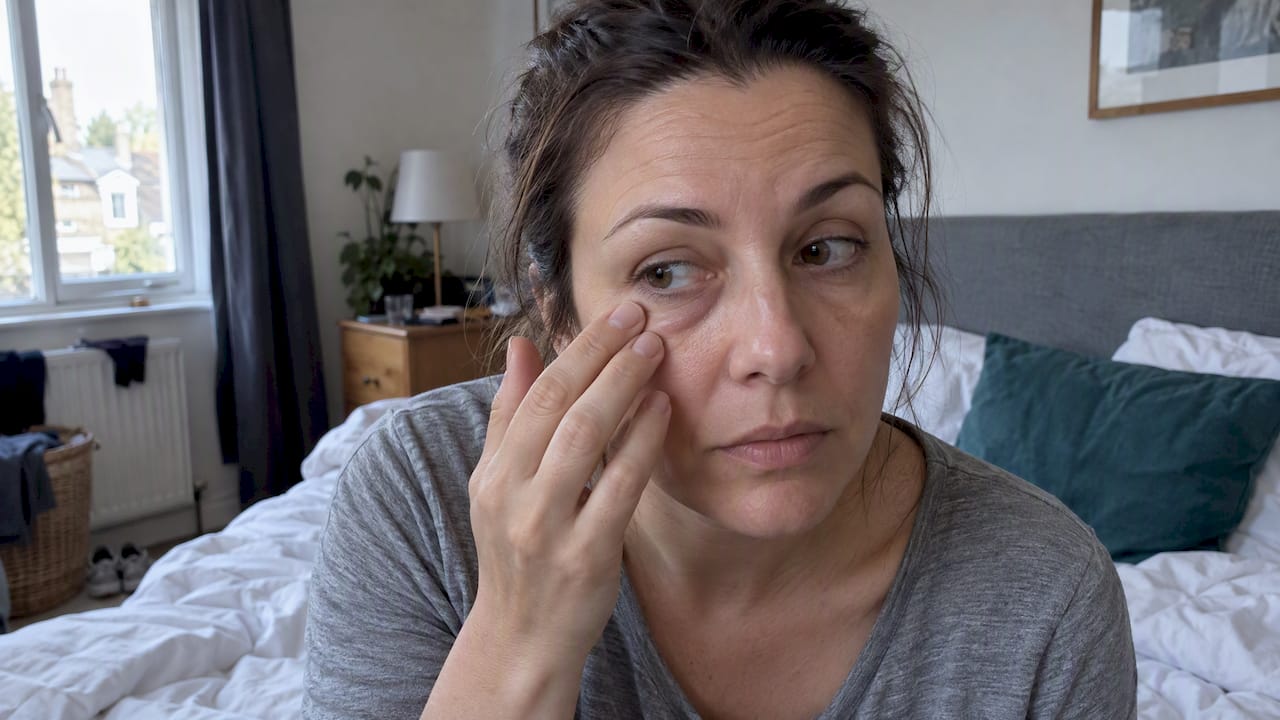
Before treatment, patients commonly notice a loss of cheek projection, a hollowed mid-face, deeper nasolabial folds or a face that appears less supported than it once did. These changes can develop gradually with age as facial fat pads shift, collagen declines and bone structure subtly remodels. They can also be entirely genetic.
After cheek filler, the visible change may include a smoother transition from the under-eye area to the cheek, greater definition through the cheekbone and a modest lift in the lower face. Because the cheeks provide foundational support, strategically placed volume can sometimes improve the appearance of neighbouring areas without treating every line directly.
The degree of change depends on your starting point, facial proportions, skin quality and the amount and type of filler selected. A photograph can be useful for discussing goals, but it cannot replace an in-person assessment. Lighting, make-up, facial expression, camera angle and post-treatment swelling all influence before-and-after images.
Natural-looking results are about proportion, not volume
A common concern is looking overfilled. This usually comes from a one-size-fits-all approach, excessive product, unsuitable placement or a plan that ignores the face as a whole. More filler is not necessarily better filler.
A considered treatment plan assesses cheek projection in relation to the chin, jawline, temples, lips and under-eye area. It also accounts for facial movement and profile, not just the straight-on view in a mirror. For some patients, a small amount placed high and laterally creates the desired refinement. For others, the priority is restoring central mid-face support rather than adding visible width.
At The Aesthetics Room, consultation-led care is central to this process. Your practitioner should listen to what you see, assess what is causing the concern and be honest about whether cheek filler is the right treatment. In some cases, skin treatments, anti-wrinkle treatment, another filler approach or no injectable treatment at all may be more appropriate.
The timeline: from treatment day to settled results
Cheek filler uses a hyaluronic acid dermal filler, placed with a needle, cannula or a combination of techniques depending on the treatment plan. The appointment often includes photography, facial assessment, consent and aftercare guidance, so allow time to make decisions without feeling rushed.
An immediate improvement is usually visible, but it is not the final result. Mild swelling, tenderness, redness and occasional bruising are possible. Cheek filler can look slightly fuller or less symmetrical in the first few days as swelling settles at different rates on each side.
Most people feel comfortable returning to normal social activities quickly, although it is sensible to schedule treatment away from an important event where possible. Allow around two weeks before judging the settled outcome or arranging a review, particularly if you are having filler for the first time. Your practitioner can advise when a small adjustment is clinically appropriate, rather than treating too soon.
Results commonly last around 12 to 18 months, though this varies. Product choice, metabolism, the volume used, facial movement and lifestyle all play a part. Filler does not stop the ageing process, so maintenance should be based on how your face changes and how you feel, not a fixed rule to add more at every appointment.
Choosing a result that still feels like you
The best reference is not usually a heavily edited image of someone else. It is more helpful to identify what you would like to see in your own face: less hollowing, a fresher appearance, improved symmetry or a more defined contour. Bring photographs from different stages of your life if they help demonstrate changes you have noticed.
During consultation, be clear about your appetite for change. Some patients want friends to say they look well without identifying why. Others want a more sculpted, editorial finish. Both can be valid goals, but they require different planning and an open discussion about what can be achieved safely.
It is also worth discussing previous injectable treatments, allergies, medical conditions, medication and any history of cold sores or complications. Pregnancy and breastfeeding are not appropriate times for cosmetic injectable treatment. A responsible practitioner will also postpone treatment if there is an active skin infection, inflammation or another reason that could compromise safety or healing.
Safety matters more than a dramatic photograph
Cheek filler is a medical aesthetic treatment, not a casual beauty purchase. Although most side effects are mild and temporary, dermal filler carries risks, including infection, delayed swelling, nodules, asymmetry and vascular occlusion, a rare but serious complication where filler affects blood supply.
Choose a medically led clinic with appropriately trained, insured practitioners who understand facial anatomy, use regulated products and have clear protocols for recognising and managing complications. A thorough consultation, informed consent, hygienic clinical practice and access to urgent support are not optional extras. They are part of safe care.
After treatment, follow the specific advice you are given. You may be asked to avoid strenuous exercise, excessive heat, alcohol and facial pressure for a short period, depending on your treatment. Avoid booking facial massage or other pressure-based treatments without checking first. If you experience severe or increasing pain, blanching or discolouration of the skin, unusual visual symptoms, or any concern that feels urgent, contact your clinic immediately and seek urgent medical advice.
How to assess before-and-after images properly
Before-and-after galleries can show a practitioner’s aesthetic style, but they should be viewed critically. Look for photographs taken in consistent lighting, at the same angle and with a neutral expression. A credible gallery should show a range of ages, facial shapes and degrees of correction, rather than only dramatic transformations.
Pay attention to whether the result respects the person’s natural anatomy. Do the cheeks look supported without appearing heavy? Does the result remain balanced in profile? Is the under-eye area treated cautiously rather than overfilled? These details are often more revealing than the amount of product used.
A consultation gives you the opportunity to see whether the practitioner shares your definition of natural. You should feel able to ask about their qualifications, the filler being used, likely downtime, risks, follow-up and what happens if a complication occurs. You should never feel pressured to have more treatment than you are comfortable with.
Cheek filler can be a refined way to restore structure and confidence when it is planned around your face, not a trend. The most valuable next step is a calm, detailed consultation with a qualified practitioner who will prioritise your safety and help you decide whether a subtle enhancement is right for you.