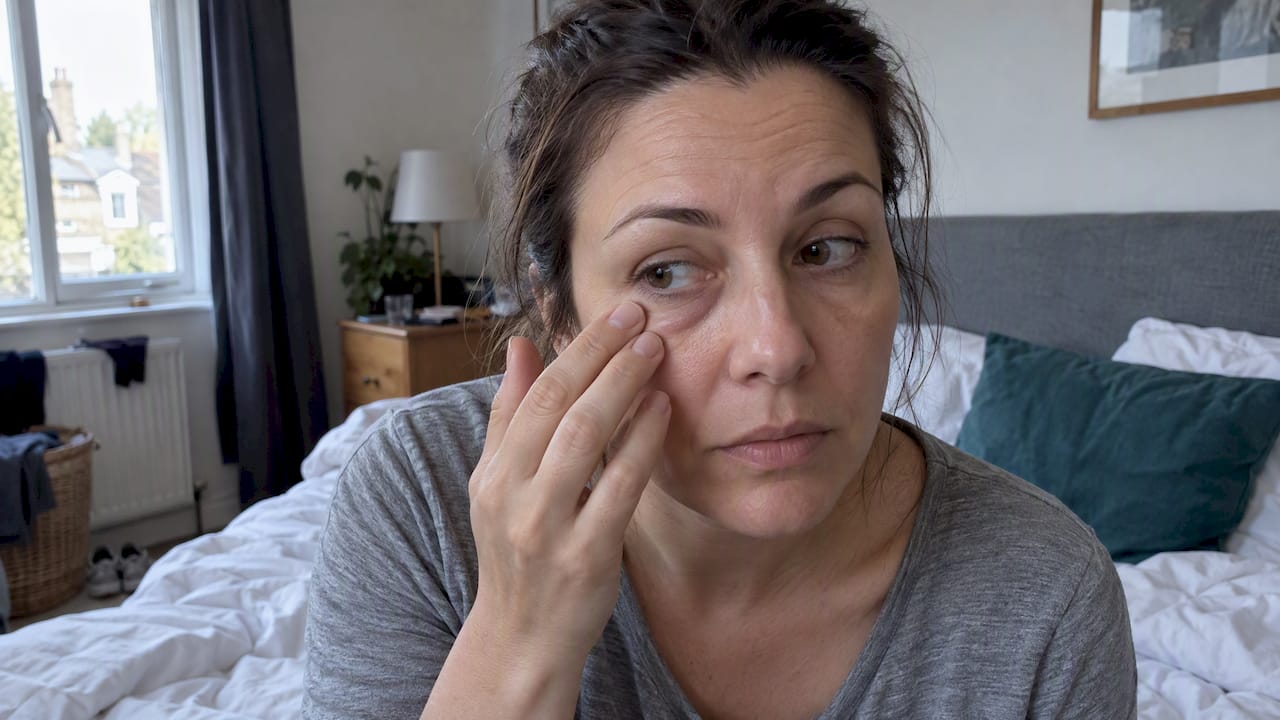


Hyaluronic acid works primarily as a hydrator, a temporary plumper and a support for tissue repair, not as a single miracle ingredient with one mode of action. What it delivers depends heavily on how it reaches your skin or body: a topical serum, an oral supplement, or a clinical injection each produce different results, on different timelines, with different levels of evidence behind them.
The core advantages break down into three categories:
- Intensive hydration – HA binds water at the skin’s surface, softening the look of dryness within minutes of application.
- Visible plumping and an anti-ageing effect – by holding moisture in the upper layers, HA temporarily smooths fine lines and adds a dewy appearance.
- Clinical and reparative uses – beyond skincare, HA supports joint lubrication in osteoarthritis, eye surgery, and wound healing.
One reason HA performs this way comes down to chemistry: each molecule can attract and hold water molecules many times its own weight, which is what gives it such an outsized hydrating effect for such a small ingredient.
Key Takeaways
Hyaluronic acid hydrates, temporarily plumps and supports tissue repair, but topical, oral and injectable forms deliver meaningfully different results and require different levels of clinical evidence to back them.
| Point | Details |
|---|---|
| Route determines outcome | Topical HA hydrates skin’s surface fast; oral HA improves hydration over several weeks; injectables add structural stimulation. |
| Molecular weight matters | High molecular weight HA sits on the surface for plumping; lower weights penetrate deeper for different effects. |
| Evidence strength varies | Topical hydration has the strongest evidence; injectable and intra-articular results are more heterogeneous across studies. |
| Safety is generally strong | Topical HA is well tolerated; injectable HA carries mostly procedure-related risks with rare true allergic reactions. |
| Know when to see a clinic | Persistent volume loss or deep static lines are signals that a Theaestheticsroom consultation can assess beyond skincare. |
Table of Contents
- What is hyaluronic acid and where does it occur in the body?
- How does hyaluronic acid help skin and joints?
- What are the main skin benefits of hyaluronic acid?
- What other medical uses does hyaluronic acid have?
- Which form of hyaluronic acid should you choose?
- How strong is the clinical evidence for hyaluronic acid?
- How should you use hyaluronic acid day to day?
- When should you consider a professional hyaluronic acid treatment?
- What the evidence gets right, and where scepticism still belongs
- Ready to move beyond skincare with a professional assessment?
- Frequently asked questions
- Sources
What is hyaluronic acid and where does it occur in the body?
Hyaluronic acid, also called hyaluronan or hyaluronate depending on its chemical form, is a naturally occurring polysaccharide found throughout your connective tissue, skin and joints. It is not something applied from outside first and copied by science second. Your body makes it constantly, weaving it into the extracellular matrix that surrounds and supports your cells.
In skin, HA sits mainly in the dermis, wrapped around fibroblasts (the cells responsible for producing collagen and elastin), with smaller amounts present near the surface in the epidermis. In joints, it forms a major component of synovial fluid, the viscous liquid that lubricates cartilage and allows smooth movement. This dual presence, structural in skin and mechanical in joints, explains why HA shows up in such different treatments, from facial serums to knee injections.
Its defining physical trait is hygroscopicity: the tendency to draw in and bind water. A Cleveland Clinic overview notes that HA helps skin retain moisture, softens the appearance of lines, and supports wound healing, while also pointing out that topical and injectable applications work quite differently in depth and effect.
Natural HA production declines with age, alongside collagen and elastin. By your forties, visible reserves in the dermis are noticeably reduced, which contributes to:
- Thinner, drier-looking skin
- Reduced bounce and elasticity
- More pronounced static lines, since there is less underlying volume to smooth them out
This decline is precisely why hyaluronic acid benefits for hydration become more relevant, not less, as skin ages. The molecule your body once made in abundance needs topping up from elsewhere.
How does hyaluronic acid help skin and joints?
The advantages of hyaluronic acid all trace back to a handful of mechanisms working together, rather than one single action.
- Hygroscopic water binding. HA’s structure allows it to attract and hold water within the skin, producing an almost immediate plumping effect on application.
- Viscoelasticity. In joints, HA gives synovial fluid its cushioning, shock-absorbing quality, letting cartilage surfaces glide rather than grind.
- CD44 receptor signalling. HA interacts with the CD44 receptor found on many cell types, triggering processes involved in cell migration, proliferation and tissue repair.
- Extracellular matrix scaffolding. HA forms part of the structural mesh that supports collagen and elastin fibres, helping maintain skin’s underlying architecture.
- Anti-inflammatory activity. Depending on molecular weight, HA fragments can either promote or dampen inflammatory signalling, a nuance that matters for clinical formulations.
These mechanisms are well documented in reference resources such as StatPearls’ overview of hyaluronic acid, which describes its structure, tissue distribution and role in both dermal fillers and intra-articular injections.
Molecular weight is the detail most skincare marketing glosses over, yet it changes how HA behaves almost entirely. High molecular weight (HMW) HA molecules sit on the skin’s surface, forming a hydrating film that draws moisture in without penetrating deeply. Low molecular weight (LMW) HA is small enough to move further into the epidermis, delivering hydration at a different depth, though some research also links very small HA fragments to inflammatory signalling rather than the calming effects associated with larger molecules.
Pro Tip: If a serum lists only “hyaluronic acid” with no molecular weight information, it is likely using a blend. Products that specify multiple weights (often labelled as a “multi-molecular” or “3D” hyaluronic acid complex) tend to hydrate at more than one skin depth at once.
This same weight-dependent behaviour explains why hyaluronic acid uses range so widely, from a light daily moisturiser to a viscous injectable gel engineered to sit in the dermis for months.
What are the main skin benefits of hyaluronic acid?
This is where most people’s interest in HA actually starts, and rightly so. But the benefits of hyaluronic acid for skin differ sharply depending on how it is delivered, and matching the route to the goal matters more than most skincare routines acknowledge.
Topical serums: fast, surface-level hydration
Topical HA works quickly. Applied to clean, damp skin, it can visibly plump fine dehydration lines within 15 to 30 minutes, and the effect typically lasts several hours before needing reapplication. This is surface hydration, not structural change. The Cleveland Clinic’s summary is direct about this distinction: topical HA improves moisture and the appearance of lines, but it doesn’t rebuild lost volume the way an injectable can.
Topical HA is the better choice for:
- Daily dryness, tightness or a dull, dehydrated look
- Maintaining hydration between professional treatments
- Younger skin without significant volume loss, where surface plumping is the main goal
Oral supplements: slower, but with real evidence behind them
Oral HA is the form most likely to surprise sceptics. Randomised, double-blind trials using doses of 100 to 200 mg per day found significant improvements in skin hydration after two to eight weeks, with epidermal thickness increasing by 12 weeks in treated groups compared with placebo. That’s a meaningful signal for an ingestible supplement, though the effect builds gradually rather than appearing overnight.
Oral HA suits people looking for broader, whole-body hydration support rather than an immediate cosmetic fix, and it pairs reasonably well as an adjunct to topical routines rather than a replacement for them.
Injectable skin boosters: structural stimulation, not just surface hydration
Injectable HA, delivered as microinjections across the face rather than as a filler placed in specific folds, works differently again. A systematic review of injectable HA for facial skin quality found consistent improvements in hydration, elasticity and radiance, though it also flagged that many of the underlying studies were small or lacked rigorous controls, so results should be read as promising rather than conclusive.
Injectable protocols typically involve multiple sessions, often monthly, aimed at stimulating dermal remodelling over time rather than delivering one-off volumetric correction. This route suits people dealing with skin quality issues, like laxity, dullness or fine crepiness, that a serum simply cannot reach.
The practical takeaway: daily dryness responds well to topical HA, deeper skin-quality concerns often need an injectable approach, and oral supplementation works as a slower-burn addition for those wanting a whole-body hydration strategy.
What other medical uses does hyaluronic acid have?
Hyaluronic acid’s advantages extend well past skincare, and its clinical applications are arguably where the evidence is most mature.
- Osteoarthritis (intra-articular injections). HA injected directly into an arthritic joint aims to restore some of the cushioning and lubrication lost as natural synovial fluid thins. A systematic review of HA’s mechanism in osteoarthritic knees found that higher molecular weight formulations tend to produce stronger anti-inflammatory and lubricating effects than lower molecular weight versions, working partly through mechanical cushioning and partly through CD44 receptor mediated anti-inflammatory signalling.
- Ophthalmic surgery and tear-film support. HA’s viscoelastic properties make it useful during eye surgery, where it helps maintain the eye’s shape and protect delicate tissue, and it also features in some formulations aimed at supporting the natural tear film.
- Wound care and tissue repair. HA-based dressings and gels are used to support healing, drawing on the molecule’s role in cell migration and tissue remodelling during recovery.
The molecular weight caveat that applies to skincare applies here too, arguably with higher stakes. Clinicians note that product origin, whether bio-fermented or animal-derived, and molecular weight both influence clinical performance, which is one reason formulations vary so much between manufacturers and why outcomes for joint injections aren’t uniform across products.
None of this means HA is a universal fix for joint pain or wound healing. Individual response varies considerably, existing health conditions and the severity of joint damage both affect outcomes, and any therapeutic use, particularly intra-articular injection, needs proper clinical assessment rather than self-directed experimentation. This is a case where the hyaluronic acid advantages are real but bounded by context, and a clinician’s judgement matters as much as the ingredient itself.
Which form of hyaluronic acid should you choose?
Understanding the different forms of HA is the single most useful thing you can do before buying a product or booking a treatment, because “hyaluronic acid” on a label can mean several genuinely different substances.
Topical sodium hyaluronate is the salt form of HA, smaller and more stable than pure hyaluronic acid, and the form most commonly found in serums because it penetrates the skin’s outer layers more easily. Hydrolysed hyaluronic acid has been broken down into smaller fragments specifically to improve absorption, often marketed as reaching deeper skin layers than standard sodium hyaluronate. Oral HA is formulated for digestion and absorption into the bloodstream rather than surface application, typically standardised to a specific molecular weight for consistent dosing. Cross-linked HA, used in dermal fillers, has been chemically modified so the molecules bond together into a gel that resists breakdown, allowing it to persist in tissue for months. Intra-articular HA is formulated specifically for injection into joint spaces, prioritising viscosity and lubrication over absorption.
Molecular weight ranges roughly as follows in practical terms: low molecular weight products are designed for deeper penetration and faster turnover, intermediate weights balance penetration with surface retention, and high or native molecular weight HA sits on the surface, forming the hydrating film associated with the fastest visible plumping. Native, uncross-linked HA in synovial fluid is naturally very high molecular weight, which is part of why StatPearls describes cross-linking as the engineering step that allows injectable fillers to persist far longer in tissue than the body’s own HA would.
Pro Tip: When reading an ingredients list, look for “Hyaluronic Acid,” “Sodium Hyaluronate,” or “Hydrolysed Hyaluronic Acid” specifically. These are not interchangeable terms; they describe different molecule sizes with different jobs.
Origin matters too, and this is a genuine safety consideration rather than a marketing detail. An expert panel reviewing HA’s use in cosmetics concluded that commonly used hyaluronate ingredients are safe at current concentrations, but specifically flagged animal-derived sources, historically extracted from rooster combs, as carrying a higher risk of impurities compared with modern bio-fermented HA, which is produced by bacterial fermentation under controlled conditions. Most reputable skincare brands have shifted to bio-fermented HA for exactly this reason, and it is worth checking a product’s sourcing if you have known allergies.
How strong is the clinical evidence for hyaluronic acid?
The honest answer is that the evidence quality varies a great deal by route, and treating all HA claims as equally proven does readers a disservice.
- Topical HA has the most consistent evidence for immediate hydration. Multiple studies and clinical summaries agree it improves surface moisture and reduces the visible appearance of dehydration lines, an effect that is well established and rarely disputed.
- Oral HA has a smaller but genuinely encouraging evidence base. The randomised trials showing hydration improvements within two to eight weeks and epidermal thickness gains by 12 weeks are a meaningful result for a supplement, though the number of large, independently replicated trials remains limited.
- Injectable HA for skin quality shows positive results across a systematic review, but the review itself notes that many underlying studies are small, some lack proper control groups, and outcome measures vary between trials, making direct comparisons difficult.
- Intra-articular HA for osteoarthritis produces a mixed picture. Mechanistic evidence for how HA should help joints is strong, and higher molecular weight products show clearer anti-inflammatory signals, but clinical trial results are heterogeneous, meaning some patients respond well and others see little benefit.
The pattern across the research is consistent: HA’s basic mechanisms, water binding, viscoelasticity, receptor signalling, are well established in laboratory and mechanistic studies. What varies is how reliably those mechanisms translate into measurable patient outcomes once you move from petri dish to clinic, and that gap is largest for injectable and intra-articular applications.
Limitations worth keeping in mind: several trials cited in this space involve modest sample sizes, product formulations differ enough between manufacturers that results don’t always generalise, and some research is funded by companies with a commercial interest in positive outcomes. None of this invalidates the genuine advantages of hyaluronic acid.
How should you use hyaluronic acid day to day?
Getting the sequencing right matters more than most people realise, because HA needs water to bind to. Applied to bone-dry skin in a low-humidity room, it can occasionally pull moisture from deeper skin layers rather than the air, leaving skin feeling tighter rather than softer.
- Cleanse first, using a gentle, non-stripping cleanser to remove the day’s build-up without damaging the skin barrier.
- Apply HA serum to damp skin, ideally straight after cleansing or using a hydrating mist, so the molecule has water available to bind.
- Seal with a moisturiser, which locks that moisture in and prevents evaporation, particularly important in air-conditioned or centrally heated environments.
- Follow with SPF in the morning, since HA offers no sun protection of its own.
Combining HA with other active ingredients generally works well, but a few pairings deserve care:
- Vitamin C pairs well with HA; the antioxidant protection and the hydration address different concerns without interfering with each other.
- Niacinamide is broadly compatible and often formulated together with HA in the same product.
- Retinoids can increase dryness and sensitivity, so applying HA before or after a retinoid step (rather than skipping hydration altogether) helps offset barrier irritation during retinisation.
- Strong exfoliating acids (AHAs, BHAs) should generally be applied before HA in a routine, allowing the exfoliant to work before you layer on a hydrating step.
On safety: topical HA is very well tolerated because it is chemically identical to a substance your body already produces, and true allergic reactions to well-formulated topical products are uncommon. Injectable HA carries a different risk profile. Most adverse effects are procedure-related, meaning temporary pain, swelling or bruising at the injection site, and genuine allergic reactions remain rare but not zero. Anyone considering an injectable route should discuss their medical history, including any known sensitivities, with a qualified practitioner beforehand. If you notice persistent redness, unusual swelling that worsens rather than settles, or signs of infection after any HA treatment, seek clinical advice promptly rather than waiting it out. Common questions about frequency, layering and product choice are addressed further in the FAQ below.
When should you consider a professional hyaluronic acid treatment?
Daily skincare has a ceiling. Topical HA hydrates beautifully, but it cannot rebuild volume that ageing has genuinely removed from the mid-face, and it won’t touch the mechanical wear inside an arthritic joint. Recognising that ceiling is often the difference between a routine that plateaus and one that actually moves the needle.

Consider a clinic consultation when you’re dealing with persistent volume loss in areas like the cheeks or temples, deep static lines that remain visible even when your face is relaxed, or joint pain from osteoarthritis that hasn’t responded to conservative measures like physiotherapy or oral pain relief.
A responsible clinic appointment typically follows a clear sequence: a full skin or joint assessment, an honest conversation about realistic outcomes, informed consent covering risks and alternatives, the treatment itself, and a defined aftercare and follow-up plan. Reputable practitioners will walk you through how to prepare for filler treatment well before the appointment itself, not on the day.
Pro Tip: Before booking with any provider, check they are CQC registered and belong to a recognised professional body. A practitioner who is upfront about registration, insurance and product sourcing is showing you exactly the kind of transparency a safe treatment demands.
What the evidence gets right, and where scepticism still belongs
Working through the research on hyaluronic acid leaves you with a fairly clear picture, and it’s not the one most skincare marketing sells. The topical hydration story is genuinely solid. Multiple independent lines of evidence agree HA plumps skin and improves surface moisture, and that claim doesn’t need embellishing.
Where the industry oversells is the leap from “hydrating” to “anti-ageing miracle.” Topical HA cannot rebuild collagen scaffolding or reverse structural volume loss. Pretending otherwise sets people up to be disappointed by a serum that was never designed to do a filler’s job. The more interesting, underdiscussed advantage sits with oral HA, where the evidence for hydration gains within weeks is stronger than most consumers assume, precisely because it gets far less marketing attention than the topical route.
The honest position is that hyaluronic acid works best as part of a layered approach: topical for daily maintenance, oral as a slower-acting adjunct, and professional injectables reserved for structural concerns that skincare genuinely cannot reach. Anyone selling HA as a single-product solution to ageing skin is oversimplifying a molecule whose real value lies precisely in how differently it behaves depending on where you put it.
Ready to move beyond skincare with a professional assessment?
If you’ve read this far, you already understand something most skincare shoppers miss: hyaluronic acid’s advantages depend entirely on the route you choose, and topical products have a ceiling that only a clinical assessment can help you see past. Theaestheticsroom offers exactly that starting point, a proper consultation rather than a guess based on product packaging.

A consultation at Theaestheticsroom typically covers:
- A full skin analysis to identify where hydration ends and structural volume loss begins
- A discussion of treatment options, including where injectable dermal fillers fit alongside your existing skincare routine
- A clear safety review and aftercare plan tailored to your skin and medical history
Every plan is built around what your skin actually needs, assessed by CQC-registered practitioners rather than a generic product recommendation. If daily serums have taken your skin as far as they can, book a consultation and find out what a bespoke plan looks like for you.
Frequently asked questions
What are the main advantages of hyaluronic acid for skin?
The primary advantages of hyaluronic acid are intensive surface hydration, temporary plumping that softens the look of fine lines, and support for skin repair processes. The scale of the benefit depends on whether you use a topical serum, an oral supplement, or a professional injectable.
How does hyaluronic acid help with anti-ageing specifically?
HA doesn’t reverse ageing at a structural level through topical use alone. It draws water into the skin’s surface layers, which plumps and smooths the appearance of fine lines temporarily. For deeper volume loss, professional injectable treatments address the structural side that topical products cannot reach.
Is oral hyaluronic acid actually effective, or just topical?
Randomised trials using 100 to 200 mg per day found measurable hydration improvements after two to eight weeks, with epidermal thickness gains by 12 weeks in treated groups. It works more slowly than a topical serum, but the clinical evidence behind it is genuinely encouraging.
Can hyaluronic acid cause side effects or allergic reactions?
Topical HA is very well tolerated since it matches a molecule your body already produces. Injectable HA mainly causes procedure-related effects like temporary swelling or bruising, and true allergic reactions are rare but not impossible, so discussing your medical history with a practitioner beforehand matters.
Should I use hyaluronic acid serum every day?
Yes, daily use is generally safe and is how most people get consistent hydration benefits. Apply it to damp skin and always follow with a moisturiser to lock the hydration in, particularly in dry or air-conditioned environments.
What’s the difference between hyaluronic acid fillers and skincare products?
Skincare HA sits on or near the skin’s surface and needs reapplying regularly. Filler-grade HA is cross-linked, chemically engineered to resist breakdown, and injected to sit within the dermis for months, providing structural volume that a topical product cannot replicate.
This article is general information, not a substitute for advice from a qualified doctor. Consult a qualified healthcare professional about your own circumstances before acting on anything here.
Sources
- Hyaluronic Acid – StatPearls – NCBI Bookshelf
- Randomised double‑blind trials of oral hyaluronic acid showing skin hydration improvements
- Safety Assessment of Hyaluronates as Used in Cosmetics
- The Effectiveness of Injectable Hyaluronic Acid in the Improvement of the Facial Skin Quality: A Systematic Review
Recommended
- Discover the benefits of Hydrafacial for radiant skin in 2026 – The Aesthetics Room
- Why hydration affects skin: the science explained – The Aesthetics Room
- 7 Key Advantages of Dermal Fillers for Confident Enhancement – The Aesthetics Room
- How to boost skin hydration: your complete guide – The Aesthetics Room