
Many believe one skincare routine suits everyone, but your skin is as unique as your fingerprint. Personalised skincare tailors treatments to your specific needs, addressing concerns from ageing to pigmentation with precision. This guide explains what personalised skincare truly means in 2026, how advanced technology makes it possible, and how London residents can benefit from bespoke regimens that deliver real results in our demanding urban environment.
Table of Contents
- What Personalised Skincare Means In 2026
- Technology And Science Behind Personalised Skincare
- Benefits, Risks, And Expert Insights On Personalised Skincare
- How To Start Your Personalised Skincare Journey In London
- Discover Personalised Aesthetic Treatments At The Aesthetics Room
Key takeaways
| Point | Details |
|---|---|
| Personalised skincare uses technology | AI diagnostics and genomic analysis create treatments matched to your unique skin characteristics and lifestyle. |
| Benefits outweigh generic products | Clinical studies show improved outcomes including better hydration, reduced wrinkles, and targeted pigmentation treatment. |
| Risks exist with poor implementation | Inaccurate diagnostics or over-complex regimens can cause adverse reactions in roughly 5% of cases. |
| Expert guidance ensures safety | Dermatologists recommend holistic approaches balancing simplicity with efficacy, plus GDPR-compliant data handling. |
| London offers premium options | Luxury clinics provide bespoke formulations with advanced peptides and retinoids tailored to individual needs. |
What personalised skincare means in 2026
Skin science drives modern personalised skincare, recognising that each person’s skin has unique traits requiring specific solutions. Generic products use standardised formulations hoping to suit most people, but personalised skincare leverages advanced technologies to analyse individual characteristics, enabling tailored recommendations and treatment plans.
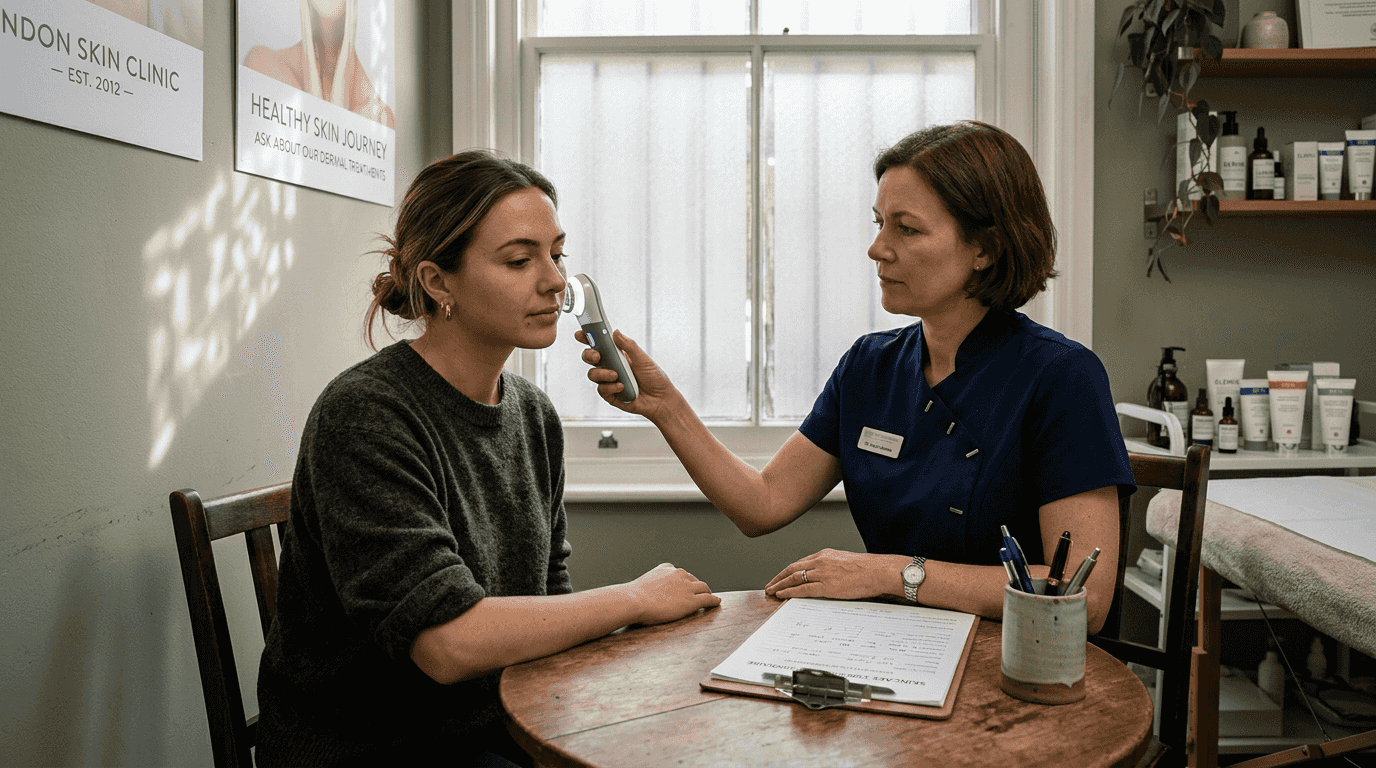
Advanced diagnostics now analyse your skin type, specific concerns like sensitivity or acne, and lifestyle factors including pollution exposure and stress levels. These assessments identify exactly which active ingredients your skin needs, at what concentrations, and in which delivery formats. The result is a regimen designed exclusively for you.
Personalised regimens focus on improving skin health primarily. Cosmetic improvements follow naturally as your skin barrier strengthens and cellular turnover optimises. As The Skin Diary emphasises, skin health takes priority whilst cosmetic benefits become a welcome side effect.
Key differences from generic skincare include:
- Tailored active ingredients selected for your specific skin concerns
- Precise dosing adjusted to your skin’s tolerance and needs
- Custom formulation textures matching your skin type
- Ongoing adjustments based on how your skin responds
- Integration with professional aesthetic treatments for enhanced results
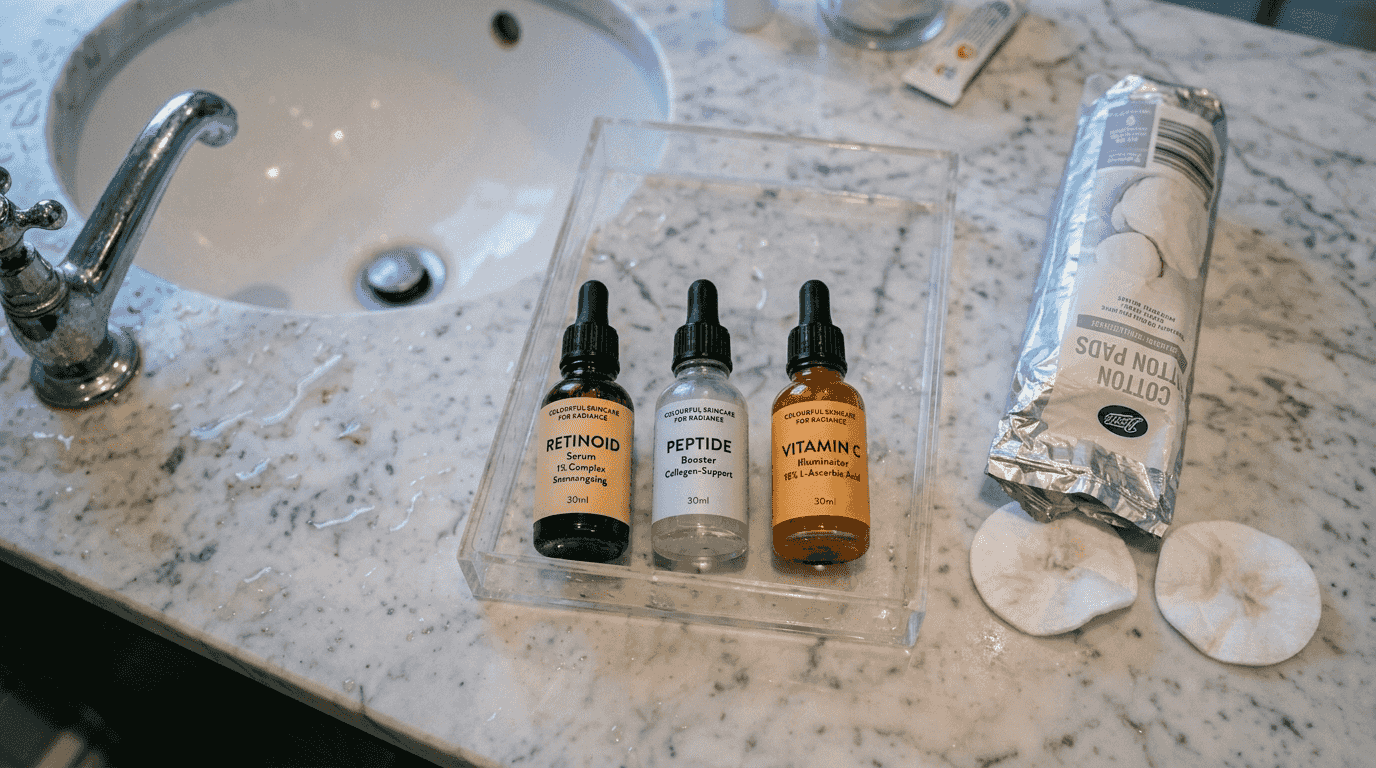
Common active ingredients in personalised skincare include retinoids for cell turnover, peptides for collagen stimulation, antioxidants like vitamin C for environmental protection, and targeted acids for exfoliation. Your personalised plan determines which combinations work best for your unique biology.
Technology and science behind personalised skincare
Cutting-edge technologies make true personalisation possible in ways unimaginable just five years ago. AI diagnostics, genomic profiling, and high-resolution imaging now analyse your skin at molecular and cellular levels, revealing insights invisible to the naked eye.
These tools examine genetic susceptibility to concerns like premature ageing, environmental impacts from London’s urban pollution, and current skin conditions requiring immediate attention. AI and genomics identify SNPs associated with collagen degradation, oxidative stress, and inflammation, predicting how your skin will age and which interventions offer maximum benefit.
Artificial intelligence processes data from skin imaging, lifestyle questionnaires, and genetic testing to create comprehensive treatment plans. These platforms integrate insights with digital twins that simulate how your skin might respond to different ingredients, optimising interventions before you apply a single product.
Personalised treatment extends beyond topicals. Advanced clinics combine customised serums with laser treatments, injectables, and device-based therapies, all calibrated using your diagnostic data. This multi-modal approach addresses skin concerns from multiple angles simultaneously.
Main technological components enabling personalisation:
- Genomic profiling identifying genetic predispositions to skin ageing and sensitivity
- AI imaging and analysis detecting early signs of damage and tracking progress
- Lifestyle data integration accounting for diet, stress, sleep, and environmental exposure
- Digital twin simulations predicting treatment outcomes before implementation
- Formulation customisation creating unique product blends matched to your profile
Pro Tip: Choose experienced practitioners to interpret technological results accurately. Even sophisticated AI requires human expertise to avoid misdiagnosis and ensure treatments suit diverse skin types.
Benefits, risks, and expert insights on personalised skincare
Personalised skincare delivers measurable benefits when properly implemented. Improved hydration, reduced fine lines and wrinkles, targeted treatment of hyperpigmentation, and clearer complexions top the list of outcomes clients experience. Clinical studies confirm personalised plans outperform generic products in achieving these results.
Tailored regimens work faster because they address your skin’s specific deficiencies rather than applying broad-spectrum solutions. If your skin lacks ceramides, your products focus on barrier repair. If oxidative stress drives your ageing, antioxidants take priority. This precision eliminates wasted time on ineffective ingredients.
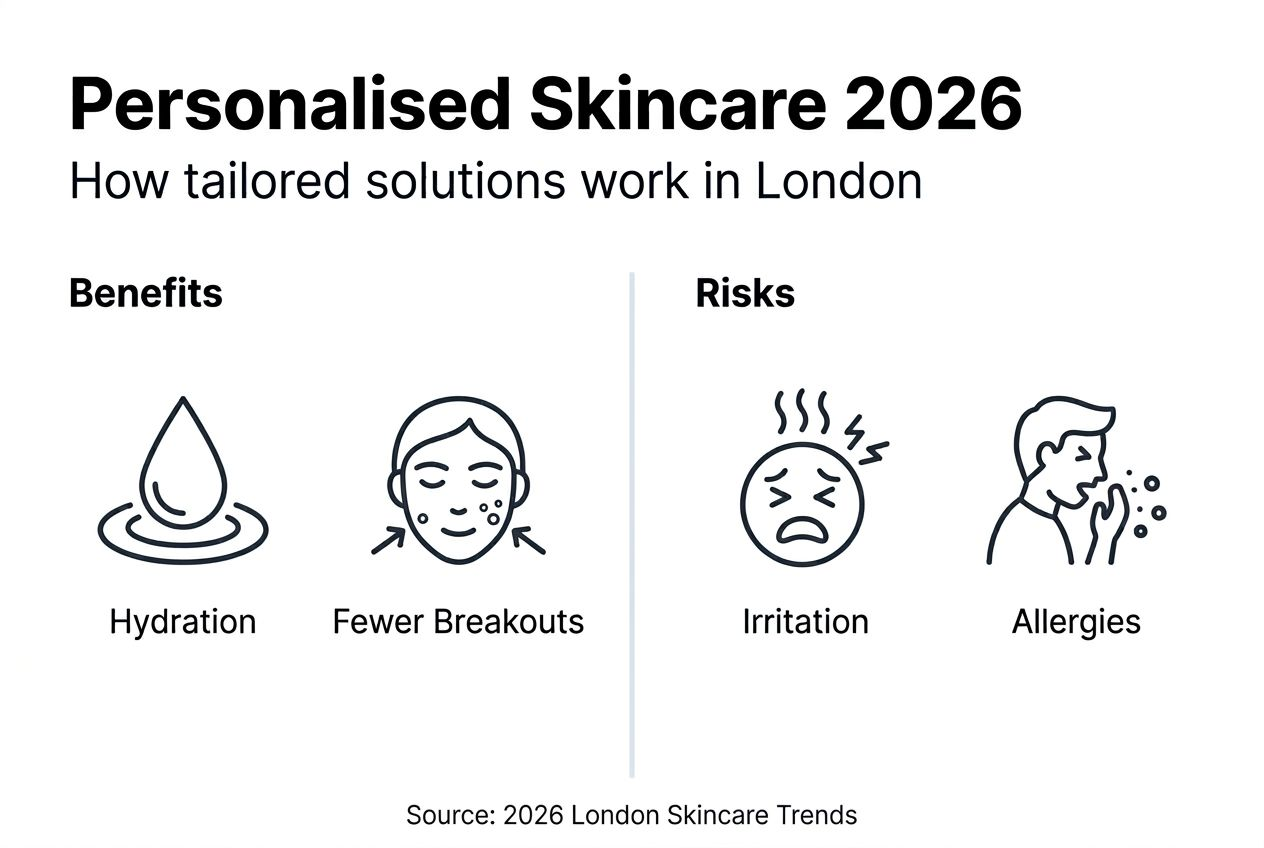
Risks exist when personalisation goes wrong. Improper skin diagnostics can recommend inappropriate products causing adverse reactions, with roughly 5% of users experiencing issues from poorly formulated or incorrectly prescribed treatments. Redness, breakouts, and increased sensitivity signal your regimen needs adjustment.
Over-personalisation creates another pitfall. Excessively complex routines with ten-plus products become difficult to maintain, leading to poor compliance and abandoned regimens. Simpler protocols you’ll actually follow outperform elaborate routines you skip.
Experts recommend a holistic approach extending beyond topical products. Diet quality, stress management, sleep patterns, and sun protection significantly impact skin health. A personalised skincare plan should integrate these lifestyle factors for optimal results.
Dermatologists emphasise balancing sophistication with practicality. The most scientifically advanced regimen fails if it’s too complicated to follow consistently. Simplicity paired with strategic active ingredients delivers superior long-term outcomes.
Common pitfalls to avoid:
- Relying on inaccurate or incomplete skin diagnostics
- Ignoring data privacy when sharing sensitive genetic information
- Creating over-complex regimens you won’t maintain
- Choosing unregulated products without clinical validation
- Neglecting professional safety standards when adding aesthetic procedures
How to start your personalised skincare journey in London
Starting personalised skincare requires strategic steps to ensure you receive genuine customisation rather than marketing hype. Professional guidance separates effective programmes from expensive disappointments.
Step-by-step approach:
- Seek professional skin analysis at a reputable clinic using diagnostic technology, not just visual assessment
- Discuss your specific concerns, aesthetic goals, and lifestyle factors affecting your skin
- Choose products containing premium, tailored ingredients with clinical evidence supporting their effectiveness
- Implement a manageable routine you can maintain consistently without overwhelming complexity
London’s luxury skincare market caters to middle and upper-class individuals seeking advanced peptides, antioxidants, and retinoids customised to address ageing, pigmentation, and environmental damage from urban living. Premium formulations use higher-quality ingredients at optimal concentrations.
| Aspect | Generic Skincare | Personalised Skincare |
|---|---|---|
| Cost | £20-60 monthly | £80-250 monthly |
| Effectiveness | Moderate, variable results | High, targeted outcomes |
| Complexity | Simple, standardised | Moderate, customised |
| Ingredient Quality | Mass-market grade | Premium, clinical grade |
Pro Tip: Prioritise clinics demonstrating evidence-based practices and transparent data policies. Ask how they protect your genetic and personal information, ensuring GDPR compliance when handling sensitive skin data.
Choose providers offering holistic care considering lifestyle factors beyond just product sales. The best personalised skincare programmes integrate skin rejuvenation treatments with customised topicals, creating comprehensive approaches addressing both immediate concerns and long-term skin health. Aesthetic professionals with advanced training deliver superior results through this integrated methodology.
Discover personalised aesthetic treatments at The Aesthetics Room
Understanding personalised skincare is just the beginning. Translating that knowledge into real results requires expert practitioners who combine advanced technology with clinical experience.
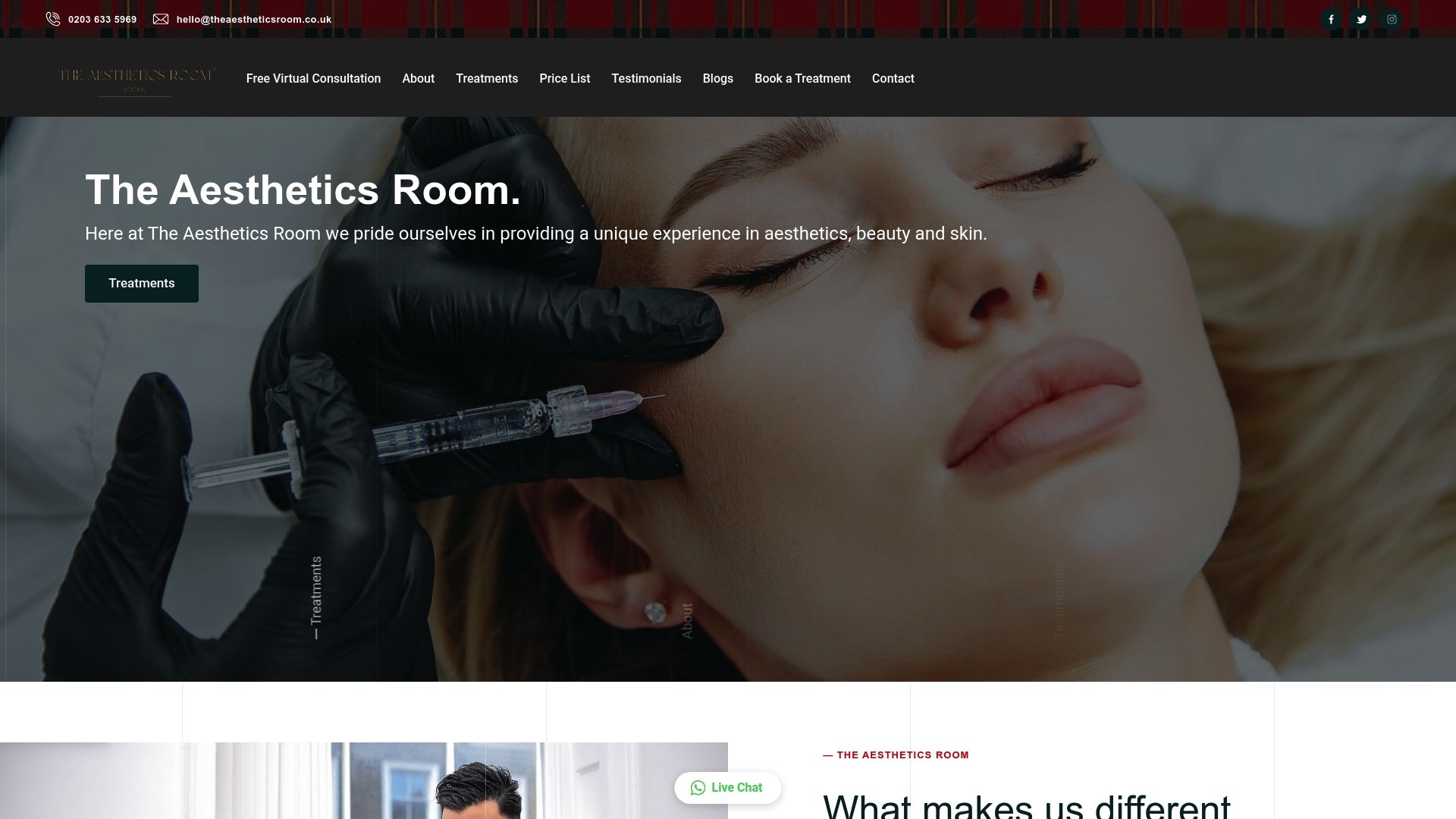
The Aesthetics Room offers customised aesthetic treatments complementing personalised skincare regimens for London’s discerning clientele. Our Botox treatments and dermal fillers work synergistically with tailored topical programmes, addressing both surface-level concerns and deeper structural improvements. Expert practitioners use science-driven approaches ensuring safety and efficacy at our prestigious Knightsbridge location. Clients benefit from holistic care addressing skin health and cosmetic enhancement simultaneously, with CQC accreditation guaranteeing the highest clinical standards.
Frequently asked questions
What makes skincare personalised versus generic?
Personalised skincare uses diagnostic data about your unique skin characteristics, genetics, and lifestyle to formulate custom products and treatment plans. Generic skincare relies on standardised formulations designed for broad categories like “oily” or “dry” without accounting for individual variations in skin biology, environmental exposure, or specific concerns.
How does AI improve personalised skincare?
AI analyses complex data from skin imaging, genetic testing, and lifestyle factors to identify patterns humans might miss. It predicts how your skin will respond to specific ingredients, optimises treatment timing, and adjusts recommendations as your skin changes, creating dynamic personalisation that evolves with your needs.
Are personalised products safe for sensitive skin?
Personalised products can be excellent for sensitive skin when properly formulated, as they avoid irritating ingredients your diagnostics identify as problematic. However, safety depends on accurate analysis and quality formulation. Always start with patch testing and choose regulated providers with clinical oversight.
How much does personalised skincare typically cost in London?
London personalised skincare ranges from £80 to £250 monthly depending on formulation complexity and ingredient quality. Initial consultations with diagnostic testing cost £100 to £300. Premium programmes incorporating genetic testing and ongoing adjustments command higher prices but deliver more precise results.
Can lifestyle affect the results of personalised skincare?
Lifestyle dramatically impacts personalised skincare outcomes. Poor sleep, high stress, inadequate sun protection, and nutritional deficiencies undermine even the most sophisticated regimens. The best personalised programmes integrate lifestyle optimisation with topical treatments, addressing skin health holistically rather than relying solely on products.