

Choosing cosmetic treatments in London can feel overwhelming when safety concerns cloud your decision. Properly regulated cosmetic clinics reduce complication rates by over 40%, yet many adults still struggle to identify which providers meet these standards. This guide cuts through the confusion with UK-specific safety standards, risk clarification, myth-busting, and actionable steps to help you make informed choices about aesthetic procedures with confidence.
Table of Contents
- Understanding Safety Standards In Uk Cosmetic Procedures
- Common Risks And Complications In Aesthetic Treatments
- Misconceptions About Safety In Cosmetic Procedures
- Comparative Safety: Invasive Vs Non-Invasive Procedures
- Ensuring Safety Through Consultation, Personalisation, And Aftercare
- Summary: Making Informed, Safe Choices In Cosmetic Procedures In London
- Explore Premium Cosmetic Treatments Safely At The Aesthetics Room
Key takeaways
| Point | Details |
|---|---|
| Accredited clinics matter | CQC registration and ACE Group membership significantly reduce complication risks in cosmetic procedures. |
| Risks are manageable | Common side effects like bruising resolve quickly when qualified practitioners follow proper protocols. |
| Myths increase danger | Believing non-invasive means risk-free or trusting non-medical providers elevates your exposure to complications. |
| Consultations protect you | Personalised assessments identify contraindications and tailor treatments to your unique health profile. |
| Aftercare is essential | Following post-treatment instructions diligently minimises infection risk and optimises healing outcomes. |
Understanding safety standards in UK cosmetic procedures
The UK regulatory landscape offers robust protections for cosmetic procedure patients, but you need to know where to look. The Care Quality Commission (CQC) licenses and inspects clinics to ensure they meet mandatory safety and quality benchmarks. CQC licensing ensures mandatory safety standards for all registered cosmetic facilities.
ACE Group membership signals an extra commitment to patient safety beyond basic regulatory requirements. This professional body sets higher standards for clinical governance and practitioner training. The Advertising Standards Authority also polices misleading claims about procedure safety, protecting you from deceptive marketing.
Verifying credentials is your responsibility as a patient. Check these markers before booking:
- Confirm CQC registration through their online database
- Verify medical practitioners hold valid qualifications
- Look for transparent information about practitioner experience
- Ensure the clinic openly discusses risks during initial enquiries
- Ask about clinical governance procedures and complication protocols
Your rights under UK regulations include informed consent, which means practitioners must explain risks, benefits, and alternatives before you agree to treatment. This legal requirement protects you from making uninformed decisions. When clinics bypass proper consent processes, they violate your fundamental patient rights and compromise safety standards.
Pro Tip: Request copies of practitioner insurance certificates and professional registrations before committing to any procedure.
Common risks and complications in aesthetic treatments
Even the safest cosmetic procedures carry some risk, though understanding what to expect helps you respond appropriately. Bruising, swelling, and temporary discomfort rank as the most frequent side effects across treatments like Botox and dermal fillers. These typically resolve within days without intervention.
Serious complications remain rare but require immediate attention. Vascular occlusion, where filler blocks blood vessels, demands urgent professional treatment to prevent tissue damage. Complication rates remain low with qualified professionals, making practitioner selection critical.
Qualified practitioners reduce risks through:
- Comprehensive anatomical knowledge preventing injection errors
- Sterile technique minimising infection probability
- Emergency protocol training for rapid complication response
- Conservative dosing approaches tailored to individual anatomy
- Regular skills updates maintaining current best practices
Your medical history significantly influences risk levels. Conditions like autoimmune disorders, bleeding disorders, or active skin infections may contraindicate certain treatments. Honest disclosure during consultations allows practitioners to identify these red flags early.
Pro Tip: Create a written list of all medications, supplements, and health conditions before your consultation to ensure nothing gets overlooked.
Post-treatment monitoring matters just as much as the procedure itself. Report unusual symptoms immediately, including severe pain, vision changes, skin colour alterations, or signs of infection. Quick intervention often prevents minor issues from escalating into serious complications. Following aftercare instructions about sun exposure, skincare routines, and activity restrictions protects your investment and minimises adverse events.
Misconceptions about safety in cosmetic procedures
Dangerous myths about cosmetic procedure safety persist despite clear regulatory guidance. The belief that anyone can safely administer injectables remains the most harmful misconception. Complication rates increase 3 to 5 times when non-medical providers perform these treatments.
Many patients wrongly assume non-invasive automatically means risk-free. This false equivalence ignores the fact that all procedures involving needles, energy devices, or chemical solutions carry inherent risks. Non-invasive simply means no surgical incisions, not zero potential for complications.
Common dangerous beliefs include:
- Beauty therapists possess adequate training for injectables
- Lower prices indicate similar quality with better value
- Clinic location matters more than practitioner credentials
- Social media reviews replace professional accreditation checks
- Avoiding hospitals means avoiding serious complications
Legal requirements in the UK stipulate that only medical practitioners can administer prescription-only injectables like Botox and most dermal fillers. Yet enforcement gaps allow some non-compliant providers to operate. This regulatory loophole places responsibility on you to verify qualifications before treatment.
Clinic accreditation confusion also creates safety gaps. Some patients mistake fancy premises or celebrity endorsements for genuine quality markers. Real safety indicators include CQC registration, professional body memberships, and transparent complication reporting systems. Education bridges these awareness gaps, empowering you to distinguish legitimate providers from risky alternatives.
Comparative safety: invasive vs non-invasive procedures
Understanding the safety trade-offs between invasive surgical and non-invasive cosmetic procedures helps you make proportionate risk decisions. Non-invasive procedures show significantly lower adverse event rates and faster recovery compared to surgery.
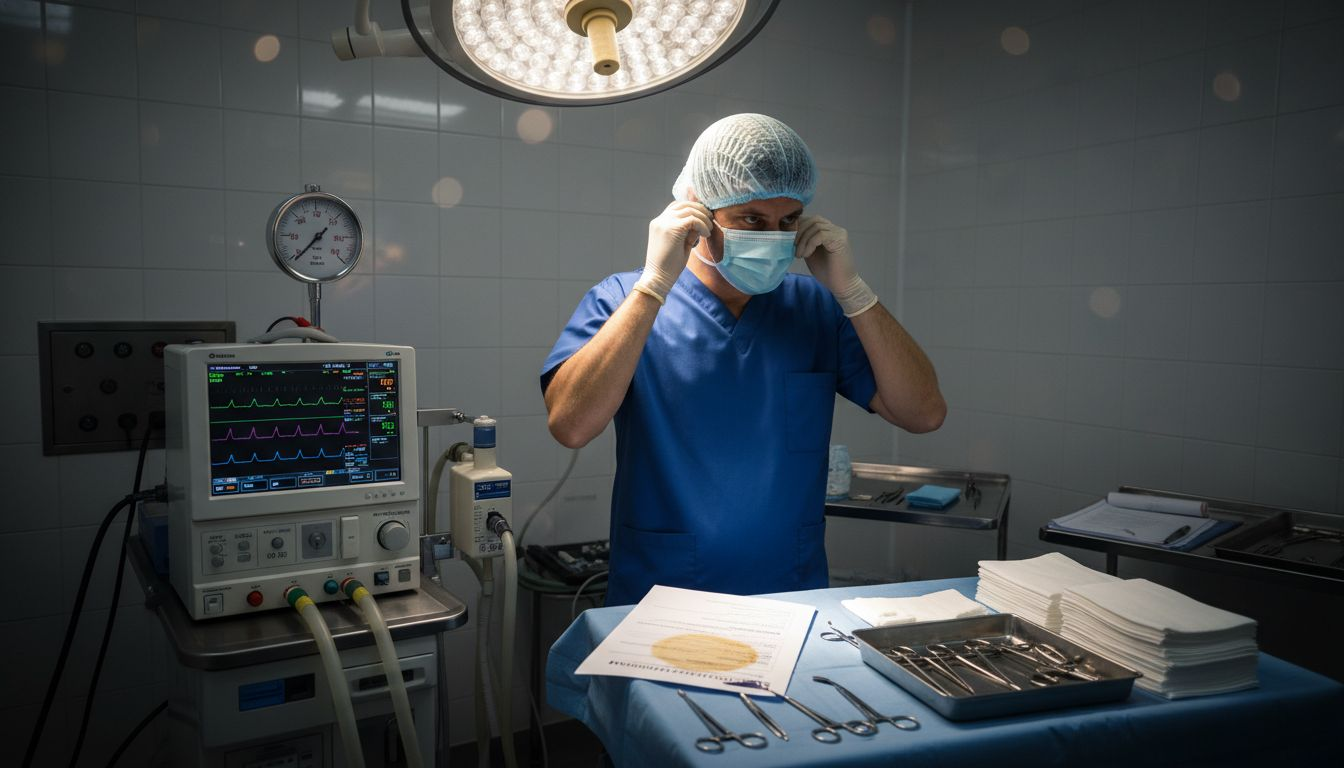
Invasive procedures like facelifts or rhinoplasty require general anaesthesia, which introduces cardiac and respiratory risks absent from non-invasive options. Surgical site infections, scarring, and prolonged healing periods add to the complication profile. However, invasive procedures often deliver more dramatic, permanent results.
| Factor | Invasive procedures | Non-invasive procedures |
|---|---|---|
| Anaesthesia risk | General anaesthesia required | Local or none |
| Recovery time | Weeks to months | Hours to days |
| Complication severity | Potentially serious | Usually minor |
| Results duration | Often permanent | Temporary, require maintenance |
| Typical procedures | Facelifts, liposuction | Botox, dermal fillers |
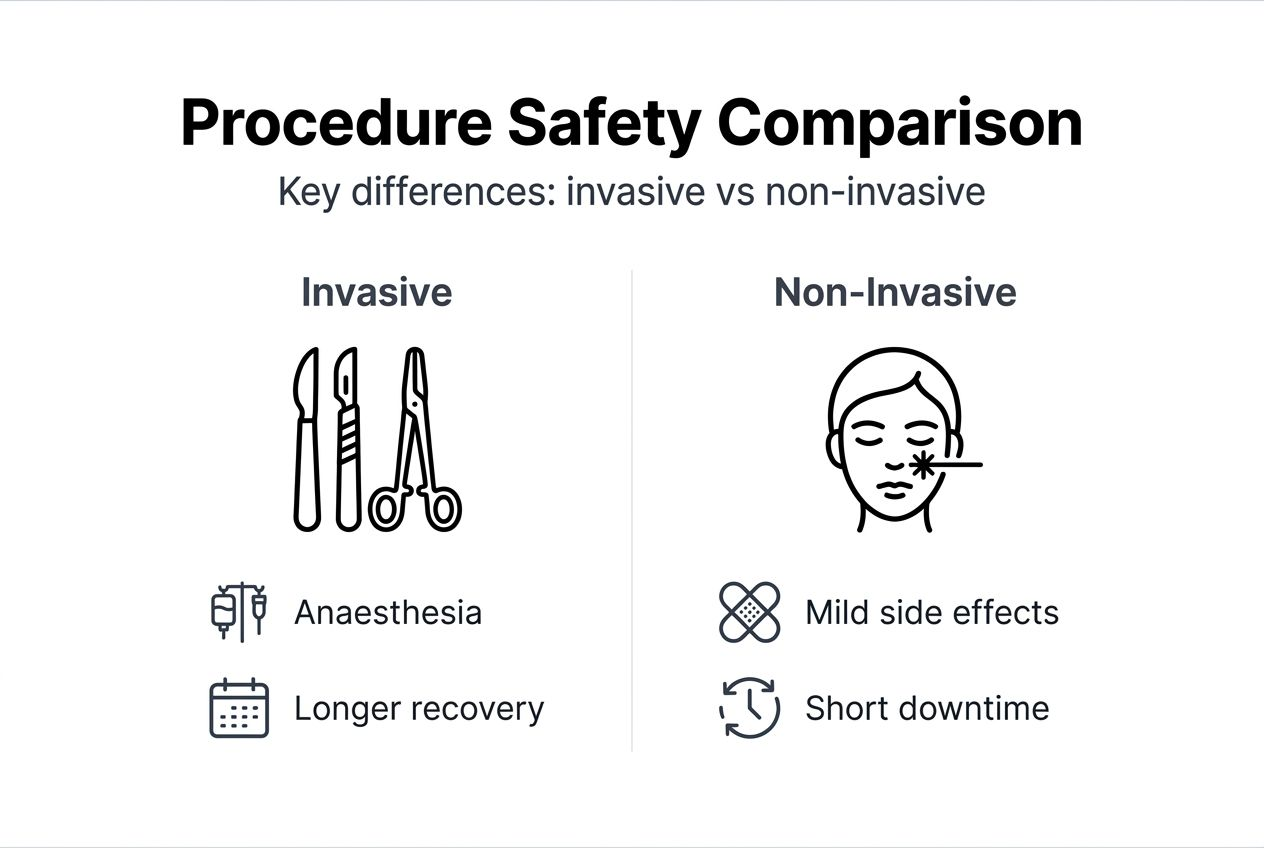
Non-invasive treatments like Botox injections and skin rejuvenation show excellent safety profiles when administered correctly. Minimal downtime allows you to resume normal activities quickly. Side effects typically resolve without intervention within days.
Balancing benefits against risks requires honest assessment of your goals:
- Temporary enhancements suit those preferring gradual, reversible changes
- Permanent alterations justify higher surgical risks for some patients
- Medical conditions may preclude surgery but allow non-invasive options
- Budget constraints often favour lower-cost non-invasive approaches initially
- Lifestyle factors influence recovery time tolerance
Age and health status also guide appropriate procedure selection. Younger patients with good health tolerate surgical risks better than older adults with comorbidities. Non-invasive procedures offer safer alternatives for higher-risk individuals seeking aesthetic improvements without surgical exposure.
Ensuring safety through consultation, personalisation, and aftercare
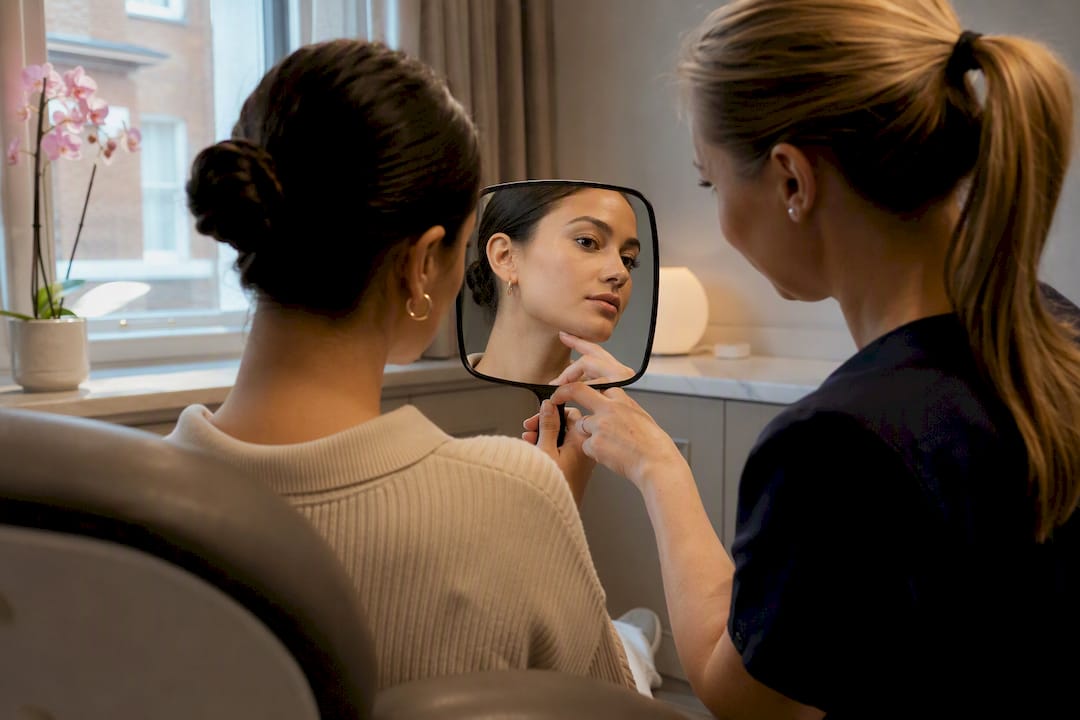
Comprehensive consultations form the foundation of safe cosmetic procedures, yet many patients underestimate their importance. These appointments assess your medical history, identify contraindications, and establish realistic expectations before any treatment begins.
Personalised consultations significantly reduce complications by tailoring approaches to your unique risk factors. Generic treatment protocols ignore individual variations in anatomy, health status, and healing capacity. Customised plans account for these differences.
Effective consultations cover:
- Complete medical history including allergies and previous procedures
- Current medications and supplements affecting bleeding or healing
- Lifestyle factors impacting recovery like smoking or sun exposure
- Aesthetic goals and expectations aligned with realistic outcomes
- Detailed risk disclosure specific to your chosen treatment
Personalised treatment plans adjust technique, product selection, and dosing based on your assessment. A practitioner might modify injection depths, choose different filler types, or recommend alternative treatments if your profile suggests elevated risks with your initial choice.
Aftercare instructions protect your results and prevent complications. These protocols typically address wound care, activity restrictions, sun protection, and symptom monitoring. Strict aftercare adherence improves results and reduces infection risk substantially.
Pro Tip: Photograph your aftercare instructions or request written copies to reference at home when verbal instructions fade from memory.
Patient education during beauty consultations empowers safer decisions. Understanding why certain restrictions matter increases compliance compared to blindly following rules. When you grasp that avoiding blood thinners reduces bruising, you’re more likely to skip that aspirin.
Ongoing communication with your practitioner supports optimal outcomes. Schedule follow-up appointments to assess healing and address concerns early. Prompt intervention for unexpected symptoms prevents minor issues from becoming major complications.
Summary: making informed, safe choices in cosmetic procedures in London
Navigating London’s cosmetic procedure landscape safely requires diligence, but the effort protects your health and investment. Armed with knowledge about UK safety standards, risk factors, and provider selection criteria, you can confidently pursue aesthetic enhancements.
Your action plan for safe cosmetic procedures:
- Verify CQC registration for any clinic you consider
- Confirm ACE Group membership or equivalent professional body credentials
- Check practitioner medical qualifications and specialised training
- Insist on thorough consultations addressing your specific risks
- Follow aftercare protocols exactly as prescribed
Price and convenience should never override safety considerations. The cheapest option often cuts corners on practitioner qualifications, product quality, or clinical governance. Location proximity matters less than choosing a properly regulated facility with experienced medical practitioners.
Red flags warranting immediate concern include practitioners who rush consultations, dismiss your questions, or pressure you into immediate treatment. Legitimate providers encourage thoughtful decision-making and welcome scrutiny of their credentials. Trust your instincts when something feels wrong.
Research continues advancing cosmetic procedure safety through improved techniques, better products, and enhanced regulatory oversight. Staying informed about medical aesthetics developments helps you make current, evidence-based choices rather than relying on outdated information.
Your safety ultimately depends on active participation in the process. Ask questions, verify credentials, and insist on personalised care. The best outcomes emerge from partnerships between informed patients and qualified practitioners committed to excellence.
Explore premium cosmetic treatments safely at The Aesthetics Room
Finding a trusted provider who prioritises your safety transforms cosmetic procedure anxiety into confidence. The Aesthetics Room delivers medically led, fully regulated treatments in London’s premium Knightsbridge location, ensuring every patient receives care meeting the highest UK safety standards.
Our expert practitioners combine advanced training with genuine commitment to personalised care. From Botox treatments and dermal fillers to comprehensive skin rejuvenation, every procedure begins with thorough consultation addressing your unique needs and concerns. CQC registration and ACE Group membership demonstrate our dedication to patient safety beyond basic compliance.
Pro Tip: Booking your initial consultation establishes the foundation for safe, satisfying aesthetic results tailored precisely to your goals.
FAQ
How can I verify a cosmetic clinic’s safety credentials in London?
Check the clinic’s CQC registration through their online database and verify current status. Look for professional memberships like ACE Group indicating enhanced safety commitments. Request practitioner qualifications and confirm medical credentials through relevant regulatory bodies.
What are the main risks associated with Botox and dermal fillers?
Common risks include bruising, swelling, and temporary tenderness at injection sites, typically resolving within days. Rare serious complications like vascular occlusion require immediate medical intervention. Qualified medical practitioners significantly reduce these risks through proper technique and emergency preparedness.
Why is a consultation essential before any cosmetic procedure?
Consultations enable thorough assessment of your health history, current medications, and potential contraindications. This process establishes realistic expectations and allows practitioners to customise treatments to your unique anatomy and risk profile. Informed consent requires understanding risks specific to your situation.
Are non-invasive cosmetic procedures completely risk-free?
No cosmetic procedure carries zero risk, even non-invasive options. While non-invasive treatments show lower complication rates than surgery, they still involve needles, chemicals, or energy devices capable of causing adverse effects. Proper practitioner selection and aftercare adherence minimise but don’t eliminate risks.
How do I distinguish qualified practitioners from unqualified providers?
Verify medical qualifications like doctor, nurse, or dentist registration with relevant UK regulatory bodies. Check for specialist aesthetic training beyond basic medical credentials. Ask about complication management protocols and emergency response capabilities. Legitimate practitioners welcome credential verification and provide transparent answers.