

A stubborn pocket beneath the chin, softness at the abdomen or a lack of definition around the waist can be frustrating, particularly when it does not reflect the effort you put into your lifestyle. In the conversation around fat dissolving vs body sculpting, the most useful question is not which treatment is ‘better’. It is which approach addresses the concern you can actually see and feel.
These are distinct non-surgical treatment categories with different mechanisms, treatment journeys and outcomes. One targets localised fat cells; the other typically focuses on muscle stimulation, body definition and, in some cases, fat reduction. A considered consultation is what turns this distinction into a treatment plan that feels appropriate, safe and worthwhile.
Fat dissolving vs body sculpting: the core difference
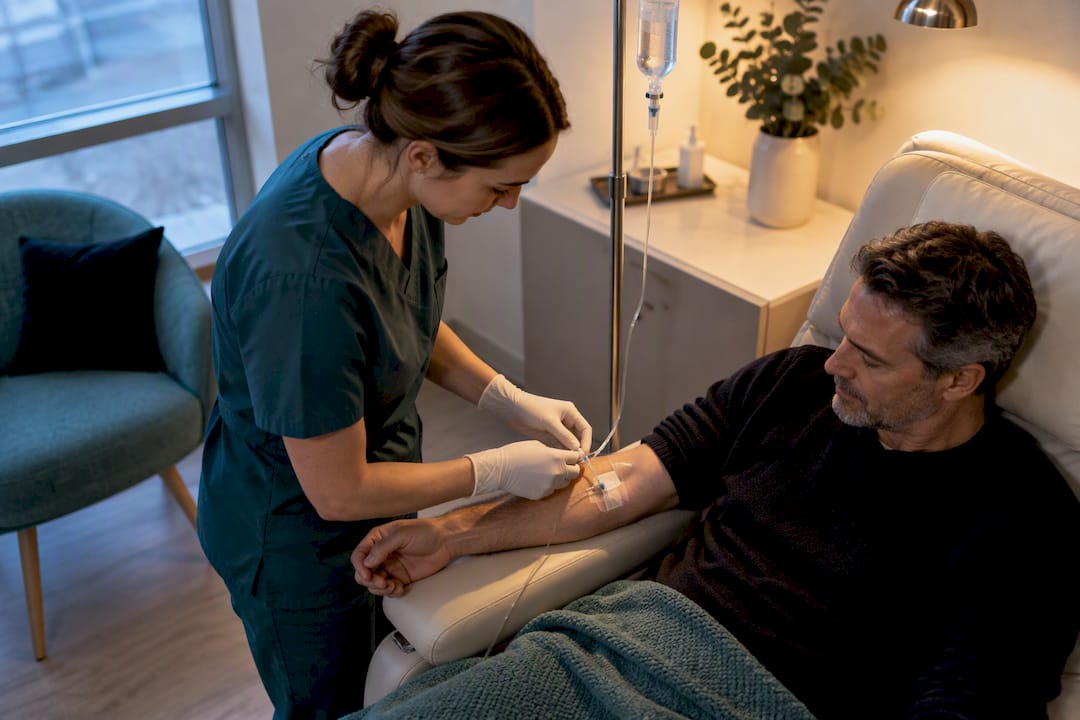
Fat dissolving treatments are injectable treatments designed to reduce small, localised deposits of fat. A trained practitioner places the product precisely into the fatty tissue, where it breaks down fat cells over time. The body then processes the released contents naturally. Once those cells have been destroyed, they do not regenerate, although remaining fat cells can still enlarge with weight gain.
Body sculpting is a broader term. It can refer to device-led treatments that use technologies such as high-intensity electromagnetic energy to stimulate powerful muscle contractions. Depending on the device and treatment protocol, this may support muscle building, improve tone and definition, and contribute to a reduction in fat in the treated area. It is particularly relevant when a client’s concern is not simply fullness, but a less defined body contour.
In straightforward terms, fat dissolving is usually selected to reduce a discrete fat pocket. Body sculpting is often selected to enhance the framework beneath the skin – the muscle tone and shape that helps an area look firmer and more athletic.
When fat dissolving may be the better fit
Fat dissolving is best considered for clients close to a stable, healthy weight who have a specific area of pinchable fat that is resistant to diet and exercise. It is not a treatment for significant weight loss, nor is it a substitute for lifestyle support where this is needed.
The submental area, commonly known as a double chin, is one of the best-known indications. It may also be considered for carefully selected small areas on the body, such as the lower abdomen, flanks, bra-line area, upper arms or inner thighs. Suitability depends on the amount and location of fat, skin quality and your wider medical history.
Treatment is gradual by design. You may need a course of sessions, spaced according to your practitioner’s recommendation, and the final contour change takes time to emerge as swelling settles and the body processes the treated fat. Temporary swelling, tenderness, bruising, redness and firmness are expected possibilities. For the chin, swelling can be more noticeable and can last longer than some clients anticipate, so planning around work, social occasions and travel matters.
Fat dissolving does not tighten significant loose skin or build muscle. If skin laxity is the main issue, or if the area needs more structural definition rather than less volume, another treatment pathway may be more appropriate.
The value of precision
With injectable body treatments, technique matters. Accurate assessment of the treatment area, anatomy and product placement helps protect both comfort and outcome. A lower price should never be the deciding factor when a treatment relies on clinical judgement, appropriate prescribing and safe aftercare.
When body sculpting may be the better fit
Body sculpting can be an excellent choice for someone who already has a relatively stable body weight but wants greater definition. Common goals include a firmer abdomen, more visible waistline, improved buttock lift and tone, or enhanced shape in areas that are difficult to target through exercise alone.
The treatment experience is very different from injections. During a muscle-sculpting session, an applicator is positioned over the chosen area. You will feel repeated contractions, often described as intense but manageable, followed by periods of release. There is generally no need for downtime, though the muscles can feel as though they have completed a demanding workout afterwards.
Results develop over a course of treatment and continue to evolve afterwards. The degree of change varies with baseline muscle mass, body composition, consistency with sessions, hydration, activity levels and individual physiology. It is not a shortcut to a gym-trained physique, but it can be a valuable complement to an already healthy routine when the goal is contour, tone or muscle engagement.
Body sculpting may be less suitable where there is a larger volume of localised fat that needs reducing first. It is also not appropriate for everyone. Certain implanted electronic devices, metal implants in or near the treatment area, pregnancy and some medical conditions may affect eligibility. Your practitioner should review contraindications before treatment rather than relying on a generic online checklist.
The skin factor people often overlook
The same fat reduction can look markedly different on two people because skin elasticity plays a major part in the final appearance. Younger, resilient skin may retract well after a fat pocket is reduced. Skin that has been stretched by weight fluctuation, pregnancy, ageing or genetics may not contract in the same way.
This is why a consultation should assess more than the visible fullness. A practitioner should consider fat volume, the thickness and quality of the skin, muscle tone, symmetry and how the area sits in proportion to the rest of your body. For some clients, a staged plan that addresses more than one factor produces a more balanced result than treating fat alone.
Can fat dissolving and body sculpting be combined?
They can sometimes form part of the same wider treatment plan, but they are not automatically a pairing. If there is a small, stubborn deposit of fat alongside limited muscle definition, reducing the fat first and then focusing on muscle tone may be sensible. In other cases, body sculpting alone is the more conservative and appropriate starting point.
Timing should be personalised. Injectable treatments create an inflammatory response as part of the process, and an area may need to settle before further treatment is considered. Your practitioner should set realistic intervals and explain what each stage is intended to achieve.
A bespoke approach also prevents overtreatment. The aim should be a refined, natural-looking contour that complements your body, not an aggressive reduction that leaves the area looking uneven or unsupported.
What results can you realistically expect?
Both treatments work best when expectations are precise. Fat dissolving may reduce a localised bulge or improve the transition between areas, but it will not produce surgical-level liposuction results in one appointment. Body sculpting may improve definition and tone, but it cannot replace the physiological benefits of regular resistance training, nutrition and sleep.
Photography, measurements and an honest discussion of your starting point are useful in a clinical consultation. They make it easier to judge progress over time, particularly because gradual results can be difficult to notice day to day. They also give you a clear opportunity to discuss whether a treatment course is likely to be proportionate to your goals and budget.
Choosing treatment with safety in mind
For any non-surgical body treatment, expertise should sit ahead of convenience. Ask who will carry out your consultation and treatment, how suitability is assessed, what product or device is being used, the likely number of sessions, expected side effects and the aftercare process. You should feel able to disclose medications, allergies, previous procedures and relevant health conditions without being rushed.
At The Aesthetics Room, treatment planning begins with listening to the concern behind the request. Sometimes that leads to fat dissolving or body sculpting; sometimes it leads to a different recommendation or the advice to wait. A responsible plan is one that respects your anatomy, your wellbeing and the result you want to maintain.
The most confidence-building choice is rarely the treatment with the boldest promise. It is the one that suits your body, your timeline and your goals, delivered with the care needed to make subtle refinement feel entirely your own.