

A polished Instagram feed can make almost any clinic look credible. What matters, however, is what happens before the first injection, peel or treatment plan is agreed. If you are wondering how to choose an aesthetic clinic, the right answer is rarely the cheapest offer, the trendiest treatment or the most heavily filtered before-and-after.
The best clinic for you should feel medically sound, personally attentive and honest about what is suitable for your face, skin, body or hair. Aesthetic treatment is not simply a purchase. It is a clinical decision that sits somewhere between beauty, wellbeing and healthcare, and it deserves the same level of scrutiny.
How to choose an aesthetic clinic without compromising on safety
Safety should be the first filter, not an afterthought. Many patients begin by comparing prices or looking at social media results, but a beautiful image tells you very little about the practitioner’s training, prescribing process or complication management.
Start by checking whether the clinic operates as a proper medical setting rather than a casual treatment space. Depending on the treatments offered, regulation, registration and clinical oversight matter. So does the practitioner’s level of training and whether they are working within clear medical protocols. If something goes wrong, you want to know there is a process in place, not improvisation.
This is particularly important for injectables, advanced skin treatments and any treatment that affects the deeper structure of the skin or tissue. A reputable clinic should be comfortable discussing qualifications, hygiene standards, consultation procedures and aftercare. If answers feel vague, defensive or rushed, take that seriously.
A premium clinic should also have a clear view of suitability. Not every patient is right for every treatment, and a clinic that says yes to everything is often less trustworthy than one that explains why a different approach may be safer or more effective.
Credentials matter, but so does clinical judgement
Patients often ask what qualifications they should look for. That depends slightly on the treatment category, but the principle is simple: choose a clinic led by trained professionals who understand anatomy, assessment and risk, not just technique.
Aesthetic medicine is full of nuance. Two patients can ask for the same treatment and require completely different plans because of facial structure, skin quality, age, medical history or lifestyle. Good outcomes come from judgement as much as technical skill.
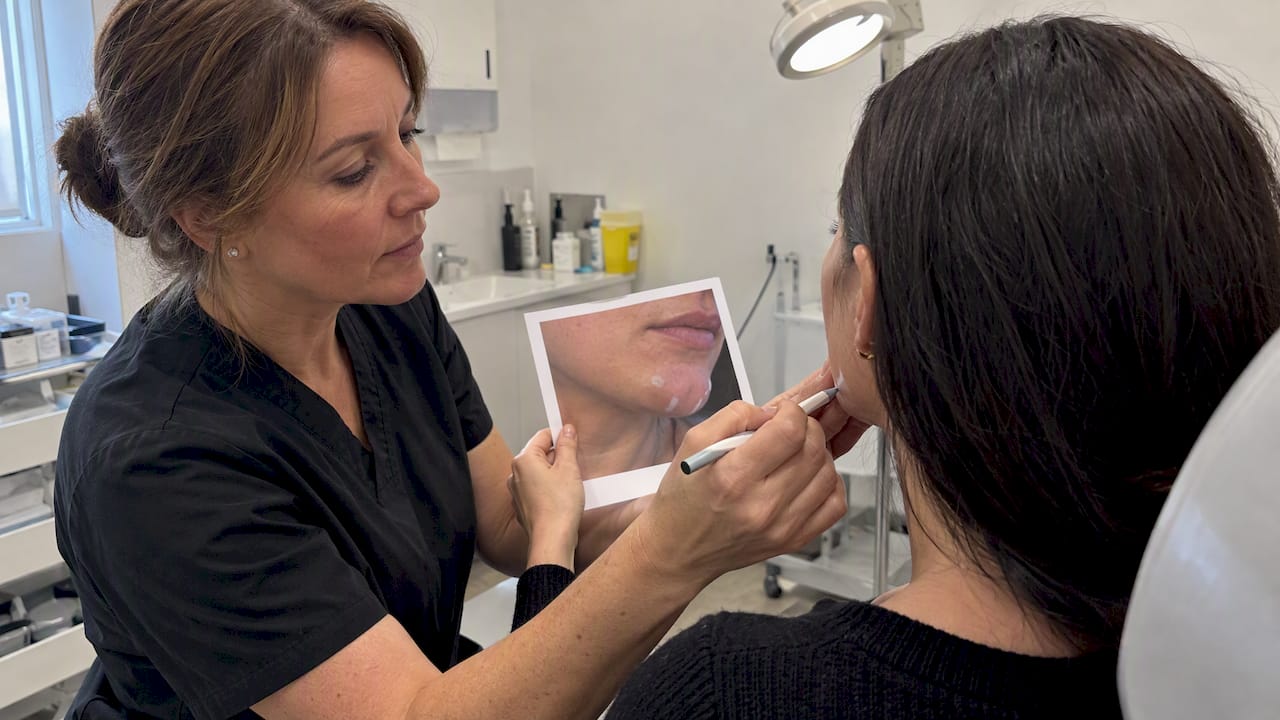
That is why consultation-led care matters. A serious clinic does not begin with selling. It begins with listening, assessing and deciding whether treatment is appropriate. You should expect questions about your goals, previous procedures, allergies, medications and expectations. If that conversation barely happens, the clinic may be prioritising volume over patient care.
For many patients, especially those seeking subtle refinement rather than obvious change, the safest pair of hands is also the one most willing to advise restraint.
The consultation should feel bespoke, not transactional
One of the clearest signs of quality is the way a clinic handles the first consultation. You should feel heard, not processed.
A proper consultation should look at the wider picture rather than a single complaint in isolation. If you are concerned about tired-looking eyes, for example, the answer may not be one syringe in one area. It may involve skin quality, hydration, volume support, muscle movement or overall facial balance. The same is true for skin, hair and body concerns. Surface-level recommendations often produce surface-level results.
This is where bespoke planning becomes valuable. The strongest clinics build treatment plans around your individual features, medical suitability and long-term goals. That may mean phasing treatments gradually, combining approaches, or deciding to do less rather than more. One size does not fit all in aesthetics, and any clinic worth its reputation will make that clear.
If the consultation feels scripted, overly sales-led or designed to upsell multiple services before a proper assessment, it is reasonable to step back.
Look beyond before-and-after photos
Results matter, of course, but images should be interpreted carefully. Lighting, makeup, angles and facial expression can all alter how a treatment appears. A strong gallery is useful, but it should not be your only benchmark.
What you are really looking for is consistency in style and philosophy. Do the results look natural, balanced and appropriate to the individual, or do they all begin to look the same? A refined clinic should enhance rather than standardise.
Testimonials can also be revealing, especially when they mention the consultation experience, professionalism, aftercare and how supported the patient felt throughout the process. Those details often tell you more than a dramatic transformation photograph.
In a competitive market such as London, where many clinics position themselves as luxury providers, presentation can be polished across the board. The difference is whether that polish is backed by clinical substance.
How to choose an aesthetic clinic for natural-looking results
Natural-looking results are one of the most common patient priorities, yet they mean different things to different people. For one person, natural may mean fresher skin and softer lines. For another, it may mean restored structure, improved symmetry or a more defined profile that still looks believable.
The clinic you choose should be able to translate your goals into a realistic plan. That includes explaining what treatment can achieve, what it cannot achieve and how results may evolve over time. Overpromising is a warning sign. So is agreeing too quickly with a request that does not suit your features.
Good practitioners are not there to flatter every idea. They are there to guide. If they recommend a slower, more measured approach, that is often a sign of experience rather than hesitation.
This matters particularly for patients who have had disappointing work elsewhere. Corrective treatment can be more complex than starting afresh, and it requires honesty, technical understanding and patience.
Consider the clinic environment and aftercare
The surroundings of a clinic do matter, but not only from a luxury perspective. A calm, discreet and well-run environment usually reflects wider standards of care. Cleanliness, professionalism and attention to detail should be visible from the moment you arrive.
That said, elegant interiors are not enough on their own. What matters more is what sits behind them: proper documentation, consent, hygiene protocols, treatment records and clear aftercare. You should know what to expect after treatment, what side effects are normal and who to contact if you have concerns.
Aftercare is one of the biggest differences between a transactional provider and a clinic built around patient wellbeing. When a clinic sees your result as part of an ongoing relationship rather than a one-off appointment, the standard of care is usually higher.
This is especially relevant for treatment journeys involving skin optimisation, hair restoration, body contouring or wellbeing services. The best outcomes often come from continuity, not isolated interventions.
Price should be considered in context
It is sensible to have a budget, but choosing purely on price can be expensive in the long run. Cut-price aesthetics often cut corners somewhere – in consultation time, product quality, practitioner experience or aftercare.
That does not mean the most expensive clinic is automatically the best. It means value should be assessed in context. Are you paying for a medically led consultation, tailored planning, premium products, trained professionals and proper follow-up? Or are you paying mainly for branding?
Aesthetic treatment should feel worth the investment because the care is personalised, the recommendations are thoughtful and the result respects your features. A well-chosen clinic is not simply selling treatments. It is helping you make sound decisions about your appearance and confidence.
Trust your instincts, but test them properly
Patients often sense very quickly when a clinic feels right. The atmosphere may be calm, the practitioner may be measured and the consultation may feel both expert and reassuring. That instinct matters, but it should be backed by evidence.
Ask questions. Notice how clearly they are answered. Pay attention to whether the clinic takes time to understand your concerns or steers you straight towards a preselected treatment. Confidence is valuable in aesthetics, but so is caution.
At a clinic such as The Aesthetics Room, the difference is often found in that balance – medical credibility paired with bespoke, confidence-building care. For discerning patients, that is usually what defines a clinic worth returning to.
The right clinic should leave you feeling informed, respected and comfortable enough to take your time. If you feel pressured, uncertain or unconvinced, keep looking. The best aesthetic decisions are rarely rushed.