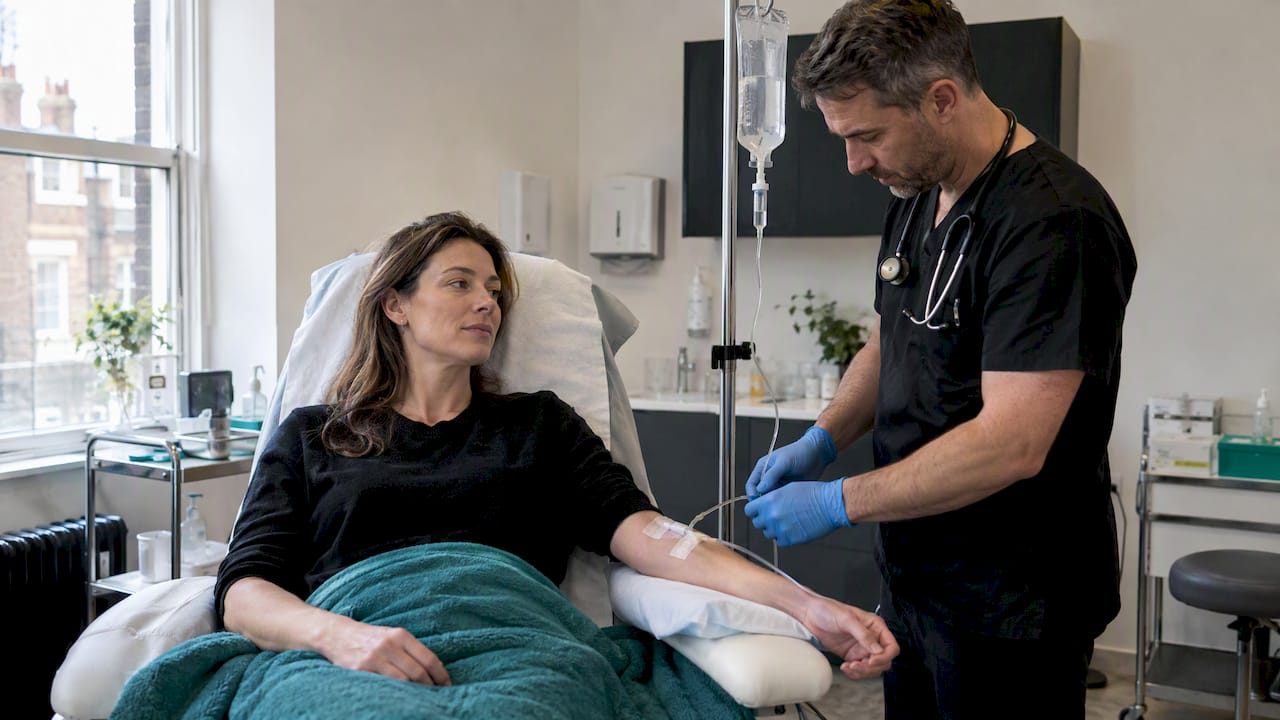

Clinic-led lymphatic drainage is recommended for most people after non-surgical fat-dissolving injections, typically starting three to seven days post-treatment. It reduces swelling, supports the clearance of disrupted fat cells, and helps reveal contouring sooner. Always follow your practitioner’s specific aftercare instructions rather than a generic timeline.
TL;DR:
- Lymphatic drainage sessions should start three to seven days after fat-dissolving injections to support waste removal and reduce swelling.
- Most patients need a tailored schedule of one to two sessions in the initial weeks, with adjustments based on individual response and area size.
- Significant swelling peaks between 48 and 72 hours post-treatment, with minor firmness or nodularity possibly lingering for weeks as the body clears fat cell debris.
- Professional lymphatic drainage provides temporary contouring benefits and comfort, but it is not a long-term solution for cellulite or fat reduction.
- Clinics should offer clear, procedure-specific aftercare guidance and have credible credentials like CQC registration to ensure safe, effective recovery management.
Table of Contents
- What is post lipo lymphatic drainage for fat‑dissolving injections?
- When should you start lymphatic drainage after fat‑dissolving injections?
- What happens during recovery, and when should you call the clinic?
- Professional lymphatic drainage vs at‑home self‑care: what actually works
- How The Aesthetics Room approaches lymphatic drainage aftercare
- Ready to book your lymphatic drainage session?
- Sources
What is post lipo lymphatic drainage for fat‑dissolving injections?
Post lipo lymphatic drainage, in this context, refers to manual or device-assisted lymphatic sessions given after non-surgical fat-dissolving injections, not aftercare following surgical liposuction. The distinction matters because the tissue disruption, swelling pattern, and recovery timeline differ significantly between the two.
Most fat-dissolving formulas rely on deoxycholic acid to break down adipocytes, the fat-storing cells beneath the skin. Once disrupted, those cells release inflammatory debris that the body needs to process and remove over several weeks, and the lymphatic system does much of that clearance work. Lymphatic drainage supports the movement of this fluid and cellular waste, which is why practitioners often build it into a structured 4–6 week review that assesses how well the treated area has responded.
The evidence here isn’t about drainage working in isolation. Practitioners consistently note that results hold up best when professional lymphatic support is paired with hydration and regular movement, which support natural clearance processes rather than relying on lymphatic drainage alone. Skip the basics, and even a well-timed drainage session has less waste to work with and less momentum behind it.
When should you start lymphatic drainage after fat‑dissolving injections?
Most clinics advise starting around three to seven days after treatment, once the initial inflammatory response has settled but before tissue becomes overly fibrous or resistant to gentle manipulation. Going in too early, with aggressive massage or heat, can actually delay healing rather than speed it up.
A typical schedule looks something like this, though your practitioner will adjust it based on your response:
- First two weeks: one to two gentle sessions, focused on encouraging early fluid movement without disturbing healing tissue.
- Weeks two to four: weekly or fortnightly sessions if swelling persists or the area still feels firm.
- Week four to six: a review appointment to assess progress, usually with standardised photographs, deciding whether further sessions or retreatment are needed.
Treatment area size, injection volume, and how your body responds individually all shift this timeline. A small area treated with a modest dose may need only one or two sessions total. A larger area, or someone prone to slower lymphatic clearance, may need the fuller course. There’s no single correct number, only a sensible range your clinic should tailor to your case.
What happens during recovery, and when should you call the clinic?
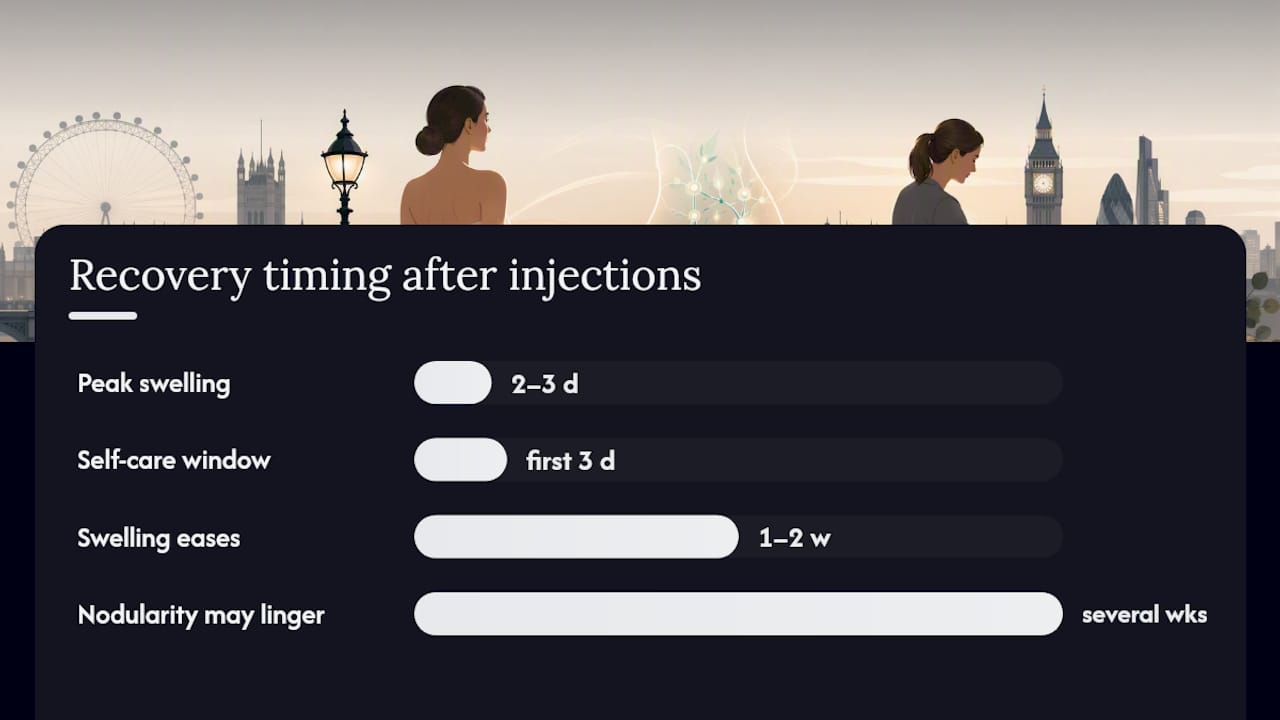
Swelling and bruising typically peak between 48 and 72 hours after fat-dissolving injections, then gradually ease over the following one to two weeks. Some firmness or small areas of nodularity under the skin can linger longer, sometimes for several weeks, as the body continues breaking down and clearing treated tissue. That’s normal. A dramatic worsening after day three is not.
For the first 72 hours, simple self-care measures do most of the heavy lifting:
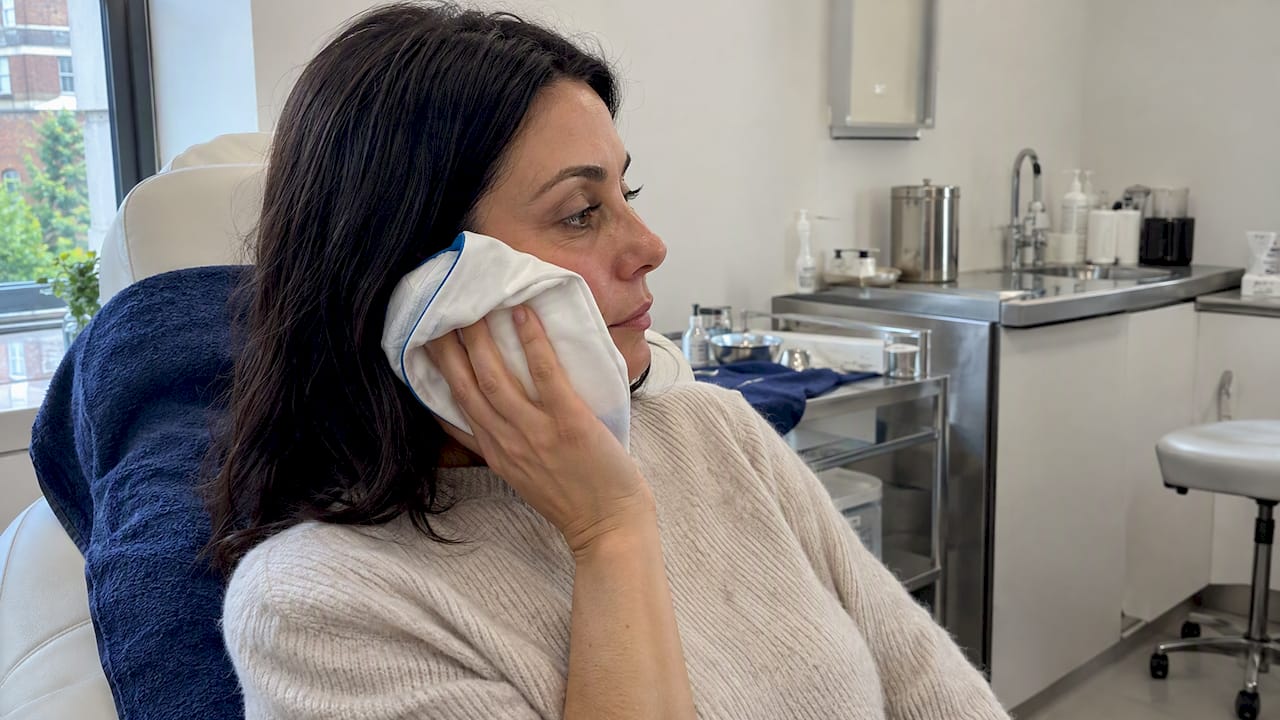
- Apply cold compresses to reduce swelling and discomfort.
- Elevate the treated area where practical, particularly overnight.
- Avoid hot baths, saunas, and strenuous exercise, which can increase swelling.
- Skip alcohol, which encourages fluid retention and can mask early warning signs.
- Sleep in a position that keeps pressure off the treated area if possible.
- Keep hydration steady, since it supports the lymphatic system’s ability to clear debris.
Pro Tip: Keep a simple daily photo log from the same angle and lighting for the first two weeks. Swelling can mask genuine progress, and having a visual record makes your 4–6 week review far more useful.
Certain symptoms mean you should contact your clinic rather than wait it out: worsening pain instead of gradual improvement, redness that spreads rather than fades, fever, or swelling that increases after day three rather than settling. These aren’t typical recovery signs, and a structured aftercare protocol should give you a clear number to call if any of them appear.
Professional lymphatic drainage vs at‑home self‑care: what actually works
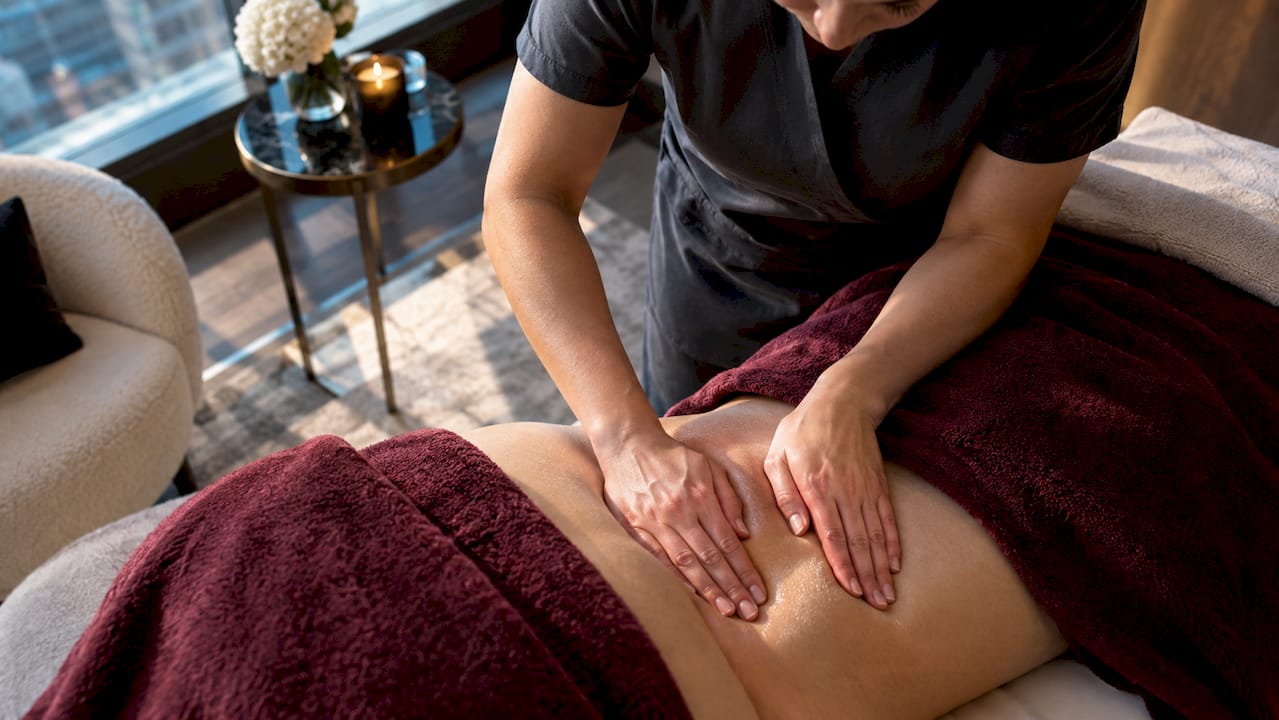
Professional manual lymphatic drainage (MLD) uses light, rhythmic hand movements, or in some clinics a gentle device, designed to encourage fluid along the lymphatic pathways rather than push against resistant tissue. Session length varies by treatment area. Clinic-backed facial lymphatic drainage, for instance, has been shown to hold its effect for four to six hours after a single session, giving a useful window of reduced puffiness around key events or simply for comfort.
At home, the tools are simpler but still meaningful:
- Stay well hydrated throughout recovery, since dehydrated tissue clears debris more slowly.
- Keep moving with light daily activity such as walking, which helps stimulate lymphatic flow naturally.
- Use cold packs for the first 48 hours to control swelling before drainage sessions begin.
- Only attempt gentle self-massage if your practitioner has specifically shown you how and confirmed it’s safe for your stage of recovery.
It’s worth setting realistic expectations here. MLD genuinely aids comfort and can speed the visible improvement of contouring, but it isn’t a substitute for the hydration and movement doing the underlying work. It’s also not a permanent fix for every concern. For cellulite specifically, clinic experience shows that even ten to fourteen sessions tend to deliver only brief, temporary improvement rather than a lasting change, so it pays to know what a course of drainage can and can’t achieve before booking a long series.
How The Aesthetics Room approaches lymphatic drainage aftercare
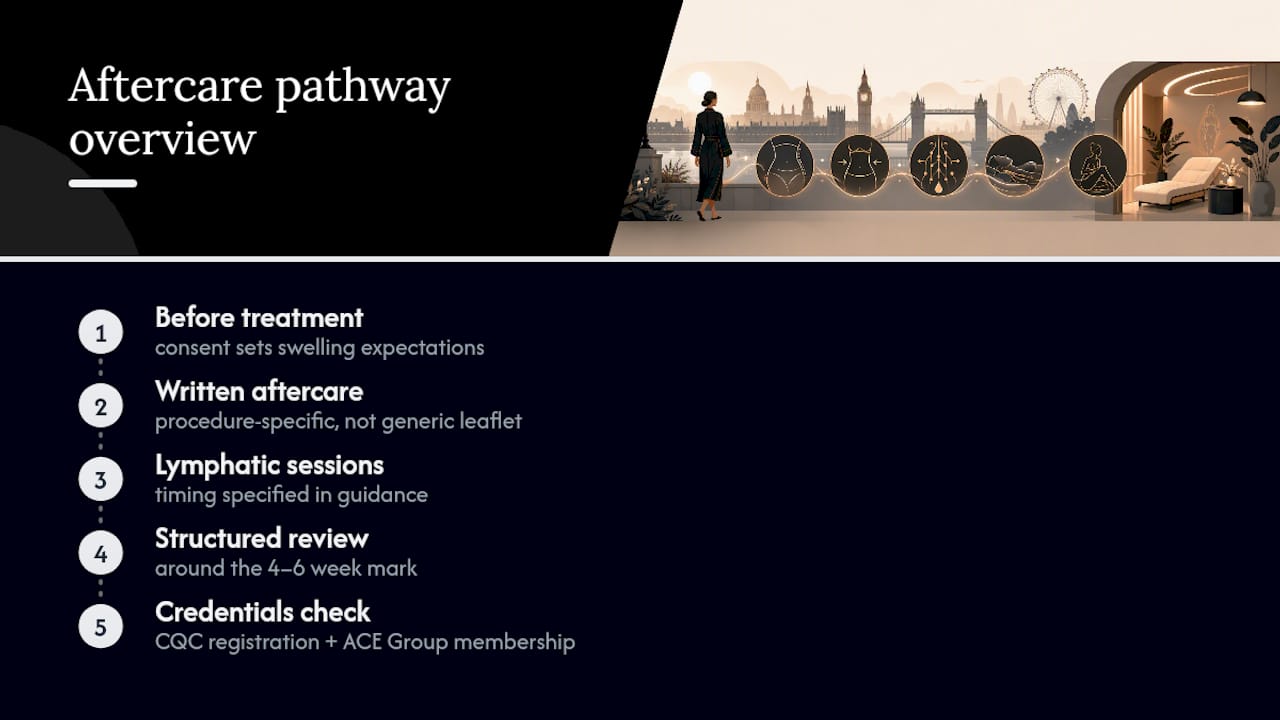
Fat-dissolving aftercare should never be an afterthought bolted onto the injection appointment, yet it often is treated that way across the industry. A proper pathway starts before treatment, with pre-treatment consent that sets expectations about swelling, and continues with written, procedure-specific aftercare rather than a generic leaflet. That written guidance should specify realistic timing for lymphatic sessions and build towards a structured review around the four to six week mark, not leave patients guessing whether their recovery is on track.
Credentials matter more here than marketing copy suggests. CQC registration and membership of the ACE Group, dedicated specifically to patient safety, are the baseline checks worth confirming before booking with any clinic, not just for reassurance but because they signal ongoing accountability for aftercare quality. Honest outcome framing matters just as much. Drainage helps recovery and comfort meaningfully, but it doesn’t rewrite the biology of fat clearance, and treatments like cellulite-focused drainage carry short-lived benefits that deserve to be stated plainly rather than glossed over in a sales conversation.
— Vishul
Ready to book your lymphatic drainage session?
If you’ve had fat-dissolving injections recently, or you’re weighing up whether to book them, the practical next step is straightforward: get your timing and technique confirmed by a practitioner rather than guessing from a recovery timeline online. Theaestheticsroom offers both the initial fat dissolving treatment and structured lymphatic aftercare as part of the same clinical pathway, so your recovery plan is built around the specific formula and dose you’ve had rather than a generic average.

When you contact the clinic to book a lymphatic session, have a few details ready: the date of your fat-dissolving treatment, the area treated, any medications you’re taking, and any symptoms you’ve noticed since the injection. That lets the practitioner tailor the session rather than run a one-size-fits-all protocol. Your first appointment typically involves a quick check of the treated area, a gentle drainage session suited to how your tissue is responding, and a plan for whether you need further sessions before your four to six week review. Virtual consultations are also available if you’d rather talk through your recovery before committing to an in-person visit, and you can find more detail on the lipodissolve options the clinic offers if you’re still deciding on treatment.
Sources
For readers who want to look deeper into the clinical reasoning behind post-injection lymphatic care, BCAM’s overview of fat-dissolving injections explains the underlying adipocyte breakdown process. Aesthetics Rx Pharma’s UK clinical practice guide covers procedure-specific aftercare standards, and YOO Clinic’s safety overview sets out sensible early recovery precautions worth reviewing before your own treatment.
This article is general information, not a substitute for advice from a qualified doctor. Consult a qualified healthcare professional about your own circumstances before acting on anything here.
- Fat dissolving injections (BCAM)
- Fat‑dissolving injections: UK clinical practice (Aesthetics Rx Pharma)
- Fat dissolve treatments: risks & safety (YOO Clinic)