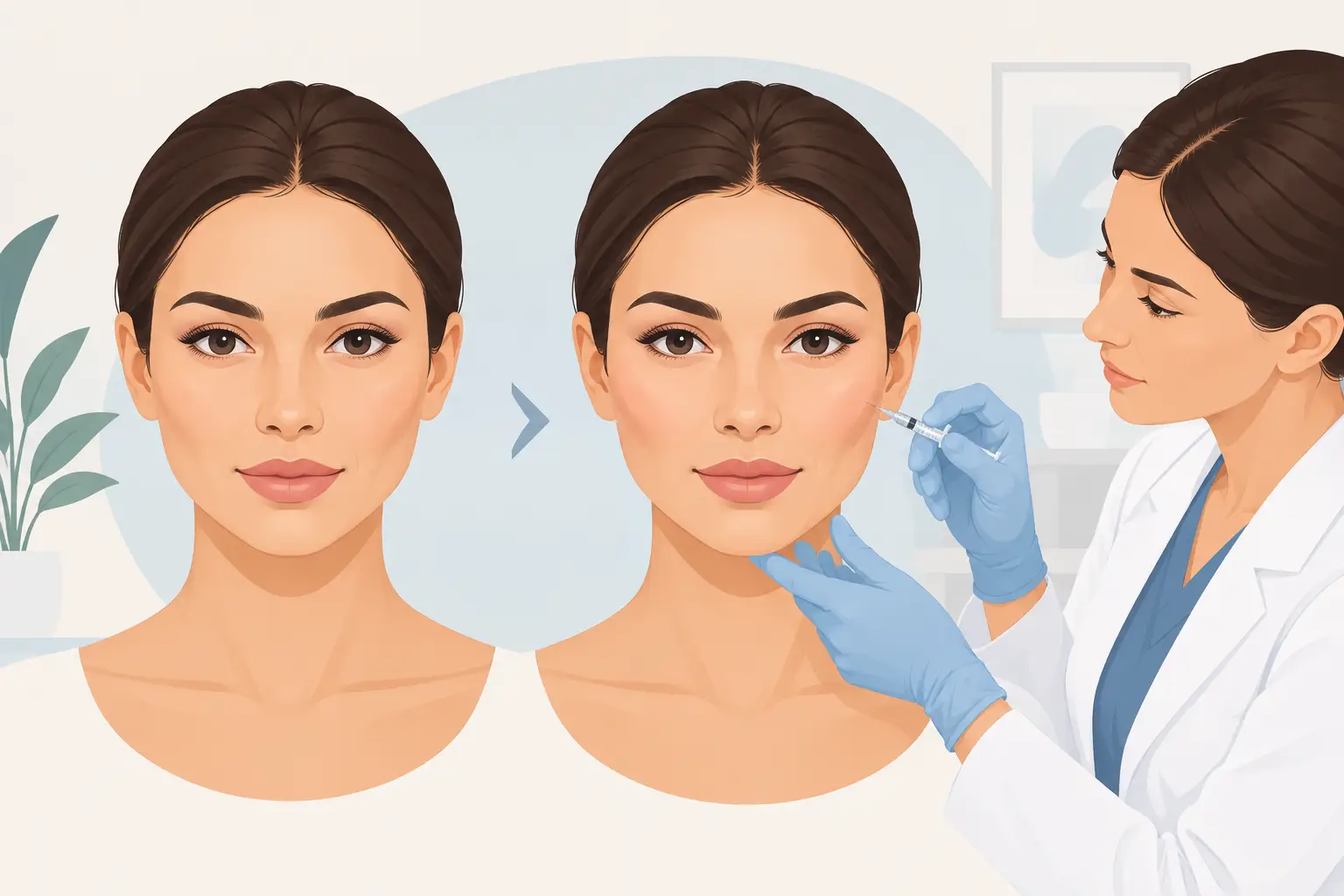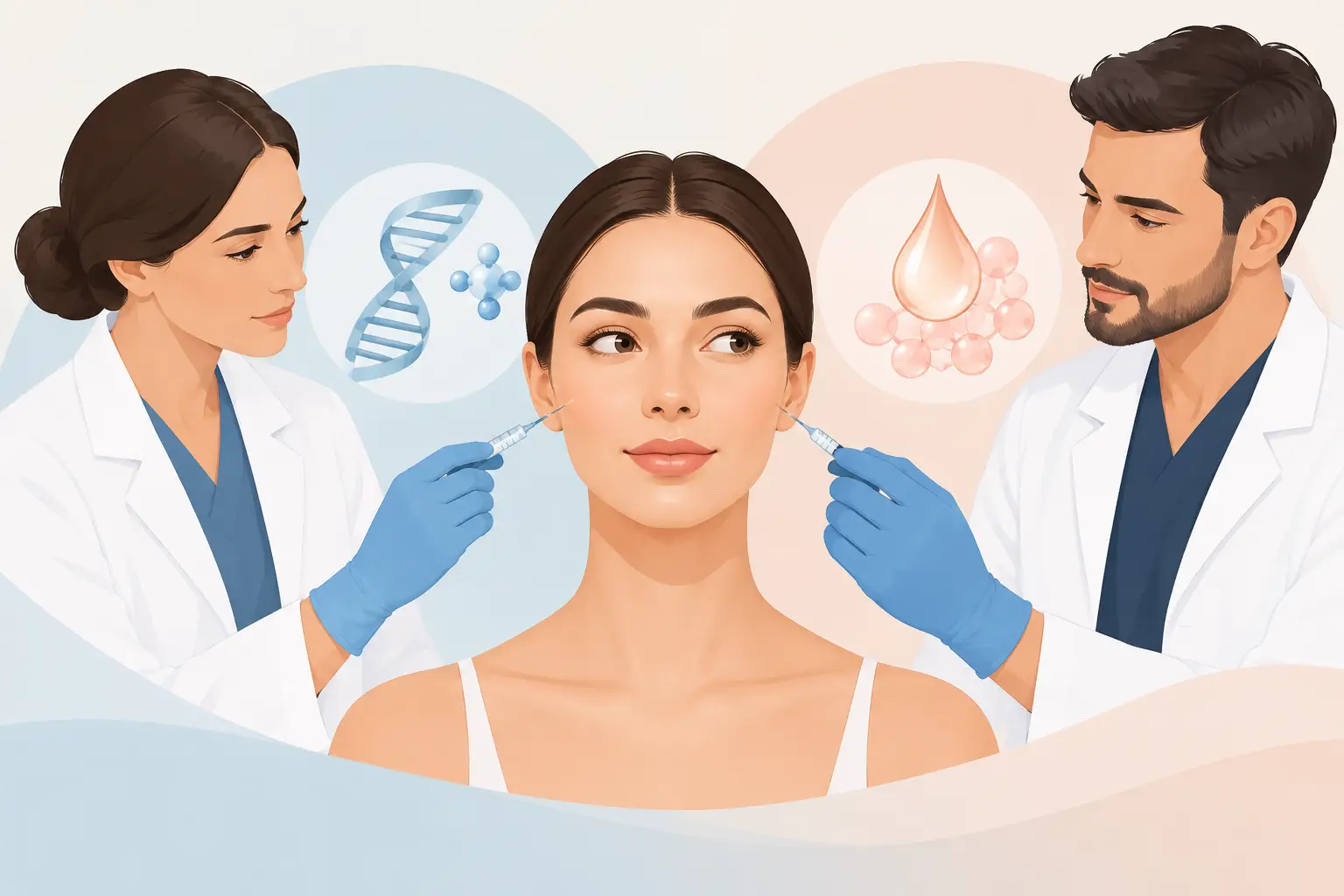


Choosing the right approach to cosmetic enhancement can feel daunting, even for those who know exactly what they want. In Knightsbridge, discerning men and women expect consultations that go far beyond a simple assessment. The beauty consultation process offers a personalised journey, blending professional expertise with your unique goals so you feel informed and confident about every decision. Explore how these steps ensure safety, satisfaction, and truly individual results in one of London’s most prestigious districts.
Table of Contents
- Defining The Beauty Consultation Process
- Stages In Aesthetic Client Consultations
- Personalisation And Client Expectations
- Safety Protocols And UK Regulatory Requirements
- Common Mistakes To Avoid In Consultations
Key Takeaways
| Point | Details |
|---|---|
| Importance of Personalisation | Establishing a tailored approach during consultations enhances client satisfaction and aligns treatments with individual aesthetic goals. |
| Structured Consultation Process | A multi-stage process that includes comprehensive medical assessments and open communication ensures client safety and effective treatment planning. |
| Regulatory Compliance | Adhering to UK regulations and guidelines protects patient welfare, ensuring that practitioners maintain high professional standards. |
| Avoid Common Pitfalls | Thorough documentation of medical histories and clear, transparent communication can prevent misunderstandings and enhance trust in the consultation process. |
Defining The Beauty Consultation Process
A beauty consultation represents the foundational interaction between aesthetic practitioners and potential clients, establishing a comprehensive understanding of individual aesthetic goals and medical considerations. Patient-centred consultation processes are meticulously designed to create personalised treatment pathways tailored to each individual’s unique needs and expectations.
The consultation process typically encompasses several critical stages. Initially, practitioners conduct an in-depth medical assessment, reviewing the client’s complete health history, current medications, prior aesthetic treatments, and specific skin or aesthetic concerns. During this phase, trained professionals evaluate both physical characteristics and personal objectives to develop a nuanced understanding of potential treatment approaches. The goal is not merely to recommend a procedure, but to craft a holistic strategy that aligns with the client’s wellness and aesthetic aspirations.
Key elements of an effective beauty consultation include comprehensive communication, professional assessment, and transparent information sharing. Practitioners employ advanced communication techniques to establish trust, carefully listening to client concerns while providing professional insights about potential treatment options. Consultation skills involve establishing client rapport and ensuring individuals feel empowered to make informed decisions about their aesthetic journey.
Pro Tip: Always prepare a list of questions and personal aesthetic goals before your consultation to maximise the effectiveness of your discussion with aesthetic professionals.
Stages In Aesthetic Client Consultations
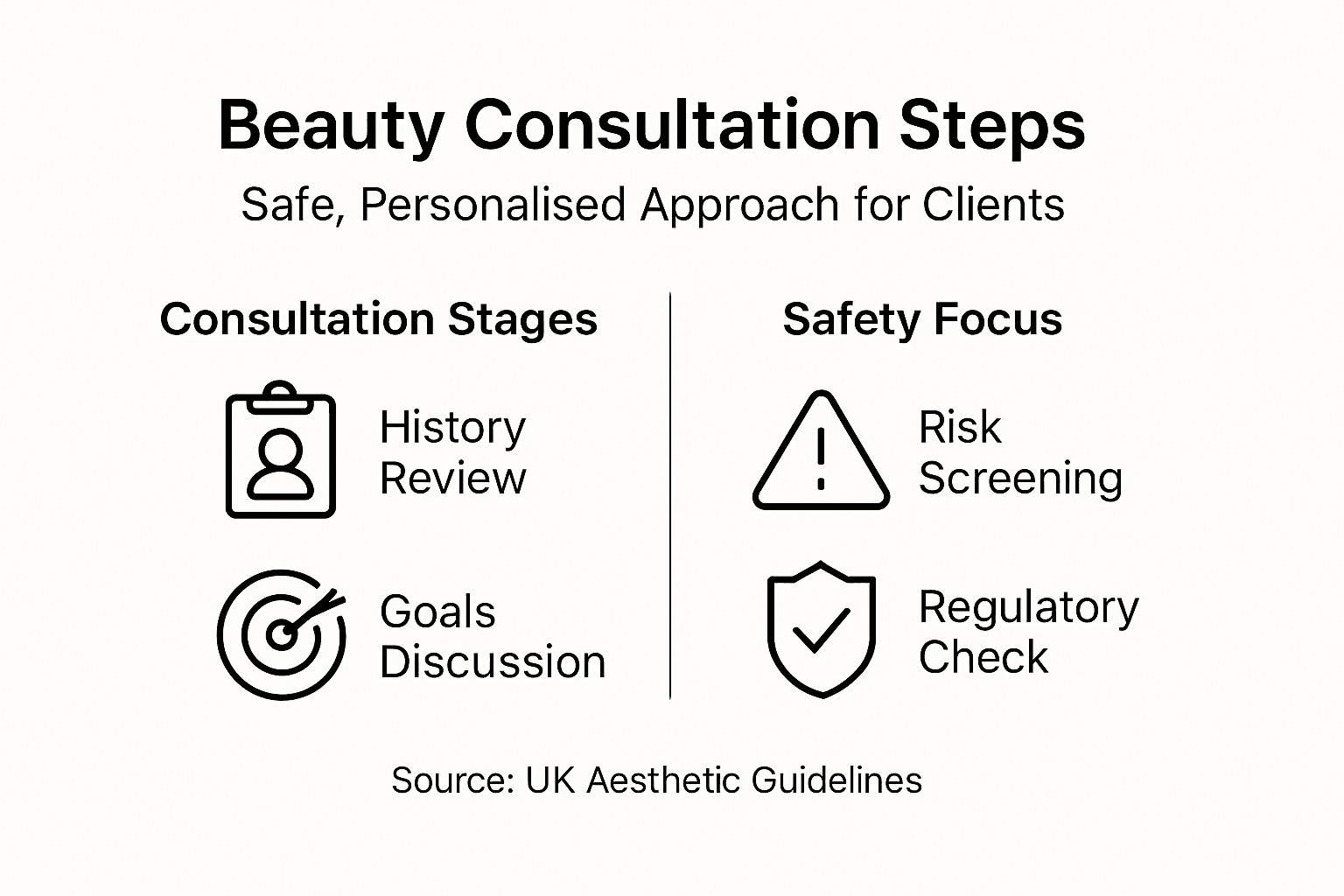
Aesthetic client consultations follow a structured, multi-stage approach designed to ensure patient safety, understand individual needs, and develop personalised treatment strategies. Consultation stages involve comprehensive patient assessment that go far beyond simple medical screening, creating a holistic understanding of each client’s aesthetic objectives and potential treatment pathways.
The initial consultation typically involves several critical components. First, practitioners conduct a detailed medical history review, examining current health status, existing medical conditions, medications, and previous aesthetic treatments. This phase requires thorough documentation and careful evaluation of potential contraindications. Practitioners will also perform a physical examination, assessing skin condition, facial structure, and specific areas of aesthetic concern. During this stage, open communication is paramount, allowing clients to express their goals while practitioners provide professional insights and realistic expectations.

Non-surgical cosmetic procedure consultations encompass several key stages beyond initial assessment. These include detailed treatment planning, comprehensive risk discussions, informed consent processes, and personalised recommendation development. Practitioners must explain potential outcomes, discuss recovery expectations, and ensure clients understand both the benefits and potential limitations of proposed treatments. This transparent approach empowers clients to make well-informed decisions about their aesthetic journey.
Pro Tip: Prepare a comprehensive list of current medications, previous treatments, and specific aesthetic concerns before your consultation to facilitate a more efficient and personalised assessment.
Personalisation And Client Expectations
Personalisation in aesthetic consultations represents a sophisticated approach to understanding and addressing individual client needs, moving far beyond standardised treatment protocols. Personalised consultation techniques involve comprehensive exploration of each client’s unique aesthetic aspirations, physical characteristics, and underlying motivations.
The art of personalisation begins with exceptional communication strategies. Practitioners must skilfully employ open-ended questioning techniques, active listening, and nuanced observation to uncover the subtle nuances of a client’s expectations. This involves creating a safe, non-judgmental environment where clients feel empowered to share their genuine concerns, insecurities, and desired aesthetic outcomes. Detailed consultations explore not just physical attributes, but also psychological factors that influence aesthetic decision-making, ensuring a holistic understanding of the client’s perspective.
Non-surgical cosmetic procedure expectations require transparent, realistic communication about potential outcomes. Skilled practitioners carefully manage client expectations by providing comprehensive information about treatment possibilities, potential limitations, and anticipated results. This approach involves presenting scientifically grounded information, visual references, and potential scenario analyses that help clients develop a realistic understanding of what can be achieved through aesthetic interventions.
Below is a comparison of initial consultation and personalisation steps in aesthetic client care:
| Step | Initial Consultation Focus | Personalisation Focus |
|---|---|---|
| Medical History | Reviews health, treatments, medications | Considers history in context of goals |
| Physical Assessment | Examines skin and facial features | Tailors examination to aspirations |
| Communication | Collects basic client goals | Uses open-ended questions, listens deeply |
| Planning | Explains general procedure scenarios | Adapts plan to unique expectations |
Pro Tip: Bring reference images and prepare a clear, concise description of your aesthetic goals to help practitioners understand your vision more precisely during your consultation.
Safety Protocols And UK Regulatory Requirements
UK aesthetic practice is governed by rigorous safety protocols designed to protect patient welfare and maintain the highest professional standards. Comprehensive cosmetic practitioner guidelines establish a structured framework that ensures practitioners adhere to strict ethical and medical standards across all aesthetic interventions.
The regulatory landscape involves multiple key organisations working collaboratively to maintain patient safety. The Joint Council for Cosmetic Practitioners (JCCP), Cosmetic Standards Practice Authority (CSPA), and professional bodies like the Nursing and Midwifery Council (NMC) play critical roles in establishing and enforcing professional standards. These organisations mandate comprehensive practitioner qualifications, require thorough patient assessments, and enforce robust informed consent processes. Practitioners must demonstrate continuous professional development, maintain detailed treatment records, and operate within clearly defined ethical boundaries.
The following table outlines the distinct roles and responsibilities of key UK regulatory organisations overseeing aesthetic practice:
| Organisation | Main Responsibility | Impact on Patient Safety |
|---|---|---|
| JCCP | Sets training standards for practitioners | Ensures only qualified professionals operate |
| CSPA | Develops codes of conduct and ethics | Promotes ethical, transparent treatments |
| NMC | Regulates nurses and midwives in aesthetics | Enforces professional accountability |
| Local Authorities | Licensing and inspection of premises | Maintains safe treatment environments |
Safety protocols for non-surgical cosmetic treatments encompass multiple layers of protection for patients. This includes mandatory face-to-face consultations, strict medicine management guidelines, and operation within regulated premises. Practitioners must possess appropriate qualifications, maintain professional indemnity insurance, and demonstrate competence in specific aesthetic procedures. Additional requirements include maintaining sterile treatment environments, using approved medical devices and substances, and implementing comprehensive risk management strategies.
Pro Tip: Always verify a practitioner’s professional registration and ask to see their current certifications before proceeding with any aesthetic treatment.
Common Mistakes To Avoid In Consultations
Aesthetic consultations demand meticulous attention to detail and comprehensive communication to prevent potential misunderstandings or unsatisfactory outcomes. Common consultation errors can significantly undermine the client’s trust and compromise treatment effectiveness, making awareness and proactive prevention crucial.
One of the most prevalent mistakes involves inadequate medical history documentation. Practitioners must rigorously explore a client’s complete health background, including current medications, previous treatments, allergies, and underlying medical conditions. Superficial assessments can lead to potentially dangerous treatment recommendations that might interact negatively with existing health conditions or medications. Clients should be encouraged to disclose comprehensive medical information, and practitioners must demonstrate active listening and thorough investigation beyond surface-level interactions.
Consultation communication strategies require practitioners to avoid rushing the assessment process and manage client expectations with exceptional clarity. This involves providing transparent information about potential treatment outcomes, realistic timeframes, recovery processes, and associated risks. Common pitfalls include applying pressure for immediate decisions, failing to explain potential complications, or presenting overly optimistic treatment scenarios. Successful consultations create a collaborative environment where clients feel empowered to ask questions, express concerns, and make informed choices without feeling overwhelmed or manipulated.
Pro Tip: Prepare a comprehensive list of questions about your medical history, previous treatments, and specific concerns before your consultation to ensure a more thorough and productive discussion.
Experience Personalised Care with Confidence at The Aesthetics Room
Navigating the complexities of the beauty consultation process can be challenging. The article highlights key concerns such as understanding your unique aesthetic goals, ensuring safe personalised treatment plans, and managing realistic expectations through thorough communication. At The Aesthetics Room, we address these pain points by adopting a patient-centred approach that aligns perfectly with professional consultation standards. Our expert practitioners focus on meticulous medical assessments and clear, open dialogue to craft bespoke treatment pathways tailored just for you.
Enhance your journey with our dedicated consultation services that prioritise safety and transparency. Whether you are exploring The Consultation – The Aesthetics Room or considering specific treatments like Dermal Fillers – The Aesthetics Room, our clinic in London’s Knightsbridge delivers premium care combining expertise with empathy. Discover how our holistic approach turns your aesthetic aspirations into safe, fulfilling results.
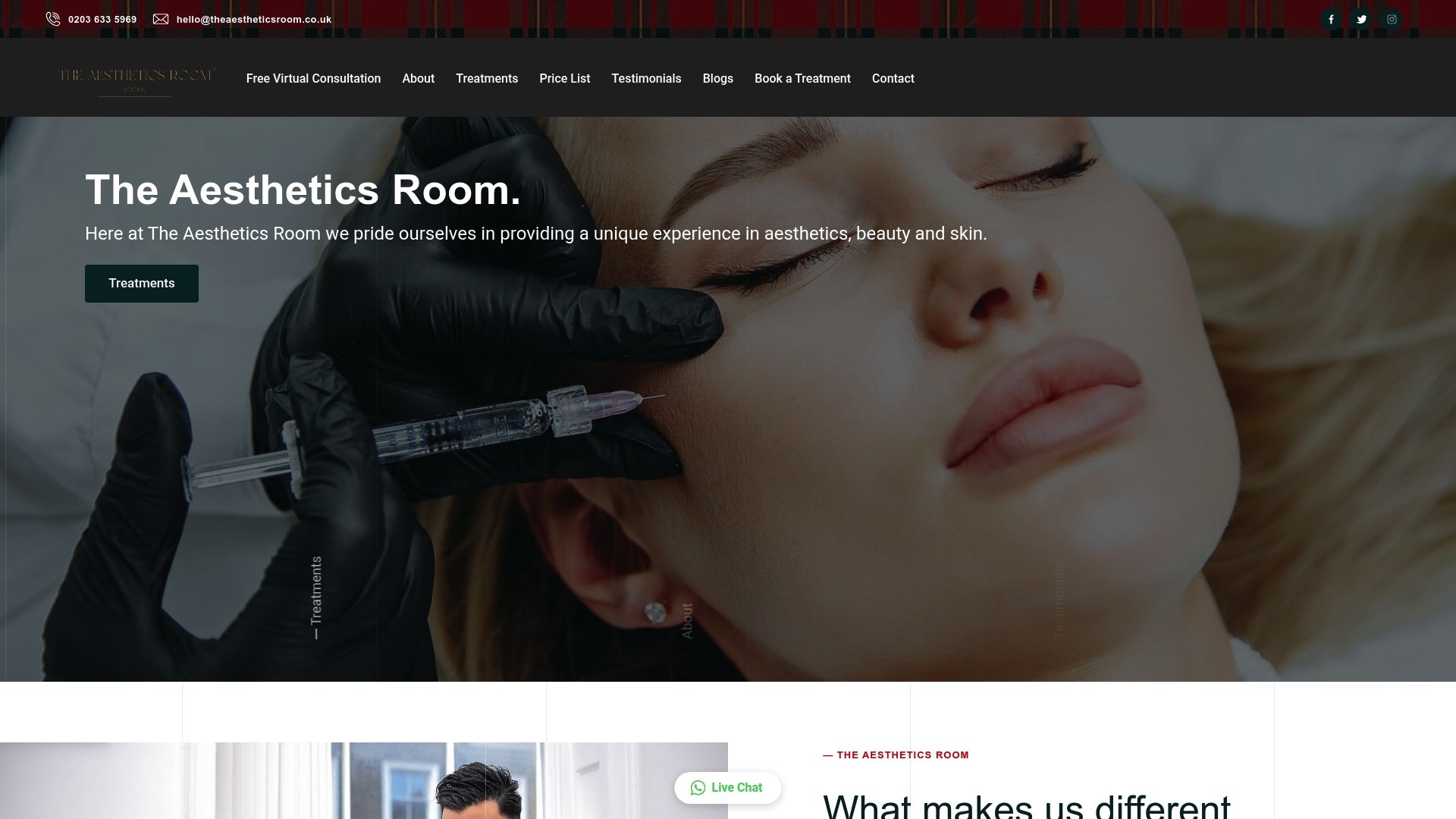
Ready to embrace a consultation experience that listens deeply and plans precisely? Visit The Aesthetics Room today to book your personalised consultation. Take the first step towards confidence by choosing a trusted partner focused on your safety, wellbeing, and unique beauty goals.
Frequently Asked Questions
What is the purpose of a beauty consultation?
A beauty consultation aims to establish a thorough understanding of a client’s aesthetic goals, medical history, and individual needs to create a personalised treatment plan.
What are the key stages of an aesthetic consultation?
The key stages typically include a detailed medical history review, physical examination, open communication about goals, treatment planning, and informed consent discussions.
How can I prepare for my beauty consultation?
To prepare effectively, consider bringing a list of your current medications, previous aesthetic treatments, specific concerns, and reference images that clearly illustrate your goals.
What should I expect regarding safety during the consultation?
You should expect rigorous safety protocols, including a face-to-face consultation, thorough assessments, and transparent discussions about risks, ensuring that treatments are conducted by qualified practitioners.
Recommended
- Role of Consultation in Aesthetics: Enhancing Safety and Results – The Aesthetics Room
- 7 Key Steps for a Successful Aesthetic Consultation Checklist – The Aesthetics Room
- 7 Expert Professional Skin Treatment Tips for Radiant Results – The Aesthetics Room
- The Consultation – The Aesthetics Room
- Hair Care Treatment: Personalization with AI Insights | MyHair