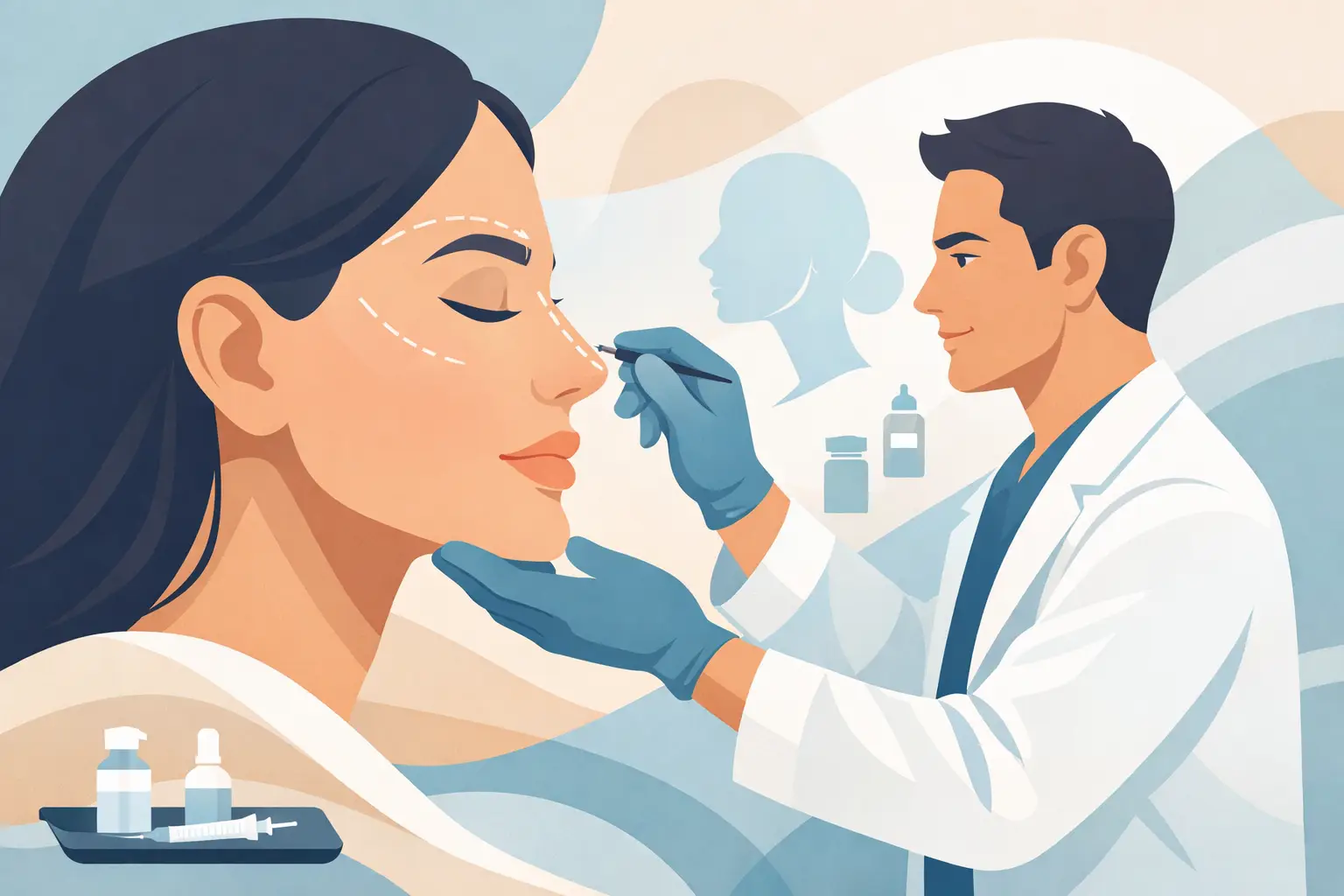


Research shows nearly 40 percent of British adults in London consider non-invasive aesthetic enhancements to improve their confidence. In Knightsbridge, discerning individuals seek consultations that go far beyond standard cosmetic advice. A truly personalised approach demands careful attention to your goals, medical background, and practitioner expertise. This guide offers crucial insight on what you need to know to ensure your journey prioritises safety, satisfaction, and lasting results.
Table of Contents
- 1. Assess Your Goals And Expectations
- 2. Review Medical History And Allergies
- 3. Research Qualifications Of Practitioners
- 4. Understand Treatment Options And Suitability
- 5. Discuss Risks, Benefits, And Alternatives
- 6. Check Aftercare And Recovery Guidelines
- 7. Clarify Pricing And Booking Procedures
Quick Summary
| Takeaway | Explanation |
|---|---|
| 1. Clearly Define Your Aesthetic Goals | Discuss specific aesthetic concerns and motivations to align treatment plans with expectations. |
| 2. Share Comprehensive Medical History | Provide detailed medical information to ensure safe and suitable treatment options. |
| 3. Verify Practitioner Qualifications | Research and confirm the credentials of professionals to ensure your safety and care quality. |
| 4. Understand Treatment Options Thoroughly | Explore treatment compatibility, outcomes, and requirements to make informed choices. |
| 5. Clarify Pricing and Cancellation Policies | Discuss costs, payment methods, and policies to avoid surprises and ensure transparency. |
1. Assess Your Goals and Expectations
Every successful aesthetic consultation begins with a comprehensive understanding of your personal aesthetic journey. Your unique vision and desired outcomes form the cornerstone of creating a tailored treatment plan that aligns precisely with your expectations.
In aesthetic medicine, goals are far more than superficial desires. They represent a holistic approach to personal confidence and wellbeing. Effective consultations encompass clinical assessment, psychological insight, and ethical considerations that go beyond mere physical transformation.
During your initial consultation, expect a thorough exploration of what you want to achieve. This involves discussing specific concerns such as skin texture, facial symmetry, volume loss, or specific areas you wish to enhance. The practitioner will listen carefully, asking probing questions to understand not just what you want, but why you want it.
Key elements of goal assessment include:
- Identifying specific aesthetic concerns
- Understanding your motivation for treatment
- Exploring realistic and achievable outcomes
- Discussing potential treatment approaches
Your practitioner will use visual aids and professional expertise to help you visualise potential results. Active listening techniques enable practitioners to establish clarity and alignment on treatment goals, ensuring your expectations are both understood and manageable.
Pro tip: Bring reference images or detailed descriptions of your aesthetic goals to help your practitioner understand your vision more precisely.
2. Review Medical History and Allergies
Your medical history serves as a critical roadmap for safe and effective aesthetic treatments. A comprehensive review provides essential insights that help practitioners design a personalised approach tailored precisely to your health profile.
A medical history form for aesthetic treatments should comprehensively cover medical, psychological, and social health aspects, ensuring both patient safety and optimal treatment outcomes. This detailed exploration goes far beyond a simple checklist.
During your consultation, expect to discuss:
- Existing medical conditions
- Current prescription medications
- Previous surgical procedures
- Known allergies and sensitivities
- Family medical history
- Lifestyle factors
Comprehensive medical history reviews help identify potential contraindications and assess individual treatment suitability, preventing unnecessary risks. Your practitioner needs to understand how underlying health conditions might interact with proposed aesthetic treatments.
Be prepared to provide transparent and detailed information. Some medical conditions or medications might require special consideration or alternative treatment approaches. This openness ensures your safety and helps design the most appropriate intervention.
Pro tip: Bring a complete list of your current medications, including supplements and over the counter drugs, to provide your practitioner with the most accurate health overview.
3. Research Qualifications of Practitioners
The expertise of your aesthetic practitioner is the foundation of a safe and successful treatment journey. Not all practitioners are created equal, and understanding their qualifications becomes crucial in making an informed decision about your aesthetic care.
Currently, there are no legal requirements for qualifications in non surgical aesthetics in the United Kingdom, which makes personal research even more essential. This lack of universal regulation means you must be proactive in verifying a practitioner’s credentials.
Key qualifications to investigate include:
- Professional medical background
- Regulated aesthetic practice diplomas
- Specific treatment certifications
- Professional membership organisations
- Continued professional development evidence
Healthcare professionals with relevant medical degrees are typically recommended for invasive procedures. Look for practitioners holding Level 4, 5, or 7 diplomas in aesthetic practice, as these represent rigorous training standards. Professional memberships with organisations like the British Association of Cosmetic Nurses or the ACE Group can also indicate a commitment to professional excellence.
When researching, request to see:
- Original qualification certificates
- Professional insurance documentation
- Before and after treatment portfolios
- Patient testimonials
- Evidence of recent training
Pro tip: Request a consultation to discuss the practitioner’s specific qualifications and experience directly, which allows you to assess their expertise and communication skills in person.
4. Understand Treatment Options and Suitability
Understanding the nuanced landscape of aesthetic treatments requires a comprehensive approach that matches your unique physiological needs and aesthetic aspirations. Each treatment represents a personalised journey towards enhancing your natural beauty.
During an aesthetic consultation, practitioners carefully assess patient concerns and medical background to ensure safe treatment suitability, providing a tailored roadmap for potential interventions. Navigating these options demands careful consideration and informed decision making.
Key aspects of treatment exploration include:
- Detailed assessment of your specific aesthetic concerns
- Comprehensive evaluation of treatment compatibility
- Understanding potential outcomes and limitations
- Exploring multiple treatment pathways
- Considering long term maintenance requirements
Treatment suitability depends on multiple interconnected factors such as skin type, age, medical history, lifestyle, and personal aesthetic goals. Patients should feel empowered to ask questions and request a cooling off period to thoroughly consider their options before committing to any procedure.
Practitioners will typically discuss:
- Number of recommended sessions
- Expected treatment duration
- Potential side effects
- Recovery timeframes
- Anticipated results
- Associated costs
Pro tip: Prepare a comprehensive list of questions beforehand and request visual references or simulation tools to help you better understand potential treatment outcomes.
5. Discuss Risks, Benefits, and Alternatives
A transparent dialogue about potential risks and benefits forms the cornerstone of responsible aesthetic medicine. Understanding the full spectrum of treatment implications empowers you to make informed decisions that align with your health and aesthetic goals.
Risk assessment within aesthetic consultations involves a thorough review of medical history and psychological readiness, ensuring comprehensive patient safety and informed consent. This process goes beyond simple procedural descriptions.
Key areas of discussion should encompass:
- Potential side effects and complications
- Expected treatment outcomes
- Realistic performance expectations
- Alternative treatment pathways
- Long term health implications
A thorough consultation permits patients to provide genuine informed consent by exploring procedural alternatives and understanding comprehensive treatment implications. Your practitioner will guide you through various scenarios, helping you understand both immediate and potential future consequences of any aesthetic intervention.
Critical considerations include:
- Specific risks associated with your unique medical profile
- Probability of potential complications
- Recovery and healing expectations
- Financial considerations
- Psychological impact of treatment
Each treatment option presents a unique risk benefit profile. Some interventions might offer minimal invasiveness with substantial aesthetic improvements, while others could require more extensive recovery periods.
Pro tip: Request a written summary of risks and benefits to review carefully after your consultation, allowing you time for thoughtful reflection and comprehensive understanding.
6. Check Aftercare and Recovery Guidelines
Your aesthetic treatment’s success extends far beyond the initial procedure. Aftercare represents a critical phase that can significantly impact your results, healing process, and overall treatment satisfaction.
Aftercare and recovery guidelines are discussed during the consultation to inform patients about expected healing times and care requirements, ensuring you have a comprehensive understanding of your post treatment journey.
Key aftercare considerations include:
- Precise healing timeline expectations
- Specific skincare protocol recommendations
- Activity and lifestyle modifications
- Signs of potential complications to monitor
- Follow up appointment scheduling
Proper aftercare protocols are vital for prolonging treatment benefits and minimising potential complications. Your practitioner will provide personalised guidance tailored to your specific treatment and individual health profile.
General aftercare recommendations often encompass:
- Avoiding direct sunlight
- Maintaining gentle skincare routines
- Staying well hydrated
- Avoiding alcohol and intensive exercise
- Following prescribed medication instructions
- Protecting treated areas from potential irritants
Each treatment presents unique recovery requirements. Some interventions might demand minimal interruption to your routine, while others could necessitate more comprehensive lifestyle adjustments.
Pro tip: Create a dedicated recovery area in your home with recommended skincare products, soft towels, and a comfortable environment to support your healing process.
7. Clarify Pricing and Booking Procedures
Transparency in pricing and booking represents the final crucial step in your aesthetic consultation journey. Understanding the financial and procedural aspects ensures a smooth, stress free experience that aligns with your expectations and budget.
Pricing and booking procedures are transparently discussed during or after the consultation, providing patients with comprehensive details on treatment costs and session requirements, empowering you to make informed decisions.
Key aspects to discuss include:
- Detailed treatment costings
- Number of recommended sessions
- Payment method options
- Potential package discounts
- Cancellation and refund policies
Consultation fees can protect practitioner time and provide a professional framework for treatment planning. Some clinics may offset consultation fees against future treatment costs, offering additional value to patients.
Consider exploring:
- Upfront payment options
- Potential financing arrangements
- Insurance coverage possibilities
- Incremental payment structures
- Gift voucher or loyalty programme opportunities
Each clinic will have unique pricing strategies, so comprehensive discussion during your consultation is essential for understanding the full financial landscape of your chosen treatment.
Pro tip: Request a written quote with a detailed breakdown of all potential costs to avoid unexpected expenses and ensure complete financial transparency.
Below is a comprehensive table summarising the key points discussed throughout the article regarding conducting successful aesthetic consultations.
| Aspect | Summary | Key Points to Consider |
|---|---|---|
| Goals and Expectations | Understanding client goals and expectations forms the foundation of personalised care. | Involves examining individual concerns and motivations, using visual aids and active listening. |
| Medical History and Allergies | Comprehensive review ensures safety and tailored treatment approaches. | Includes medical history, medications, allergies, and lifestyle factors. |
| Practitioner Qualifications | Verifying a professional’s credentials is crucial for ensuring safe treatments. | Seek proof of certification, experience, and ongoing professional development. |
| Treatment Options and Suitability | Careful assessment and tailored approaches align treatments with health profiles and aesthetic desires. | Discuss options, benefits, and limitations. Evaluate compatibility based on personalised factors. |
| Risks, Benefits, and Alternatives | Open dialogue about risks, potential outcomes, and alternatives ensures informed consent and decision-making. | Request detailed discussions and a written summary of considerations. |
| Aftercare and Recovery | Proper planning enhances healing and treatment outcomes while minimising complications. | Prepare ahead for recovery, heed aftercare guidelines, and schedule follow-ups. |
| Pricing and Booking Procedures | Transparent financial and scheduling discussions contribute to comfort and confidence in treatment plans. | Discuss costs, payment options, policies, and potential discounts early in the process. |
The table above aims to provide a clear and concise overview of the key topics addressed in the article.
Take Control of Your Aesthetic Journey with Expert Guidance
Understanding the critical steps for a successful aesthetic consultation can feel overwhelming. You want clear goals, reassurance on safety, and confidence in your practitioner’s expertise. At The Aesthetics Room, we address these key concerns by offering personalised consultations that explore your unique aesthetic goals, medical history, and treatment options in detail. Our commitment to transparency means you will gain full clarity on risks, benefits, aftercare, and pricing before you take the next step.
Ready to experience professional care tailored just for you Visit our The Consultation page to learn more about our comprehensive assessment process. Explore specialised treatments like Dermal Fillers designed to enhance your natural beauty safely. Begin your journey today at our premium clinic locations in Knightsbridge, Harley Street and Mayfair by booking your consultation online at The Aesthetics Room and take the first confident step towards your desired look.
Frequently Asked Questions
What should I consider when assessing my goals for an aesthetic consultation?
Understanding your personal aesthetic journey is crucial. Identify your specific concerns, motivations, and desired outcomes to create a treatment plan that aligns with your expectations. Consider bringing reference images to help clarify your vision.
How important is my medical history in the consultation process?
Your medical history is vital for ensuring safe and effective treatments. Be prepared to discuss existing conditions, medications, and allergies, as this information helps practitioners tailor a personalised treatment approach that minimises risks. Gather a complete list of your current medications ahead of time.
What qualifications should I look for in an aesthetic practitioner?
Check for relevant medical backgrounds and specific treatment certifications. Look for practitioners with Level 4, 5, or 7 diplomas in aesthetic practice, and verify their professional memberships to ensure they are committed to continued education in the field. Request to see original qualification certificates during your consultation.
How do I understand the treatment options available to me?
Discuss your specific aesthetic concerns and medical background with your practitioner to explore suitable treatment pathways. Ask about potential outcomes, limitations, and the number of sessions required to achieve your desired results. Create a list of questions about treatment compatibility to bring to your consultation.
What should I know about the risks and benefits of aesthetic treatments?
Engage in an open discussion about the risks, expected outcomes, and potential side effects of any proposed treatment. Clarifying these aspects helps you provide informed consent and understand the long-term implications of your aesthetic choices. Request a written summary of these risks and benefits after your consultation for further review.
How can I ensure proper aftercare following my treatment?
Follow the aftercare guidelines provided by your practitioner to enhance healing and prolong treatment benefits. This may include specific skincare protocols and changes to your daily routine. Prepare a dedicated recovery area at home with recommended products to support your healing process.