


More than seventy percent of British adults now consider non-invasive cosmetic procedures as a positive step toward self-improvement and renewed confidence. With growing demand among London professionals, safety and medical expertise have never been more crucial. Choosing British-accredited practitioners means peace of mind, sophisticated treatments, and genuine results tailored to individual wellbeing, all underpinned by rigorous standards of care and advanced medical oversight.
Table of Contents
- Aesthetic Procedures By Medical Professionals
- Key Qualifications And Legal Requirements
- Risks Of Non-Medical Aesthetic Providers
- Safety Standards And Cqc Accreditation
- Comparing Medical And Non-Medical Alternatives
Key Takeaways
| Point | Details |
|---|---|
| Professional Expertise is Essential | Aesthetic procedures should be performed by qualified medical practitioners who possess extensive training and knowledge of human anatomy and potential complications. |
| Legal Compliance Prioritises Safety | Compliance with the Health and Care Act 2022 mandates that only registered medical professionals can perform specific aesthetic procedures, ensuring patient safety. |
| Risks Associated with Non-Medical Providers | Non-medical practitioners pose significant risks due to inadequate training and understanding of complex medical interventions, which can lead to serious complications. |
| Importance of CQC Accreditation | Clinics should be CQC accredited to guarantee adherence to safety standards and quality of care, providing patients with assurance of a safe treatment environment. |
Aesthetic procedures by medical professionals
Aesthetic medical procedures represent a sophisticated intersection of healthcare and personal enhancement, where professional expertise becomes paramount in delivering safe, precise treatments. The British College of Aesthetic Medicine emphasises that these interventions are not merely cosmetic adjustments but comprehensive approaches to improving physical, psychological, and social wellbeing.
Medical professionals bring unparalleled expertise to aesthetic treatments through extensive training in human anatomy, physiological responses, and potential complications. Unlike non-medical practitioners, they possess deep understanding of how specific interventions interact with individual bodily systems. Their qualifications enable them to legally administer prescription-only medicines such as Botulinum Toxin and manage complex treatment protocols with scientific precision.
The critical difference between medical and non-medical aesthetic providers lies in risk management and comprehensive patient care. Qualified medical practitioners can assess individual patient health histories, understand contraindications, and design personalised treatment plans that prioritise patient safety. They are equipped to handle potential complications immediately, providing medical-grade interventions if unexpected reactions occur during or after aesthetic procedures.
Pro tip: Always verify a practitioner’s medical credentials and professional registration before undergoing any aesthetic treatment, ensuring they are registered with appropriate UK medical regulatory bodies.
Key qualifications and legal requirements
In the realm of aesthetic medicine, legal compliance is not just a recommendation but a critical requirement for patient safety. The Health and Care Act 2022 introduces stringent licensing powers that fundamentally reshape how aesthetic practitioners operate, emphasising the need for rigorous professional standards and comprehensive training.
Medical practitioners must navigate a complex regulatory landscape that demands specific qualifications and registrations. NHS guidelines explicitly state that only registered doctors can perform certain cosmetic procedures, with practitioners required to be registered with professional bodies like the General Medical Council. These requirements ensure practitioners possess the necessary clinical expertise, understand anatomical complexities, and can manage potential medical complications.
The legal framework surrounding aesthetic treatments distinguishes between medical and non-medical practitioners based on their ability to prescribe and administer specific interventions. Prescription-only medicines such as Botulinum Toxin can only be legally administered by qualified medical professionals who are registered prescribers. This regulation protects patients by ensuring that those performing complex aesthetic procedures have comprehensive medical training and understand the physiological implications of their treatments.
Pro tip: Always request to see a practitioner’s current medical registration and professional insurance documents before proceeding with any aesthetic treatment.
Risks of non-medical aesthetic providers
Non-medical aesthetic providers represent a significant potential hazard to patient safety, with untrained practitioners potentially exposing clients to numerous medical risks. The UK government consultation highlights the critical dangers arising from unregulated aesthetic treatments, emphasising the absence of comprehensive standards that protect patient wellbeing.
Serious medical complications can emerge from procedures performed by individuals lacking proper medical training. These risks include potential nerve damage, vascular complications, severe infections, and long-lasting physiological impairments. Unlike medical professionals who understand intricate anatomical structures and potential intervention interactions, non-medical providers may lack the sophisticated knowledge required to anticipate and mitigate complex treatment risks.
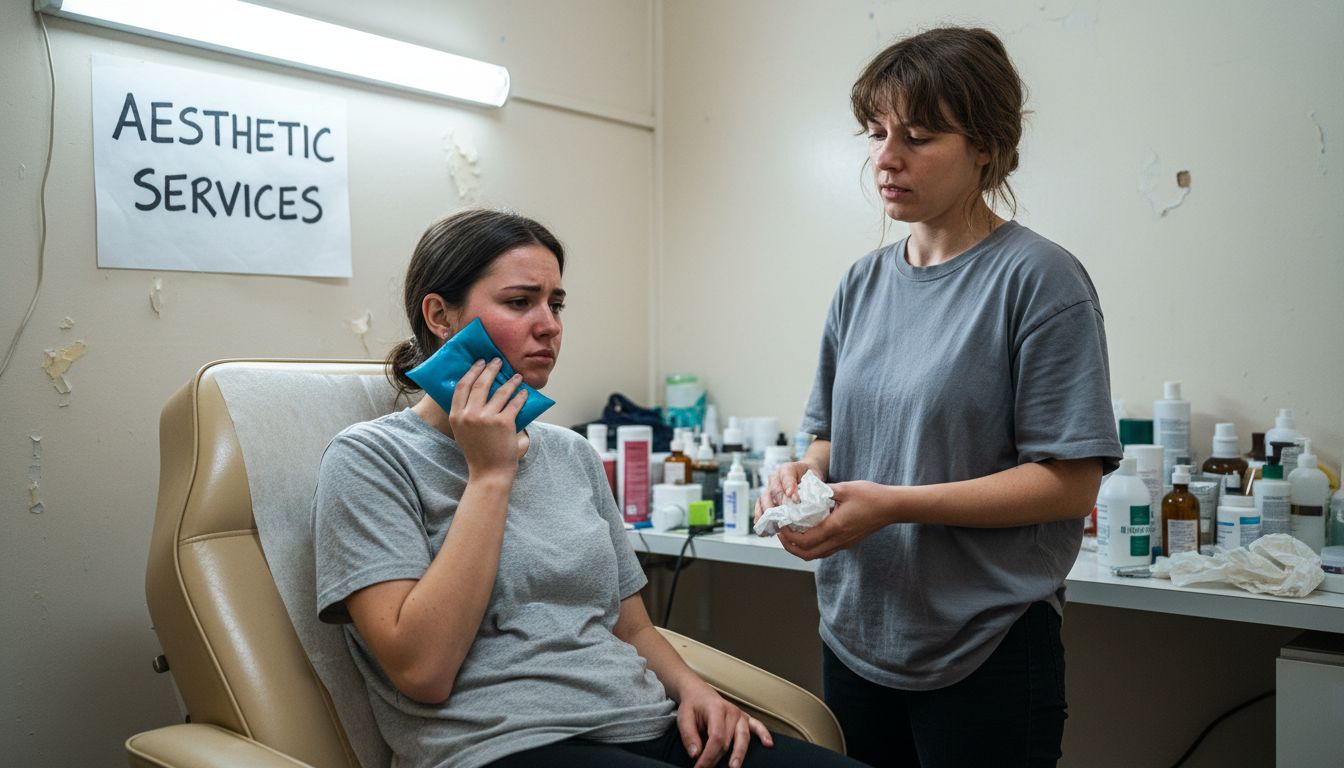
The current regulatory landscape allows significant room for practitioners with minimal qualifications to perform intricate aesthetic procedures. This regulatory gap means patients might undergo treatments without understanding the underlying medical complexities, potentially experiencing irreversible consequences. Unqualified providers frequently lack comprehensive insurance, medical emergency preparedness, and the nuanced understanding of human physiology necessary for safe aesthetic interventions.
Pro tip: Always request comprehensive documentation of a practitioner’s medical qualifications, professional registration, and insurance before considering any aesthetic procedure.
Safety standards and CQC accreditation
The Care Quality Commission represents the pinnacle of healthcare safety regulation in England, providing critical oversight for medical and aesthetic services. CQC accreditation offers patients a robust framework of protection, ensuring facilities meet stringent standards of hygiene, professional competence, and emergency preparedness.
Under the evolving regulatory landscape, the Health and Care Act 2022 introduces comprehensive licensing mechanisms that will significantly enhance patient protections. Aesthetic clinics will now be required to demonstrate adherence to nationally consistent safety protocols, including detailed criteria covering practitioner qualifications, infection prevention controls, and facility safety standards. This legislative approach aims to eliminate potentially unsafe practices and create a more transparent environment for aesthetic treatments.
Key safety considerations include comprehensive staff training, maintained medical records, robust infection control processes, and clear emergency response protocols. Clinics must demonstrate not just technical proficiency but a holistic approach to patient care that prioritises individual safety and wellbeing. The implementation of these standards means patients can expect a level of professional scrutiny comparable to traditional medical settings, reducing risks associated with aesthetic interventions.
Here is a summary of crucial safety and compliance elements for reputable aesthetic clinics:
| Safety Element | Why It Matters | Expected Standard |
|---|---|---|
| CQC Accreditation | Ensures hygiene & safety | Adheres to national protocols |
| Medical Records | Tracks patient treatments | Maintained securely |
| Staff Training | Minimises procedure risks | Regular professional updates |
| Infection Control | Prevents contamination | Strict compliance enforced |
Pro tip: Always verify a clinic’s current CQC registration status and ask to review their most recent inspection report before undergoing any aesthetic procedure.
Comparing medical and non-medical alternatives
The fundamental distinction between medical and non-medical aesthetic providers lies in their depth of professional training and clinical expertise. Medical professionals performing aesthetic procedures possess extensive qualifications in human anatomy, physiological systems, and pathological processes, enabling them to deliver treatments with a nuanced understanding of individual patient needs and potential complications.
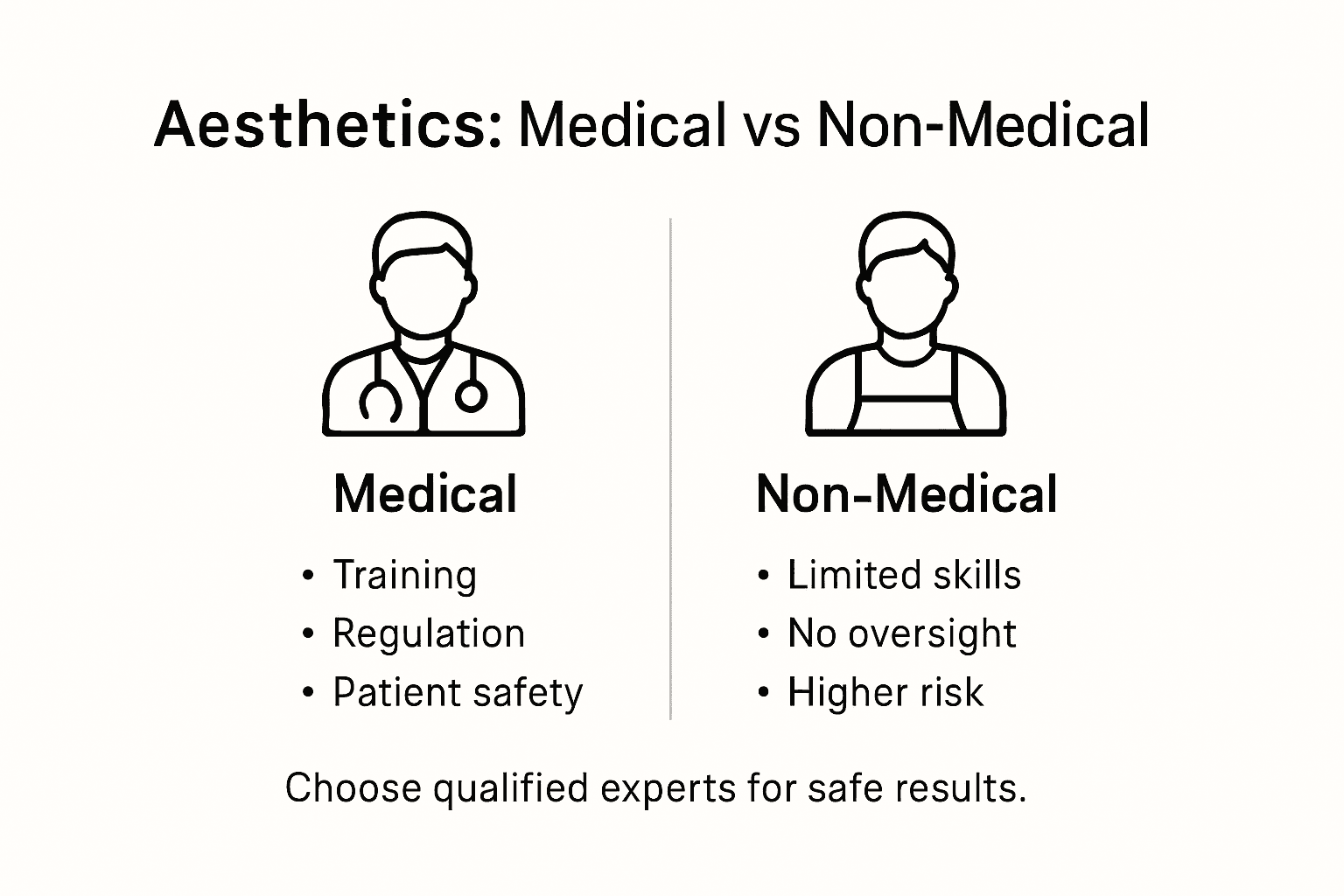
Non-medical alternatives typically lack the comprehensive medical background required to manage complex aesthetic interventions safely. NHS guidelines emphasise the critical importance of selecting medically qualified practitioners who are regulated, professionally insured, and trained to manage potential medical emergencies. Medical practitioners can legally prescribe and supervise prescription-only medicines, tailor treatments to individual health profiles, and provide evidence-based protocols that significantly reduce treatment risks.
The key differentiators between medical and non-medical providers extend beyond technical skills to comprehensive patient care. Medical professionals understand the intricate interactions between aesthetic treatments and underlying health conditions, can anticipate potential complications, and have the clinical training to respond immediately to adverse reactions. Their holistic approach considers not just the aesthetic outcome, but the overall physiological impact of any intervention, ensuring patient safety remains the paramount consideration.
To better understand the differences in practitioner expertise and patient safety, consider the following comparison table:
| Aspect | Medical Professionals | Non-Medical Providers |
|---|---|---|
| Training | Extensive anatomical education | Minimal or informal training |
| Prescription Authority | Can prescribe and administer | Cannot prescribe medicines |
| Complication Management | Immediate medical response | Limited ability to handle emergencies |
| Insurance Requirements | Comprehensive professional cover | Often lacks adequate protection |
Pro tip: Request a detailed consultation with a medically qualified practitioner to understand the full medical implications of any aesthetic procedure before making a decision.
Choose Medical Expertise for Your Aesthetic Journey
The article highlights the critical importance of selecting medically qualified practitioners to ensure your safety and achieve truly personalised results. Many face the challenge of distinguishing between medically trained professionals and non-medical providers who lack essential expertise and robust safety protocols. At The Aesthetics Room, we understand these concerns and prioritise delivering treatments performed by registered medical experts who adhere strictly to safety standards including CQC accreditation.
Explore our range of Advanced Injectables and Dermal Fillers crafted to enhance your natural beauty while safeguarding your health. Each procedure is tailored to your unique needs using medical-grade products and a holistic approach informed by clinical knowledge.
Don’t compromise on safety or expertise when it comes to your appearance. Visit The Aesthetics Room today to book your personalised consultation and experience premium medical aesthetic care in London’s most prestigious locations. Your journey to confident, safe and effective aesthetic transformation starts now.
Frequently Asked Questions
What is the importance of having a qualified medical professional for aesthetic procedures?
Qualified medical professionals have extensive training in human anatomy and physiology, allowing them to perform aesthetic treatments safely and effectively. They can also handle complications and provide medically sound advice tailored to individual health needs.
How do medical practitioners differ from non-medical providers in aesthetic treatments?
Medical practitioners are trained to manage complex aesthetic procedures and understand medical contraindications. They can prescribe necessary medications and have the skills to respond to emergencies, while non-medical providers often lack this comprehensive training.
What legal requirements must medical practitioners meet to provide aesthetic treatments?
Medical practitioners must be registered with professional bodies, such as the General Medical Council, and must comply with regulations that require specific qualifications for performing certain cosmetic procedures, ensuring a higher standard of patient care and safety.
What are the potential risks of choosing non-medical aesthetic providers?
Non-medical providers may lack the medical training necessary to safely perform aesthetic procedures, leading to risks such as nerve damage, infections, and complications that require medical intervention. This can result in serious, sometimes irreversible, consequences for patients.