
Over fifteen thousand British adults seek anti-ageing treatments every month, yet myths around these procedures persist. With rising interest in maintaining a youthful appearance, understanding what truly works and what is mere hype has become essential. This guide cuts through the noise and examines the real science behind anti-ageing options, separates fact from fiction, and helps you spot common misconceptions before choosing the best strategy for your skin.
Table of Contents
- Defining Anti-Ageing Treatments And Common Myths
- Popular Anti-Ageing Procedures Available Today
- How Anti-Ageing Treatments Work Scientifically
- Safety Regulations And Standards In UK Clinics
- Assessing Risks, Benefits And Realistic Outcomes
Key Takeaways
| Point | Details |
|---|---|
| Evidence-Based Approaches | Anti-ageing treatments should be based on scientific evidence and professional medical guidance. |
| Holistic Strategies | A combination of aesthetic treatments and healthy lifestyle practices leads to more sustainable results. |
| Understanding Treatments | Patients should have realistic expectations and understand the potential risks and benefits of procedures. |
| Regulatory Compliance | Verifying a clinic’s safety standards and practitioner credentials is essential for patient safety. |
Defining Anti-Ageing Treatments and Common Myths
Anti-ageing treatments represent sophisticated medical interventions designed to slow, prevent, or reverse the natural physiological processes of human ageing. These comprehensive approaches encompass medical procedures, skincare technologies, lifestyle modifications, and advanced aesthetic interventions aimed at maintaining youthful cellular function and external appearance. Modern aesthetic medicine recognises that ageing is a complex biological phenomenon involving multiple interconnected systems, rather than a simplistic linear decline.
Contrary to popular misconceptions, anti-ageing treatments are not about achieving unrealistic eternal youth, but about supporting healthy cellular regeneration and managing age-related changes proactively. Researchers at UCL highlight that many popular anti-ageing strategies are based on preliminary animal research, which may not directly translate to human physiological responses. This underscores the critical importance of evidence-based approaches and professional medical guidance when considering aesthetic interventions.
Some persistent myths surrounding anti-ageing treatments require careful deconstruction. Common misconceptions include believing that invasive procedures are the only effective solution, or that expensive treatments guarantee superior results. Medical research suggests that non-invasive methods like lifestyle modifications, proper nutrition, and targeted skincare can significantly contribute to delaying ageing processes. These approaches focus on reducing inflammation, supporting cellular health, and maintaining optimal metabolic function, which are far more sustainable than quick-fix interventions.
Pro Tip for Ageing Gracefully: Develop a holistic approach that combines professional aesthetic treatments with consistent lifestyle practices, including balanced nutrition, regular exercise, stress management, and personalised skincare routines tailored to your specific physiological needs and genetic predispositions.
Popular Anti-Ageing Procedures Available Today
Modern aesthetic medicine offers a sophisticated range of non-surgical anti-ageing treatments designed to address multiple signs of ageing with minimal intervention and maximal results. These advanced procedures target specific skin concerns, providing tailored solutions that can restore youthful appearance, improve skin texture, and enhance overall skin health without extensive downtime or invasive surgical techniques.
Cutting-edge non-surgical treatments like Botox, dermal fillers, and skin rejuvenation procedures have revolutionised aesthetic medicine. Key procedures include:
- Botox Injections: Reduce dynamic wrinkles by temporarily relaxing facial muscles
- Dermal Fillers: Restore lost volume and smooth fine lines
- Ultherapy: Utilise ultrasound technology for deep skin tightening
- Chemical Peels: Improve skin texture and reduce pigmentation
- Microneedling: Stimulate natural collagen production
Advanced non-surgical treatments are particularly effective in addressing age-related changes with high patient satisfaction, offering customisable solutions that can be tailored to individual skin concerns and aesthetic goals. These procedures provide nuanced interventions that go beyond traditional anti-ageing approaches, focusing on natural-looking rejuvenation rather than dramatic transformations.
The table below compares key non-surgical anti-ageing procedures and their main benefits:
| Procedure | Primary Benefit | Typical Duration | Suitability |
|---|---|---|---|
| Botox Injections | Softens dynamic facial wrinkles | 3-6 months | Most adults, fine lines |
| Dermal Fillers | Restores facial volume | 6-18 months | Volume loss, deeper wrinkles |
| Ultherapy | Deep skin tightening | 12-18 months | Mild-to-moderate skin laxity |
| Chemical Peels | Improves tone and texture | 3-6 months | Pigmentation, rough texture |
| Microneedling | Promotes collagen production | 4-8 months | Scarring, enlarged pores |
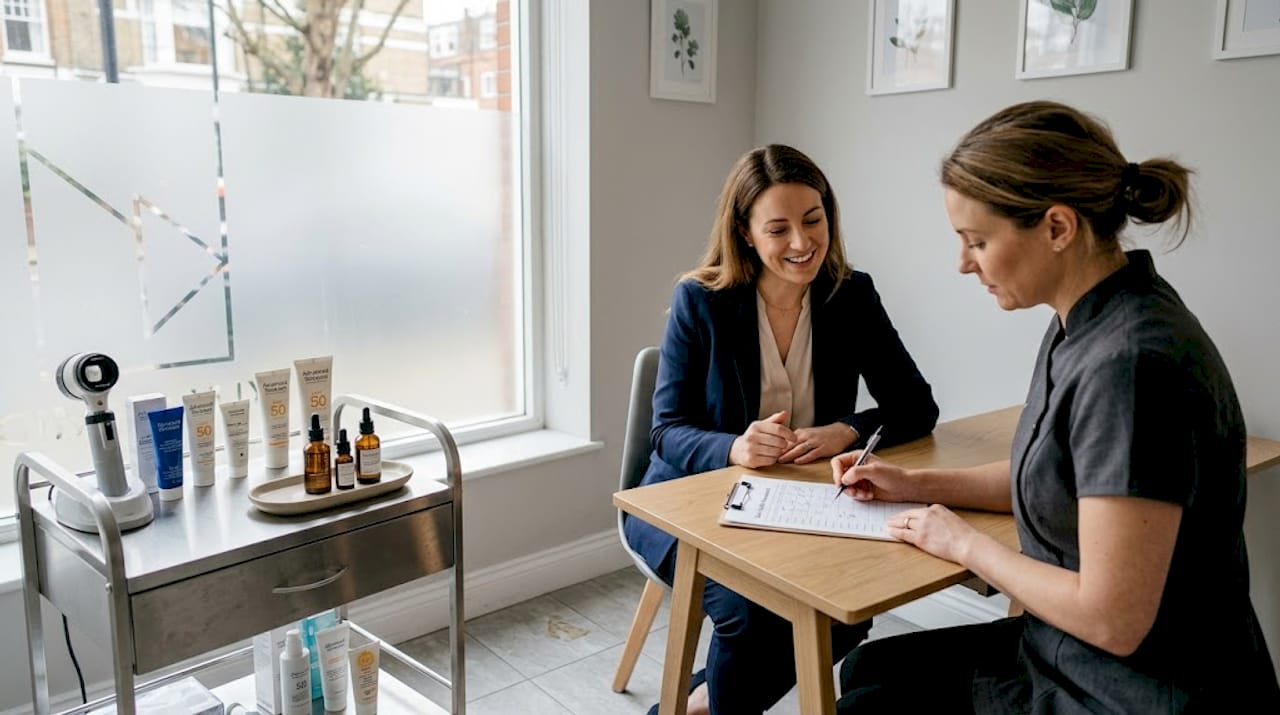
Pro Tip for Aesthetic Enhancement: Always consult with a qualified aesthetic practitioner who can conduct a comprehensive skin assessment and recommend personalised treatments that align with your unique physiological characteristics and aesthetic objectives.
How Anti-Ageing Treatments Work Scientifically
Anti-ageing treatments operate at the intricate intersection of cellular biology, molecular science, and advanced medical technologies. These sophisticated interventions target the fundamental mechanisms of physiological ageing, addressing the complex biological processes that contribute to cellular deterioration and functional decline. By understanding and strategically intervening in these microscopic interactions, aesthetic medicine can effectively slow, mitigate, or partially reverse age-related changes.
The ‘Misrepair Accumulation Theory’ provides crucial insights into the scientific foundation of ageing, explaining how progressive cellular damage leads to tissue dysfunction. This theory suggests that ageing is fundamentally a process of cumulative structural impairments, where the body’s natural repair mechanisms become less efficient over time. Anti-ageing treatments work by:
- Reducing oxidative stress
- Supporting cellular repair mechanisms
- Stimulating collagen and elastin production
- Enhancing mitochondrial function
- Promoting optimal cellular communication
Cybernetic principles of ageing reveal that rejuvenation can be achieved by enhancing the body’s adaptive repair processes, demonstrating that targeted interventions can effectively stimulate the body’s intrinsic regenerative capabilities. These scientific approaches move beyond superficial treatments, focusing on fundamental biological mechanisms that govern cellular health and resilience.
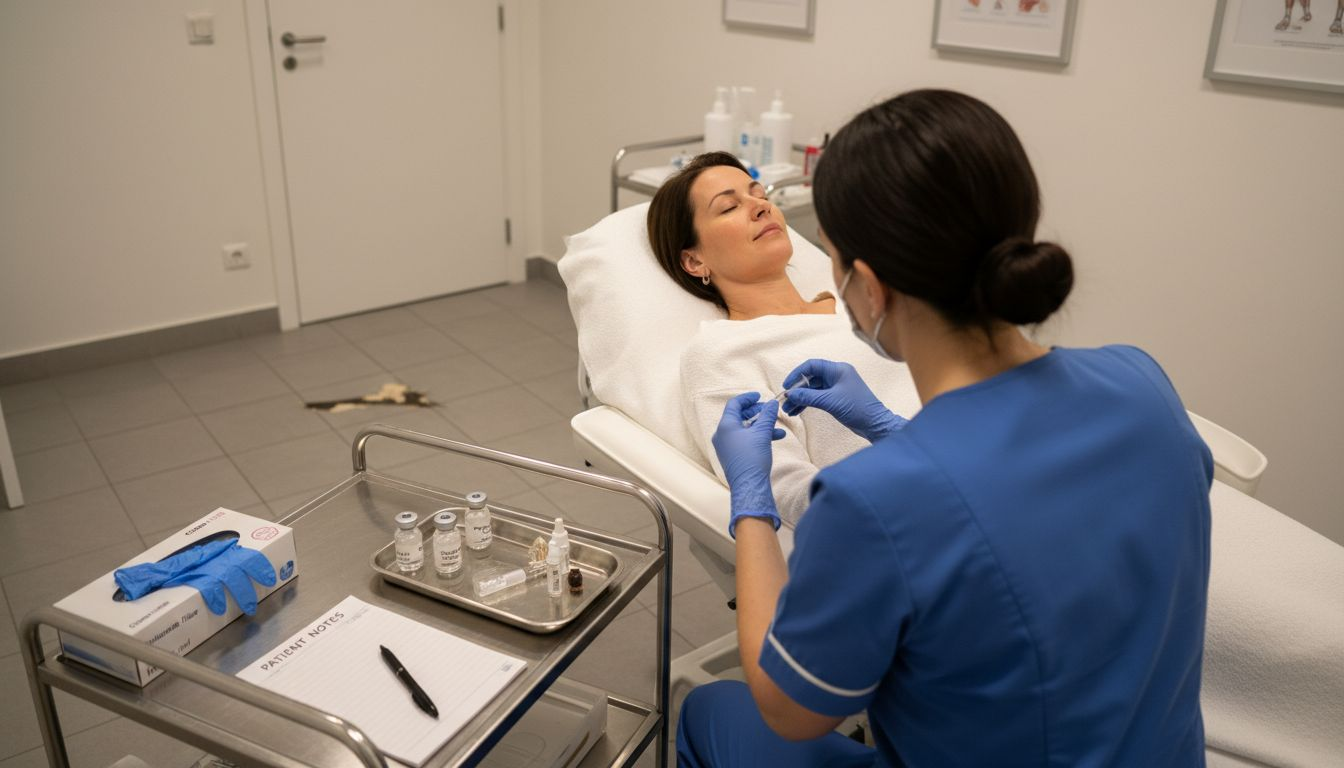
Pro Tip for Cellular Rejuvenation: Combine professional aesthetic treatments with lifestyle strategies that support cellular repair, including balanced nutrition, regular exercise, stress management, and targeted supplementation to create a comprehensive approach to maintaining youthful cellular function.
Safety Regulations and Standards in UK Clinics
The aesthetic medicine landscape in the United Kingdom is governed by stringent regulatory frameworks designed to protect patient safety, ensure professional standards, and maintain the highest quality of medical aesthetic treatments. These comprehensive regulations create a robust system of accountability and excellence that distinguishes British aesthetic practices from less regulated international markets.
The Care Quality Commission (CQC) serves as the primary independent regulatory body ensuring comprehensive safety standards across aesthetic clinics, conducting rigorous inspections and providing official ratings that evaluate clinical practices, patient care, and treatment protocols. Their assessments cover multiple critical dimensions:
- Practitioner qualifications and training
- Clinical hygiene and safety procedures
- Patient consent and consultation processes
- Treatment equipment and facility standards
- Continuous professional development requirements
The Joint Council for Cosmetic Practitioners (JCCP) complements these efforts by maintaining a professional register and establishing clear ethical guidelines for aesthetic practitioners, ensuring that only qualified professionals can offer advanced aesthetic treatments. This multi-layered regulatory approach guarantees that patients receive treatments from highly trained, professionally accredited specialists who adhere to strict medical and ethical standards.
Pro Tip for Patient Safety: Always verify a clinic’s CQC registration and practitioner credentials before undergoing any aesthetic treatment, and do not hesitate to request documentation or professional certifications to confirm the practitioner’s qualifications and experience.
Assessing Risks, Benefits and Realistic Outcomes
Navigating the landscape of anti-ageing treatments requires a sophisticated understanding of potential risks, anticipated benefits, and the complex interplay between individual physiological characteristics and aesthetic interventions. Patients must approach these treatments with a nuanced perspective that balances aesthetic aspirations with medical realism, recognising that each intervention carries unique considerations and potential outcomes.
The National Health Service provides comprehensive guidance on evaluating cosmetic procedures, emphasising the critical importance of informed decision-making. Key factors to consider include:
- Individual skin type and genetic predispositions
- Current health status and medical history
- Age-related biological variations
- Specific treatment goals and expectations
- Potential short and long-term physiological responses
Realistic outcomes stem from understanding that anti-ageing treatments are not magical solutions but strategic interventions designed to support natural cellular health and aesthetic refinement. Each procedure offers incremental improvements rather than complete transformation, with effectiveness varying significantly based on individual biological factors. Potential risks such as temporary inflammation, allergic reactions, or uneven results must be carefully weighed against the potential aesthetic and psychological benefits of these sophisticated medical interventions.
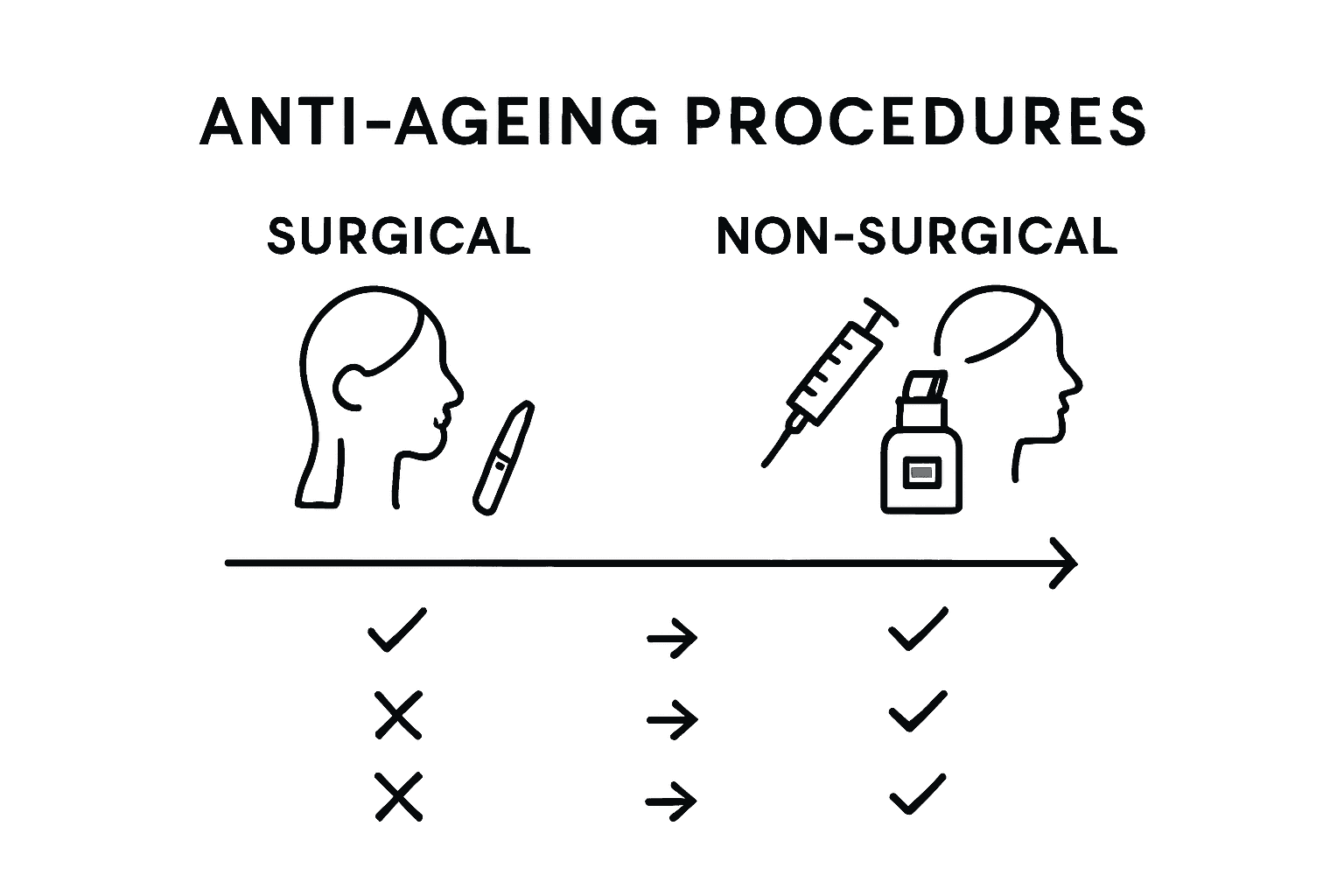
To make informed choices, consider the following factors influencing anti-ageing treatment outcomes:
| Factor | Influence on Outcomes | Why It Matters |
|---|---|---|
| Skin Type | Affects healing and treatment match | Determines risk of side effects |
| Practitioner Expertise | Impacts safety and results | Ensures proper technique |
| Individual Health | Alters recovery and efficacy | Underlying conditions matter |
| Lifestyle Habits | Influences longevity of results | Diet and exercise play a role |
| Treatment Goals | Guides method selection | Aligns with real expectations |
Pro Tip for Informed Decision-Making: Schedule comprehensive consultations with qualified practitioners who can provide personalised assessments, detailed risk analyses, and transparent discussions about potential outcomes tailored specifically to your unique physiological profile and aesthetic objectives.
Discover the Power of Tailored Anti-Ageing Solutions in London
As the article highlights, understanding the science behind ageing and debunking common myths are crucial steps towards achieving realistic and lasting results. If you are seeking to enhance your natural beauty with safe, professional, and personalised care, it is essential to choose treatments that support cellular health and suit your unique skin profile. Whether you struggle with fine lines, volume loss, or skin texture concerns, combining expert knowledge with proven procedures makes all the difference.
Experience advanced, non-invasive options like Botox and dermal fillers through our specialised Anti Wrinkle – The Aesthetics Room and Advanced Injectables – The Aesthetics Room offerings. These treatments deliver natural-looking rejuvenation customised to your individual goals while prioritising safety and comfort in our London clinics.
Ready to take control of your ageing journey with trusted professionals? Visit The Aesthetics Room to explore a full range of Skin Treatments – The Aesthetics Room designed to revitalise and refresh your appearance. Book a consultation today and step confidently towards a healthier, more youthful you.
Frequently Asked Questions
What are the main types of anti-ageing treatments available?
The main types of anti-ageing treatments include Botox injections, dermal fillers, Ultherapy, chemical peels, and microneedling. Each of these treatments targets specific concerns like wrinkles, volume loss, skin texture, and collagen production.
How do anti-ageing treatments work scientifically?
Anti-ageing treatments work by targeting cellular mechanisms associated with ageing, such as oxidative stress and collagen loss. They help by promoting cellular repair, stimulating collagen production, and enhancing overall skin health.
Are non-surgical anti-ageing treatments as effective as surgical options?
Yes, non-surgical anti-ageing treatments can be highly effective in addressing signs of ageing with minimal downtime. Many patients report high satisfaction levels with treatments like Botox and dermal fillers, which can yield natural-looking results.
What should I consider before undergoing anti-ageing treatments?
Before undergoing anti-ageing treatments, consider your skin type, individual health status, treatment goals, and the expertise of the practitioner. It’s crucial to have a comprehensive consultation to discuss potential risks and realistic outcomes.
Recommended
- Why do you need to wear SPF in winter? – The Aesthetics Room
- Specialised Skin Treatments for Various Demographics – The Aesthetics Room
- ARE RETINOIDS RIGHT FOR YOUR SKIN? – The Aesthetics Room
- 8 Common Skincare Myths Put Right By An Expert – The Aesthetics Room
- Senior Independence with Private Rides in L.A.