
Launching a premium medical aesthetics clinic in London means delving into a world where safety meets luxury and client expectations are shaped by both market demand and evolving regulations. The UK government is developing comprehensive licensing protocols for non-surgical cosmetic procedures, making regulatory compliance a central concern for new clinics. This guide helps you understand the critical steps from market analysis to risk management, positioning your venture to deliver uncompromising service and patient care in London’s competitive arena.
Table of Contents
- Step 1: Assess Market Demand And Regulatory Requirements
- Step 2: Secure Accredited Premises And Licencing
- Step 3: Recruit Qualified Practitioners And Staff
- Step 4: Develop Bespoke Treatment Offerings And Care Protocols
- Step 5: Implement Quality Assurance And Patient Safety Measures
- Step 6: Launch Your Clinic And Monitor Performance
Quick Summary
| Key Point | Explanation |
|---|---|
| 1. Assess Market Demand | Research local demographics to identify client segments interested in aesthetic treatments, focusing on professionals aged 25-45. |
| 2. Comply with Regulatory Standards | Ensure compliance with the Care Quality Commission and local licensing rules to establish a legally accredited clinic. |
| 3. Recruit Qualified Professionals | Hire registered medical practitioners and trained aestheticians to ensure quality care and compliance with industry standards. |
| 4. Develop Personalised Treatment Plans | Create bespoke treatment offerings that cater to individual client needs for a competitive advantage in the market. |
| 5. Establish Quality Assurance Systems | Implement safety protocols and a Quality and Safety Management System to enhance patient protection and trust. |
Step 1: Assess Market Demand and Regulatory Requirements
Launching a medical aesthetics clinic in London demands strategic research into market dynamics and legal frameworks. Your initial focus will involve understanding both consumer interest and the complex regulatory landscape that governs non-surgical cosmetic procedures.
The UK government is actively developing comprehensive licensing protocols to protect patient safety and maintain high professional standards. This means you’ll need to navigate several critical assessment areas. First, analyse local demographic trends in London and identify potential client segments interested in aesthetic treatments. Research suggests rising demand among professionals aged 25-45 seeking minimally invasive procedures.
Your regulatory compliance journey starts with registering with the Care Quality Commission (CQC), which requires meeting specific standards related to patient care, safety protocols, premises quality, and practitioner qualifications. Conduct thorough market research by examining competitor offerings, treatment pricing, and emerging aesthetic technology trends. This will help you develop a unique positioning strategy that differentiates your clinic in a competitive London market.
Expert Tip: Create a comprehensive market research dossier documenting local aesthetic treatment trends, pricing structures, and potential client demographics to guide your business strategy and regulatory compliance approach.
Here’s a summary of key regulatory bodies and their impact on clinic operations:
| Regulatory Body | Area of Oversight | Business Impact |
|---|---|---|
| Care Quality Commission (CQC) | Clinic registration and inspection | Determines legal eligibility to operate |
| UK Government Health Department | Licensing protocols | Sets standards for practitioner compliance |
| Local Council | Premises approval | Influences location and aesthetic setup |
Step 2: Secure Accredited Premises and Licencing
Transforming your medical aesthetics vision into reality requires navigating the complex world of premises accreditation and regulatory compliance. Your primary objective in this stage is establishing a legally recognised and professionally equipped clinic that meets stringent healthcare standards.

The UK healthcare system mandates comprehensive licensing protocols for medical aesthetic facilities. This means meticulously preparing your premises to align with the Health and Care Act 2022 requirements. You’ll need to demonstrate that your clinic environment meets exact specifications for treatment areas, equipment standards, hygiene protocols, and practitioner qualifications. Consider factors like treatment room layout, sterilisation capabilities, patient privacy provisions, and accessibility features.
Your next critical step involves obtaining formal CQC registration, which requires submitting a detailed application documenting your clinic’s operational framework. This process involves comprehensive documentation of staff credentials, treatment protocols, safety measures, and facility specifications. Inspectors will assess everything from your clinical waste management to staff training records, so preparation is key to successfully navigating this rigorous evaluation.
Expert Tip: Develop a comprehensive compliance portfolio in advance, including detailed facility blueprints, staff qualification records, and robust safety protocols to streamline your CQC registration process and demonstrate professional preparedness.
Step 3: Recruit Qualified Practitioners and Staff
Building a world-class medical aesthetics clinic hinges on assembling a team of highly skilled and professionally accredited practitioners. Your recruitment strategy will be the foundational pillar determining your clinic’s reputation, patient safety, and long-term success in London’s competitive aesthetic market.
Navigating the recruitment landscape requires understanding the nuanced requirements of aesthetic professional qualifications. While UK legislation permits some non-medical professionals to perform certain treatments, best practice demands employing registered nurses, doctors, and specialists with certified aesthetic training. This means meticulously screening candidates’ credentials, verifying their professional registrations, and ensuring they possess both technical expertise and patient care skills.
Partnering with specialised recruitment agencies can streamline your hiring process, connecting you with vetted professionals who understand the intricate demands of medical aesthetic practice. These agencies can help you source not just clinicians, but also administrative staff who comprehend the regulatory complexities of running a premium aesthetic clinic. Look for practitioners with a combination of medical qualifications, aesthetic specific training, and demonstrable experience in patient communication and treatment delivery.
Expert Tip: Develop a comprehensive recruitment matrix that evaluates candidates across clinical competence, regulatory compliance, communication skills, and cultural alignment with your clinic’s professional standards.
Step 4: Develop Bespoke Treatment Offerings and Care Protocols
Crafting a distinctive medical aesthetics clinic requires designing treatment offerings that go beyond standard procedures and create genuinely personalised patient experiences. Your goal is to develop a comprehensive approach that addresses individual client needs while establishing your clinic as a leader in bespoke aesthetic care.
Successful clinics recognise that personalised treatment plans form the cornerstone of exceptional patient outcomes. This means moving beyond generic treatment protocols and creating nuanced, multi-modal approaches that combine skincare, injectables, advanced devices, and targeted interventions. Your consultation process should meticulously assess each patient’s unique skin characteristics, lifestyle factors, aesthetic goals, and underlying health considerations.
The UK medical aesthetics market demands transparent, holistic treatment strategies that empower patients through comprehensive understanding. Developing care protocols involves creating structured pathways that not only address immediate aesthetic concerns but also provide long-term skin health management. This requires developing detailed treatment sequencing, clear communication about potential outcomes, realistic expectation setting, and a collaborative approach that positions your clinic as a trusted partner in the patient’s aesthetic journey.
Below is a comparison of popular medical aesthetics treatments and their target benefits:
| Treatment Type | Common Procedures | Primary Client Benefits |
|---|---|---|
| Injectable treatments | Botox, dermal fillers | Reduced lines, enhanced facial volume |
| Device-based therapies | Laser resurfacing, microneedling | Improved skin texture, reduced scarring |
| Skincare interventions | Chemical peels, facials | Revitalised complexion, healthier skin |
Expert Tip: Create a standardised yet flexible consultation framework that allows practitioners to capture comprehensive patient data while maintaining the personalisation that distinguishes premium aesthetic services.
Step 5: Implement Quality Assurance and Patient Safety Measures
Establishing a premium medical aesthetics clinic demands unwavering commitment to patient safety and operational excellence. Your primary objective is creating a robust framework that protects patient wellbeing while maintaining the highest professional standards across every aspect of your clinic’s operations.
Implementing a comprehensive Quality and Safety Management System represents the cornerstone of professional medical aesthetic practice. This systematic approach involves developing structured clinical protocols that address every stage of patient interaction, from initial consultation through treatment and follow up. Your safety measures must encompass detailed staff training programmes, rigorous equipment maintenance procedures, precise documentation practices, and comprehensive incident reporting mechanisms.
Your quality assurance strategy should integrate multiple layers of protection, including regular staff skills assessments, ongoing professional development requirements, stringent product and equipment verification processes, and transparent communication protocols. By establishing clear guidelines for patient screening, treatment selection, informed consent, and post procedure care, you create a comprehensive safety net that builds patient trust and demonstrates your clinic’s professional commitment to excellence.
Expert Tip: Develop a dynamic risk management framework that allows continuous evaluation and improvement of safety protocols, ensuring your clinic remains adaptable to emerging best practices and regulatory requirements.
Step 6: Launch Your Clinic and Monitor Performance
Transitioning from careful planning to actual clinic operations marks a critical milestone in your medical aesthetics entrepreneurial journey. Your focus now shifts from preparation to executing a strategic launch that establishes your clinic’s professional reputation and sets the foundation for sustainable growth.
Navigating the launch requires comprehensive operational and business planning that encompasses multiple strategic dimensions. This means developing a robust marketing approach, establishing clear patient communication channels, implementing sophisticated performance tracking mechanisms, and creating systems for continuous improvement. Your initial months will demand meticulous attention to financial tracking, patient feedback collection, regulatory compliance monitoring, and adaptive strategy refinement.
Successful clinic performance relies on tracking key performance indicators that provide actionable insights into your business trajectory. This involves systematically analysing patient satisfaction metrics, treatment outcome rates, financial performance indicators, and staff productivity measures. Developing a dynamic monitoring framework allows you to quickly identify potential improvements, address emerging challenges, and maintain the highest standards of professional service delivery. Regular review of your operational processes, combined with a commitment to ongoing staff training and market research, will position your clinic for long term success in the competitive London aesthetic medicine landscape.
Expert Tip: Create a comprehensive dashboard that integrates financial, clinical, and patient experience metrics, enabling you to make data driven decisions and continuously elevate your clinic’s performance and patient care standards.
Elevate Your Medical Aesthetics Journey with Expert Care and Personalised Treatments
Starting a medical aesthetics clinic in London involves navigating complex regulatory requirements and building bespoke treatment plans that truly meet client needs. Many prospective clinic owners face challenges such as ensuring CQC registration, developing personalised care protocols, and recruiting qualified practitioners. At The Aesthetics Room, we understand these goals and the importance of safety, professional standards, and tailored patient experiences.
Benefit from our comprehensive approach by exploring The Consultation – The Aesthetics Room to understand how expert assessments lead to bespoke treatment pathways. Discover our range of expertly delivered procedures in Advanced Injectables – The Aesthetics Room, where precision and patient wellbeing are paramount. When you choose The Aesthetics Room, based in prestigious Harley Street and Mayfair, you gain access to CQC-accredited care designed to build lasting confidence.
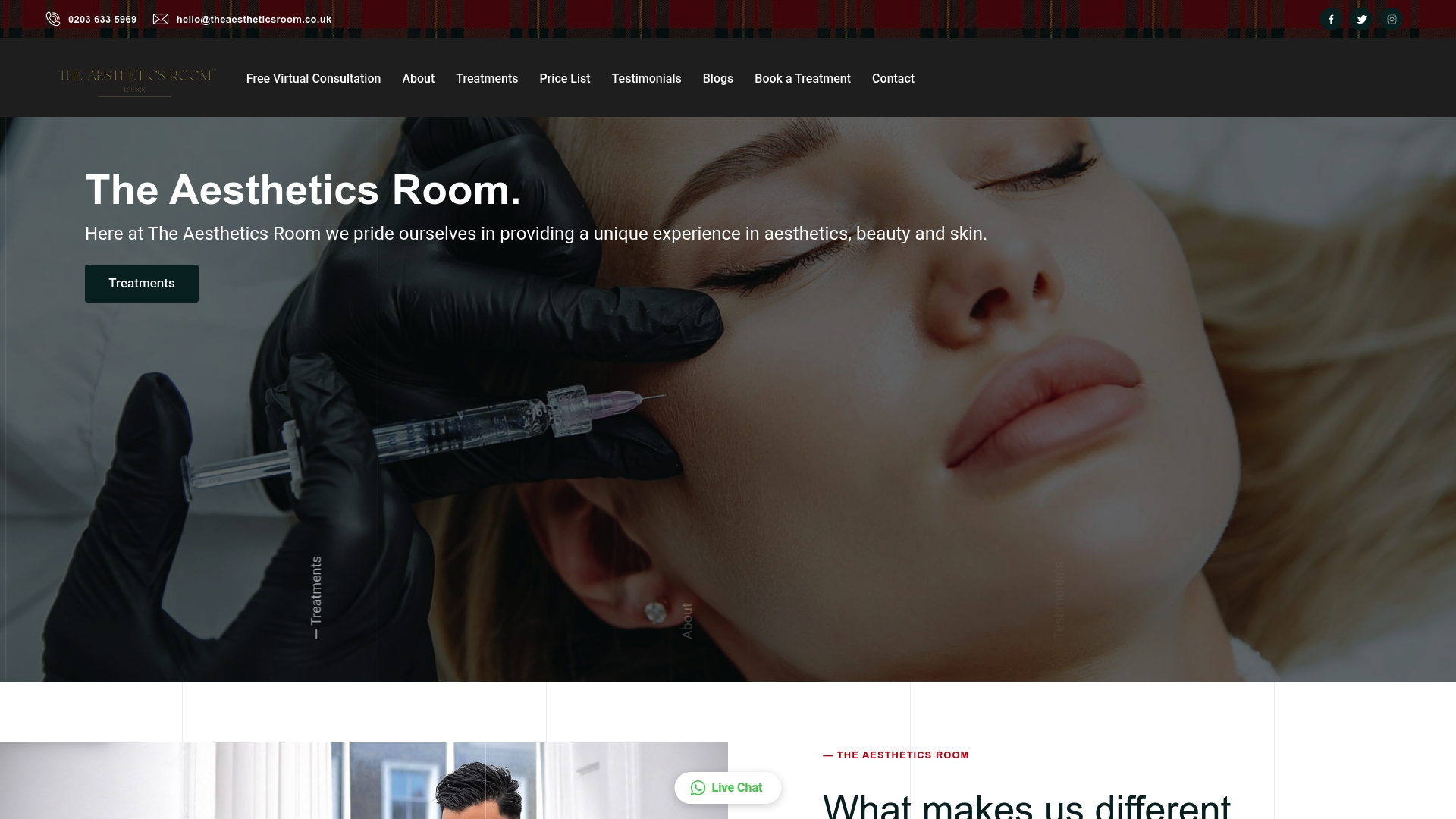
Secure your place among London’s premier aesthetic clinics. Visit https://theaestheticsroom.co.uk today to book your consultation and take the next step towards delivering exceptional, safe, and personalised medical aesthetics treatments. Act now to align your clinic with the highest standards in the industry.
Frequently Asked Questions
What market research should I conduct before starting a medical aesthetics clinic in London?
To start a medical aesthetics clinic in London, you should analyse local demographic trends, identify potential client segments, and research competitor offerings. Begin by gathering data on consumer interest in aesthetic treatments, particularly among professionals aged 25-45, within 30 days.
How do I comply with local regulations when opening a medical aesthetics clinic?
Compliance with local regulations involves registering with the Care Quality Commission (CQC) and adhering to specific healthcare standards. Start by preparing a comprehensive application and documentation within the first two months after deciding to launch.
What types of practitioners should I recruit for my medical aesthetics clinic?
You should recruit qualified practitioners, such as registered nurses and doctors with certified aesthetic training, to ensure patient safety and professionalism. Evaluate candidates across clinical competence and patient care skills during your hiring process to build a well-rounded team.
How can I develop personalised treatment offerings for my clinic?
Developing personalised treatment offerings requires creating customised treatment plans based on individual patient assessments. Start by structuring your consultation process to capture detailed patient information and preferences right from the first appointment.
What measures should I implement for patient safety in my clinic?
Establish a robust framework for patient safety by creating detailed clinical protocols and ongoing staff training programmes. Start with a comprehensive Quality and Safety Management System to ensure that standards are upheld from the initial consultation through to post-treatment care.
How do I monitor the performance of my medical aesthetics clinic?
To monitor performance, track key performance indicators such as patient satisfaction, financial metrics, and treatment outcome rates. Implement a dynamic monitoring framework within the first three months after launch to identify areas for improvement and ensure the clinic’s long-term success.
Recommended
- Why Medical Practitioners for Aesthetics Matter – The Aesthetics Room
- What Is Medical Aesthetics? Enhancing Confidence Safely – The Aesthetics Room
- What Is a Skin Clinic and Who Benefits Most? – The Aesthetics Room
- Ethics in Medical Aesthetics – Why Safety Matters – The Aesthetics Room
- Glow-Enhancing Habits Tutorial for Radiant, Ageless Beauty – EMILY SANDERS LIFESTYLE
- Evening Skincare Checklist for Radiant, Healthy Skin
- Why Beauty Inside Out: Complete Guide to Holistic Glow – Pure Light Botanical Beauty