
Most advice about british medical aesthetics paints a picture of complexity and exclusivity, yet over 40 percent of patients seeking these treatments do so for reasons extending beyond simple vanity. Shifting beauty ideals and a growing preference for natural-looking results are transforming how people across the United Kingdom approach personal enhancement. This article explores the real science behind medical aesthetics, uncovers common misconceptions, and highlights how british clinics are setting new standards for safety and patient care.
Table of Contents
- Defining Medical Aesthetics And Common Myths
- Popular Cosmetic Treatments And Innovations
- How Non-Surgical Procedures Work
- Safety Standards And Legal Requirements In The Uk
- Risks, Expected Results, And Choosing A Clinic
Key Takeaways
| Point | Details |
|---|---|
| Medical Aesthetics Are Accessible | Contrary to common belief, aesthetic treatments cater to a variety of budgets and are not solely for the affluent. |
| Safety Is Paramount | Medical aesthetic procedures prioritise patient safety through regulated practices and qualified professionals. |
| Natural Results Are the Goal | Treatments focus on subtle enhancements, offering patients a chance to achieve confidence and wellbeing without drastic changes. |
| Informed Decision-Making Is Essential | Patients should thoroughly research practitioners and understand potential risks and outcomes before undergoing treatments. |
Defining Medical Aesthetics and Common Myths
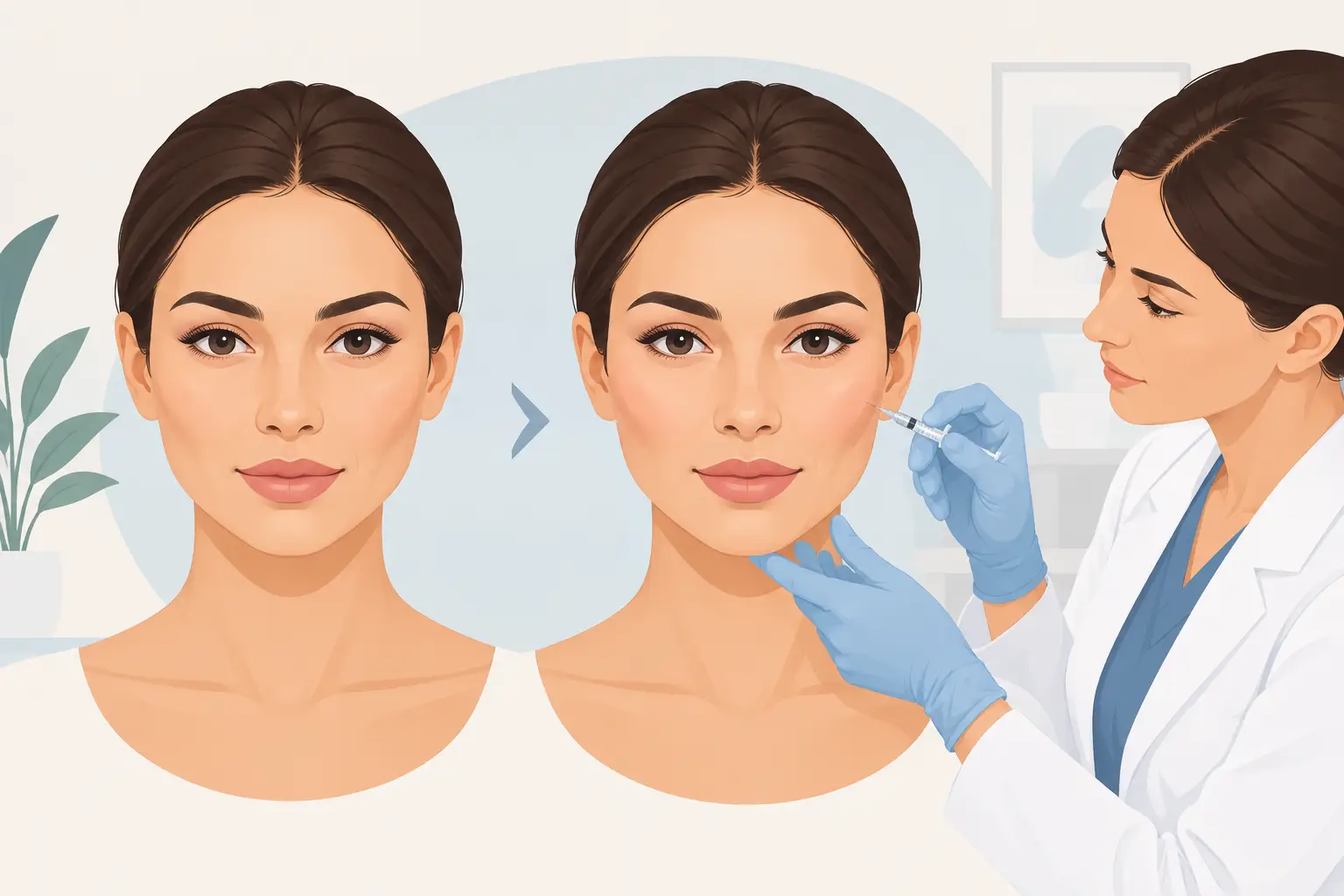
Medical aesthetics represents a sophisticated healthcare discipline dedicated to enhancing physical appearance through non-invasive and minimally invasive procedures. Unlike traditional cosmetic treatments, medical aesthetics combines medical expertise with aesthetic improvements, focusing on scientifically validated techniques that prioritise patient safety and natural-looking results. Cultural perceptions of beauty significantly influence the demand for aesthetic procedures, transforming how individuals approach personal enhancement.
Common myths surrounding medical aesthetics often stem from misconceptions about procedure complexity, safety, and outcomes. Many individuals mistakenly believe these treatments are exclusively for wealthy or vain populations. In reality, medical aesthetic procedures are designed to address diverse concerns ranging from age-related skin changes to confidence restoration. The field encompasses a wide array of treatments including dermal fillers, skin rejuvenation, and targeted skin therapies that offer scientifically supported solutions for various aesthetic challenges.
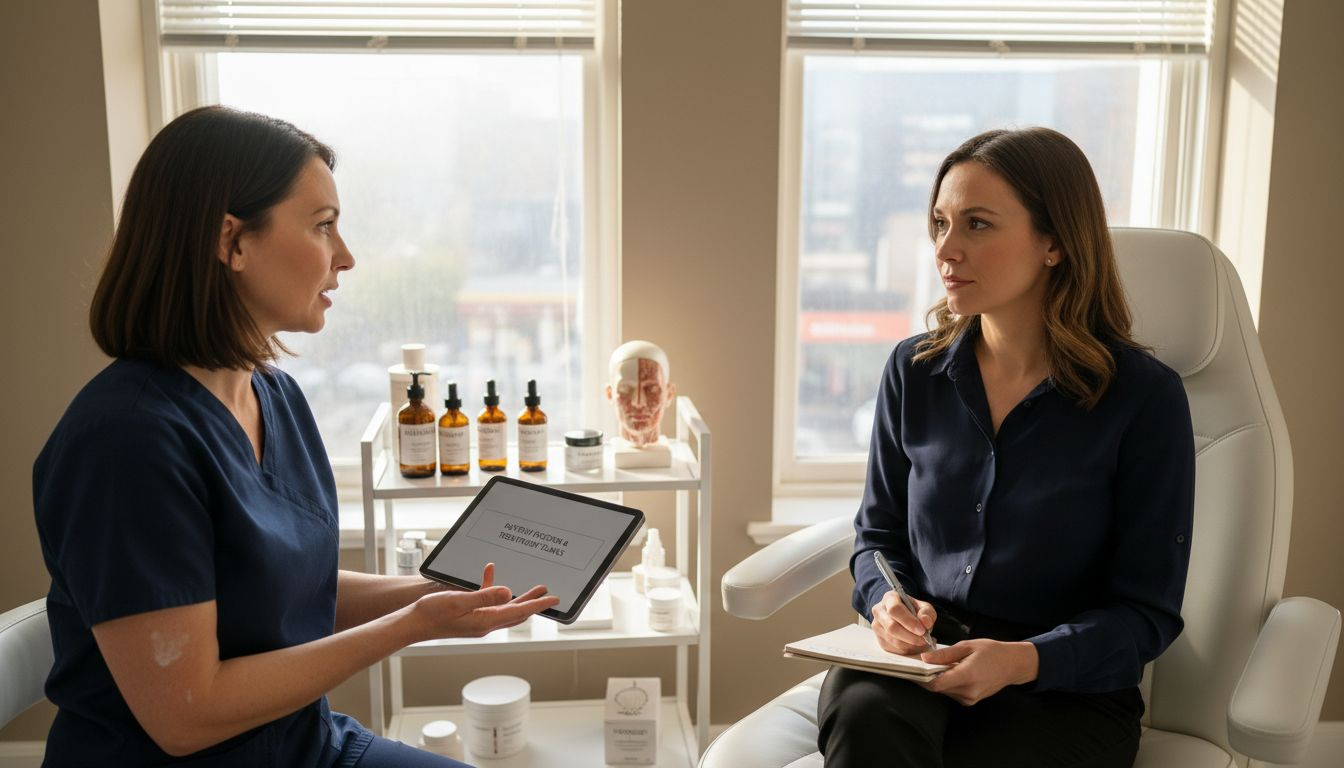
Understanding the ethical and cultural dimensions of cosmetic procedures is crucial. Researchers examining the societal factors driving aesthetic enhancements reveal that motivations extend far beyond superficial beauty standards. Patients often seek these treatments to address specific concerns, restore self-confidence, and achieve a sense of personal wellbeing. Medical aesthetics professionals are trained to provide personalised consultations, ensuring that each treatment plan respects individual goals and maintains natural-looking results.
Pro Expert Tip: Research and select a medically qualified aesthetic practitioner with comprehensive training and a proven track record of patient safety and successful outcomes. Always prioritise professional credentials and patient testimonials when considering aesthetic treatments.
Here is a summary of common myths versus facts in medical aesthetics:
| Myth | Reality | Impact on Patients |
|---|---|---|
| Only for the wealthy | Accessible to a wide range of budgets | Broadens interest and access |
| All results look unnatural | Emphasis on subtle, natural enhancements | Increases patient satisfaction |
| Procedures are dangerous | Safety is prioritised with regulation | Builds patient trust |
| Only addresses vanity | Supports confidence and wellbeing | Encourages holistic care |
Popular Cosmetic Treatments and Innovations
Medical aesthetics has revolutionised personal enhancement through a diverse array of cutting-edge treatments targeting specific aesthetic concerns. Cosmetic surgical procedures have seen a notable 5% rise in 2024, with facial rejuvenation emerging as a particularly dynamic sector. The landscape now encompasses sophisticated techniques that go far beyond traditional cosmetic interventions, offering nuanced solutions for individuals seeking refined, natural-looking enhancements.
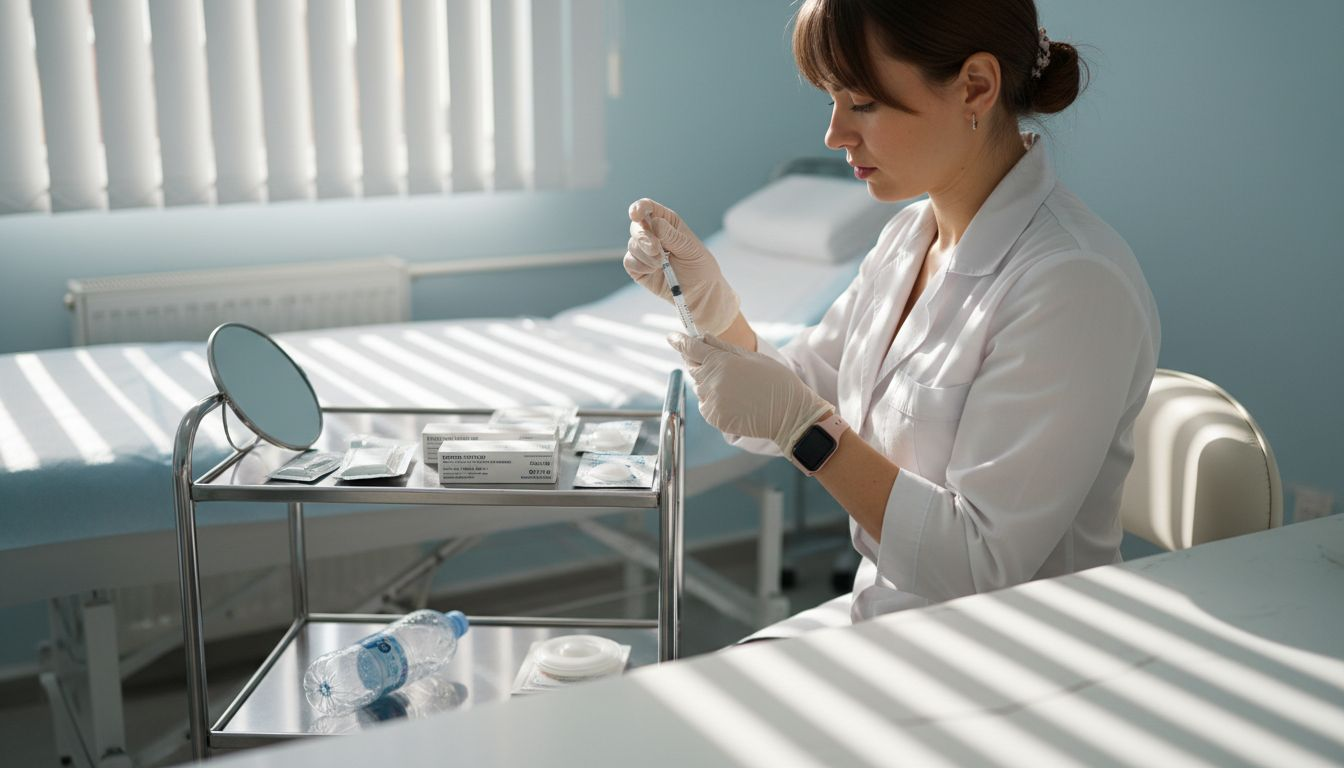
Key innovations in medical aesthetics include advanced non-surgical treatments such as dermal fillers, muscle relaxants, skin resurfacing, and targeted body contouring procedures. These techniques leverage sophisticated medical technologies to address age-related changes, skin texture irregularities, and volume loss with minimal invasiveness. Clients can now choose from a range of precision treatments like microneedling, platelet-rich plasma therapy, and laser skin rejuvenation, each designed to stimulate natural collagen production and restore skin’s youthful vitality.
The contemporary medical aesthetics approach emphasises personalisation and holistic wellness. Non-surgical face lift options demonstrate how modern aesthetic medicine can deliver transformative results without extensive surgical intervention. Innovative treatments now combine medical expertise with advanced technologies, allowing practitioners to craft bespoke treatment plans that respect individual anatomical characteristics and aesthetic goals. This patient-centric methodology ensures that each procedure is tailored to deliver optimal, natural-looking outcomes.
Pro Expert Tip: Research potential aesthetic practitioners thoroughly, examining their qualifications, specialisation, and patient testimonials to ensure you receive safe, high-quality treatments that align with your specific aesthetic objectives.
This comparison clarifies popular non-surgical medical aesthetic procedures:
| Procedure Type | Core Benefit | Typical Duration | Common Recovery Experience |
|---|---|---|---|
| Dermal Fillers | Restore facial volume | 15–30 minutes | Minor swelling, quick |
| Muscle Relaxants | Reduce dynamic wrinkles | 10–20 minutes | Mild redness, brief |
| Microneedling | Improve skin texture | 30–45 minutes | Redness 1–2 days |
| Laser Rejuvenation | Target pigmentation | 20–40 minutes | Temporary sensitivity |
How Non-Surgical Procedures Work
Non-surgical aesthetic procedures represent a sophisticated approach to body and facial rejuvenation, utilising advanced medical technologies to achieve transformative results without invasive surgical interventions. Research into cosmetic procedure mechanisms reveals complex interactions between medical technologies and human physiology, demonstrating how precise medical techniques can produce remarkable aesthetic improvements. These innovative treatments leverage scientific principles to target specific tissue layers, stimulate natural regenerative processes, and address aesthetic concerns with remarkable precision.
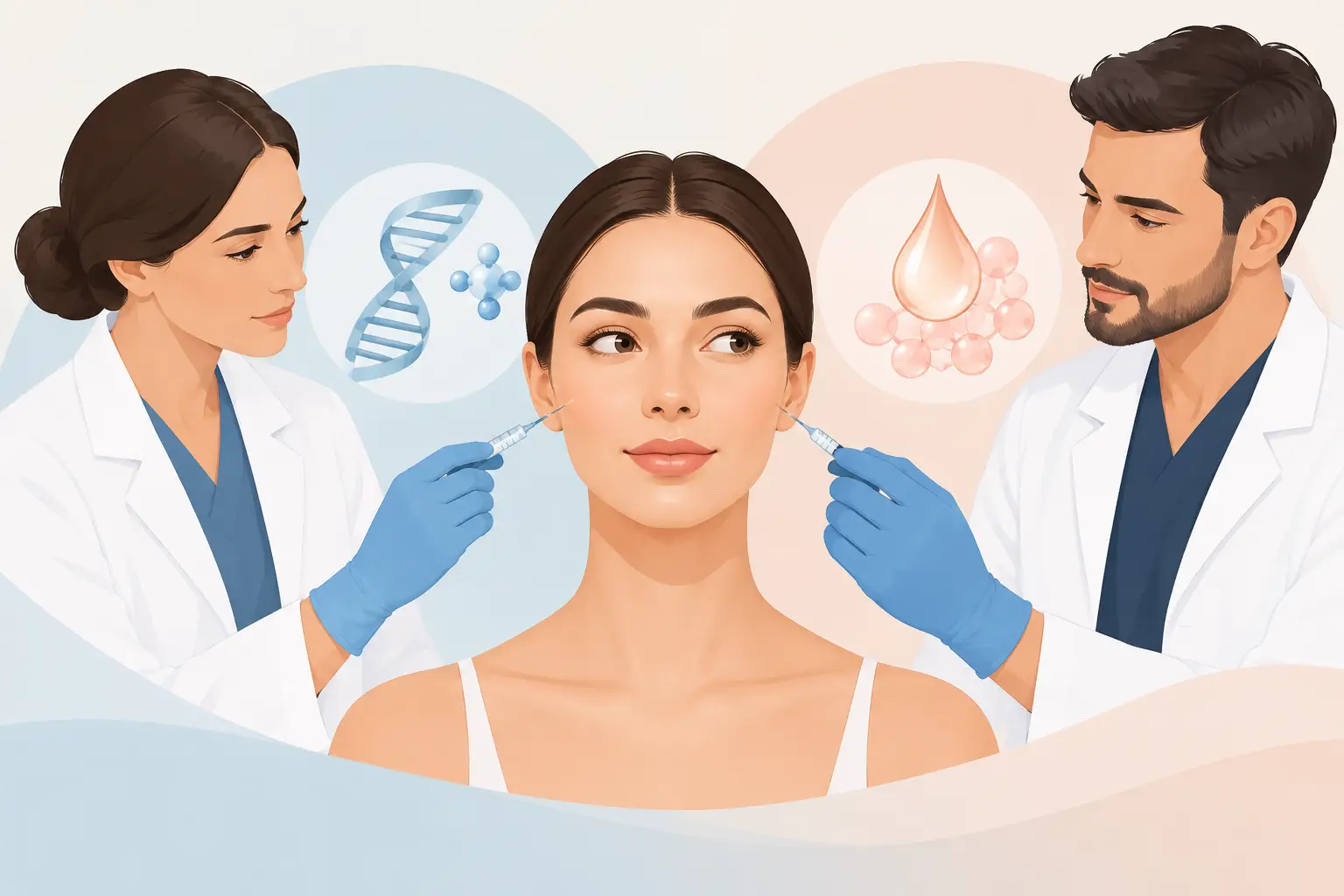
Procedures such as dermal fillers and muscle relaxants work through distinct physiological mechanisms. Dermal fillers, typically composed of hyaluronic acid or synthetic compounds, are strategically injected to restore volume, smooth wrinkles, and enhance facial contours. Mesotherapy techniques offer another sophisticated approach, involving microinjections that deliver specialised nutrient cocktails directly into targeted skin layers, promoting cellular regeneration and improving overall skin quality. Muscle relaxants function by temporarily modulating nerve signals, reducing muscle tension and softening dynamic wrinkles with remarkable subtlety.
The modern non-surgical aesthetic approach emphasises minimal intervention and maximal results. Advanced techniques like ultrasound therapy, radiofrequency treatments, and precise injectable technologies allow practitioners to achieve nuanced transformations. These procedures stimulate collagen production, improve skin elasticity, and address age-related changes without significant downtime. Critically, each treatment is tailored to individual anatomical characteristics, ensuring personalised outcomes that respect the patient’s unique physiological structure and aesthetic goals.
Pro Expert Tip: Always consult a qualified medical aesthetic professional who can comprehensively assess your individual needs, explaining potential treatment outcomes, risks, and expected results before proceeding with any non-surgical aesthetic procedure.
Safety Standards and Legal Requirements in the UK
The medical aesthetics industry in the United Kingdom operates under stringent regulatory frameworks designed to protect patient safety and ensure professional standards. Local authorities like Darlington Borough Council mandate comprehensive licensing requirements for cosmetic treatment premises and practitioners, establishing crucial guidelines that safeguard public health and maintain professional integrity. These regulations encompass a wide range of critical aspects, including practitioner qualifications, treatment safety protocols, and facility management standards.
Key regulatory bodies such as the Care Quality Commission (CQC) play a pivotal role in overseeing medical aesthetic practices. Practitioners must demonstrate professional accreditation, maintain detailed patient records, and adhere to strict infection control standards. What’s the difference between cannulas and needles becomes more than a technical query – it represents the depth of technical expertise required in this highly regulated field. Clinics must also provide comprehensive informed consent procedures, ensuring patients fully understand potential risks, expected outcomes, and alternative treatment options.
Legal requirements extend beyond basic licensing, encompassing complex areas such as medical indemnity insurance, continuing professional development, and ethical practice guidelines. Practitioners must maintain up-to-date qualifications, undergo regular skills assessments, and demonstrate ongoing commitment to patient safety. The regulatory landscape demands not just technical competence but a holistic approach to patient care that prioritises individual well-being, informed decision-making, and transparent communication about aesthetic interventions.
Pro Expert Tip: Always verify a practitioner’s CQC registration and professional credentials before undergoing any medical aesthetic treatment, ensuring you receive care from a fully qualified and legally compliant professional.
Risks, Expected Results, and Choosing a Clinic
Local health authorities provide critical guidance for ensuring safe cosmetic treatment environments, making the selection of a reputable medical aesthetics clinic a crucial decision for potential patients. Understanding potential risks, realistic treatment outcomes, and clinic selection criteria becomes paramount in ensuring a positive aesthetic experience. Medical aesthetic procedures, while generally safe when performed by qualified professionals, carry inherent considerations that patients must carefully evaluate before proceeding with any intervention.
Potential risks associated with medical aesthetic treatments can include temporary side effects such as bruising, swelling, and minor discomfort, as well as more serious complications like infection, allergic reactions, or unintended aesthetic outcomes. Realistic expectations are fundamental, with smart facial treatment comparison strategies helping patients understand probable results. Experienced practitioners will conduct comprehensive consultations, discussing individual anatomical characteristics, potential limitations, and personalised treatment approaches that align with a patient’s unique aesthetic goals.
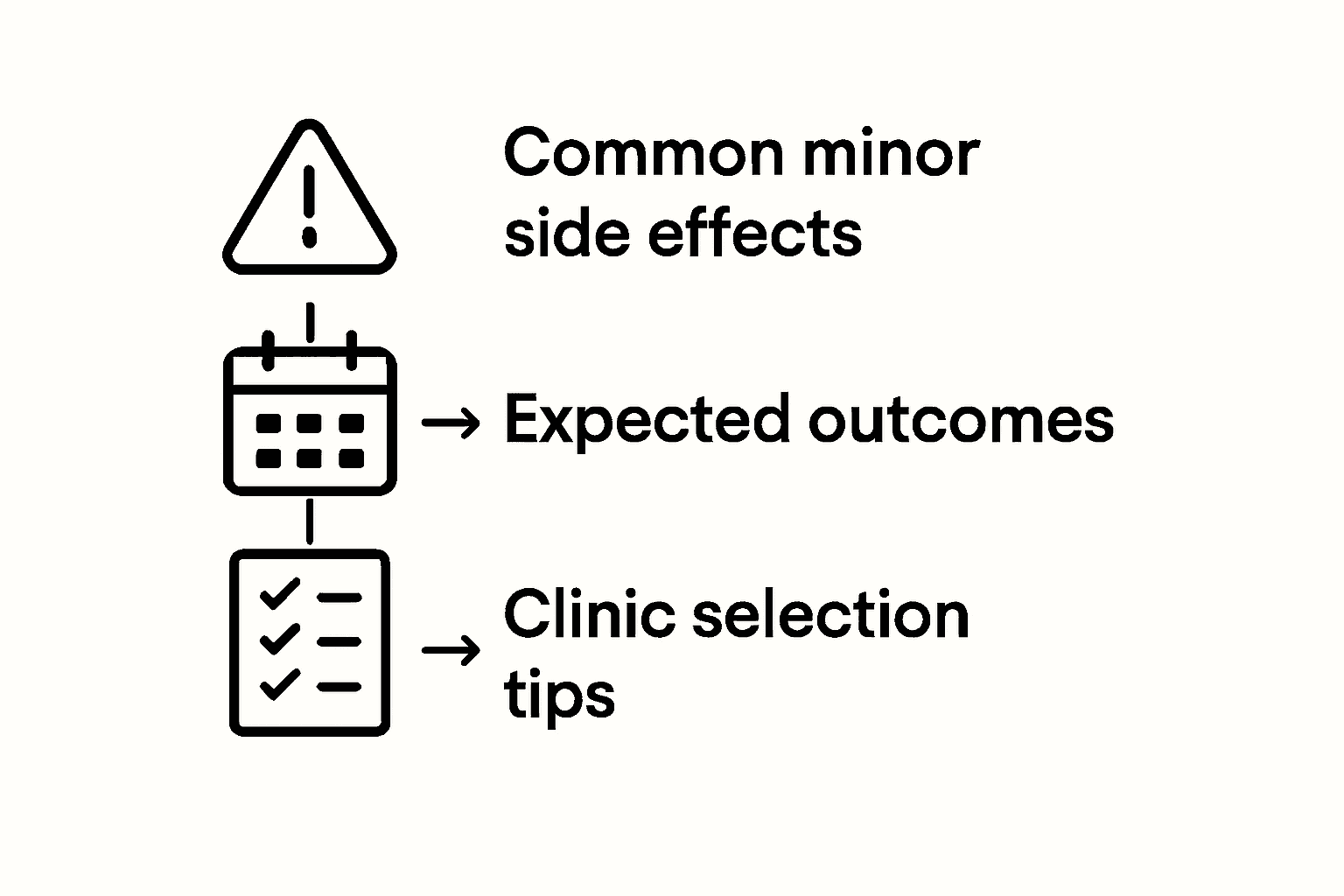
When selecting a medical aesthetics clinic, patients should prioritise several critical factors. These include verifying practitioner qualifications, checking regulatory compliance, examining professional accreditations, and reviewing patient testimonials. Key considerations involve assessing the clinic’s commitment to continuous professional development, infection control standards, and patient safety protocols. A reputable clinic will transparently communicate treatment processes, potential risks, expected outcomes, and provide detailed aftercare instructions, demonstrating their dedication to patient well-being and professional excellence.
Pro Expert Tip: Request comprehensive documentation of a practitioner’s qualifications, request to view before-and-after photographs of previous treatments, and schedule an initial consultation to assess the clinic’s professionalism and approach to patient care.
Discover Safe and Confident Enhancements with Expert Care
If you are seeking effective solutions to restore your natural beauty and boost your confidence through medically approved aesthetic treatments this is your opportunity to explore expertly tailored options. The challenges of finding treatments that prioritise safety and natural-looking results are addressed at The Aesthetics Room where personalised care meets advanced techniques designed to meet your individual goals.
Whether you are interested in rejuvenating your appearance with Advanced Injectables – The Aesthetics Room such as dermal fillers and muscle relaxants or looking for targeted contouring options with Fat Dissolving – The Aesthetics Room their specialised team will guide you expertly.
Take the first step today by visiting The Aesthetics Room to book your consultation and experience a high standard of professional care in luxurious settings across London including Knightsbridge, Harley Street and Mayfair. Your confident transformation with safe medical aesthetics begins here.
Frequently Asked Questions
What are medical aesthetics?
Medical aesthetics is a healthcare discipline that focuses on enhancing physical appearance through non-invasive and minimally invasive procedures, combining medical expertise with aesthetic improvements for safe, natural-looking results.
What are common misconceptions about medical aesthetics?
Common myths include the belief that medical aesthetics is only for the wealthy, that all results look unnatural, and that these procedures are dangerous. In reality, medical aesthetic treatments are accessible, designed for subtle enhancements, and prioritise patient safety.
What types of treatments are offered in medical aesthetics?
Medical aesthetics includes a variety of treatments such as dermal fillers, muscle relaxants, skin resurfacing, microneedling, and laser skin rejuvenation, each targeting specific aesthetic concerns like volume loss, wrinkles, and skin texture.
How can I choose a reputable clinic for medical aesthetic treatments?
To choose a reputable clinic, verify the practitioner’s qualifications, check for regulatory compliance, review patient testimonials, and ensure the clinic communicates transparently about treatment processes, potential risks, and aftercare instructions.
Recommended
- HOW TO LOOK YOUNGER WITH A MEDICAL PEEL – The Aesthetics Room
- Skin Treatments – The Aesthetics Room
- Why Anti-Ageing Treatments Matter in London Aesthetics – The Aesthetics Room
- Non-Surgical Face Lift Options: A Guide to Facial Rejuvenation – The Aesthetics Room
- What Is Confidence in Beauty? Complete Guide – Pure Light Botanical Beauty
- What is Aesthetic Medicine? Understanding Its Impact