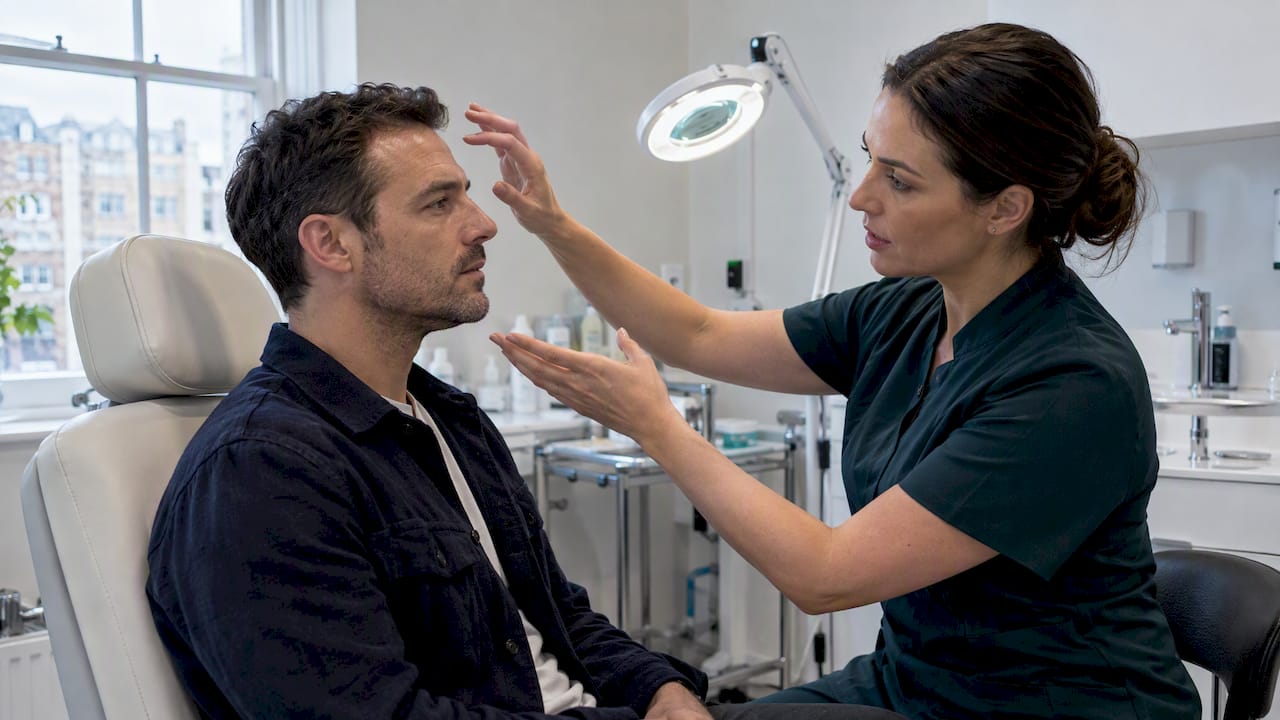


London leads aesthetic innovation because clinical research, creative industries, and capital converge here to accelerate safe, doctor-led cosmetic advancements faster than anywhere else in Europe. The Care Quality Commission (CQC) sets the regulatory floor, while General Medical Council (GMC) and Nursing & Midwifery Council (NMC) registration standards ensure practitioners meet a professional benchmark that most markets cannot match. Theaestheticsroom, based in Knightsbridge, exemplifies this model: CQC-registered, ACE Group-affiliated, and practitioner-led. The defining clinical movement shaping all of this is the ‘Quiet Tweakment’ trend, where subtle, medically led outcomes replace the overfilled aesthetics of a decade ago.
Core factors driving London’s position:
- Science hubs: UCL, Imperial College London, and King’s College London feed biotech and formulation research directly into clinical practice
- Clinical leadership: doctor-led governance prioritises anatomy, safety, and long-term planning over volume
- Layered regulation: GMC, NMC, CQC, Joint Council for Cosmetic Practitioners (JCCP), MHRA, and NICE create a quality floor that raises standards city-wide
- Investment: private investors and local government funding support aesthetic startups and device innovation
- Multicultural testing ground: London’s diverse population drives inclusive product development and AI-driven diagnostics
Table of Contents
- Why London leads aesthetic innovation: the mechanisms behind the claim
- Theaestheticsroom: where London’s innovation standard meets your consultation
- Key takeaways
Why London leads aesthetic innovation: the mechanisms behind the claim
The convergence of science and creativity is what separates London from other European capitals. UCL, Imperial College London, and King’s College London collaborate with biotech startups and clinics to develop bio-engineered ingredients, microbiome-friendly formulations, and AI-enhanced treatment planning tools. This is not theoretical: London concept stores and pilot clinics are already deploying augmented reality diagnostics and data-driven skincare tools developed by city-based startups.
The ‘Quiet Tweakment’ trend has reshaped what premium patients expect. Mayfair practices now operate more like private medical clinics, with consultations typically exceeding 45 minutes, photographic assessment, and anatomy-first planning. Biostimulators layered with conservative Botox and dermal fillers replace the high-volume retail model. Harley Street, Knightsbridge, and Mayfair each attract specialist clinicians and patients who expect this standard.
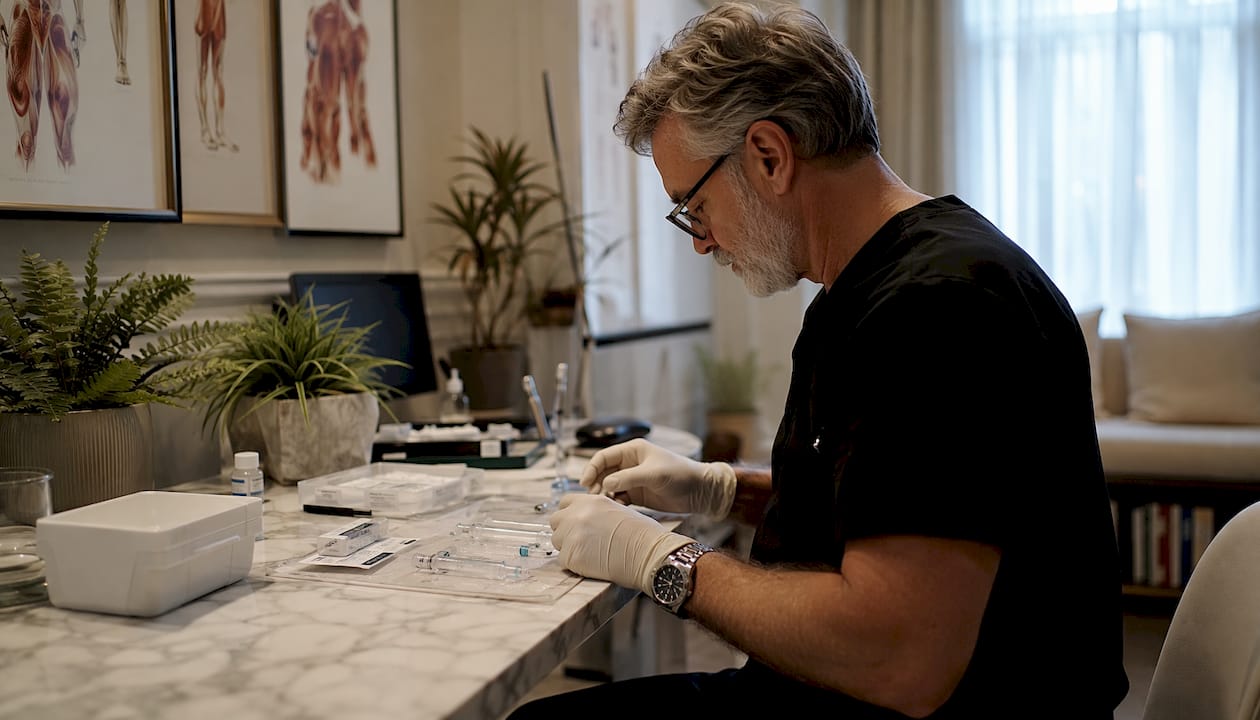
Regulation is tightening in ways that reward prepared clinics. Remote prescribing for cosmetic injectables was prohibited across the UK on 1 June 2025, mandating face-to-face assessments and redesigning consent pathways. The government confirmed a three-tier Red/Amber/Green licensing model on 7 August 2025; Red-tier procedures will be restricted to regulated healthcare professionals under CQC oversight. Clinics already operating to GMC, NMC, and JCCP standards are best placed to meet these requirements without disruption.
Training institutions are raising the bar further, supported by specialised healthcare SEO services that help London clinics attract international patients and referrals. The Harley Street Institute embeds advanced anatomical study and complication management into evidence-based curricula, producing practitioners more likely to adopt device-led combination protocols such as Morpheus8, Ultherapy, and broadband light (BBL). London’s multicultural population also creates an unmatched testing environment for inclusive, sustainable products, while the city’s global connectivity draws international patients and talent that further accelerate how aesthetic trends in London develop and spread.
Statistic: The UK government’s consultation response confirmed that the non-surgical cosmetic sector embraces development and innovation, and that the licensing scheme must be futureproofed to incorporate new techniques in a timely manner.
Pro Tip: Before booking any aesthetic consultation in London, ask for the practitioner’s GMC or NMC registration number, confirm the clinic’s CQC registration on the public register, and check whether the clinic holds JCCP accreditation or ACE Group membership. These three checks take under five minutes and tell you almost everything you need to know about safety standards.
Theaestheticsroom: where London’s innovation standard meets your consultation
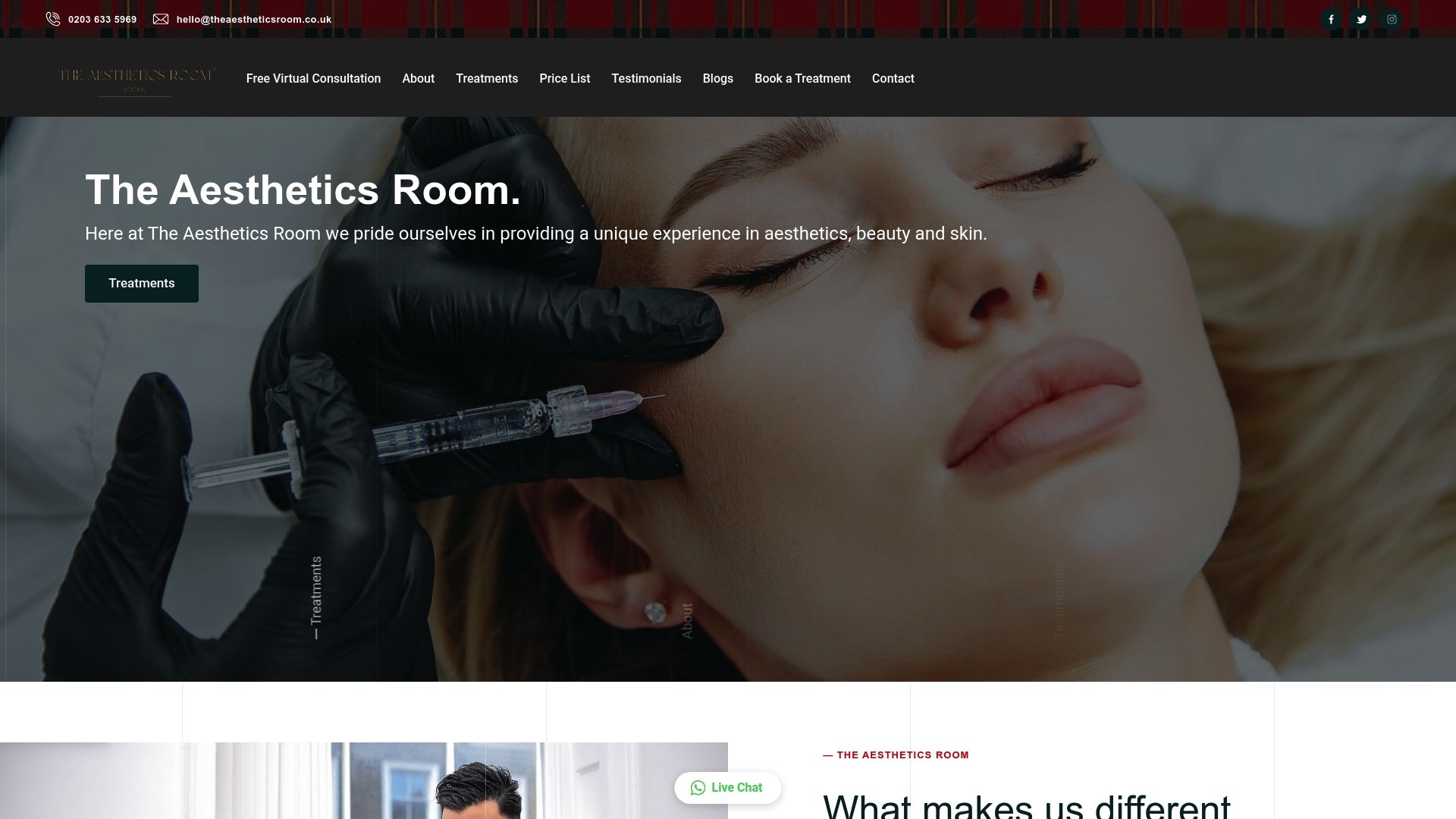
Theaestheticsroom in Knightsbridge is built around exactly the safety-first, clinically led model this article describes. CQC-registered and ACE Group-affiliated, the clinic’s practitioners hold GMC and NMC credentials and work from documented case studies and before-and-after evidence. Consultations are diagnostic-first: practitioners assess anatomy, skin quality, and long-term goals before recommending any treatment, whether that is Botox, dermal fillers, skin rejuvenation, or fat dissolving. The clinic’s doctor-led approach reflects the ‘Quiet Tweakment’ philosophy: restrained, medically sound, and personalised. To book a consultation or verify credentials before your first appointment, visit Theaestheticsroom and request GMC/NMC numbers and CQC registration details at first contact.
Key takeaways
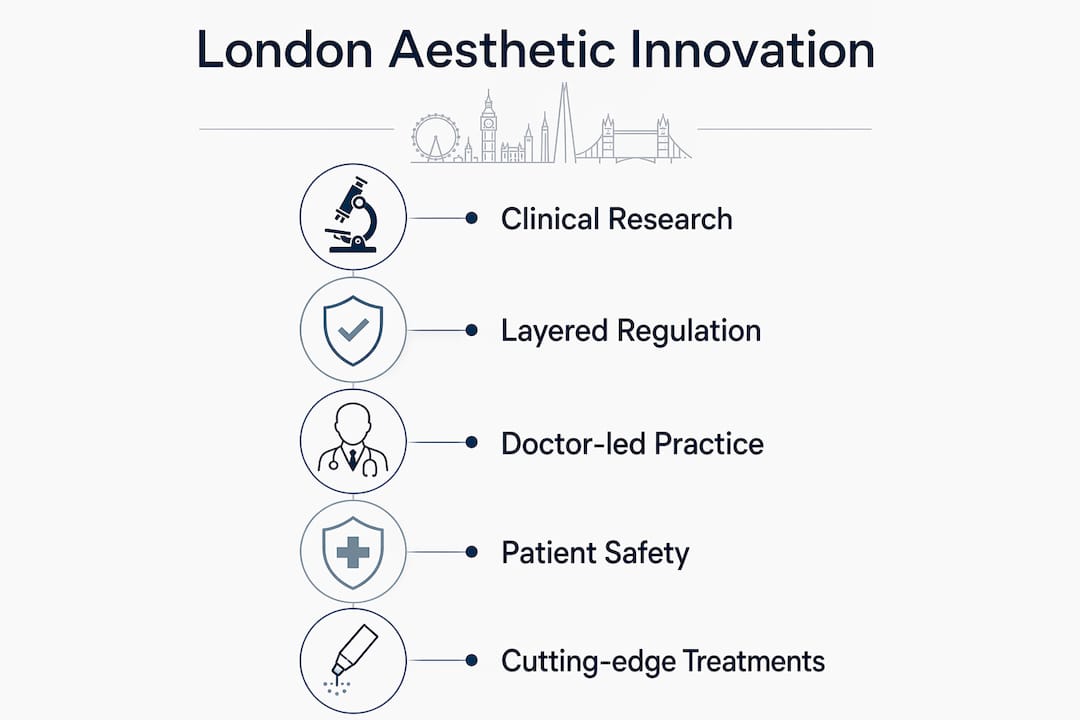
London leads aesthetic innovation because clinical research, layered regulation, and doctor-led practice models converge to produce safer, more personalised outcomes than most markets can offer.
| Point | Details |
|---|---|
| Science and creativity converge | UCL, Imperial College London, and King’s College London collaborate with biotech startups to develop AI diagnostics and bio-engineered formulations. |
| ‘Quiet Tweakment’ defines the standard | Mayfair consultations exceed 45 minutes, prioritising anatomy and long-term planning over high-volume treatments. |
| Regulation is rising fast | Remote prescribing was banned on 1 June 2025; the Red/Amber/Green licensing model confirmed on 7 August 2025 restricts high-risk procedures to CQC-regulated professionals. |
| Three checks protect patients | Verify GMC/NMC registration, CQC registration, and JCCP or ACE Group membership before any consultation. |
| Theaestheticsroom | CQC-registered, ACE Group-affiliated clinic in Knightsbridge offering doctor-led Botox, fillers, and skin rejuvenation with verified practitioner credentials. |
Recommended
- Top non-surgical treatments in London: enhance your look – The Aesthetics Room
- Skin rejuvenation tips: Advanced London treatments for radiant results – The Aesthetics Room
- How to Choose a Luxury Aesthetic Clinic London – The Aesthetics Room
- Preventative skincare for Londoners: lasting radiance – The Aesthetics Room