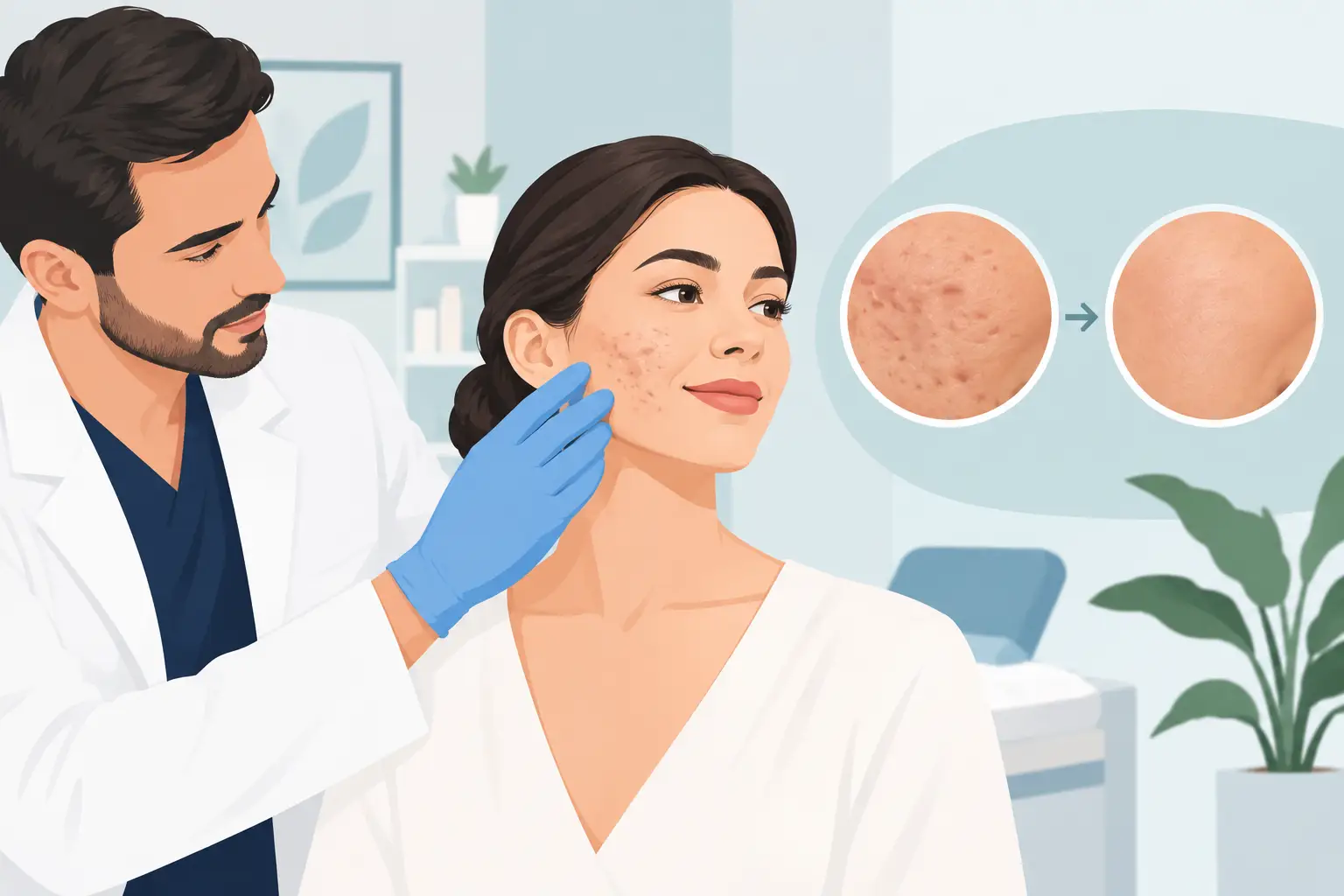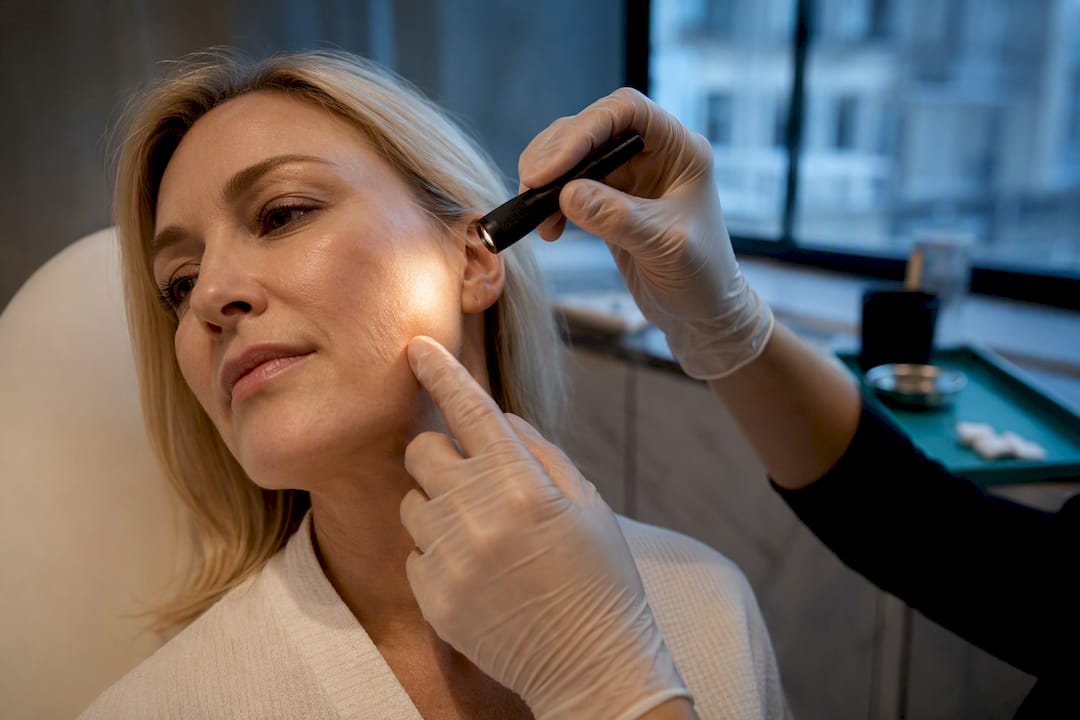


Choosing the right path for cosmetic enhancement can feel daunting when confidence and natural results matter most. For women in London who expect nothing less than sophisticated care and guidance, the patient journey in aesthetics is not just about achieving visible improvements, but ensuring every step respects safety, comfort, and true personalisation. Discover how a luxury clinic’s commitment to comprehensive patient care and ethical standards transforms your experience, offering both reassurance and results tailored to your individual vision.
Table of Contents
- Defining The Patient Journey In Aesthetics
- Key Stages: From Consultation To Aftercare
- Types Of Non-Invasive Aesthetic Treatments
- What To Expect During Your Treatment Experience
- Safety, Accreditation, And Patient Protection
- Risks, Costs, And Common Pitfalls To Avoid
Key Takeaways
| Point | Details |
|---|---|
| Comprehensive Patient Journey | The aesthetic patient journey involves multiple stages, prioritising safety and personalised care from consultation to post-treatment support. |
| Thorough Consultations Required | Patients are encouraged to request detailed consultations to discuss medical histories and aesthetic goals, ensuring informed decision-making. |
| Evaluate Practitioner Credentials | Always verify practitioners’ qualifications and their registration with recognised bodies before undergoing treatments to ensure safety and quality. |
| Understanding Risks and Costs | Patients should be aware of potential medical, financial, and psychological risks associated with aesthetic treatments, and seek full transparency regarding costs. |
Defining the Patient Journey in Aesthetics
The patient journey in aesthetics represents a comprehensive, personalised pathway through cosmetic interventions, carefully designed to ensure safety, understanding, and exceptional outcomes. This journey transcends mere treatment selection, encompassing a holistic approach that considers both physical transformation and individual psychological readiness.
Professional aesthetic practices follow a structured approach, beginning with an in-depth consultation process that prioritises patient safety. This initial stage involves a thorough assessment of the patient’s medical history, aesthetic goals, and psychological suitability for potential treatments. The Royal College of Nursing emphasises that practitioners must conduct face-to-face consultations, carefully evaluating each individual’s unique circumstances and expectations.
The patient journey typically involves several critical stages that create a comprehensive care experience:
- Initial Consultation: A detailed discussion of aesthetic objectives and health background
- Treatment Planning: Developing a personalised intervention strategy
- Pre-Treatment Preparation: Providing detailed information and managing expectations
- Treatment Execution: Performing the chosen aesthetic procedure
- Post-Treatment Care: Monitoring recovery and ensuring optimal results
- Follow-up and Maintenance: Ongoing assessment and potential additional interventions
These stages are underpinned by strict professional standards, as outlined by the Joint Council for Cosmetic Practitioners’ Code of Practice. Practitioners are required to maintain ongoing competence, use clinically validated products, and provide transparent, accurate information throughout the patient’s aesthetic journey.
Pro tip: Always request a comprehensive consultation that explores both your physical goals and emotional preparedness for aesthetic treatments, ensuring a truly personalised care experience.
Key Stages: From Consultation to Aftercare
The patient journey in aesthetics is a carefully orchestrated process that transforms individual aesthetic aspirations into tangible, personalised outcomes. Each stage is meticulously designed to ensure patient safety, comfort, and satisfaction, creating a holistic experience that extends far beyond the treatment itself.
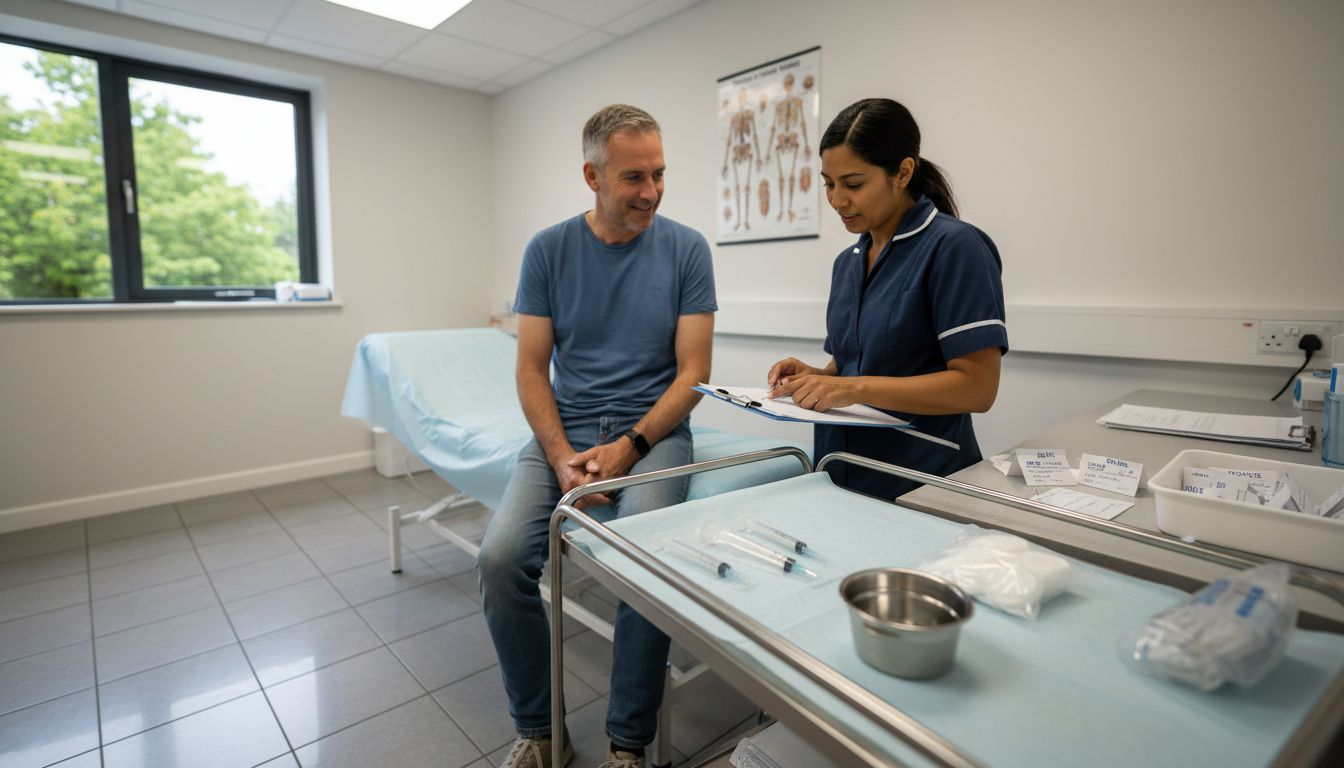
The journey typically begins with an initial consultation process that explores patient motivations, where practitioners conduct a comprehensive assessment of medical history, physical health, and aesthetic objectives. The Royal College of Surgeons emphasises that this stage is fundamental in establishing patient expectations, discussing potential risks, benefits, and alternative treatment options. During this critical phase, patients have the opportunity to ask questions, reflect on their goals, and make an informed decision about proceeding with any aesthetic interventions.
Following the consultation, the patient journey progresses through several key stages:
-
Enquiry Stage
- Initial contact with the aesthetic clinic
- Preliminary discussions about treatment interests
- Information gathering
-
Consultation Stage
- Detailed medical history review
- Physical assessment
- Treatment option exploration
- Risk and outcome discussion
-
Treatment Planning
- Personalised treatment strategy development
- Consent confirmation
- Procedure scheduling
-
Treatment Execution
- Performing agreed aesthetic procedure
- Ensuring patient comfort and safety
- Precise technique application
-
Immediate Aftercare
- Initial recovery monitoring
- Providing post-treatment instructions
- Managing potential side effects
-
Follow-up and Long-term Care
- Scheduled review appointments
- Healing progress assessment
- Patient satisfaction evaluation
- Potential additional interventions
Each stage is interconnected, creating a seamless and supportive experience that prioritises patient wellbeing and aesthetic goals. The British College of Aesthetic Medicine underscores the importance of a comprehensive approach that maintains patient safety and personalisation throughout the entire journey.
Pro tip: Prepare a detailed list of questions and concerns before your consultation, ensuring you make a fully informed decision about your aesthetic treatment.
Types of Non-Invasive Aesthetic Treatments
Non-invasive aesthetic treatments represent a sophisticated approach to enhancing personal appearance, offering transformative results without the complexities of surgical intervention. These advanced procedures provide discerning individuals with targeted solutions that address specific cosmetic concerns while minimising recovery time and potential risks.
The landscape of non-invasive treatments encompasses a diverse range of innovative aesthetic technologies. According to the Joint Council for Cosmetic Practitioners, these treatments include several key categories designed to address various aesthetic objectives:
Injectables
-
Botulinum Toxin Treatments
- Wrinkle reduction
- Muscle relaxation
- Dynamic line smoothing
-
Dermal Fillers
- Volume restoration
- Facial contouring
- Lip enhancement
Skin Rejuvenation Techniques
-
Chemical Peels
- Texture improvement
- Pigmentation reduction
- Skin resurfacing
-
Microneedling
- Collagen stimulation
- Scar reduction
- Skin texture refinement
Advanced Light-Based Therapies
-
Laser Treatments
- Hair removal
- Pigmentation correction
- Skin tightening
-
Intense Pulsed Light (IPL)
- Photofacial treatments
- Vascular lesion reduction
- Skin tone evening
Body Contouring Procedures
- Non-Surgical Fat Reduction
- Targeted fat elimination
- Circumference reduction
- Cellulite improvement
Each treatment category requires specialised training and expertise. The Royal College of Nursing emphasises the critical importance of qualified practitioners who can assess individual patient needs, understand potential risks, and deliver safe, personalised aesthetic interventions.
Modern non-invasive treatments are distinguished by their precision, minimal downtime, and ability to produce subtle yet significant aesthetic improvements. They represent a nuanced approach to personal enhancement, balancing scientific innovation with individual aesthetic goals.
To help clarify the differences and benefits of key non-invasive aesthetic treatments, see the comparative table below:
| Treatment Type | Typical Outcomes | Recovery Time |
|---|---|---|
| Injectables | Smoother, fuller features | Few hours to 2 days |
| Skin Rejuvenation | Improved texture, clarity | 1 day to 1 week |
| Light-Based Therapies | Even tone, less pigmentation | Few hours to several days |
| Body Contouring | Reduced fat, better shape | Minimal, up to 1 week |
Pro tip: Always schedule a comprehensive consultation to determine the most suitable non-invasive treatment for your specific aesthetic objectives and skin characteristics.
What to Expect During Your Treatment Experience
Aesthetic treatments represent a personalised journey of transformation, carefully designed to address individual cosmetic goals with precision and sensitivity. Each step of the experience is meticulously planned to ensure patient comfort, safety, and optimal outcomes, reflecting the sophisticated approach of modern aesthetic medicine.
The treatment process begins with a comprehensive patient assessment and care protocol, where practitioners conduct a thorough face-to-face consultation. This critical initial stage involves a detailed evaluation of your medical history, skin characteristics, aesthetic objectives, and potential treatment suitability. Trained professionals will discuss potential approaches, expected results, and any associated risks, ensuring you have a complete understanding before proceeding.
Treatment Experience Stages
-
Pre-Treatment Preparation
- Detailed medical history review
- Skin and facial structure analysis
- Discussion of aesthetic goals
- Treatment plan customisation
-
Treatment Procedure
- Precise treatment application
- Continuous patient comfort monitoring
- Step-by-step procedural explanation
- Real-time adjustment if required
-
Immediate Post-Treatment Care
- Initial recovery observation
- Instruction on aftercare protocols
- Potential side effect management
- Immediate result assessment
-
Follow-up and Ongoing Support
- Scheduled recovery check-ins
- Performance and healing evaluation
- Additional guidance if needed
- Long-term treatment planning
During the actual treatment, you can expect a professional, supportive environment where practitioners combine clinical expertise with artistic precision. Treatments are performed using advanced techniques that prioritise minimal discomfort and maximum effectiveness. Practitioners will communicate transparently throughout the procedure, explaining each step and ensuring your complete understanding and comfort.
Pain management and patient experience are paramount. Most non-invasive treatments involve minimal discomfort, with many patients describing sensations of slight pressure or momentary warmth. Topical anaesthetics may be used to enhance comfort, and practitioners are trained to adjust techniques to individual pain thresholds.
Pro tip: Wear comfortable, loose clothing and arrive with clean, makeup-free skin to ensure the most effective and smooth treatment experience.
Safety, Accreditation, and Patient Protection
In the world of aesthetic treatments, patient safety transcends mere medical procedure – it represents a comprehensive commitment to ethical practice, professional excellence, and individual wellbeing. The regulatory landscape in the United Kingdom provides robust frameworks designed to protect patients and maintain the highest standards of care.
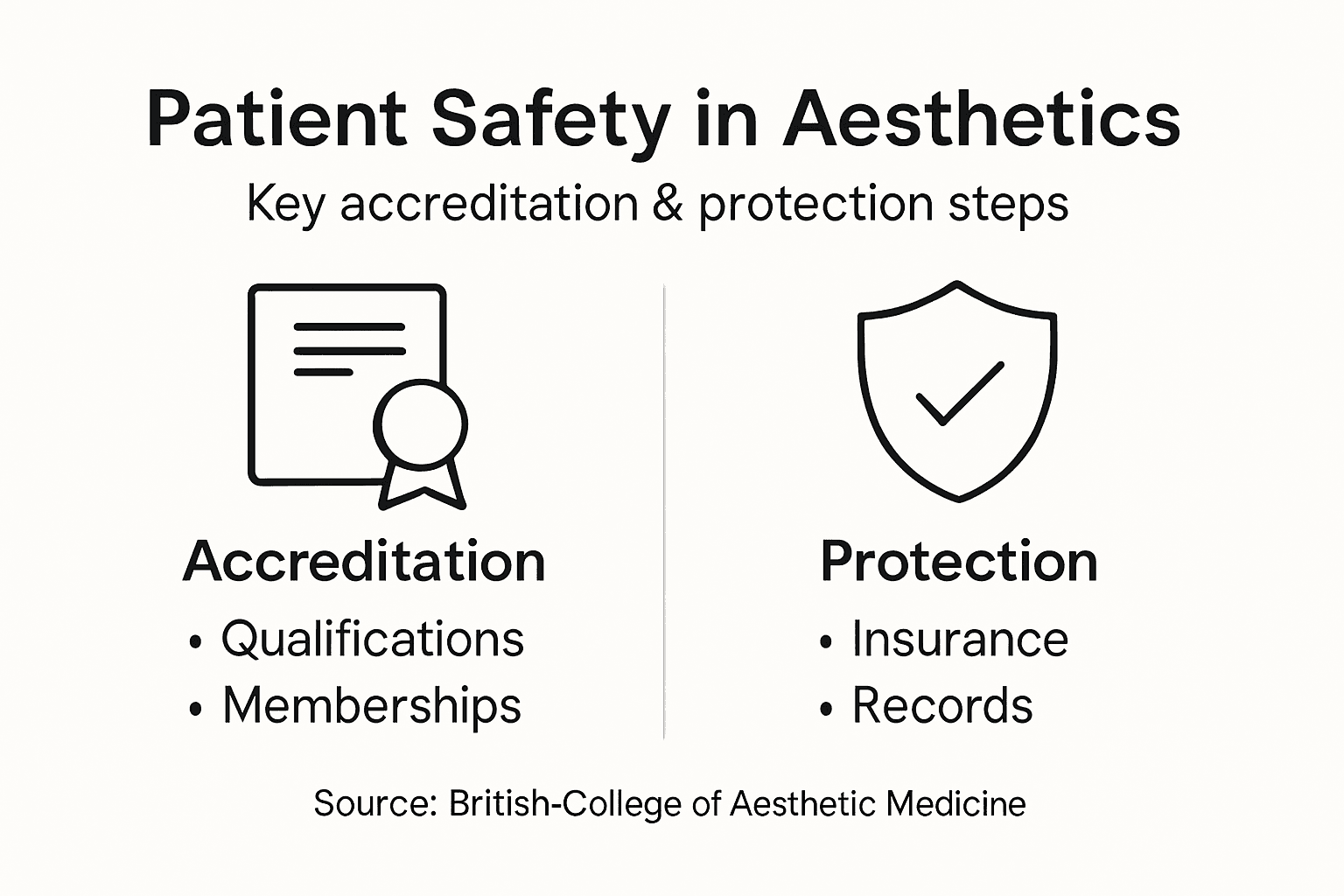
The aesthetic medicine sector is governed by stringent professional standards and accreditation mechanisms that ensure practitioners meet exacting qualifications. The Cosmetic Practice Standards Authority (CSPA) collaborates closely with the Joint Council for Cosmetic Practitioners (JCCP) to establish minimum standards covering practitioner professionalism, health protocols, and ethical practices. These standards are not merely bureaucratic checklists but fundamental safeguards protecting patient interests.
Key Safety Protection Mechanisms
-
Professional Registration
- Verified practitioner credentials
- Ongoing competence assessments
- Mandatory continuing education
-
Treatment Standards
- Clinically validated procedures
- Rigorous equipment maintenance
- Standardised treatment protocols
-
Patient Consent Frameworks
- Comprehensive pre-treatment consultations
- Transparent risk discussions
- Informed decision-making support
-
Complaint and Redress Systems
- Clear grievance mechanisms
- Independent review processes
- Patient advocacy support
Professional bodies like the British College of Aesthetic Medicine provide additional layers of protection through comprehensive training programmes and ethical oversight. These organisations ensure practitioners are not only technically proficient but also deeply committed to patient-centred care, psychological wellbeing, and transparent communication.
Regulatory frameworks require practitioners to maintain detailed records, undergo regular professional development, and demonstrate continuous learning. This approach ensures that aesthetic treatments are delivered with the same medical rigour and patient-focused care expected in traditional healthcare settings.
Here is a summary contrasting safety features across reputable UK accreditation bodies for aesthetic practitioners:
| Accrediting Body | Practitioner Requirements | Patient Protection Offered |
|---|---|---|
| Cosmetic Practice Standards Authority (CSPA) | Regular training and recertification | Detailed complaints process, oversight |
| Joint Council for Cosmetic Practitioners | Clinical validation, annual review | Code of conduct, verified credentials |
| British College of Aesthetic Medicine | Advanced education, ethical conduct | Patient-centred care, support resources |
Pro tip: Always verify a practitioner’s professional credentials and ask to see their current registration with recognised bodies before proceeding with any aesthetic treatment.
Risks, Costs, and Common Pitfalls to Avoid
Navigating the aesthetic treatment landscape requires sophisticated understanding beyond surface-level attractions. Patients must approach aesthetic interventions with informed caution, recognising that while transformative treatments offer significant potential, they also carry inherent complexities requiring careful consideration.
The Care Quality Commission emphasises the critical importance of understanding comprehensive treatment risks, which extend far beyond simple aesthetic outcomes. Potential complications can include infection, scarring, unexpected healing responses, and psychological impacts that may not be immediately apparent during initial consultations.
Key Risk Categories
-
Medical Risks
- Potential allergic reactions
- Infection possibilities
- Unexpected healing complications
- Potential nerve or tissue damage
-
Financial Risks
- Hidden treatment costs
- Potential additional procedure expenses
- Recovery and aftercare expenditures
- Follow-up treatment investments
-
Psychological Risks
- Misaligned expectation management
- Potential body image complications
- Emotional impact of results
- Potential self-perception challenges
Common Pitfalls to Avoid
- Selecting practitioners based solely on price
- Neglecting comprehensive medical history disclosure
- Failing to research practitioner credentials
- Unrealistic outcome expectations
- Insufficient pre-treatment consultation
- Overlooking potential long-term implications
Especially for patients considering treatments abroad, the Private Healthcare Information Network warns about additional complexities. International treatments often involve variable regulatory standards, non-verified practitioner credentials, and limited legal recourse, potentially transforming initial cost savings into significant financial and health risks.
Transparency becomes paramount. Patients must demand comprehensive cost breakdowns, understand potential additional expenses, and thoroughly investigate practitioner qualifications. This approach transforms potential vulnerability into empowered, informed decision-making.
Pro tip: Request a detailed, written breakdown of all potential treatment costs, including potential follow-up procedures and recovery expenses, before committing to any aesthetic intervention.
Discover Personalised Aesthetic Care Tailored Just For You
Understanding your unique patient journey is essential to achieving safe and satisfying aesthetic results. At The Aesthetics Room, we recognise the importance of a carefully crafted treatment plan that respects your individual goals, medical background, and emotional readiness. Whether you are seeking subtle rejuvenation or advanced contouring, our expert team specialises in delivering bespoke solutions with the utmost professionalism and care.
Explore our range of expert Advanced Injectables and transformative Skin Treatments to begin your journey in a trusted, luxury environment.
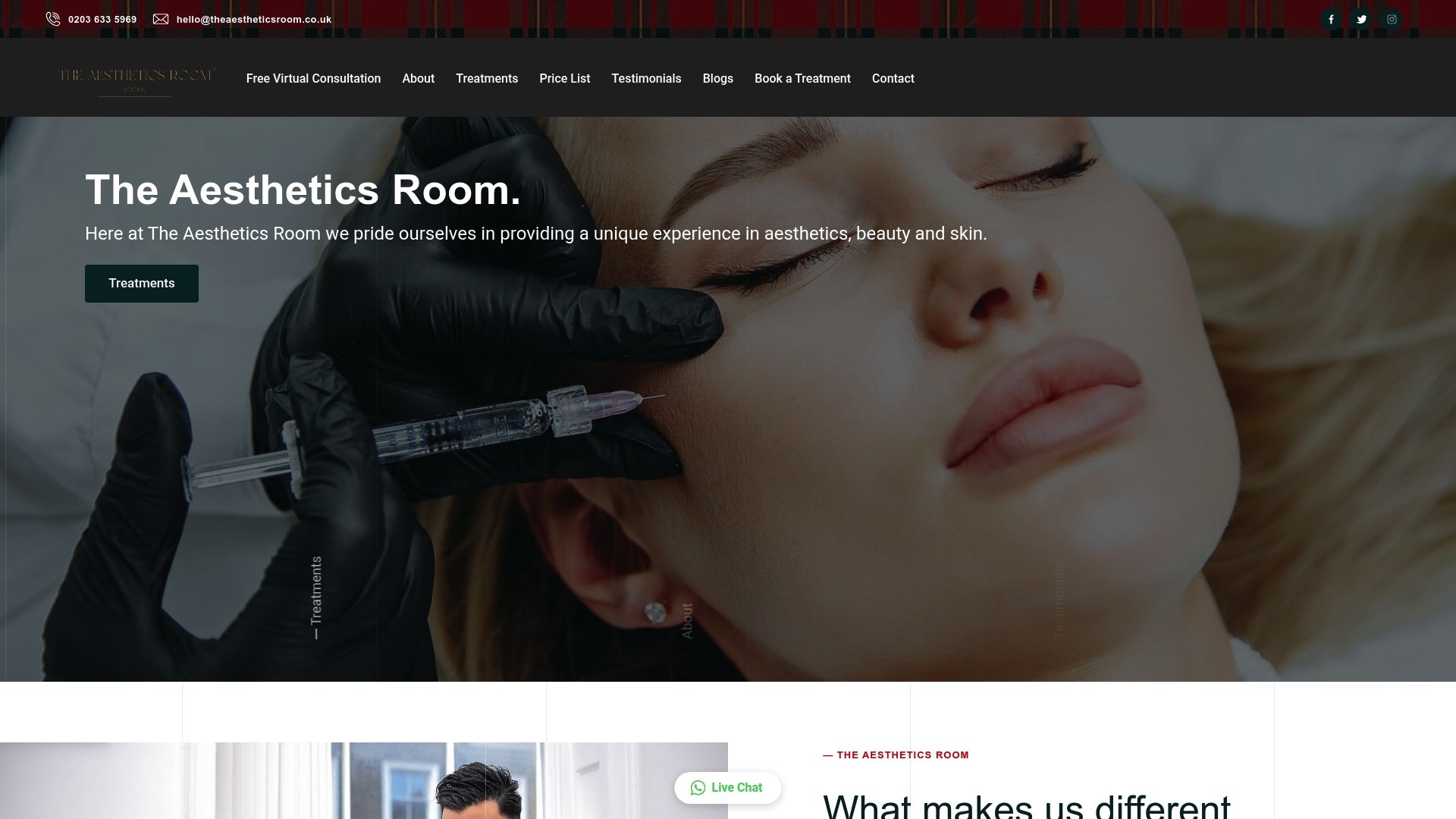
Take the first step today with a comprehensive consultation at our prestigious Knightsbridge clinic. Visit The Aesthetics Room to book your personalised appointment and experience aesthetic care designed for your wellbeing and confidence.
Frequently Asked Questions
What is the patient journey in aesthetics?
The patient journey in aesthetics is a personalised pathway that encompasses all stages of cosmetic interventions, including consultation, treatment planning, execution, and ongoing care, focusing on both physical transformation and psychological readiness.
What should I expect during my initial consultation for aesthetic treatments?
During your initial consultation, expect a comprehensive review of your medical history, discussion of your aesthetic goals, exploration of treatment options, and an assessment of risks and benefits, ensuring you make an informed decision about your potential treatment.
What are the key stages of the patient journey in aesthetics?
The patient journey comprises several key stages: enquiry stage, consultation stage, treatment planning, treatment execution, immediate aftercare, and long-term follow-up care, all aimed at providing a holistic, supportive experience for the patient.
How do I ensure safety and accreditation when choosing a practitioner?
To ensure safety, verify the practitioner’s credentials, ensure they are registered with recognised accreditation bodies, and confirm they adhere to professional standards and protocols for aesthetic treatments.
Recommended
- Role of Consultation in Aesthetics: Enhancing Safety and Results – The Aesthetics Room
- Ethics in Medical Aesthetics – Why Safety Matters – The Aesthetics Room
- Aesthetics Trends in 2025 – Elevating Natural Beauty – The Aesthetics Room
- Why Pain Management in Aesthetics Matters Most – The Aesthetics Room
- 7 Essential Lessons from Hair Transplant Reddit Threads | MyHair