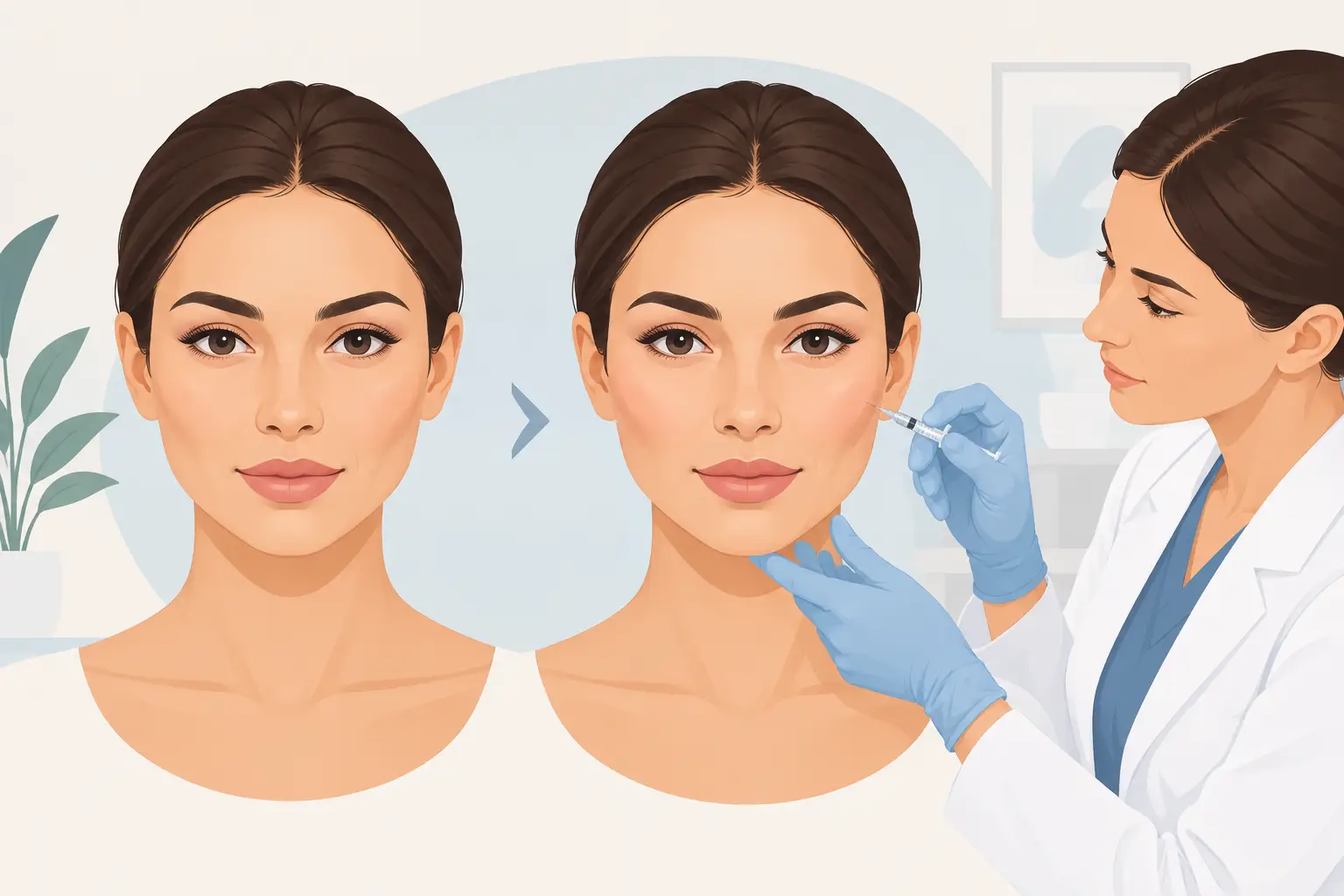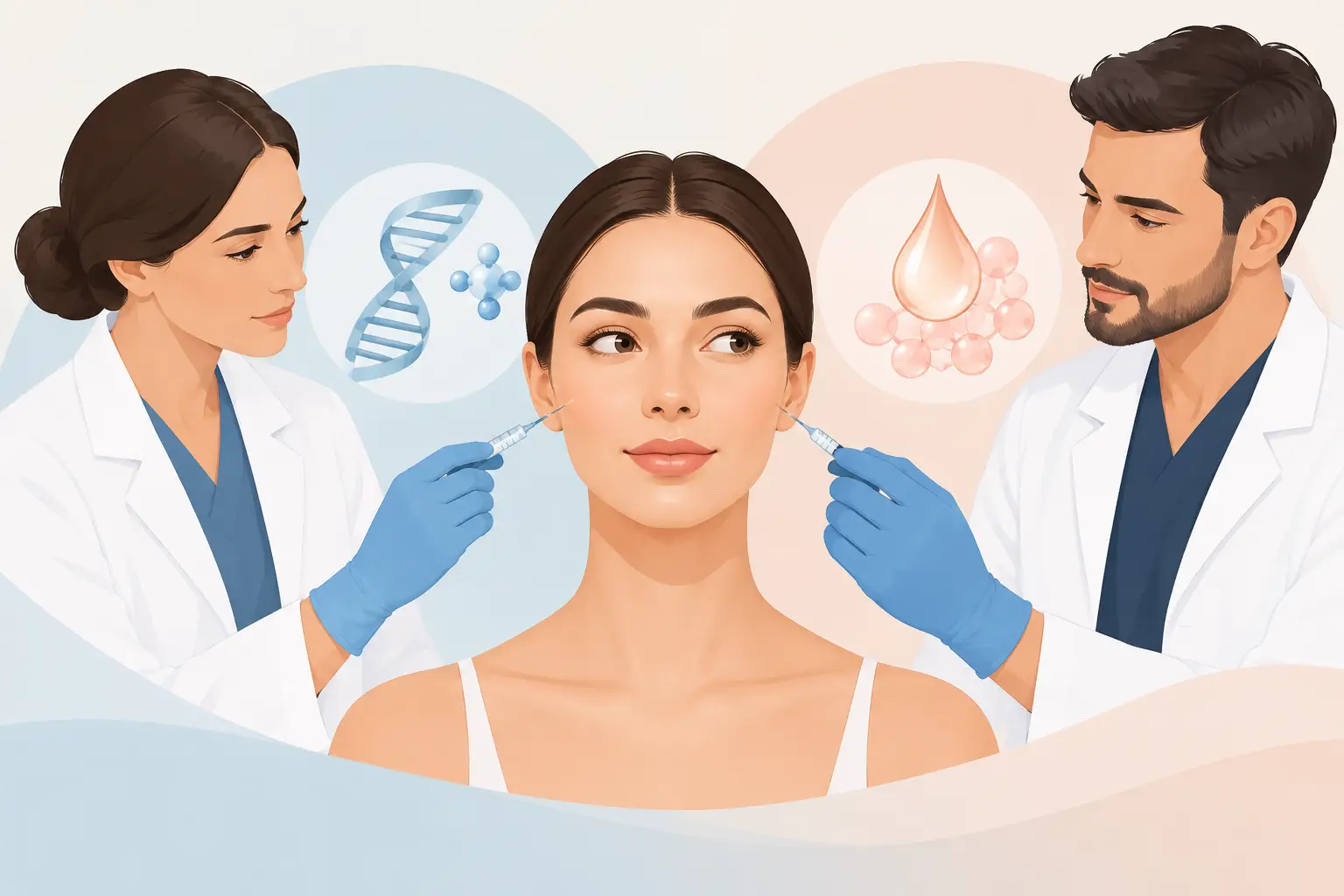


Every year, more British professionals are embracing non-invasive aesthetic treatments that promise natural results with minimal downtime. In London, discerning individuals aged 30 to 50 are prioritizing advanced science and strict safety standards as the hallmarks of modern skincare. With industry data showing an unprecedented rise in AI-personalized procedures, luxury clinics now combine technology and holistic wellness for highly tailored, effective rejuvenation that aligns with the confidence and lifestyle of today’s upwardly mobile British clientele.
Table of Contents
- Defining Aesthetics Trends In 2025
- Types Of Regenerative And Non-Invasive Treatments
- Technological Innovations Shaping Patient Care
- Personalisation And Holistic Wellness In Aesthetics
- Evolving Safety Standards And Regulations
- Risks, Costs, And Mistakes To Avoid
Key Takeaways
| Point | Details |
|---|---|
| Personalised Treatments | The integration of AI and precision skin analysis is essential, allowing for highly tailored aesthetic interventions based on individual genetic profiles. |
| Regulatory Standards | Mandatory licensing and CQC registration requirements ensure higher safety standards and professional accountability in aesthetic practices. |
| Holistic Approach | Aesthetic treatments now focus on comprehensive wellness, incorporating lifestyle factors alongside traditional beauty concerns. |
| Cost Awareness | Patients should consider long-term expenses and potential corrective treatments when evaluating aesthetic options, prioritising qualified practitioners despite higher upfront costs. |
Defining aesthetics trends in 2025
The aesthetics landscape in 2025 represents a transformative era of personalised, science-driven skin rejuvenation. As the industry evolves, practitioners are witnessing unprecedented integration of advanced technologies and holistic wellness approaches. Advanced industry research reveals a significant shift towards evidence-based practices that prioritise natural, sustainable aesthetic enhancements.
Key developments in 2025 centre around three primary innovations: precision skin analysis, minimally invasive treatments, and wellness-integrated aesthetic solutions. Artificial intelligence now plays a critical role in personalising treatment plans, enabling practitioners to develop highly targeted interventions based on comprehensive skin mapping and individual genetic profiles. This technological revolution means clients receive more accurate, tailored recommendations than ever before.
The contemporary aesthetic approach emphasises subtlety and biological harmonisation. Gone are the days of dramatic, unnatural transformations. Instead, practitioners focus on bio-stimulators and polynucleotide treatments that gently encourage the skin’s natural regenerative processes. These advanced techniques stimulate collagen production, enhance cellular repair, and promote a radiant, youthful appearance without invasive surgical procedures.
Regulation and practitioner credentials have become paramount, with stringent accreditation requirements ensuring client safety and treatment quality. Clinics now demand comprehensive training programmes, with practitioners demonstrating extensive knowledge of advanced skin science, technological integration, and holistic wellness principles.
Pro tip: When selecting an aesthetic practitioner in 2025, prioritise clinics offering AI-assisted skin analysis and evidence-based treatment protocols that demonstrate a commitment to personalised, natural rejuvenation.
Types of regenerative and non-invasive treatments
Regenerative aesthetic treatments represent a revolutionary approach to skin rejuvenation, leveraging the body’s inherent healing capabilities to restore and enhance natural beauty. Advanced medical research demonstrates a significant shift towards treatments that stimulate cellular renewal and tissue repair, moving beyond traditional cosmetic interventions.
Key regenerative treatments in 2025 encompass several cutting-edge technologies designed to address skin ageing and cellular damage. Platelet-Rich Plasma (PRP) therapies lead this innovative landscape, using concentrated platelets from the patient’s own blood to stimulate collagen production and accelerate tissue healing. Stem cell therapies and exosome treatments offer remarkable potential for deep cellular regeneration, targeting skin texture, elasticity, and overall skin health at a fundamental level.
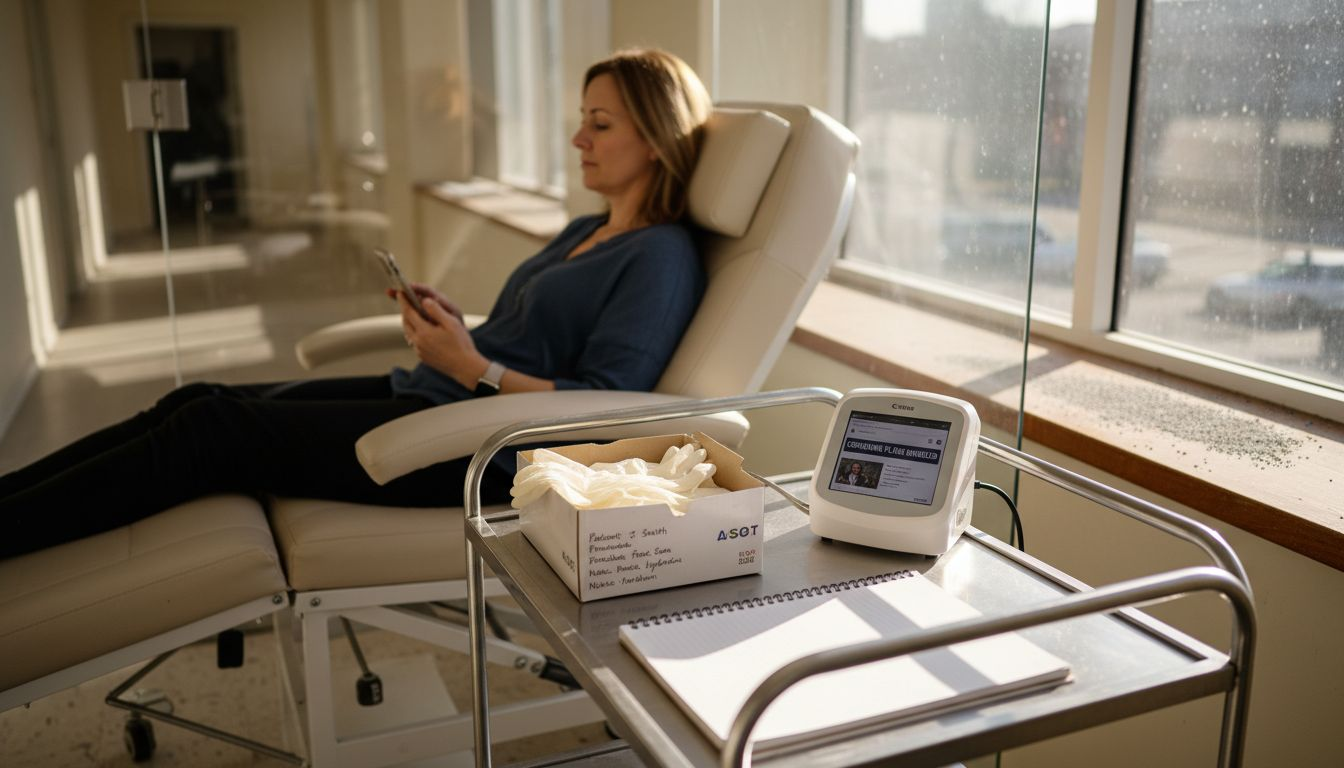
The non-invasive treatment spectrum has expanded dramatically, offering nuanced approaches that prioritise subtle, natural-looking enhancements. Regenerative medicine techniques now include advanced interventions such as polynucleotide injections, which encourage skin remodelling and hydration without surgical intervention. These treatments work by stimulating the body’s intrinsic healing mechanisms, promoting long-term skin rejuvenation rather than providing temporary cosmetic corrections.
Understanding the complexity of these treatments requires recognising their individualised nature. Each regenerative approach is carefully tailored to address specific skin concerns, considering factors like age, skin type, genetic predisposition, and lifestyle. Practitioners now employ sophisticated diagnostic tools and personalised treatment protocols to ensure maximum efficacy and minimal invasiveness.
Pro tip: When exploring regenerative treatments, request a comprehensive skin analysis and discuss your specific concerns to develop a truly personalised rejuvenation strategy.
Here is a comparison of leading regenerative treatments in 2025:
| Treatment Type | Key Benefit | Method |
|---|---|---|
| Platelet-Rich Plasma | Accelerates healing | Inject patient’s plasma |
| Stem Cell Therapy | Deep regeneration | Inject stem cells |
| Exosome Therapy | Boosts skin vitality | Topical or injectables |
| Polynucleotide Injections | Improves hydration | Micro-injections |
Technological innovations shaping patient care
The landscape of aesthetic medicine in 2025 is experiencing a technological revolution that fundamentally transforms patient care and treatment outcomes. Aesthetic medicine trends demonstrate an unprecedented integration of artificial intelligence, advanced diagnostic tools, and precision treatment technologies that are redefining personalised healthcare approaches.
Artificial intelligence has emerged as a cornerstone of modern aesthetic interventions, enabling practitioners to develop extraordinarily precise treatment strategies. AI-powered diagnostics now incorporate genetic testing, advanced facial mapping, and predictive modelling to create bespoke treatment plans tailored to individual physiological characteristics. These technologies allow for unprecedented levels of personalisation, moving beyond generic approaches to truly customised aesthetic solutions.
Technological innovations in aesthetic medicine are characterised by sophisticated combination therapies that integrate multiple treatment modalities. Treatment stacking has become a sophisticated approach, where practitioners strategically combine injectables, energy-based devices, and regenerative techniques to amplify therapeutic outcomes. This holistic methodology ensures comprehensive skin rejuvenation by addressing multiple cellular and structural aspects simultaneously.
The convergence of technological advancements has also significantly enhanced patient safety and treatment efficacy. Precision targeting technologies in laser and radiofrequency treatments now minimise collateral tissue damage, while advanced botulinum toxin formulations provide more natural, longer-lasting results. These innovations represent a paradigm shift from traditional aesthetic interventions towards scientifically rigorous, minimally invasive approaches that prioritise natural-looking enhancements.
Pro tip: Request a comprehensive technological assessment during your consultation to understand how cutting-edge diagnostic tools can personalise your aesthetic treatment plan.
Personalisation and holistic wellness in aesthetics
The aesthetic medicine landscape in 2025 has dramatically transformed, moving far beyond surface-level treatments towards a comprehensive approach that integrates individual wellness and personalised care. Holistic wellness trends now recognise the intricate connection between internal health and external appearance, creating treatment strategies that address physiological, psychological, and lifestyle factors.
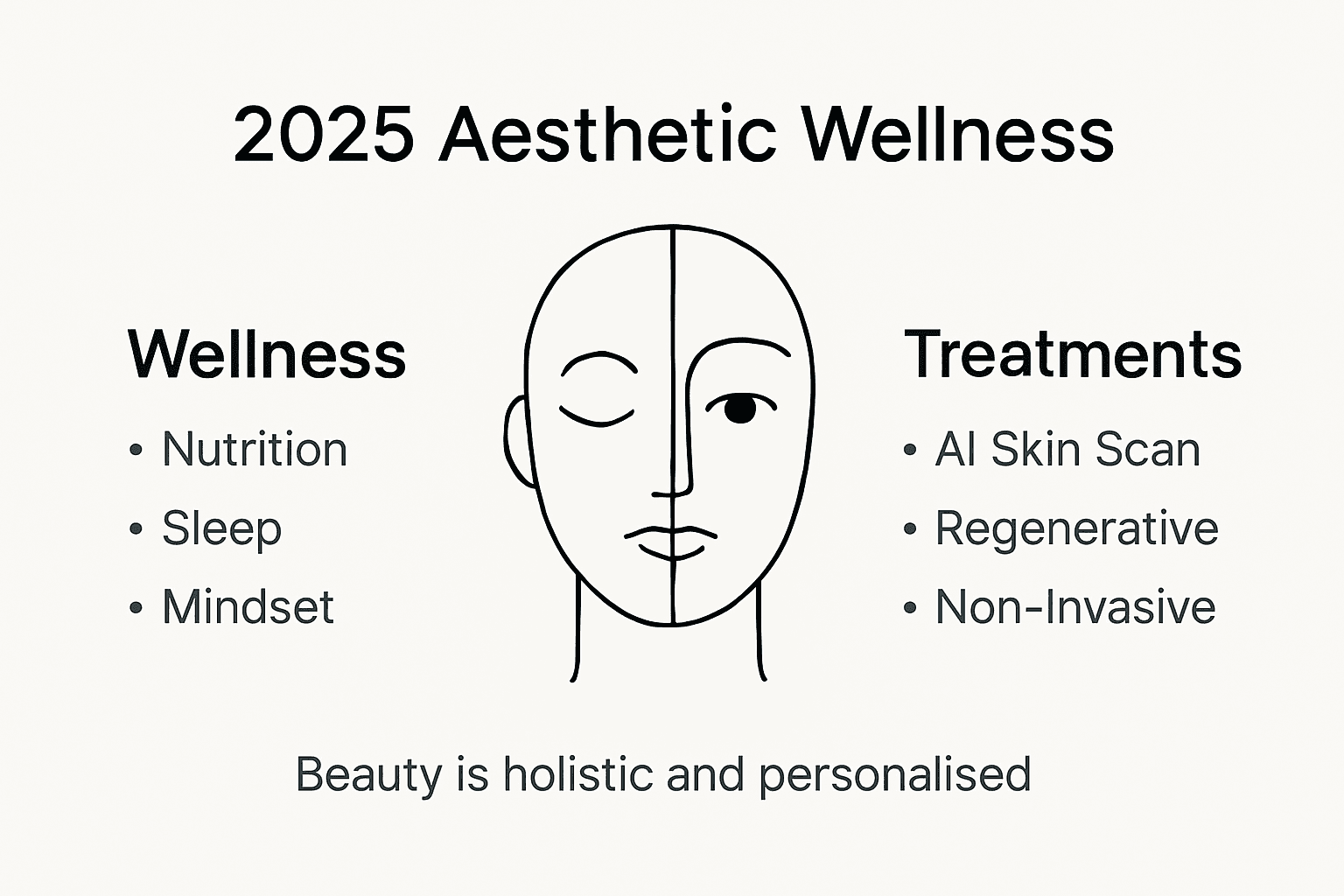
Genetic profiling and advanced diagnostic technologies have become foundational in developing bespoke aesthetic interventions. Practitioners now utilise sophisticated AI-driven assessments that incorporate detailed genetic testing, lifestyle insights, and comprehensive health evaluations to craft truly personalised treatment protocols. These innovative approaches enable precise targeting of individual skin concerns while simultaneously supporting overall physiological wellbeing.
Aesthetic medicine personalisation strategies in 2025 extend beyond traditional cosmetic considerations, integrating nutrition, stress management, sleep quality, and hormonal balance into treatment planning. Treatment stacking has emerged as a sophisticated methodology, allowing practitioners to develop multi-layered interventions that address interconnected health and aesthetic objectives simultaneously. This approach ensures that aesthetic treatments contribute not just to external appearance, but to a holistic sense of wellness and vitality.
The paradigm shift towards personalised wellness reflects a more nuanced understanding of beauty as an holistic concept. Clients now seek treatments that enhance natural features, support long-term health, and align with their individual physiological and emotional needs. This patient-centric approach represents a profound evolution in aesthetic medicine, transforming treatments from isolated cosmetic interventions to comprehensive wellness strategies.
Pro tip: During your next consultation, request a comprehensive wellness assessment that explores the interconnections between your lifestyle, genetics, and aesthetic goals.
Evolving safety standards and regulations
The aesthetic medicine industry in 2025 has undergone unprecedented regulatory transformation, prioritising patient safety and professional accountability. Government aesthetic treatment regulations now mandate comprehensive licensing schemes that significantly elevate practitioner standards and protect public health through rigorous oversight.
Mandatory licensing has become a cornerstone of the new regulatory landscape, requiring aesthetic practitioners to demonstrate extensive qualifications, professional insurance, and adherence to strict clinical protocols. High-risk procedures now require specific credentials, with practitioners mandated to operate exclusively within CQC-registered premises. This approach ensures that only thoroughly trained professionals can perform complex aesthetic interventions, dramatically reducing potential risks associated with unqualified operators.
Regulatory changes in aesthetic medicine introduce comprehensive standards that extend beyond traditional training requirements. From June 2025, mandatory face-to-face consultations preceding any treatment have been implemented, ensuring thorough patient assessment and informed consent. These regulations create clear professional progression pathways and establish consistent standards across medical and beauty salon environments, enhancing overall industry accountability.
The new regulatory framework represents a profound shift towards patient-centric care, recognising aesthetic treatments as medical interventions requiring sophisticated professional expertise. Age restrictions, enhanced emergency protocols, and stringent hygiene compliance have been integrated to protect vulnerable populations and maintain the highest possible treatment standards. These measures reflect a mature, responsible approach to aesthetic medicine that prioritises patient welfare over commercial interests.
Pro tip: Always verify your practitioner’s current professional credentials and CQC registration before undertaking any aesthetic procedure.
Below is a summary of essential new UK safety measures for aesthetic treatments in 2025:
| Regulation Change | Impact on Patients | Practitioner Requirements |
|---|---|---|
| Mandatory licensing | Safer care and oversight | Advanced qualifications and insurance |
| CQC-registered premises | Assured environment hygiene | Treatments only in approved clinics |
| Pre-treatment consultations | Better risk assessment | Mandatory face-to-face meetings |
| Age and emergency protocols | Increased patient protection | Must enforce age limits and be trained in emergencies |
Risks, costs, and mistakes to avoid
The aesthetic medicine landscape in 2025 demands unprecedented vigilance from potential patients, with significant health risks emerging from unregulated practices. Understanding the potential pitfalls is crucial for making informed decisions about aesthetic interventions, protecting both personal health and financial investment.
Cost considerations extend far beyond the initial treatment price. Patients must factor in potential corrective procedures, potential health complications, and long-term maintenance expenses. Choosing an unlicensed or under-qualified practitioner might seem financially attractive initially, but can lead to exponentially higher medical costs if complications arise. Reputable clinics with certified practitioners might charge higher upfront fees, but provide comprehensive aftercare and significantly reduced risk of adverse outcomes.
Urgent health warnings from regulatory bodies highlight the dangers of unregulated aesthetic treatments. Specific risks include unsterile treatment environments, inappropriate product selection, incorrect injection techniques, and potential long-term physiological damage. Young individuals are particularly vulnerable, with cross-border treatment seeking potentially circumventing essential age restrictions and safety protocols.
Navigating the aesthetic treatment landscape requires meticulous research and a cautious approach. Patients should prioritise practitioners with verifiable credentials, comprehensive insurance, and demonstrable expertise in their chosen intervention. Understanding the precise details of proposed treatments, potential side effects, and recovery expectations becomes paramount in mitigating risks and ensuring optimal outcomes.
Pro tip: Request comprehensive documentation of your practitioner’s qualifications, request to see before-and-after portfolios, and never compromise on safety for a lower price.
Unlock Your Natural Glow With Precision Treatments
Embrace the future of personalised aesthetics by addressing your unique skin needs through advanced, non-invasive solutions. If you are seeking to harmonise natural beauty with cutting-edge science, discover how our expert team integrates AI-assisted diagnostics and evidence-based protocols to design bespoke rejuvenation plans just for you. From subtle anti-ageing enhancements to sophisticated regenerative therapies, every treatment aims to stimulate your skin’s natural vitality safely and effectively.
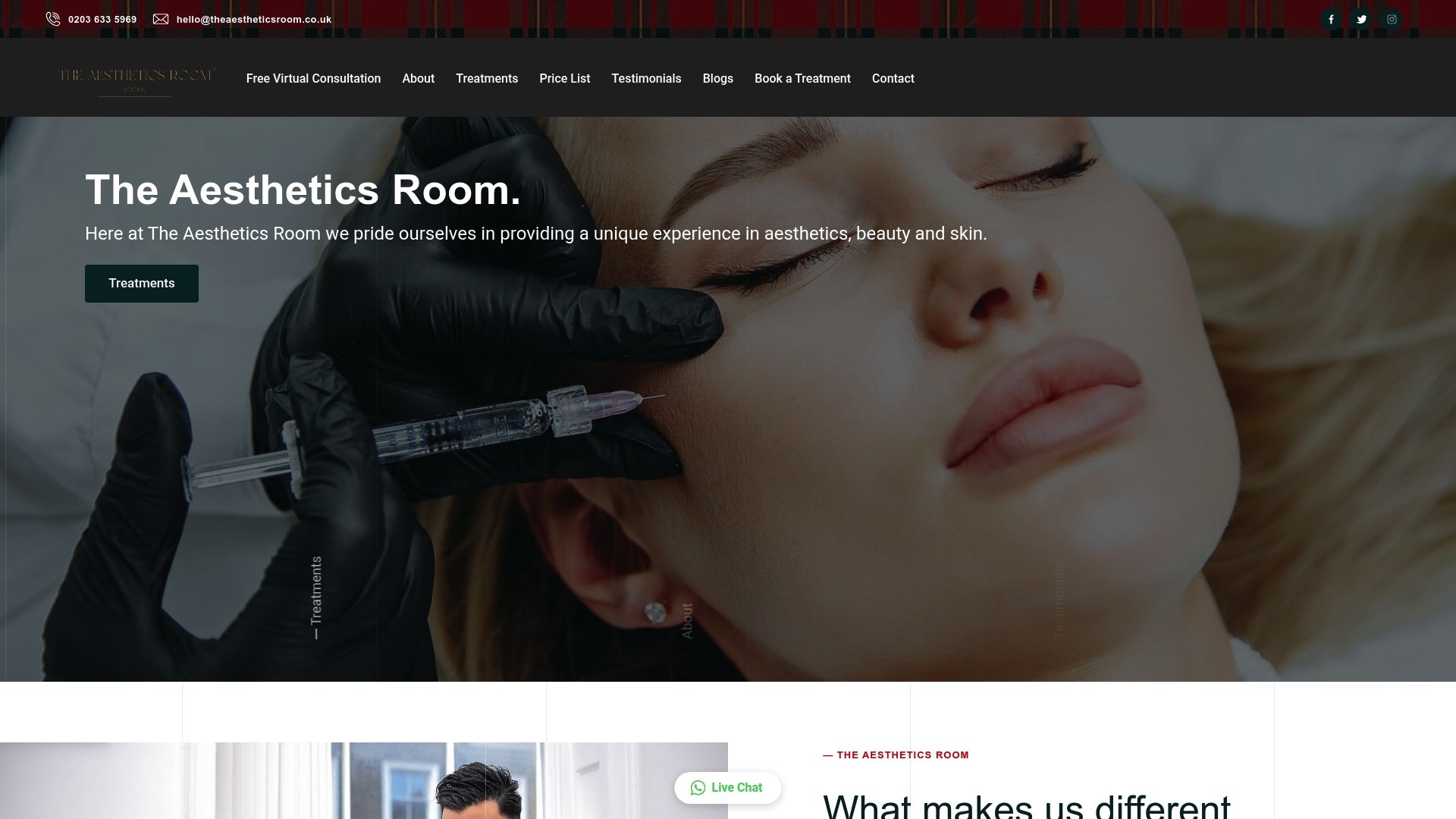
Take the first step today by booking a comprehensive Consultation with one of our skilled practitioners in Knightsbridge or explore our range of Advanced Injectables – The Aesthetics Room for personalised aesthetic solutions tailored to your goals. Learn more about our trusted approach and services at The Aesthetics Room and elevate your natural beauty with confidence.
Frequently Asked Questions
What are the key aesthetic trends emerging in 2025?
The key trends in 2025 focus on personalised, science-driven skin rejuvenation, integrating advanced technologies like artificial intelligence, minimally invasive treatments, and wellness-integrated aesthetic solutions that prioritise natural beauty.
How do precision skin analysis and AI enhance aesthetic treatments?
Precision skin analysis and AI enable practitioners to create highly tailored treatment plans based on individual skin mapping and genetic profiles, ensuring more accurate and effective recommendations for aesthetic enhancements.
What types of regenerative treatments are popular in 2025?
Popular regenerative treatments include Platelet-Rich Plasma (PRP) therapies, stem cell therapies, exosome treatments, and polynucleotide injections, all aimed at stimulating the body’s natural healing processes for long-lasting skin rejuvenation.
How have safety standards and regulations changed in the aesthetics industry?
New regulations now mandate comprehensive licensing for practitioners, requiring them to operate in CQC-registered premises and conduct mandatory face-to-face consultations to ensure patient safety, informed consent, and high-quality treatment.