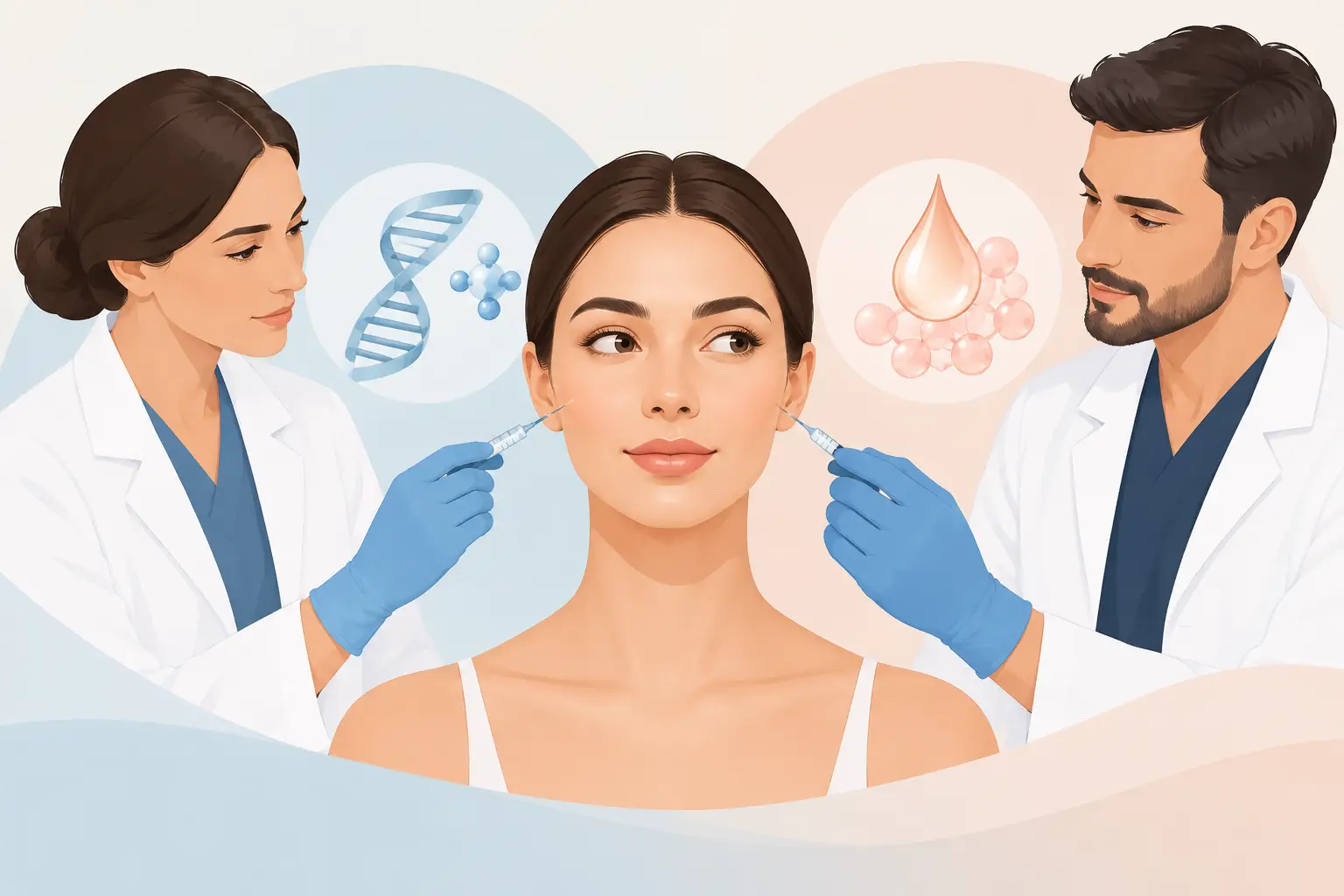


Booking a medical aesthetic treatment in the United Kingdom can feel daunting with so many practitioners, clinics, and procedures to choose from. Your health, confidence, and results all depend on decisions made before you even step into the treatment room. With the right approach, you can protect yourself from risks and achieve real, lasting improvement. This straightforward guide unlocks the key practices that trusted professionals recommend, from choosing accredited clinics to planning effective aftercare. As you read on, you will gain clear, actionable steps proven to make every stage of your aesthetic journey safer and more rewarding.
Table of Contents
- 1. Choose Accredited and Experienced Practitioners
- 2. Prioritise Personalised Consultation and Assessment
- 3. Understand Treatment Options and Their Benefits
- 4. Emphasise Safety and Hygiene Standards
- 5. Set Realistic Expectations and Goals
- 6. Plan Aftercare for Lasting Results
- 7. Stay Informed About New Techniques and Trends
Quick Overview
| Key Insight | Explanation |
|---|---|
| 1. Choose Accredited Practitioners | Ensure your practitioner has verified credentials and specialised experience to safeguard your health and aesthetic goals. |
| 2. Prioritise Personalised Consultations | A tailored consultation considers your unique skin characteristics and goals, leading to more effective treatments. |
| 3. Understand Treatment Options | Knowledge of various treatments empowers you to make informed choices that align with your aesthetic aspirations. |
| 4. Emphasise Safety and Hygiene | Select clinics that prioritise strict safety protocols for a secure aesthetic experience and effective results. |
| 5. Plan Aftercare for Longevity | Comprehensive aftercare is essential for maintaining the results of treatments and ensuring optimal recovery. |
1. Choose Accredited and Experienced Practitioners
Navigating the world of medical aesthetics requires selecting practitioners who demonstrate both professional credibility and proven expertise. When considering cosmetic treatments your safety and confidence depend critically on the qualifications of the professionals delivering your care.
In the United Kingdom medical aesthetic practitioners must meet rigorous standards set by regulatory bodies. Key criteria for selecting a high-quality practitioner include:
- Verified medical credentials from recognised institutions
- Current registration with professional bodies like the General Medical Council
- Specialised training in aesthetic procedures
- Documented experience performing specific treatments
- Positive patient testimonials and documented outcomes
Choosing an accredited practitioner is not merely about credentials it is about entrusting your health and aesthetic goals to a true professional.
The patient journey in medical aesthetics involves comprehensive consultation and personalised care. An experienced practitioner will offer transparent discussions about potential risks realistic expectations and tailored treatment plans.
Professional credentials serve as your primary safeguard. Look for practitioners affiliated with recognised organisations such as the British Association of Aesthetic Plastic Surgeons (BAAPS) or the Joint Council for Cosmetic Practitioners. These memberships indicate commitment to ongoing education ethical standards and patient safety.
Practical Verification Steps:
- Request to view practitioner certifications
- Check professional registration status online
- Review before-and-after treatment portfolios
- Schedule an initial consultation to assess communication and expertise
Pro tip: Always schedule an initial consultation to personally assess the practitioner’s communication style expertise and your comfort level before committing to any aesthetic procedure.
2. Prioritise Personalised Consultation and Assessment
In medical aesthetics a one-size-fits-all approach is fundamentally flawed. Your aesthetic journey is deeply personal involving unique skin characteristics medical history individual goals and emotional expectations.
A comprehensive beauty consultation process serves as the critical foundation for safe effective aesthetic treatments. This initial interaction allows practitioners to understand your specific needs and develop a tailored treatment strategy.
Key elements of a robust personalised consultation include:
- Detailed medical history review
- Skin type and condition assessment
- Discussion of aesthetic goals and expectations
- Identification of potential treatment risks
- Customised recommendations based on individual profile
A personalised consultation is not just a procedural step it is your pathway to achieving confident transformative results.
Why Personalisation Matters:
Every individual’s skin tells a unique story. Factors such as age genetics lifestyle stress levels and previous treatments dramatically influence how your body responds to aesthetic interventions. A skilled practitioner recognises these nuanced differences and designs treatments that respect your biological individuality.
Consultation Best Practices:
- Prepare a comprehensive list of your medical history
- Be transparent about current medications
- Share previous aesthetic treatment experiences
- Articulate clear aesthetic objectives
- Ask detailed questions about proposed treatments
Pro tip: Bring photographs showing your skin at different times and angles to help your practitioner develop a more comprehensive understanding of your aesthetic journey.
3. Understand Treatment Options and Their Benefits
Navigating the landscape of medical aesthetic treatments requires comprehensive knowledge and strategic understanding. Your journey towards enhanced confidence begins with recognising the diverse range of treatment options available to address your specific aesthetic goals.
Modern aesthetic medicine offers an impressive array of non-invasive and minimally invasive treatments designed to address multiple skin concerns. Expert skin treatment tips can help you understand the nuanced approaches to aesthetic enhancement.
Treatment categories include:
- Injectables (dermal fillers and muscle relaxants)
- Skin rejuvenation procedures
- Body contouring techniques
- Facial revitalisation protocols
- Pigmentation correction treatments
- Collagen stimulation therapies
Understanding your treatment options is not just about aesthetics it is about empowering yourself with knowledge and confidence.
Treatment Benefit Categories:
- Aesthetic Improvements: Reducing fine lines restoring volume enhancing facial symmetry
- Functional Benefits: Improving skin texture boosting collagen production addressing uneven pigmentation
- Psychological Advantages: Increasing self-confidence enhancing personal presentation reducing age-related insecurities
Practical Evaluation Steps:
- Research different treatment methodologies
- Consult with qualified aesthetic practitioners
- Understand potential outcomes and recovery periods
- Assess individual suitability for specific treatments
- Consider long-term maintenance requirements
Pro tip: Request visual documentation and detailed explanations of potential treatment outcomes during your initial consultation to set realistic expectations and understand the comprehensive benefits of each aesthetic intervention.
4. Emphasise Safety and Hygiene Standards
In medical aesthetics safety is not a luxury it is an absolute necessity. Your health and wellbeing depend entirely on selecting practitioners and clinics that adhere to the most stringent safety protocols and hygiene standards.
Clinics registered with the Care Quality Commission represent the gold standard in patient protection and professional excellence. These registered facilities undergo rigorous inspections to ensure comprehensive patient safety.
Key Safety and Hygiene Indicators:
- Current professional registration and credentials
- Sterile treatment environments
- Comprehensive infection control protocols
- Individual practitioner qualifications
- Regular equipment and facility maintenance
- Transparent medical history assessment procedures
Safety in medical aesthetics is not about perfection it is about consistent professional commitment to patient welfare.
Critical Safety Verification Steps:
- Request practitioner professional credentials
- Verify clinic CQC registration status
- Inspect treatment room cleanliness
- Review sterilisation procedures
- Understand emergency response protocols
Fundamental Hygiene Principles:
- Equipment Sterilisation: Single-use instruments and thorough sterilisation techniques
- Personal Protective Equipment: Practitioners using appropriate protective gear
- Environmental Control: Maintaining clean controlled treatment spaces
- Patient Screening: Comprehensive health assessments before treatments
Pro tip: Always request a facility tour and do not hesitate to ask detailed questions about their infection control and safety management procedures during your initial consultation.
5. Set Realistic Expectations and Goals
In medical aesthetics understanding the delicate balance between aspiration and achievable outcomes is fundamental to a satisfying treatment experience. Your aesthetic journey is deeply personal and requires nuanced expectations aligned with scientific possibilities.
Practitioners recommend clear communication about treatment potential and individual biological limitations during initial consultations.
Expectation Management Principles:
- Acknowledge individual skin and body characteristics
- Understand treatment capabilities and limitations
- Recognise natural aging and healing processes
- Accept incremental aesthetic improvements
- Appreciate subtle transformative results
Realistic expectations transform aesthetic treatments from mere procedures into personalised journeys of self-enhancement.
Factors Influencing Treatment Outcomes:
- Genetic predisposition
- Age and skin condition
- Overall health status
- Lifestyle factors
- Previous aesthetic interventions
Goal-Setting Strategies:
- Discuss comprehensive medical history
- Review photographic evidence of previous treatments
- Understand potential recovery timelines
- Evaluate multiple treatment approach options
- Create staged treatment plans
Key Psychological Considerations:
- Emotional Alignment: Matching aesthetic goals with realistic outcomes
- Psychological Preparedness: Understanding treatment impact
- Patience: Recognising gradual transformation processes
- Adaptability: Being open to professional recommendations
Pro tip: Request visual documentation of potential treatment results and discuss a comprehensive timeline for achieving your aesthetic objectives during your initial consultation.
6. Plan Aftercare for Lasting Results
Medical aesthetic treatments represent a significant investment in your personal confidence and appearance. Comprehensive aftercare is not merely a recommendation it is the critical bridge between professional intervention and sustained aesthetic excellence.
Aftercare planning supports optimal recovery and ensures the longevity of your aesthetic enhancements.
Key Aftercare Components:
- Detailed post-treatment recovery instructions
- Personalised skincare recommendations
- Follow-up consultation scheduling
- Symptom monitoring protocols
- Long-term maintenance strategies
Effective aftercare transforms aesthetic treatments from temporary interventions into lasting transformative experiences.
Comprehensive Aftercare Stages:
- Immediate post-treatment recovery management
- Short-term healing and protection
- Medium-term result stabilisation
- Long-term maintenance and enhancement
- Periodic professional reassessment
Essential Aftercare Considerations:
- Hydration Management: Maintaining optimal skin moisture levels
- Protection Strategies: Implementing sun protection and skin defence
- Nutritional Support: Understanding diet’s role in healing
- Activity Modifications: Temporary lifestyle adjustments
Recommended Recovery Practices:
- Avoid intense physical activities
- Use prescribed skincare products
- Minimise direct sun exposure
- Stay hydrated
- Follow recommended rest periods
Pro tip: Create a dedicated aftercare calendar with specific instructions and reminders to ensure you follow your practitioner’s guidance meticulously during the critical post-treatment phase.
7. Stay Informed About New Techniques and Trends
The landscape of medical aesthetics evolves rapidly with technological advancements and innovative treatment methodologies. Staying informed is not merely about curiosity but represents a strategic approach to maintaining your aesthetic wellness and confidence.
The medical aesthetic industry continuously introduces groundbreaking techniques that can significantly enhance treatment precision and patient outcomes. Key Information Channels:
- Professional medical aesthetic conferences
- Peer-reviewed scientific publications
- Reputable aesthetic medicine journals
- Professional development workshops
- Accredited online learning platforms
Knowledge in aesthetic medicine is power the more you understand the better your treatment decisions become.
Strategic Learning Approaches:
- Subscribe to professional aesthetic publications
- Attend industry seminars and webinars
- Follow certified practitioners on professional networks
- Engage with accredited medical aesthetic organisations
- Participate in patient education programmes
Information Verification Strategies:
- Source Credibility: Prioritise information from certified medical professionals
- Scientific Validation: Seek evidence-based research
- Technological Understanding: Learn about emerging treatment technologies
- Comparative Analysis: Compare multiple professional perspectives
Emerging Trend Categories:
- Non-invasive body contouring techniques
- Advanced skin rejuvenation technologies
- Personalised aesthetic genetic assessments
- Holistic wellness integration
- Precision targeted treatments
Pro tip: Create a dedicated digital folder or bookmarking system to systematically organise and track the most recent developments in medical aesthetic treatments for easy future reference.
Below is a comprehensive table summarising the key strategies for choosing an accredited practitioner, personalising aesthetic consultations, understanding treatment options, ensuring safety and hygiene, setting realistic goals, planning aftercare, and staying informed, as discussed throughout the article.
| Topic | Highlights | Key Takeaways |
|---|---|---|
| Accredited Practitioners | Verify credentials, ensure professional registration, assess testimonials and experience. | Prioritising informed selection ensures safety and expertise. |
| Personalised Consultations | Conduct detailed consultation focusing on medical history, goals, and skin assessment. | Tailored strategies address specific needs effectively and safely. |
| Treatment Options | Diverse treatments like injectables, rejuvenation, and contouring. | Understanding options empowers informed and confident choices. |
| Safety and Hygiene | Verify sterile environments and safety protocols; check credentials. | Ensuring adherence to strict standards protects health and well-being. |
| Realistic Goals | Understand biological factors and communicate expectations clearly. | Achievable goals ensure satisfaction with transformative results. |
| Aftercare Planning | Follow prescribed recovery protocols and schedule follow-ups. | Structured aftercare sustains and enhances treatment outcomes. |
| Staying Informed | Leverage credible sources for the latest in aesthetic medicine. | Awareness of current techniques ensures informed decisions. |
This table provides insight into the outlined areas for informed decision-making in medical aesthetic practices.
Elevate Your Confidence with Expert Medical Aesthetic Care
Embarking on your journey to enhanced confidence requires more than just treatments it demands personalised, safe, and expertly delivered solutions aligned with best practices like thorough consultations and clear goal-setting. At The Aesthetics Room, you can trust practitioners who prioritise your unique needs while upholding the highest standards of safety and professionalism. Explore our range of Advanced Injectables to experience precise and natural enhancements or revitalise your appearance with our curated Skin Treatments tailored to your skin’s individual story.
Discover how bespoke care in London’s prestigious Knightsbridge, Harley Street and Mayfair locations transforms aesthetic aspirations into confident realities. Act now to secure your personalised consultation and begin your seamless journey with London’s trusted experts. Visit The Aesthetics Room and take the first step towards lasting confidence today.
Frequently Asked Questions
What should I look for when choosing a medical aesthetic practitioner?
To ensure quality care, select a practitioner with verified medical credentials, current professional registration, specialised training in aesthetic procedures, and positive patient testimonials. Request to view certifications and check their backgrounds before making an appointment.
How can I ensure my consultation is personalised to my needs?
A personalised consultation includes a thorough review of your medical history, skin condition assessment, and discussions about your aesthetic goals. Prepare a list of your medical history and specific objectives to facilitate a customised treatment strategy.
What are the main types of treatments available in medical aesthetics?
Medical aesthetics offers various treatment options, including injectables like dermal fillers, skin rejuvenation procedures, body contouring techniques, and collagen stimulation therapies. Research these options to understand which treatments align with your aesthetic goals.
How can I verify the safety and hygiene standards of a clinic?
Verify that the clinic is registered with the relevant regulatory bodies and that practitioners have current credentials. During your initial consultation, request a facility tour to inspect cleanliness and ask about their infection control protocols.
What are key factors to consider for realistic expectations after treatment?
Recognise that individual skin characteristics, age, and lifestyle will influence treatment outcomes. Have a candid discussion with your practitioner about potential results, recovery times, and the need for follow-up treatments to set achievable goals.
How can I maintain the results of my aesthetic treatment?
Comprehensive aftercare is vital for maintaining your results. Follow the post-treatment instructions provided by your practitioner, stay hydrated, and protect your skin from sun exposure. Schedule follow-up consultations to ensure continued care and monitor your treatment’s longevity.
Recommended
- What Is Medical Aesthetics? Enhancing Confidence Safely – The Aesthetics Room
- Ethics in Medical Aesthetics – Why Safety Matters – The Aesthetics Room
- Why Medical Practitioners for Aesthetics Matter – The Aesthetics Room
- 7 Key Steps for a Successful Aesthetic Consultation Checklist – The Aesthetics Room