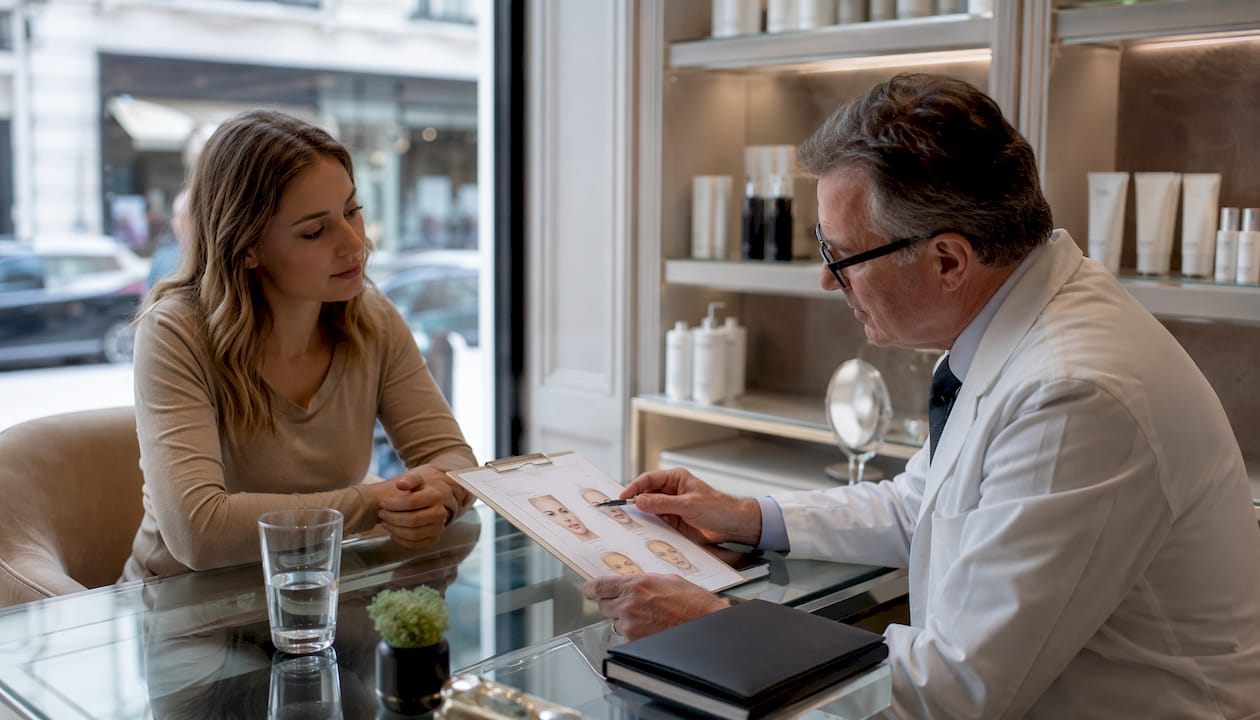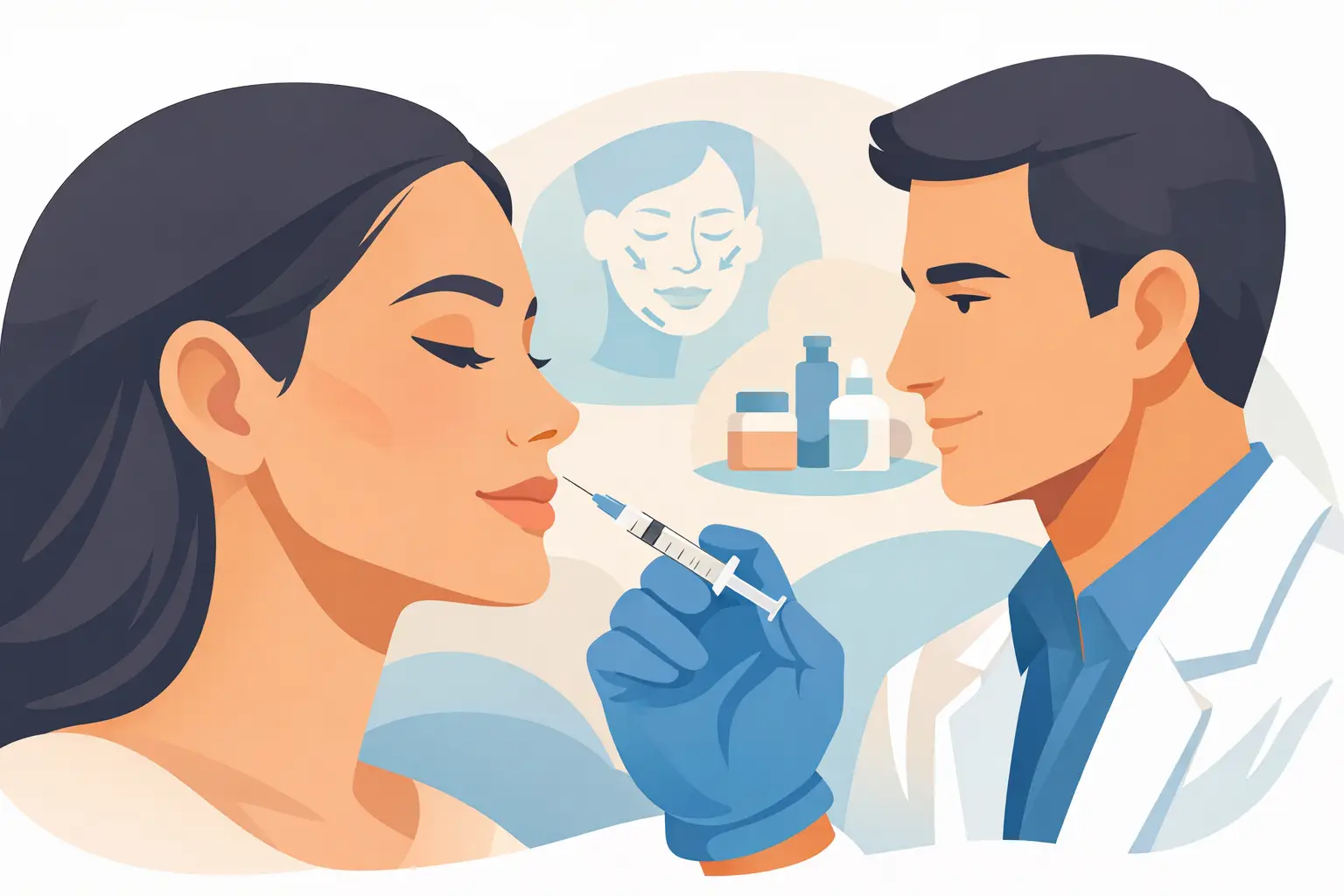
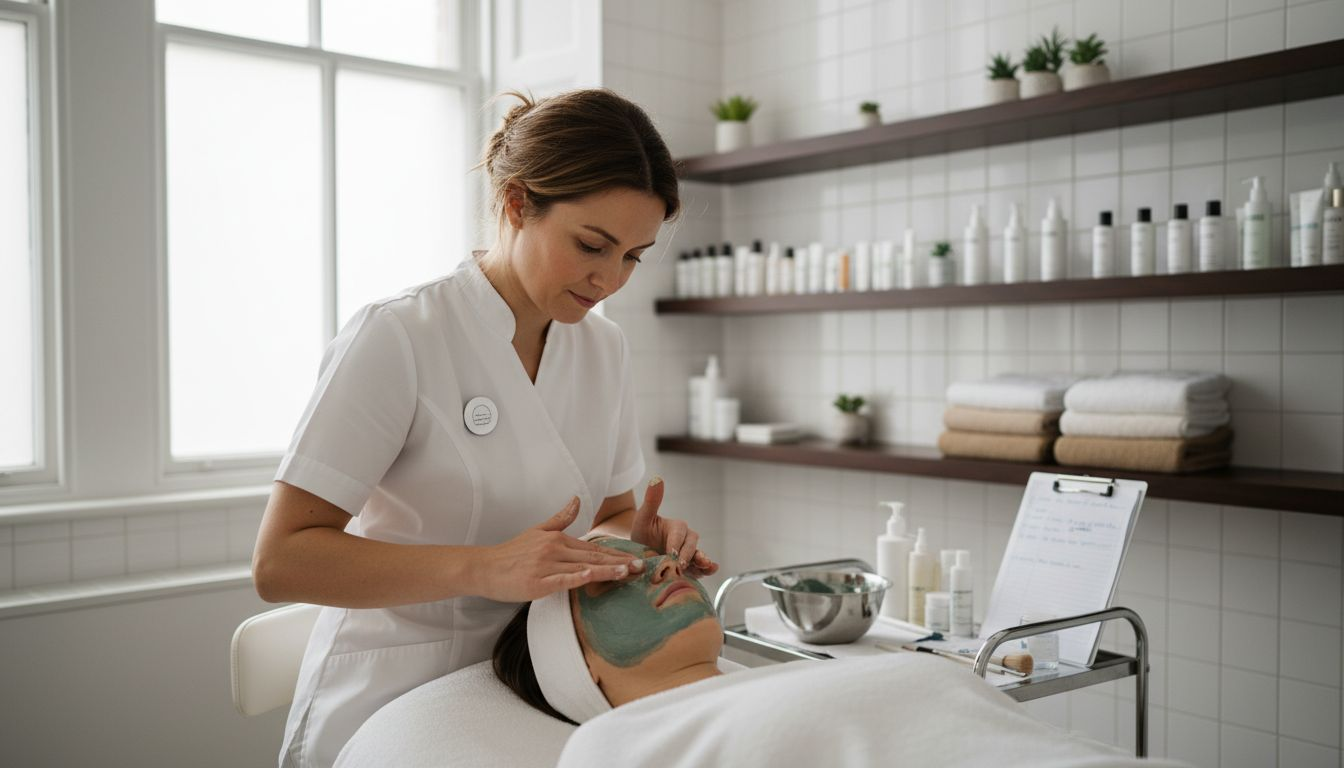

Choosing a clinical facial treatment should feel as tailored and exclusive as your favourite British bespoke service. For those in London who value advanced skincare, navigating the world of non-invasive procedures means more than simply chasing youth—it is about securing healthy, radiant skin with total peace of mind. This guide offers insights into the world of personalised clinical facial treatments, explaining the latest safe and accredited approaches that deliver genuine transformation while maintaining the highest professional standards.
Table of Contents
- Clinical Facial Treatments Explained
- Types of Clinical Facial Procedures
- Key Features And Expected Outcomes
- UK Regulation And Practitioner Standards
- Risks And Common Mistakes To Avoid
Key Takeaways
| Point | Details |
|---|---|
| Clinical Facial Treatments are Advanced Procedures | They offer targeted skin enhancement strategies to address specific dermatological concerns effectively. |
| Personalised Treatment Plans are Essential | A thorough skin assessment is crucial for tailoring interventions to individual needs and ensuring optimal results. |
| Regulatory Standards Ensure Patient Safety | Compliance with UK regulations provides assurance of practitioner qualifications and treatment safety. |
| Awareness of Risks is Critical | Understanding potential complications helps patients make informed decisions when considering clinical facial treatments. |
Clinical facial treatments explained
Clinical facial treatments represent sophisticated skin enhancement strategies designed to address specific dermatological concerns while maintaining the highest safety standards. Advanced dermatological interventions encompass a range of targeted procedures that go beyond traditional skincare routines.
These professional treatments typically involve multiple approaches tailored to individual skin needs, focusing on comprehensive rejuvenation and targeted problem resolution. Key treatment categories include:
- Chemical peels: Removing outer skin layers to stimulate cellular regeneration
- Microdermabrasion: Mechanical exfoliation targeting skin texture and tone
- Laser therapies: Precision treatments addressing pigmentation and skin resurfacing
- Dermaplaning: Gentle skin smoothing using specialized surgical instruments
Each clinical facial treatment follows rigorous professional standards established by medical regulatory bodies. Professional cosmetic intervention guidelines mandate comprehensive patient consultation, informed consent, and transparent communication about potential outcomes and associated risks.
The most effective clinical facials integrate multiple techniques, addressing both intrinsic and extrinsic ageing processes. Practitioners assess individual skin characteristics, lifestyle factors, and specific concerns to develop personalised treatment protocols that deliver optimal rejuvenation results.
Pro tip: Always request a comprehensive skin assessment before committing to any clinical facial treatment to ensure the most appropriate and personalised approach.
Types of clinical facial procedures
London’s advanced aesthetic clinics offer a diverse range of non-surgical cosmetic procedures designed to address specific skin concerns and enhance natural beauty. These sophisticated treatments combine cutting-edge technology with precision techniques to deliver targeted skin rejuvenation.
Clinical facial procedures can be broadly categorised into several key treatment types:
- Injectables: Botulinum toxin and dermal fillers for wrinkle reduction and volume restoration
- Resurfacing treatments: Chemical peels and laser therapies targeting skin texture and tone
- Energy-based procedures: Radiofrequency and ultrasound treatments for skin tightening
- Hydration therapies: Advanced moisture-infusion techniques for deep skin nourishment
- Exfoliation procedures: Microdermabrasion and dermaplaning for skin renewal
Each treatment modality offers unique benefits, with practitioners combining multiple technologies to create comprehensive skin rejuvenation strategies. These multi-step approaches allow for personalised treatment protocols that address individual skin concerns with remarkable precision.
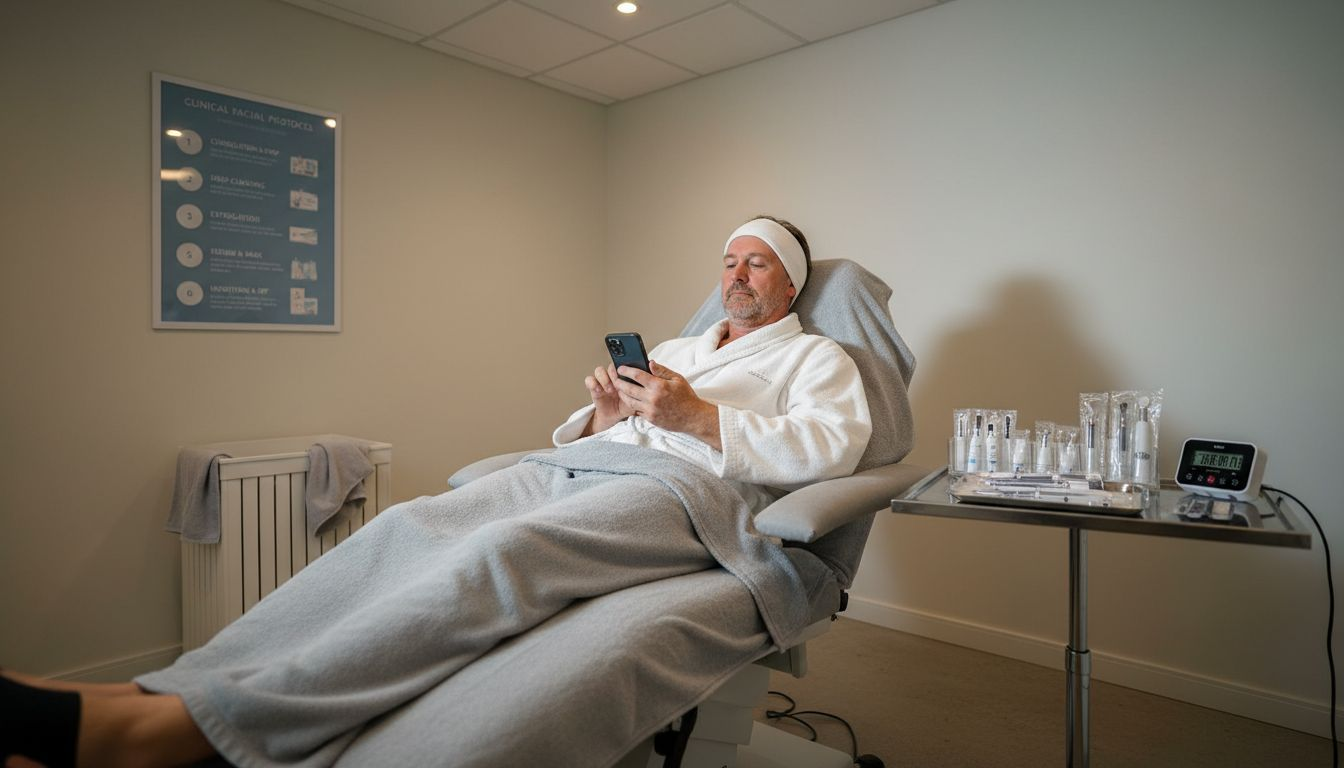
Modern clinical facial procedures go beyond simple aesthetic improvements, focusing on skin health, cellular regeneration, and long-term skin wellness. Practitioners conduct thorough consultations to design bespoke treatment plans that consider skin type, lifestyle factors, and specific rejuvenation goals.
Pro tip: Always verify a practitioner’s professional qualifications and ask to see before-and-after photographs of their previous clinical facial treatments to ensure optimal results.
The following table compares popular clinical facial treatment types and their primary applications:
| Treatment Type | Typical Application | Expected Benefit |
|---|---|---|
| Chemical Peels | Treating sun damage and hyperpigmentation | Brighter, more even skin tone |
| Microdermabrasion | Smoothing uneven skin texture | Softer, refreshed appearance |
| Laser Therapies | Reducing scarring and deep wrinkles | Firmer, rejuvenated skin |
| Dermaplaning | Removing peach fuzz and dead cells | Smoother surface, better glow |
| Injectables | Restoring facial volume and reducing lines | Plumper, younger-looking skin |
| Energy-based Procedures | Enhancing skin elasticity and tightness | Lifted, more toned features |
Key features and expected outcomes
Clinical facial treatments offer a sophisticated approach to skin enhancement, delivering targeted improvements that go far beyond traditional skincare routines. These advanced procedures are meticulously designed to address specific skin concerns while providing comprehensive rejuvenation strategies tailored to individual needs.
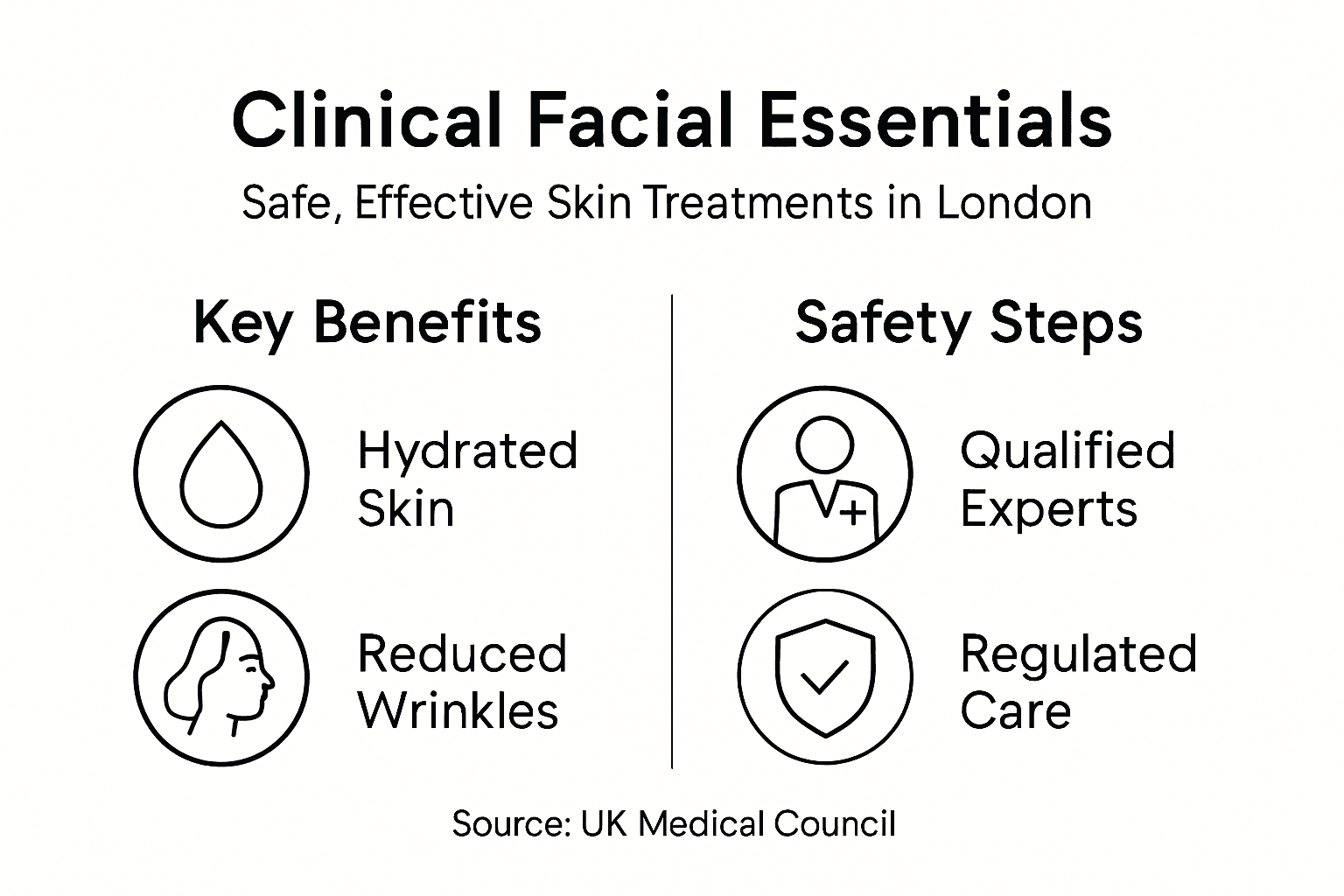
The key features of clinical facial procedures typically include:
- Precision targeting: Addressing specific skin issues with medical-grade techniques
- Personalised approach: Customised treatment plans based on individual skin analysis
- Minimal downtime: Most procedures allow immediate return to daily activities
- Long-lasting results: Improvements that extend beyond surface-level cosmetic changes
- Scientific foundation: Treatments backed by dermatological research and clinical evidence
Expected outcomes vary depending on the specific treatment, but generally encompass several transformative benefits:
- Improved skin texture and smoothness
- Reduction of fine lines and wrinkles
- Enhanced skin hydration and radiance
- Improved collagen production
- Refined skin tone and reduced pigmentation
Clinical facial treatments offer a scientifically advanced approach to skin rejuvenation, combining medical expertise with personalised aesthetic enhancement.
Patients can anticipate progressive improvements that extend beyond immediate visible changes. The most effective treatments work at a cellular level, stimulating natural skin regeneration processes and promoting long-term skin health.
Pro tip: Maintain a detailed consultation record and photographic documentation to track your skin’s progressive transformation and assess treatment effectiveness.
UK regulation and practitioner standards
The United Kingdom maintains rigorous non-surgical cosmetic procedure regulations to ensure patient safety and professional excellence in aesthetic treatments. These comprehensive guidelines protect consumers by establishing clear standards for practitioner qualifications and clinical practice.
Key regulatory requirements for clinical facial practitioners include:
- Professional registration: Mandatory certification with recognised medical bodies
- Continuous training: Regular professional development and skills updates
- Informed consent: Detailed patient consultation and risk explanation protocols
- Treatment documentation: Comprehensive record-keeping of procedures and patient history
- Insurance coverage: Professional indemnity insurance specific to aesthetic procedures
The national workforce training framework establishes critical competence standards across multiple dimensions:
- Technical skill assessment
- Patient communication capabilities
- Risk management understanding
- Ethical practice requirements
- Advanced clinical knowledge
Professional standards in aesthetic medicine are designed to protect patient welfare and maintain the highest levels of clinical integrity.
Regulatory bodies like the General Medical Council and Health Education England collaborate to create a comprehensive oversight system. This multi-layered approach ensures that practitioners operating in London and across the UK meet stringent professional and ethical standards, providing patients with confidence in their chosen aesthetic treatments.
Pro tip: Always verify a practitioner’s professional credentials and current registration status with official medical regulatory bodies before undergoing any clinical facial procedure.
Here is a summary of essential regulatory and practitioner standards for clinical facial procedures in the UK:
| Standard Area | Regulatory Requirement | Importance for Patients |
|---|---|---|
| Professional Registration | Certified by a recognised body | Ensures qualified practitioners |
| Ongoing Training | Continuous skill development | Maintains up-to-date expertise |
| Informed Consent | Clear patient consultation | Promotes safety and understanding |
| Treatment Documentation | Detailed record-keeping | Enables treatment tracking and safety |
| Insurance Coverage | Profession-specific indemnity cover | Protection in rare adverse situations |
Risks and common mistakes to avoid
Understanding potential risks is crucial when considering clinical facial treatments. Cosmetic intervention guidelines highlight the importance of comprehensive patient assessment and informed decision-making to mitigate potential complications.
Common risks in clinical facial procedures include:
- Allergic reactions: Unexpected responses to treatment substances
- Infection: Potential bacterial transmission during invasive procedures
- Uneven results: Asymmetry or inconsistent treatment outcomes
- Skin damage: Potential scarring or pigmentation changes
- Psychological impacts: Unrealistic expectations leading to dissatisfaction
Key mistakes patients and practitioners must avoid:
- Skipping comprehensive medical history review
- Choosing unqualified or unlicensed practitioners
- Neglecting proper aftercare instructions
- Overlooking potential contraindications
- Pursuing treatments without realistic outcome expectations
Professional aesthetic treatments require meticulous attention to patient safety and individual physiological considerations.
The government licensing consultation emphasises the critical need for regulated frameworks to minimise potential harms associated with aesthetic procedures. Understanding these risks empowers patients to make informed decisions and select highly qualified practitioners.
Pro tip: Request detailed documentation of potential risks and side effects during your initial consultation, and ensure you fully understand the procedure before proceeding.
Discover Safe and Effective Clinical Facials at The Aesthetics Room
If you are seeking clinically advanced facial treatments that prioritise safety and personalised care, explore our expert Skin Treatments – The Aesthetics Room. We understand the importance of precision targeting for concerns such as pigmentation, fine lines and skin texture. Our bespoke protocols are designed to rejuvenate your skin at a cellular level with minimal downtime, precisely as recommended in professional clinical facial guidelines.
Enhance your natural beauty confidently by booking a consultation today. Benefit from the expertise of our accredited specialists in London’s prestigious locations including Knightsbridge, Harley Street and Mayfair. Act now to secure your personalised skin assessment and embark on a journey to radiant, younger-looking skin. Visit The Aesthetics Room to learn more about our Advanced Injectables – The Aesthetics Room and Dermal Fillers – The Aesthetics Room solutions tailored for safe, high-quality skin enhancement.
Frequently Asked Questions
What are clinical facial treatments?
Clinical facial treatments are advanced skin enhancement procedures that address specific dermatological concerns, combining various techniques like chemical peels, microdermabrasion, and laser therapies to rejuvenate the skin safely.
How do I prepare for a clinical facial treatment?
Before undergoing a clinical facial treatment, it is essential to have a comprehensive skin assessment and discuss your medical history, skin concerns, and lifestyle factors with your practitioner to ensure the most appropriate and personalised approach.
What are the benefits of clinical facial treatments?
Clinical facial treatments can lead to improved skin texture, reduced fine lines and wrinkles, enhanced hydration, better skin tone, and long-lasting results that promote overall skin health and rejuvenation.
Are there any risks associated with clinical facial treatments?
Yes, potential risks include allergic reactions, infection, uneven results, skin damage, and psychological impacts from unrealistic expectations. It is crucial to discuss these risks with your practitioner during the consultation.
Recommended
- 7 Expert Professional Skin Treatment Tips for Radiant Results – The Aesthetics Room
- How to Choose Right Facial for Lasting Confidence – The Aesthetics Room
- What Is a Skin Clinic and Who Benefits Most? – The Aesthetics Room
- Role of Sunscreen in Aesthetics – Enhancing Skin Health – The Aesthetics Room