
TL;DR:
- Vascular laser uses specific wavelengths absorbed by blood to destroy unwanted vessels in the skin. It effectively treats conditions like thread veins, rosacea, and port wine stains through precise targeting and operator skill. Most patients need 3 to 6 sessions, with proper aftercare crucial for optimal results and safety.
Vascular laser is defined as a medical light technology that targets and destroys unwanted blood vessels in the skin by delivering specific wavelengths absorbed by haemoglobin. Clinically, the two most widely used systems are the Pulsed Dye Laser and the Nd:YAG laser, each calibrated to reach different vessel depths. These treatments address conditions ranging from facial thread veins and rosacea to port wine stains and haemangiomas. For anyone researching vascular laser treatment in the UK, understanding the science behind it is the clearest path to setting realistic expectations and choosing the right clinic.
How does vascular laser work to target blood vessels?
Vascular laser operates on a principle called selective photothermolysis. The laser emits light at a wavelength that haemoglobin, the red pigment in blood, absorbs preferentially. That absorption converts light into heat, which collapses the vessel wall. Surrounding skin tissue is largely unaffected because it does not absorb the same wavelength with the same intensity.
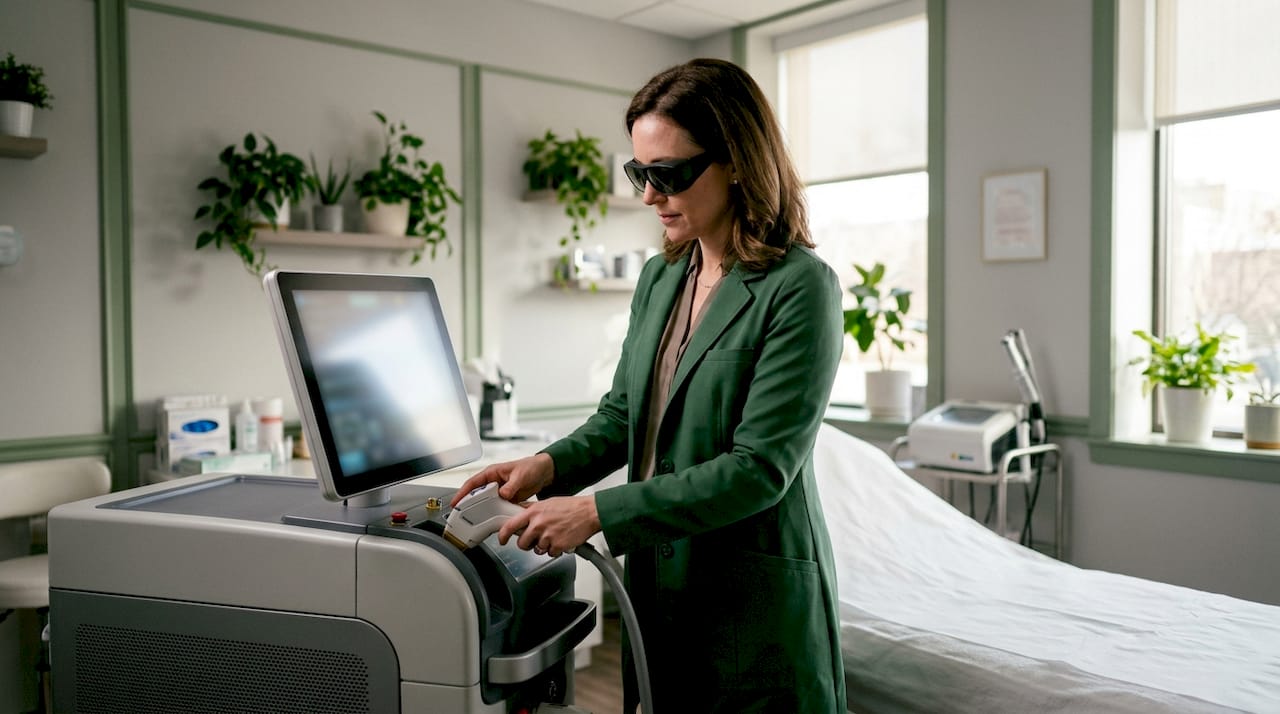
Wavelengths range from 532nm for superficial vessels near the skin surface to 1064nm for deeper vessels. The 595nm wavelength, used in Pulsed Dye Laser systems, sits between these two and is particularly effective for facial redness and thread veins. Choosing the correct wavelength is not guesswork. It requires a trained practitioner to assess vessel size, depth, and skin tone before selecting settings.
Laser settings such as fluence and pulse duration are matched to vessel characteristics to optimise results and minimise tissue damage. This is where operator skill matters most. An undertreated vessel simply does not respond. An overtreated one risks scarring or pigment change.
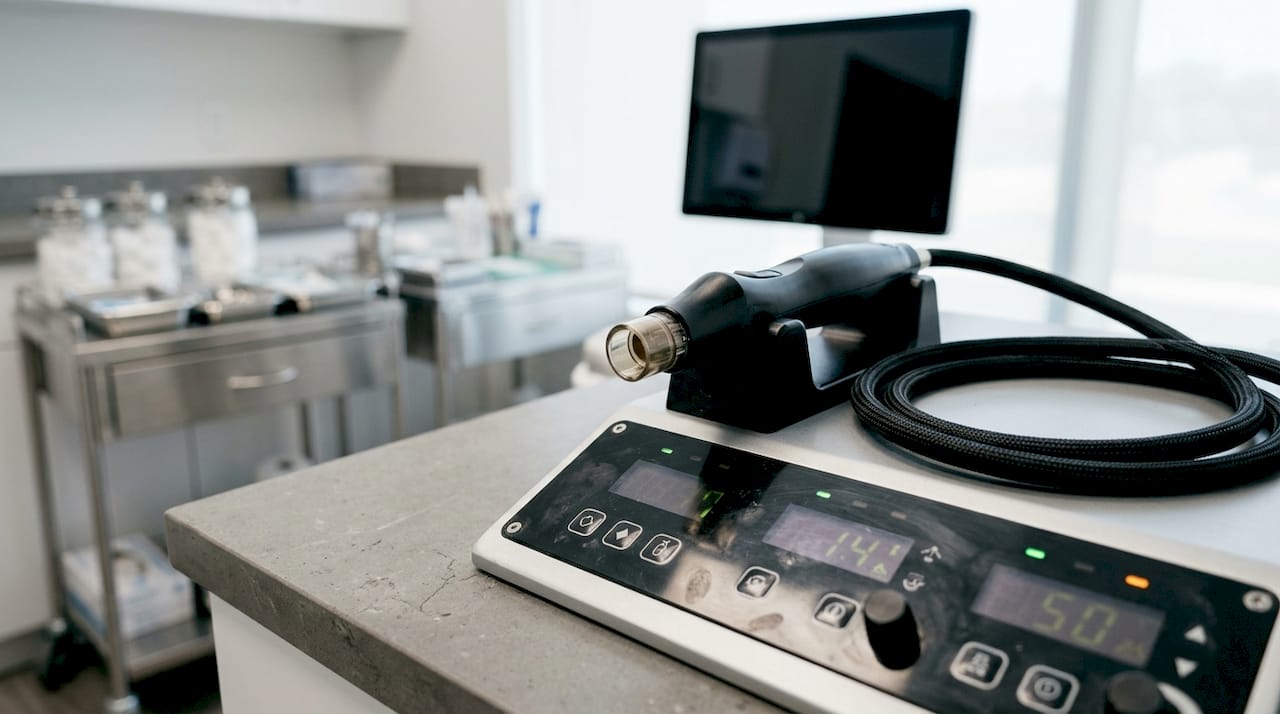
Cryogenic cooling systems protect the skin surface during each pulse. This cooling reduces discomfort and lowers the risk of surface burns, making the procedure safer and more tolerable for patients.
Pro Tip: Always ask your practitioner which laser system they use and why it suits your specific skin tone and vessel type. A practitioner who cannot answer that question clearly is not the right choice.
What vascular conditions can this treatment address?
Vascular laser for skin covers a broad range of both cosmetic and medical conditions. The key distinction is that cosmetic concerns affect appearance without posing a health risk, while medical conditions such as port wine stains may carry psychological or developmental implications.
Conditions commonly treated include:
- Facial thread veins (telangiectasia): fine red or purple vessels visible on the cheeks, nose, and chin
- Rosacea-related redness: persistent facial flushing and visible capillaries caused by chronic inflammation
- Port wine stains: vascular birthmarks that deepen in colour with age if left untreated
- Haemangiomas: benign vascular tumours that can appear on the face or body
- Spider naevi: clusters of small vessels radiating from a central point, common on the face and chest
- General facial redness: diffuse redness not linked to a specific diagnosis
Laser treatment is effective for port wine stains, facial thread veins, haemangiomas, and other abnormal vessel conditions, provided treatment is administered by trained medical professionals using appropriate equipment. The range of treatable conditions is wider than most patients realise when they first enquire.
One important limitation applies across all these conditions. Vascular laser reduces visible redness and thread veins in rosacea but does not cure the underlying condition. Rosacea is a chronic inflammatory disorder. The laser addresses its visible symptoms, not its root cause. Patients with rosacea should plan for ongoing management rather than a single course of treatment.
What can patients expect during a vascular laser treatment course?
Understanding the full treatment timeline prevents disappointment and helps patients commit to the process properly.
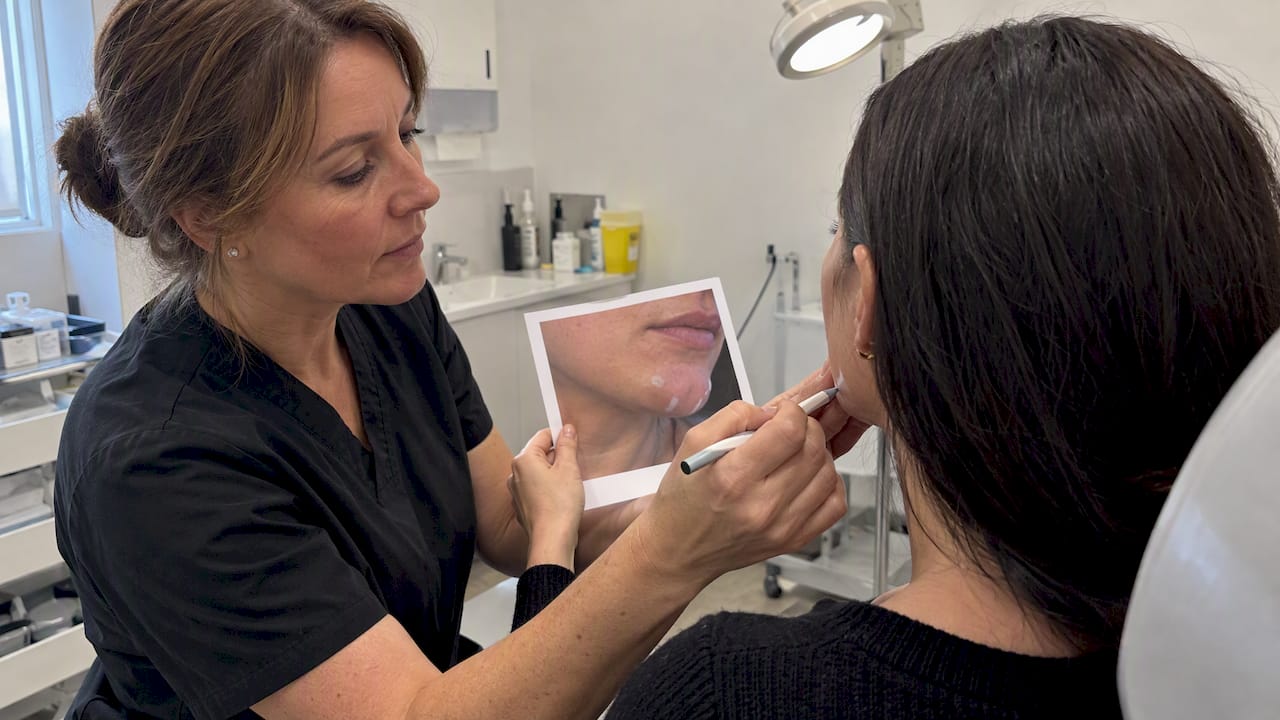
- Consultation and patch test: A trained practitioner assesses your skin, identifies the target vessels, and performs a patch test to confirm your skin responds safely to the laser settings planned.
- First treatment session: The laser handpiece is passed over the treatment area. Most patients describe the sensation as a mild sting or snap, similar to a rubber band flicking the skin. Patients can expect a mild stinging sensation during treatment, which is typically well tolerated.
- Immediate post-treatment: The skin may appear red or slightly swollen for 24–48 hours. This is a normal inflammatory response and settles quickly.
- Waiting for results: Initial improvement appears 2–4 weeks after a session as the body reabsorbs the collapsed vessels. Full results from a single session can take up to three months to become visible.
- Repeat sessions: A typical course requires 3–6 sessions spaced 4–8 weeks apart to achieve optimal clearance. Spacing allows tissue healing and vascular reabsorption between appointments.
- Maintenance: For conditions like rosacea, follow-up sessions every 6–12 months manage recurring symptoms long term.
Some patients notice noticeable improvement after even one session, but the best results require completing the full course. Stopping early is the most common reason patients feel underwhelmed by their outcomes.
Post-treatment care is straightforward but non-negotiable. Avoid direct sun exposure and apply a high-factor SPF daily. Do not use heat treatments such as saunas or steam rooms for at least a week after each session. Gentle skincare products only. For detailed guidance on post-treatment aftercare, following a structured protocol makes a measurable difference to your final result.
Pro Tip: Book your treatment course in autumn or winter when sun exposure is naturally lower. This reduces your pigmentation risk and means you will be fully healed and glowing by summer.
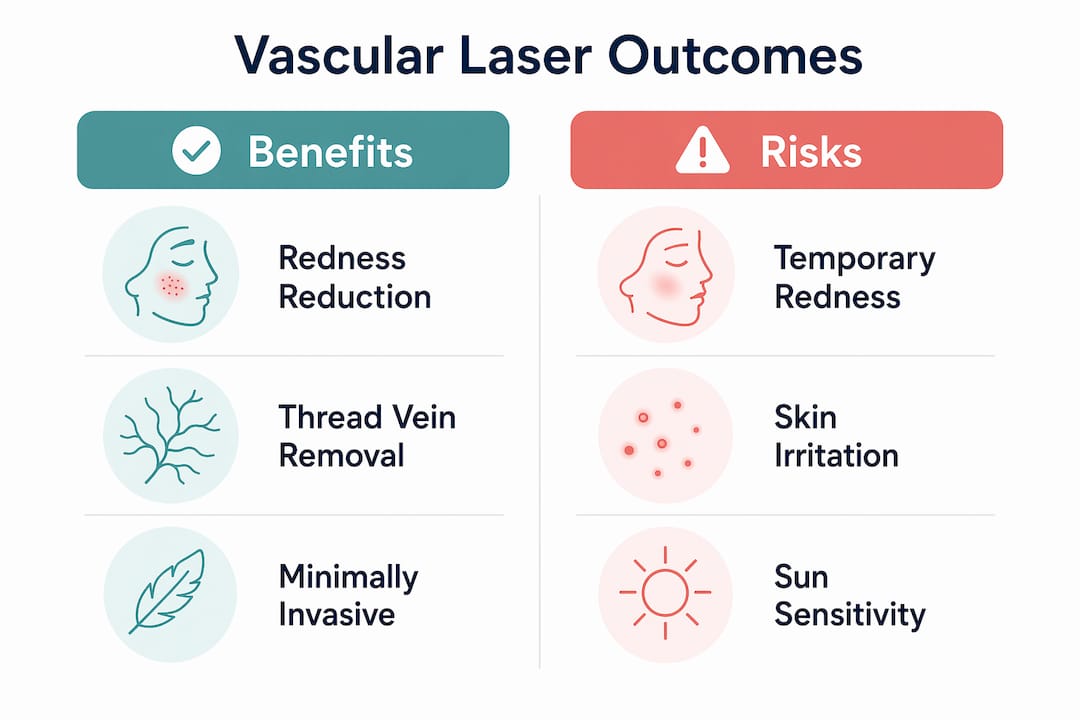
What are the benefits and potential risks of vascular laser treatments?
The benefits of vascular laser procedures are well established when treatment is performed correctly. The risks are real but manageable with proper patient selection and skilled technique.
| Benefit | Risk |
|---|---|
| Significant reduction in visible thread veins and redness | Temporary redness and swelling for 24–48 hours post-treatment |
| Improved overall skin tone and clarity | Pigmentation changes if treatment is performed on tanned skin |
| Minimally invasive with no surgical incisions | Rare risk of scarring if settings are incorrect or aftercare is poor |
| No downtime for most patients | Maintenance sessions required for chronic conditions like rosacea |
| Selective photothermolysis protects surrounding tissue | Results vary with skin tone and vessel depth |
The safety mechanism of selective photothermolysis enables effective targeting of abnormal vessels while preserving surrounding skin, provided the practitioner applies it correctly. This is the reason why operator experience is not optional. It is the single biggest variable in your outcome.
Sun exposure is the most commonly underestimated risk. Performing laser treatment on recently tanned skin significantly raises the risk of permanent hypo- or hyperpigmentation. The laser cannot reliably distinguish between the melanin in a tan and the haemoglobin in a vessel when both are competing for the same wavelength. Patients who arrive with a tan are routinely turned away at reputable clinics, and rightly so.
For broader context on laser safety in aesthetics, understanding how different laser types interact with skin is worth reading before any appointment.
How much does vascular laser treatment cost in the UK?
Vascular laser treatment is almost always self-funded in the UK. Cosmetic concerns like rosacea or facial thread veins are generally not funded by the NHS. Exceptions exist for certain medical conditions such as port wine stains in children, but these are assessed case by case.
For private treatment, typical costs as of 2026 are:
- Initial consultation: approximately £120
- Individual treatment sessions: from £150–£250 per session, depending on the area treated and the clinic
- Full course of 3–6 sessions: budget accordingly, as most patients require multiple sessions for meaningful clearance
When selecting a clinic, prioritise the following:
- Confirmation that a medically trained practitioner performs or directly supervises treatment
- A patch test offered before the first full session
- Clear written aftercare instructions provided at every appointment
- Transparent pricing with no pressure to commit to packages upfront
For context on how premium clinic pricing is structured in the aesthetics sector, the cost reflects equipment quality, practitioner training, and clinical governance. Choosing the cheapest option for a laser procedure is rarely the wisest decision.
Key takeaways
Vascular laser is a clinically proven, minimally invasive treatment that uses selective photothermolysis to reduce visible blood vessels and skin redness, with results that build progressively over a course of 3–6 sessions.
| Point | Details |
|---|---|
| Core mechanism | Selective photothermolysis heats haemoglobin in vessels without damaging surrounding skin tissue. |
| Wavelength selection matters | Wavelengths from 532nm to 1064nm target vessels at different depths; operator skill determines the right choice. |
| Realistic timeline | Initial results appear 2–4 weeks post-session; full clearance can take up to three months per session. |
| Sun avoidance is non-negotiable | Treating tanned skin significantly raises the risk of permanent pigmentation changes. |
| Maintenance is part of the plan | Conditions like rosacea require follow-up sessions every 6–12 months to manage recurring symptoms. |
Vascular laser: what I have learned from clinical practice
By Vishul
The question I hear most often is: “Will this fix my redness permanently?” The honest answer is that it depends entirely on what is causing the redness. For isolated thread veins with no underlying condition, a well-executed course of vascular laser can produce results that last years. For rosacea, the picture is different. The laser clears what is visible today, but the condition will produce new vessels over time. Patients who understand this from the outset are the ones who are happiest with their results.
The second thing I have noticed is that patients consistently underestimate the importance of aftercare. The laser does the work in the clinic. The skin does the healing at home. Sun protection, gentle products, and avoiding heat are not optional extras. They are part of the treatment. I have seen excellent laser work undone by a week’s holiday without SPF.
My strongest advice: choose your practitioner before you choose your clinic. The equipment matters, but the person operating it matters more. Ask about their training, their experience with your specific condition, and what happens if you have a reaction. A practitioner who welcomes those questions is one worth trusting. For anyone considering types of aesthetic lasers beyond vascular treatment, the same principle applies.
— Vishul
Vascular laser and beyond: treatments at Theaestheticsroom
Theaestheticsroom, based in Knightsbridge and accredited by the CQC, offers a range of advanced aesthetic treatments for patients seeking clinically sound, personalised care. Our practitioners work with each patient to build a treatment plan that addresses their specific concerns, whether that is visible thread veins, rosacea-related redness, or broader skin rejuvenation goals.
For patients exploring skin rejuvenation treatments alongside vascular laser, we also offer Botox and dermal fillers as part of a considered, combined approach to skin health. Every consultation begins with a thorough assessment, a patch test where appropriate, and a clear, honest conversation about what results are realistic for you. Book your consultation with Theaestheticsroom today and take the first step towards clearer, calmer skin.
FAQ
What is vascular laser used for?
Vascular laser is used to treat visible blood vessels and redness in the skin, including facial thread veins, rosacea, port wine stains, and haemangiomas. It works by heating haemoglobin in the targeted vessels, causing them to collapse and fade.
How many vascular laser sessions will I need?
Most patients require 3–6 sessions spaced 4–8 weeks apart for optimal results. Chronic conditions such as rosacea typically need maintenance sessions every 6–12 months to manage recurring symptoms.
Is vascular laser safe for all skin tones?
Vascular laser is safe across a range of skin tones when performed by a trained practitioner using appropriate settings. Darker skin tones require careful wavelength selection to avoid pigmentation changes, which is why a patch test before treatment is standard practice.
Does vascular laser treatment hurt?
Most patients describe the sensation as a mild sting or snap during each pulse, similar to a rubber band flicking the skin. Cryogenic cooling systems are used during treatment to reduce discomfort and protect the skin surface.
Is vascular laser available on the NHS?
Vascular laser for cosmetic concerns such as facial redness or thread veins is not funded by the NHS. Private treatment consultations typically cost around £120, with individual sessions from £150–£250 as of 2026.