
TL;DR:
- Modern laser technology offers precise, customizable skin treatments with proven safety and lasting results.
- Lasers stimulate collagen production to improve skin texture, reduce wrinkles, pigmentation, and scarring.
- Personalized assessment and expert care are essential for safe, effective laser skincare tailored to individual skin types.
Laser skincare carries a reputation that doesn’t always match reality. Many women assume these treatments are aggressive, risky, or reserved for extreme cases. The truth is quite different. Modern laser technology is remarkably precise, adaptable, and clinically proven to transform skin at every stage of life. Whether you’re managing fine lines, acne scarring, uneven pigmentation, or simply want a fresher, more luminous complexion, today’s lasers can be tailored to meet your exact needs. This guide unpacks the science, the safety, and the genuinely impressive results that evidence-backed laser treatments deliver for London women who refuse to compromise on quality or care.
Table of Contents
- How lasers work beneath the skin
- Top benefits of laser treatments for skin rejuvenation
- Matching lasers to your skin: a personalised approach
- Safety, comfort and what to expect from luxury laser procedures
- Why lasers are the ultimate investment for lasting skin confidence
- Considering laser skin treatments? Experience excellence in London
- Frequently asked questions
Key Takeaways
| Point | Details |
|---|---|
| Lasers can be personalised | Modern lasers are tailored to individual skin type and needs for optimal results. |
| Proven visible improvements | Clinical studies confirm significant reductions in scars, lines, and skin irregularities. |
| Safety comes first | Premium London clinics use specialist protocols to deliver safe, comfortable experiences. |
| Expertise is essential | Practitioner skill and patient assessment are key to minimising side effects. |
How lasers work beneath the skin
With the myth out of the way, it’s time to demystify what lasers genuinely do beneath your skin. At their core, laser devices emit concentrated beams of light at specific wavelengths. Each wavelength targets a different skin structure, whether that’s water, melanin (the pigment that gives skin its colour), or haemoglobin in blood vessels. This precision is what makes lasers so powerful and so versatile.
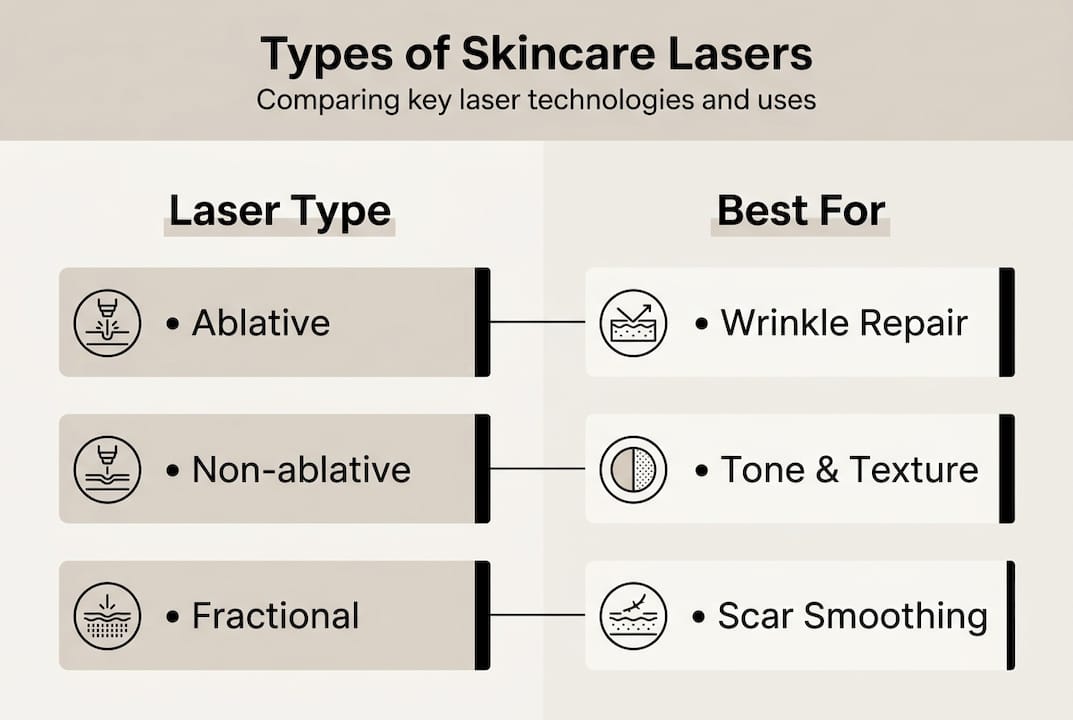
There are three primary categories of laser technology used in premium clinics today. Ablative lasers vaporise skin layers for resurfacing, while non-ablative lasers heat the dermis (the deeper layer of skin) without disturbing the surface. Fractional lasers, a more recent innovation, treat thousands of microscopic columns within the skin, leaving surrounding tissue intact to accelerate healing. You can explore the full range of types of aesthetic lasers to understand which modality suits your goals.
At a cellular level, the magic lies in controlled thermal injury. When laser energy reaches the dermis, it stimulates fibroblasts, the cells responsible for producing collagen and elastin. These are the structural proteins that keep skin firm, plump, and youthful. As the skin heals, it rebuilds with improved texture, tone, and density. This is why results continue to improve for weeks and even months after a single session.
| Laser type | Mechanism | Best suited for | Downtime |
|---|---|---|---|
| Ablative (CO2, Er:YAG) | Removes outer skin layers | Deep wrinkles, severe scarring | 7-14 days |
| Non-ablative (Nd:YAG, diode) | Heats dermis, surface intact | Pigmentation, mild laxity | Minimal |
| Fractional (CO2, hybrid) | Micro-columns of treatment | Texture, scars, rejuvenation | 2-5 days |
| Picosecond | Ultra-short pulses | Pigmentation, tattoo removal | 1-2 days |
For those interested in how lasers and wrinkle reduction are connected, the collagen-stimulating mechanism is central to nearly every anti-ageing outcome.
Pro Tip: Non-ablative and fractional lasers are ideal starting points if you’re new to laser treatments. They deliver meaningful results with significantly less downtime than traditional ablative options.
Top benefits of laser treatments for skin rejuvenation
Now that you know how lasers function, let’s see how this technology translates into real, visible benefits. The outcomes clients experience are not subtle. They are measurable, lasting, and often life-changing in terms of confidence.
The most sought-after improvements include:
- Smoother skin texture with visibly refined pores
- Reduction in fine lines and wrinkles, particularly around the eyes and mouth
- Significant fading of pigmentation, including sun spots, melasma, and post-inflammatory marks
- Improved acne scarring, with both rolling and boxcar scars responding well to fractional CO2
- Firmer, more lifted appearance as collagen production increases over time
- Brighter, more even skin tone that reflects light more uniformly
The clinical evidence behind these outcomes is robust. Fractional CO2 lasers deliver 50-70% improvement in acne scars, with significant reductions in scar depth and ECCA (Echelle d’Evaluation Clinique des Cicatrices d’Acné) scores. That level of improvement is difficult to achieve with topical products or injectables alone.
“Laser treatments represent one of the most evidence-backed tools we have for genuine skin transformation. When chosen correctly, results speak for themselves.”
Compared with chemical peels or microneedling, lasers offer greater precision and more controlled depth of treatment. Injectables like Botox address muscle movement, while fillers restore volume. Lasers do something different entirely: they remodel the skin itself. Exploring the full range of skin rejuvenation benefits reveals just how broad the impact can be.
For London women navigating busy professional and social lives, the ability to achieve genuinely transformative results with manageable recovery is a significant advantage. Many advanced London treatments now combine laser modalities with complementary therapies to further enhance and prolong results.
Matching lasers to your skin: a personalised approach
These impressive results depend greatly on matching the right technology to your unique skin. Not every laser suits every person, and this is where expert clinical assessment becomes essential.
The Fitzpatrick scale is the gold standard tool clinicians use to classify skin types from I (very fair, burns easily) through to VI (deeply pigmented, rarely burns). This classification matters enormously for laser safety. Higher risk of PIH (post-inflammatory hyperpigmentation) and scarring occurs in Fitzpatrick types IV to VI, making non-ablative, picosecond, or radiofrequency-based lasers the preferred choice for darker skin tones.
Here is how a reputable London clinic approaches personalisation:
- Full skin assessment using the Fitzpatrick scale and a detailed consultation about your concerns, lifestyle, and previous treatments
- Patch testing for clients with reactive or darker skin to confirm tolerance before a full session
- Modality selection based on your primary concern, whether that’s pigmentation, texture, laxity, or scarring
- Combination planning, such as pairing fractional laser with subcision (a technique that releases tethered scar tissue) for complex acne scarring
- Ongoing review to assess response and adapt the treatment plan across sessions
For those with darker or more sensitive skin, this personalised approach is not optional. It is the difference between a safe, effective outcome and an avoidable complication. Understanding your laser choices for pigmentation is a smart first step before booking any session.
| Fitzpatrick type | Skin description | Recommended laser types | Key consideration |
|---|---|---|---|
| I-II | Very fair to fair | Ablative CO2, Er:YAG | Lower risk, wider options |
| III | Medium, tans moderately | Fractional, non-ablative | Moderate caution |
| IV-VI | Olive to deep brown | Picosecond, Nd:YAG, RF | PIH risk, specialist care |
London’s diverse population makes this level of nuance particularly important. A clinic that treats all skin types with the same protocol is not delivering premium care.
Safety, comfort and what to expect from luxury laser procedures
Having seen how treatments are tailored, it’s vital to understand the experience and safeguards in place for London’s discerning clients. A premium clinic environment transforms what could feel like a clinical procedure into a genuinely restorative experience.
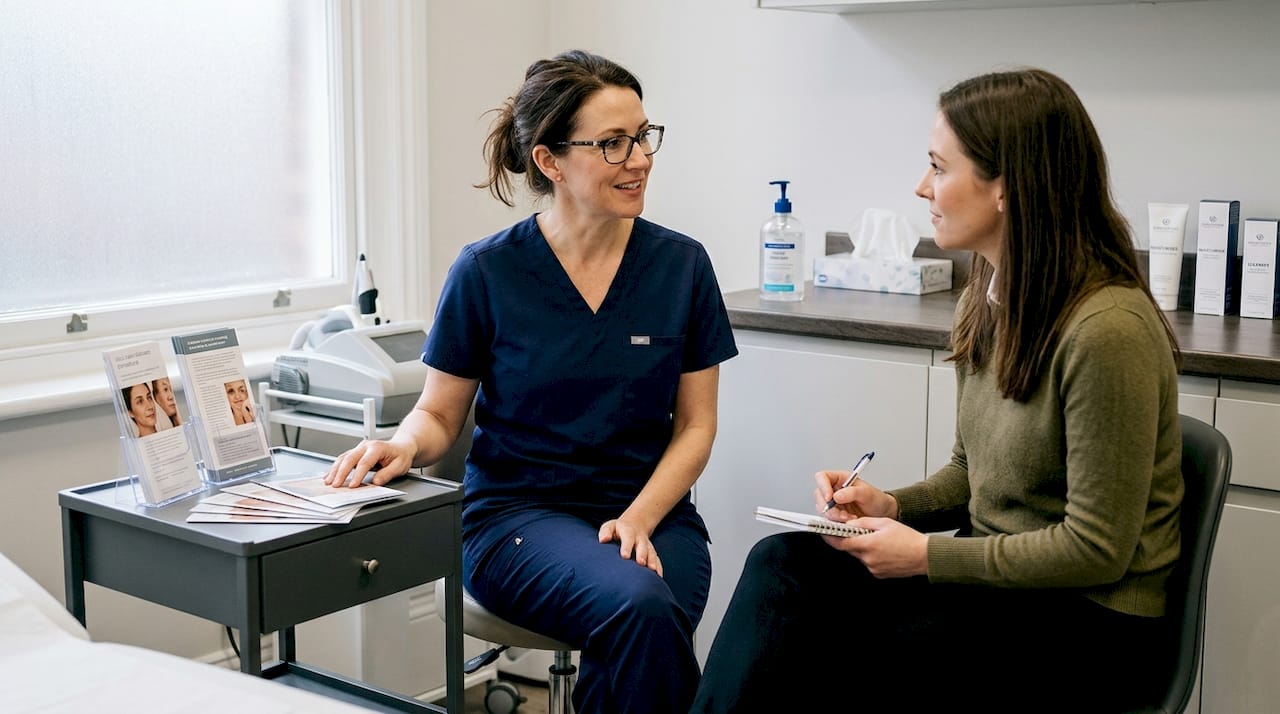
Before your session, you will receive a thorough consultation covering your medical history, current skincare routine, and treatment goals. Key contraindications include recent retinoids, active infection, pregnancy, and recent viral outbreaks such as cold sores. These are not minor considerations. They are clinical safeguards that protect your skin and your results.
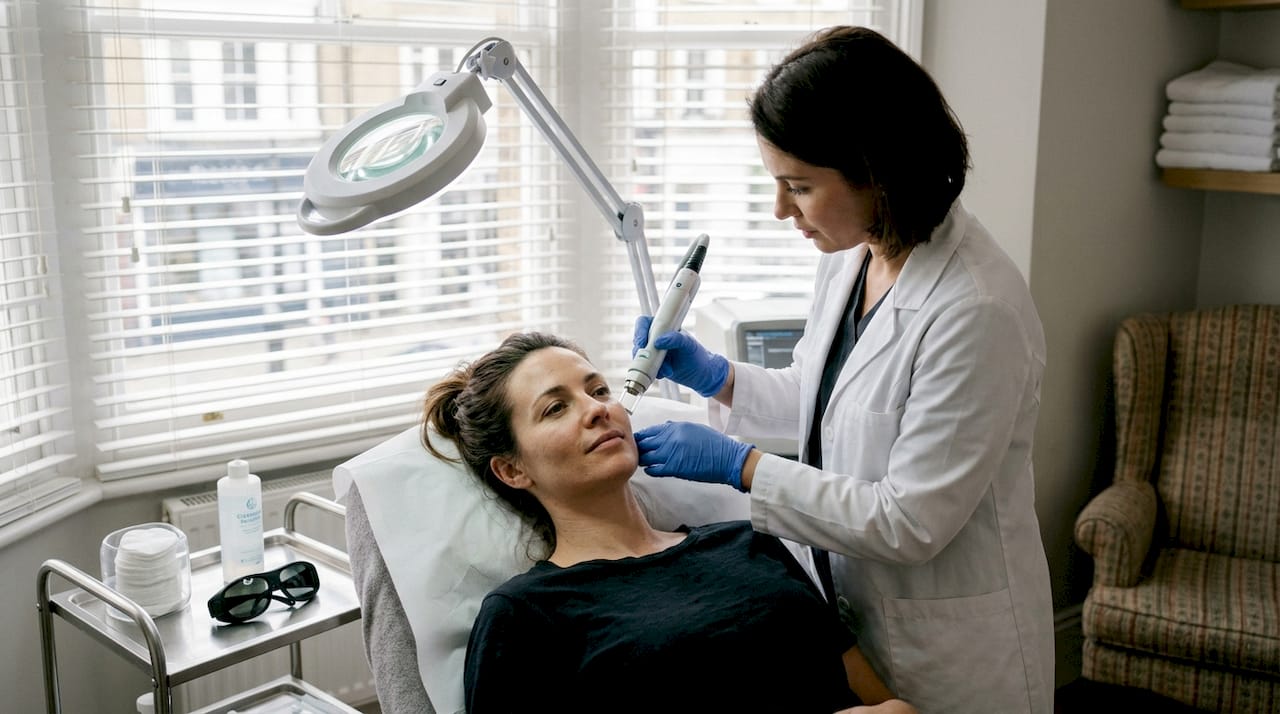
During treatment, topical anaesthetic cream is applied to maximise comfort. Most clients describe the sensation as a warm snapping feeling, manageable and brief. Sessions typically last between 20 and 60 minutes depending on the area and modality used.
Aftercare is where long-term results are truly protected. Essential steps include:
- Strict sun avoidance for at least two weeks post-treatment
- Gentle, fragrance-free skincare to support the skin barrier as it heals
- Medical-grade SPF applied daily without exception
- Hydration using hyaluronic acid-based serums to support tissue repair
- Avoiding heat including saunas and intense exercise for the first 48 hours
For guidance on choosing a trustworthy provider, our aesthetics safety tips outline exactly what to look for. You should also review how to go about ensuring safety when selecting any cosmetic procedure in London. For those curious about combined approaches, hybrid treatments explained offer an excellent overview of what’s possible.
Pro Tip: Always ask your practitioner whether they are medically qualified and CQC-registered. In a luxury clinic, this should never be in question.
Why lasers are the ultimate investment for lasting skin confidence
We have worked with clients across a wide range of skin concerns, and one pattern emerges consistently: those who invest in evidence-backed laser treatments experience improvements that genuinely last. This is not the case with every popular aesthetic trend.
Many treatments promise transformation but deliver temporary results that require constant repetition. Lasers, when chosen and administered correctly, stimulate your skin’s own regenerative capacity. The collagen you build is yours. It doesn’t dissolve or migrate. It continues to remodel for months after your session.
There is also a tendency in the aesthetics world to chase novelty. New devices appear regularly, often with impressive marketing but limited clinical data. Our view is straightforward: the proven value of lasers is backed by decades of peer-reviewed research, not just before-and-after photographs. That matters when you are making decisions about your skin.
Less can also be more. A carefully planned series of treatments, spaced appropriately and adapted to your skin’s response, will always outperform an aggressive approach. Confidence built on healthy, well-treated skin is far more sustainable than chasing dramatic overnight change. Clinician experience and thoughtful planning are what separate genuinely transformative outcomes from disappointing ones.
Considering laser skin treatments? Experience excellence in London
If you’re intrigued by the science and benefits revealed above, here’s how to access cutting-edge care in your area.
At The Aesthetics Room, our medically qualified team combines clinical expertise with the most advanced laser technology available in London. Every treatment begins with a personalised consultation, ensuring your skin’s unique needs are fully understood before a single session begins. Our London rejuvenation expertise spans a full range of laser modalities, from gentle non-ablative options to precision fractional resurfacing. We also offer ultimate hybrid treatments that combine laser with complementary techniques for exceptional outcomes. For those exploring a broader aesthetic journey, our dermal filler treatments pair beautifully with laser for complete facial rejuvenation. Book your consultation today and take the first step towards radiant, confident skin.
Frequently asked questions
Are laser procedures suitable for all skin tones?
Modern lasers are safer for darker skin than older technologies, but non-ablative, picosecond, and RF lasers are typically preferred for Fitzpatrick types IV to VI to minimise the risk of pigmentation changes. A thorough skin assessment is always essential before treatment.
How many sessions does it take to see results from laser skincare?
Many clients notice improvement after just one to three sessions, though optimal results for concerns like scarring typically require three to six treatments. Fractional CO2 studies report 50-70% scar improvement across a course of sessions, with results continuing to develop between appointments.
What are the main risks or side effects of laser skin procedures?
Temporary redness, swelling, and mild sensitivity are the most common responses and usually resolve within days. Scarring or lasting pigmentation changes are rare when treatment is performed by experienced, medically qualified practitioners in a properly equipped clinic.
Is there anyone who should avoid laser skin treatments?
Yes. Those with active infections, pregnancy, recent retinoid use, or active viral outbreaks such as herpes simplex should postpone laser treatments until these conditions are resolved and cleared by a clinician.
Recommended
- Types of aesthetic lasers for skin rejuvenation results – The Aesthetics Room
- Skin rejuvenation tips: Advanced London treatments for radiant results – The Aesthetics Room
- Discover the benefits of Hydrafacial for radiant skin in 2026 – The Aesthetics Room
- Skin analysis: The key to radiant, effective results – The Aesthetics Room