
You usually notice smoker lines in unforgiving lighting first – lipstick settling above the lip, make-up catching in fine vertical creases, or a once-smooth lip border starting to look less defined. While the name suggests smoking is the only cause, these lines can affect anyone. The best treatments for smoker lines depend on why they have formed, how deep they are, and whether the concern is movement, skin quality, volume loss or all three.
What causes smoker lines?
Smoker lines are the fine vertical lines that develop around the mouth, particularly the upper lip. Repeated lip movement plays a major role, which is why smoking, sipping through straws and frequent pursing can contribute. Ageing adds another layer. As collagen, elastin and hyaluronic acid decline, the skin becomes thinner, less springy and more prone to creasing.
There is rarely one single cause. Sun exposure, genetics, natural volume loss around the mouth and changes in bone support can all make the area look more lined over time. That matters because the most effective treatment is not always the most obvious one. A patient with very early creasing may benefit from improving skin quality, while someone with etched lines and lip support loss may need a more layered plan.
The best treatments for smoker lines depend on the type of line
A proper assessment looks at the lines at rest and in movement. This distinction is important. Dynamic lines appear mainly when you purse the lips, while static lines remain visible even when the face is relaxed. Many patients have a combination of both.
In clinic, we also assess the lip border, surrounding skin texture, hydration levels and lower face support. Treating only the lines themselves can lead to a result that looks incomplete. A more refined outcome usually comes from addressing the wider perioral area with precision rather than chasing every crease individually.
Anti-wrinkle injections for repeated movement
If muscle activity is a key driver, carefully placed anti-wrinkle injections can soften the repeated pursing motion that creates and deepens upper lip lines. This approach can be very effective for patients whose lines are still relatively early or who notice them most when speaking, drinking or using a straw.
That said, this is a treatment that requires restraint. Around the mouth, too much product can affect function and change the way the lips move. The goal is not to freeze expression, but to reduce the intensity of movement enough to stop lines becoming more pronounced while preserving a natural look. For many patients, this is one part of the plan rather than the whole answer.
Dermal filler for etched lines and lip support
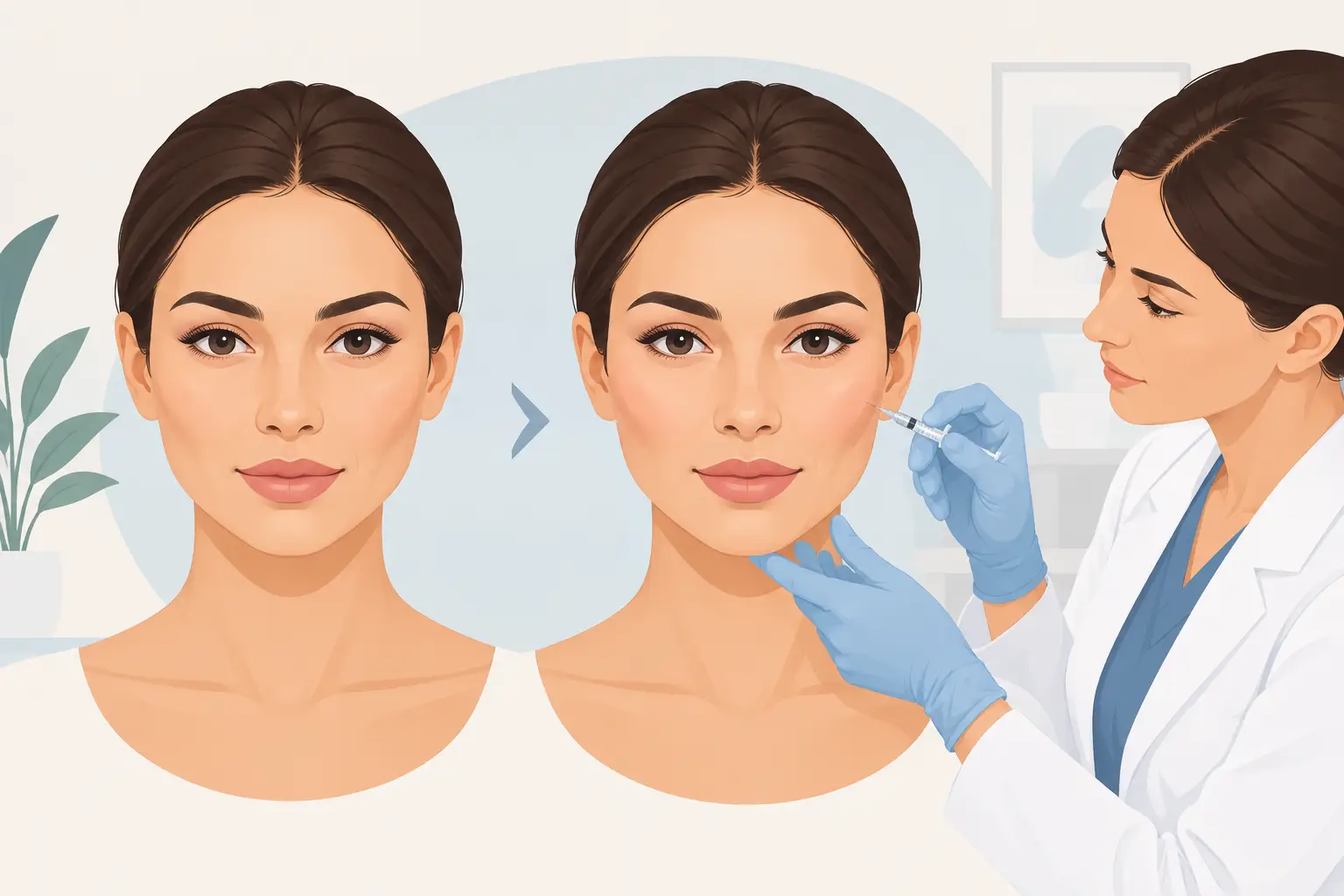
For deeper smoker lines, dermal filler can be one of the most effective options, particularly when the area has lost structural support. A soft filler may be used very conservatively to support the upper lip border, improve the transition between lip and skin, and soften static vertical lines.
This is where technique matters enormously. Overfilling the upper lip or placing product too heavily can create a puffy, unnatural appearance, which is exactly what most patients want to avoid. In experienced hands, the aim is subtle restoration – fresher, smoother and more balanced, without obvious signs of treatment.
Sometimes a patient assumes they need lip filler when what they actually need is treatment around the lip rather than in it. Sometimes the opposite is true. A bespoke consultation is what separates a polished result from a generic one.
Skin boosters and injectable hydration
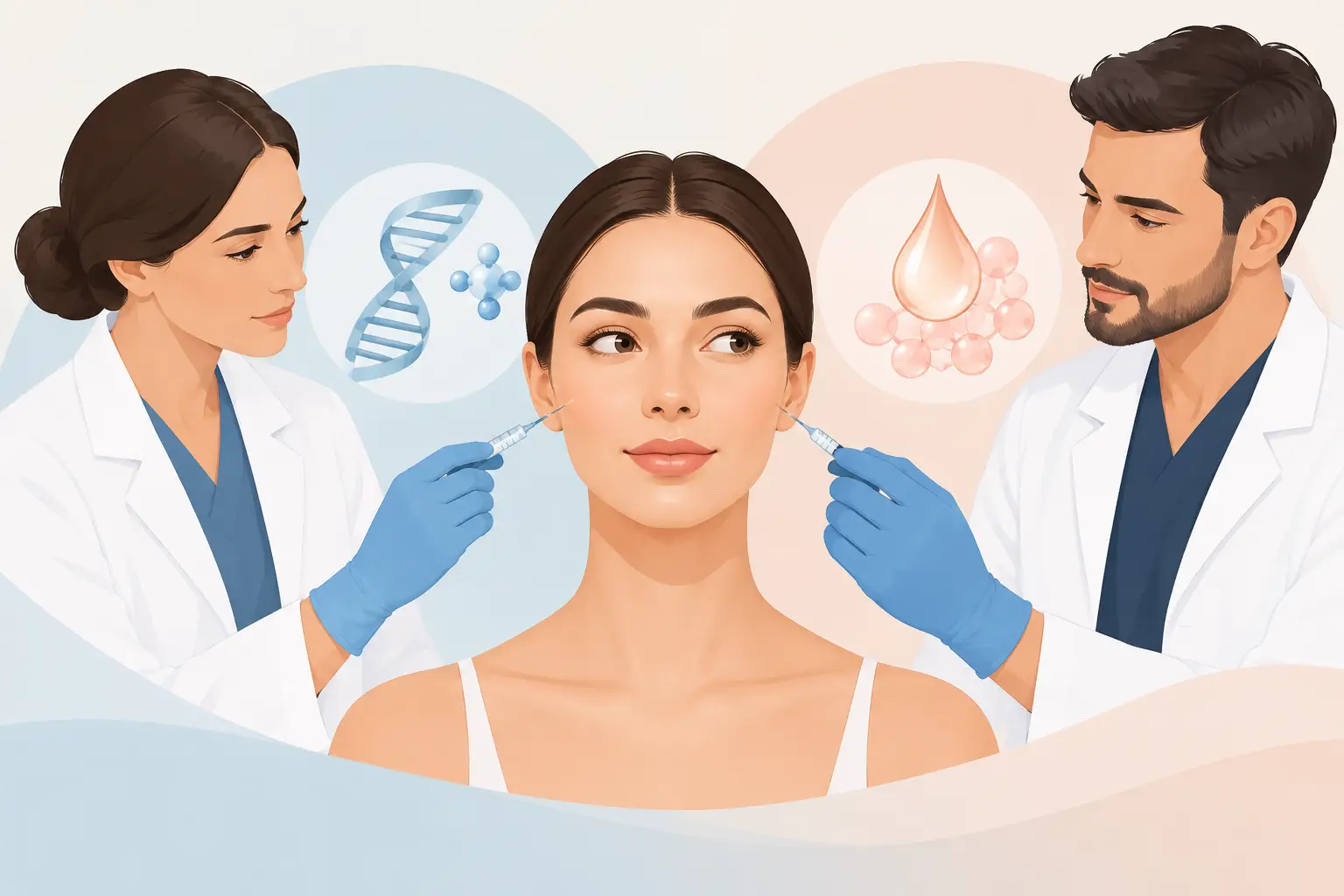
When the skin around the mouth looks crepey, dehydrated or thin, skin boosters can be particularly useful. These treatments work differently from traditional filler. Rather than adding obvious volume, they are designed to improve hydration, elasticity and overall skin quality.
For smoker lines, this can be valuable in patients who are not yet ready for filler, or in those who want to improve the texture of the area alongside other injectables. Results tend to be softer and more gradual, which appeals to patients who want discreet enhancement. They are not the best option for very deep etched lines on their own, but they can significantly improve the finish of a treatment plan.
Polynucleotides for tissue repair and skin quality
Polynucleotides are increasingly popular for patients seeking regenerative skin support rather than simple filling. In the perioral area, they may help improve skin quality, resilience and fine crepiness over time. For the right candidate, this can be an elegant way to support the skin and encourage a healthier tissue environment.
The trade-off is patience. Polynucleotides do not deliver the instant structural change that filler can provide. They are better suited to patients who understand that improving skin quality is a process and that several sessions may be needed.
Laser and resurfacing treatments
If smoker lines are textural, sun-related and quite etched into the skin, resurfacing treatments can be extremely helpful. Fractional laser, microneedling radiofrequency or medical-grade resurfacing approaches can stimulate collagen and improve the look of fine lines over time.
These options can be excellent for the right patient, but they are not a casual lunchtime treatment. Downtime, aftercare and skin type all need consideration. A medically led assessment is essential, especially for patients with higher risk of pigmentation or those combining multiple treatments. In many cases, resurfacing works best as part of a broader strategy rather than a stand-alone fix.
Which treatment is best for smoker lines?
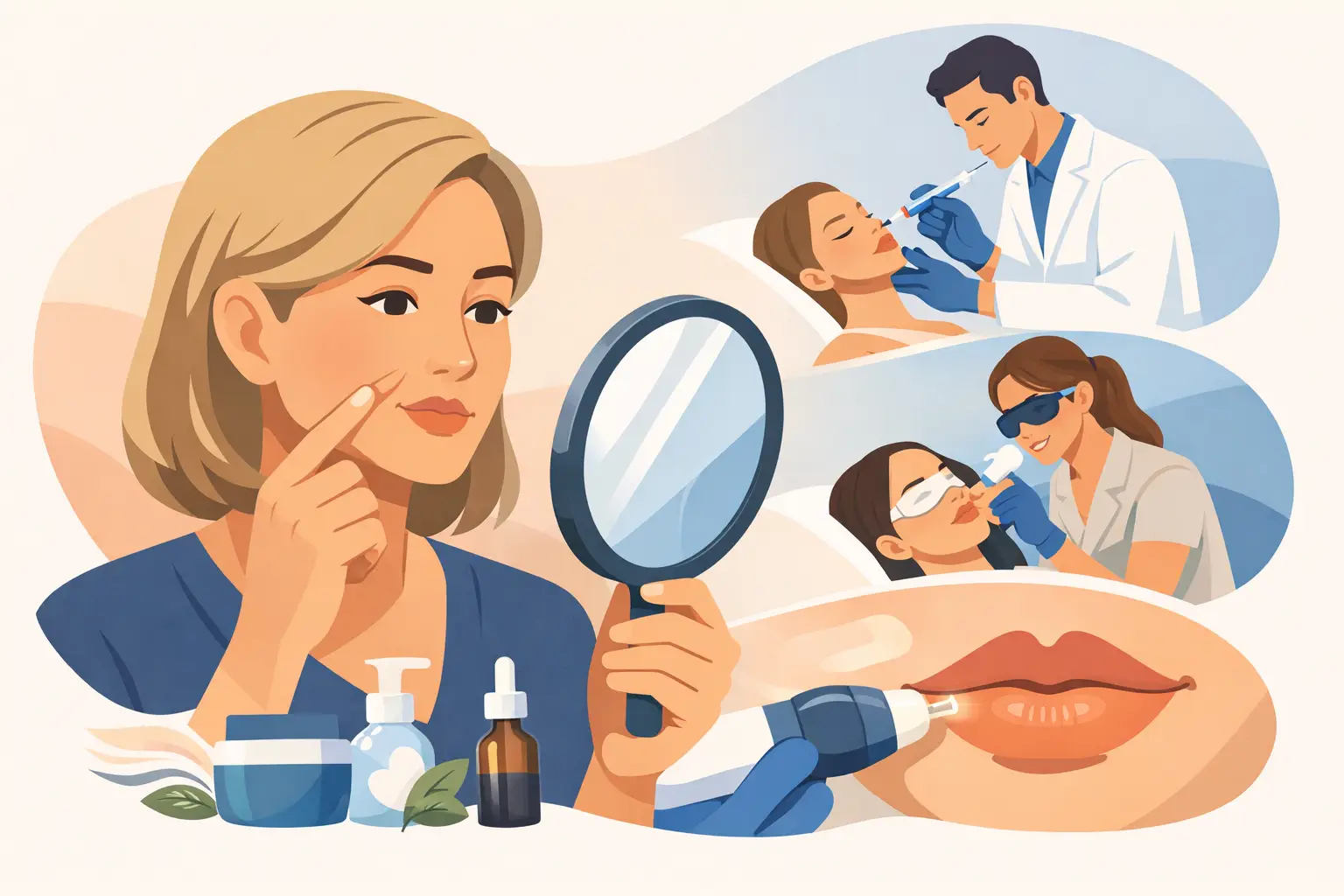
There is no universal best treatment for smoker lines because the area ages in different ways. For mild movement-related lines, anti-wrinkle injections may be enough. For deeper static lines, filler often gives the most visible improvement. For thin, crêpey skin, skin boosters or regenerative injectables may be the smarter place to start. And when texture damage is more advanced, resurfacing may deserve a central role.
Often, the best result comes from combining treatments conservatively. A patient might need a small amount of anti-wrinkle treatment to reduce repetitive movement, paired with skin boosters to improve hydration and a touch of filler to restore support. This kind of layered approach tends to produce natural-looking improvement because it treats the cause as well as the symptom.
Why consultation matters more than trends
Perioral rejuvenation is a good example of why treatment should never be chosen from social media alone. The mouth is one of the most expressive parts of the face. Small changes can have a significant visual effect, for better or worse.
A thorough consultation should look at your facial anatomy, medical history, previous treatments, lifestyle and tolerance for downtime. It should also cover what you do not want. Many patients are less concerned with removing every line than they are with avoiding an overdone result. That preference should shape the plan from the start.
At a premium medical aesthetics clinic, the consultation is where safety and aesthetics meet. It is also where honest advice matters most. If lines are too deep for one treatment to solve well, you should be told that. If a slower, staged approach will look better, that should be the recommendation.
Can you prevent smoker lines from getting worse?
Yes, to a degree. Prevention is never as dramatic as treatment, but it matters. Stopping smoking, protecting the skin from UV exposure, maintaining good hydration and using active skincare to support collagen can all help slow progression. Patients who seek advice earlier often need less correction and achieve subtler results.
Home care still has limits. Skincare can improve texture and support the skin, but it will not replace structural support once lines are established. That is why prevention and treatment usually work best together rather than as alternatives.
What to expect from treatment
Most patients want improvement, not perfection. That is a healthy goal. The skin around the mouth moves constantly, so even excellent treatment will not make it behave like untouched skin from ten years earlier.
What good treatment can do is soften the lines, improve lipstick bleed, restore a cleaner lip contour and make the area look fresher and less tired. In a clinic such as The Aesthetics Room, the focus should always be on bespoke treatment planning, medical safety and results that still look like you.
If smoker lines are bothering you, the right next step is not choosing a product name. It is having the area assessed properly so the treatment matches the cause, the skin and the result you want to see in the mirror.