
TL;DR:
- Skin redness, or erythema, results from dilated blood vessels or immune responses and can be caused by rosacea, sunburn, or allergies. Effective management includes gentle skincare, trigger avoidance, and professional treatments like topical prescriptions or laser therapy for persistent cases. Consistent long-term habits and prompt professional assessment are essential for controlling and reducing skin redness.
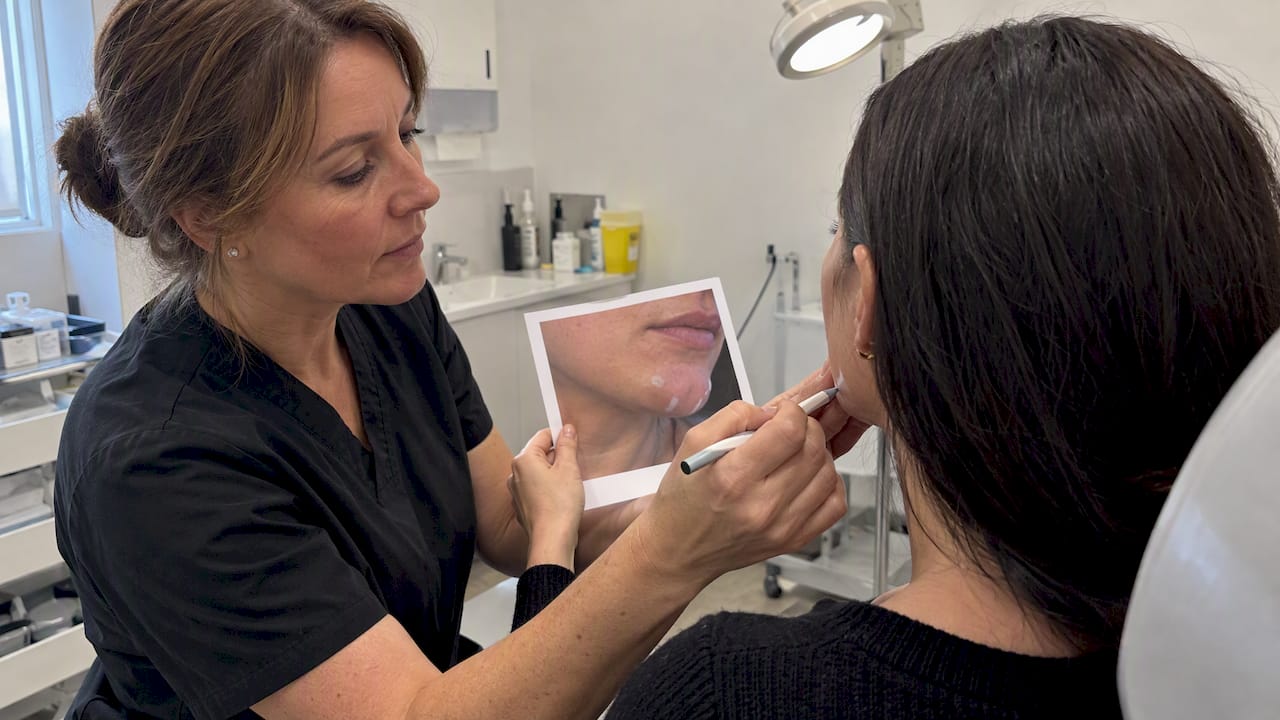
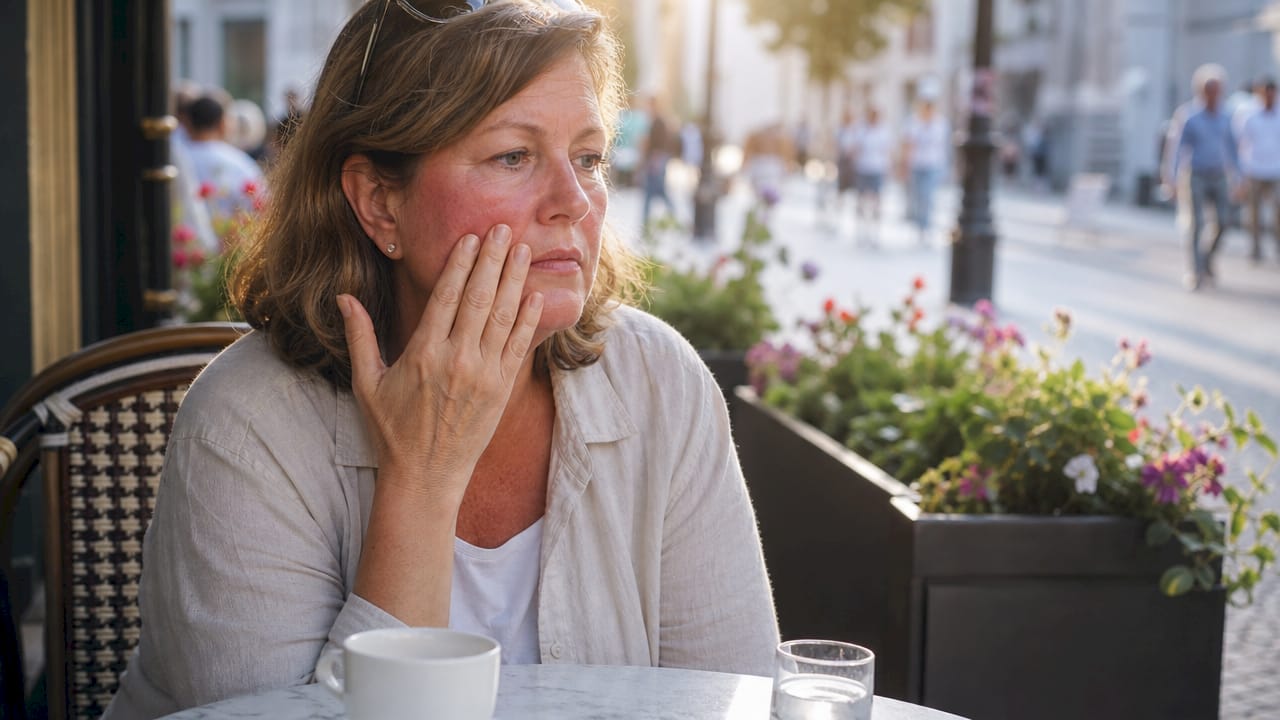
Skin redness, known clinically as erythema, is defined as visible flushing or persistent colour change caused by dilated blood vessels near the skin’s surface. Knowing how to address skin redness starts with identifying whether the cause is vascular, inflammatory, or environmental. Rosacea is a chronic condition affecting people most commonly between the ages of 30 and 60, and it is one of the leading drivers of persistent facial redness. Effective management combines gentle skincare, trigger avoidance, and targeted treatments. Theaestheticsroom supports people at every stage of that process, from first-time sufferers to those seeking professional aesthetic care.
What causes skin redness and how do you identify them?
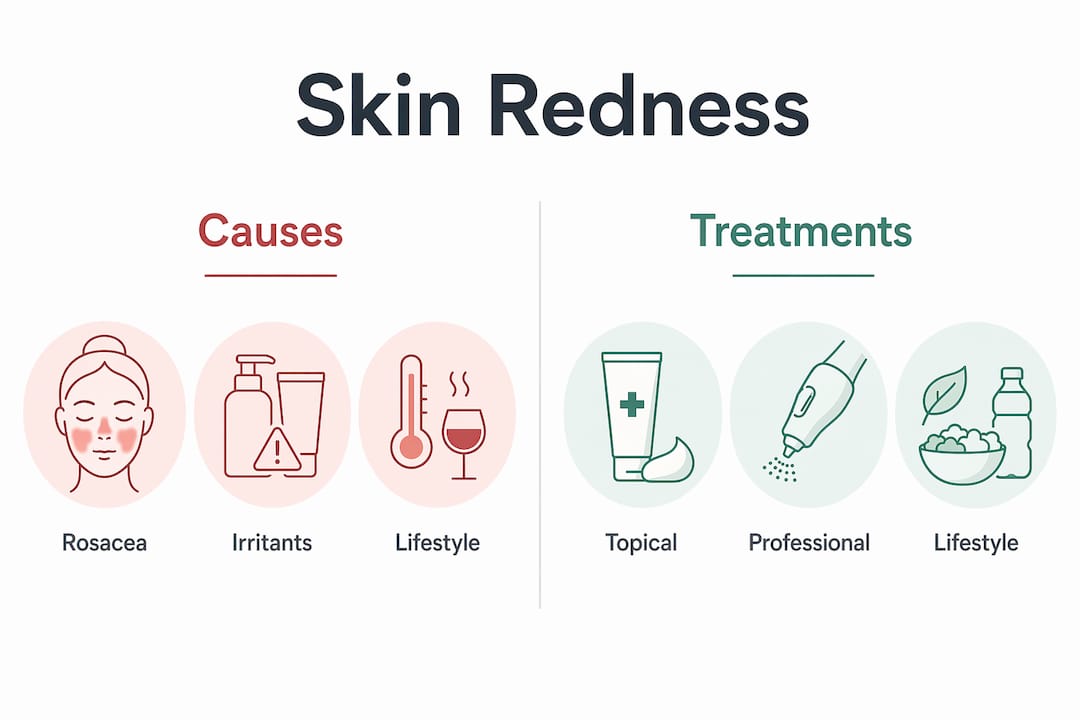
Skin redness has two broad categories: vascular and inflammatory. Vascular redness occurs when blood vessels dilate or become permanently visible beneath the skin. Inflammatory redness results from the immune system responding to irritants, allergens, or infection. Knowing which type you have shapes every decision that follows.
The most common causes include:
- Rosacea. A chronic condition producing persistent facial flushing, visible vessels, and sometimes papules. Rosacea affects lighter skin types more frequently and has no cure, though it responds well to management.
- Sensitive or reactive skin. Skin that flushes easily in response to products, temperature changes, or stress.
- Sunburn. Acute UV damage triggers immediate inflammation and redness that can persist for days.
- Acne. Inflamed spots produce localised redness, often confused with rosacea.
- Allergic reactions. Contact dermatitis from fragrances, preservatives, or metals causes patchy redness and irritation.
- Environmental triggers. Cold wind, central heating, and sudden temperature shifts all dilate surface vessels.
Lifestyle factors also play a significant role. Alcohol, spicy foods, caffeine, and emotional stress are well-documented triggers for flushing in rosacea-prone skin. Avoiding heat, sunlight, and alcohol reduces the frequency and severity of flare-ups. That means even small dietary changes can produce visible improvements within weeks.
Pro Tip: Keep a symptom diary for two to four weeks. Note what you ate, your stress level, the weather, and any products used before each flare. Patterns emerge quickly, and that information is invaluable when speaking to a dermatologist or aesthetics practitioner.
Self-assessment is straightforward. Rosacea typically centres on the nose, cheeks, forehead, and chin. Acne redness is localised to spots. Allergic redness often has a clear boundary matching where a product was applied. If redness persists beyond two weeks without an obvious cause, professional assessment is the right next step.
How to treat skin redness at home
A gentle, consistent skincare routine is the foundation of managing red or reactive skin. The goal is barrier repair and vascular stability, not deep cleansing or exfoliation. Stripping the skin of its natural oils worsens redness every time.
Follow these steps to build an effective home routine:
- Cleanse with a soap-free product. Soap substitutes and gentle cleansers prevent the skin from becoming sore or inflamed. Avoid foaming cleansers containing sulphates.
- Moisturise immediately after cleansing. A fragrance-free moisturiser with ceramides or hyaluronic acid repairs the skin barrier and reduces transepidermal water loss. Apply while skin is still slightly damp.
- Apply SPF 30 or higher every morning. Daily sunscreen use is critical for rosacea-prone and sensitive skin. UV exposure is one of the most consistent triggers for flushing and long-term vessel damage.
- Use a cool compress during flare-ups. A clean cloth soaked in cold water and held against the skin for five minutes reduces acute inflammation and calms visible redness quickly.
- Adjust your diet and environment. Reduce alcohol, spicy food, and caffeine. Keep indoor temperatures moderate. Use a fan or cool mist humidifier in warm rooms.
Avoid products containing salicylic acid, benzoyl peroxide, or high-strength retinoids if your skin is already red. Anti-acne products worsen rosacea by damaging the skin barrier rather than addressing the vascular cause of redness. This is one of the most common and costly mistakes people make when self-treating.
Pro Tip: Check ingredient lists for niacinamide, azelaic acid, and green tea extract. These ingredients actively calm redness and support barrier function without irritating sensitive skin. Theaestheticsroom’s guide on managing sensitive skin covers ingredient selection in detail.
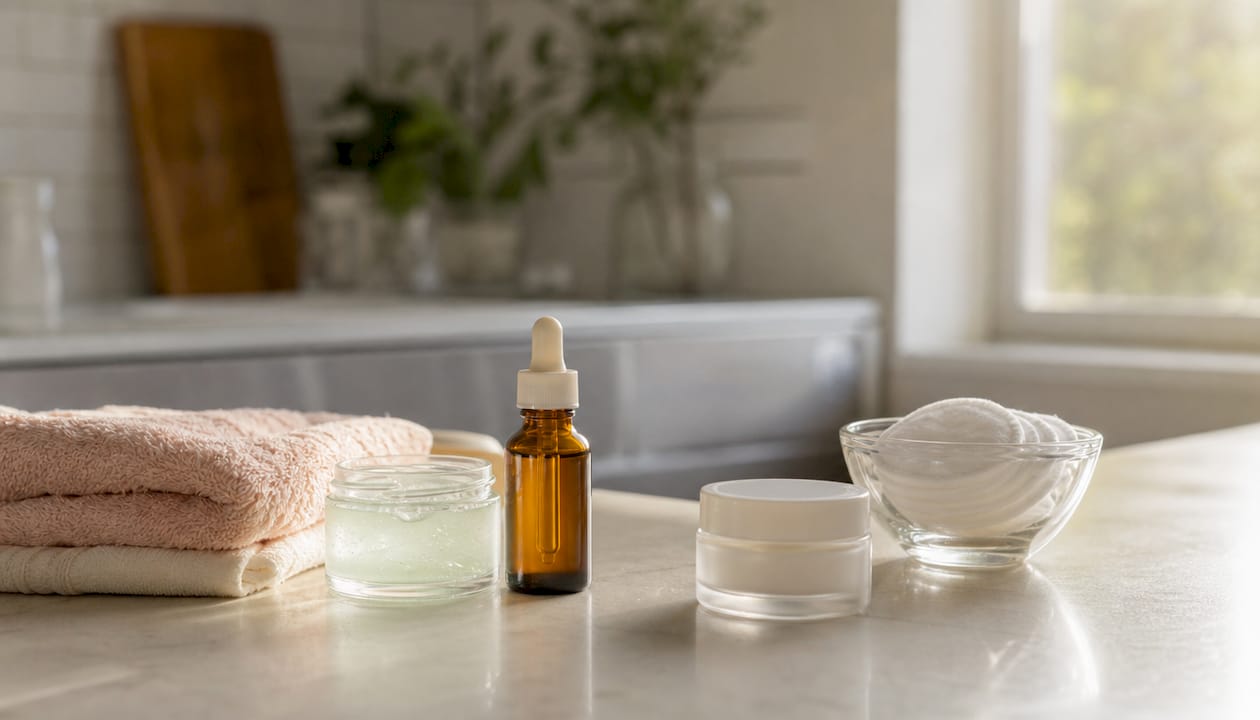
For a broader checklist of barrier-supporting products suited to redness-prone skin, the sensitive skin care checklist from Moose’s Tallow offers practical, gentle product guidance.
What professional treatments can reduce persistent skin redness?
Home care manages redness but rarely eliminates it when the underlying cause is rosacea or established vascular damage. Professional treatments target the root cause more directly.
Topical prescription options include:
- Ivermectin cream. Reduces inflammatory papules and background redness in rosacea. First-line topical treatments include ivermectin, azelaic acid, and metronidazole, used consistently over several weeks.
- Azelaic acid. Available in prescription strength, it reduces redness and papules with minimal irritation.
- Metronidazole gel. An anti-inflammatory topical that calms rosacea-related redness effectively.
- Brimonidine gel. Provides temporary relief from persistent background redness by constricting surface blood vessels. Brimonidine offers temporary relief and may need to be repeated regularly.
For inflammatory rosacea with frequent flare-ups, oral antibiotics such as doxycycline are prescribed for a course of 2–3 months. They reduce inflammation rather than treating infection, so they work differently from how most people expect.
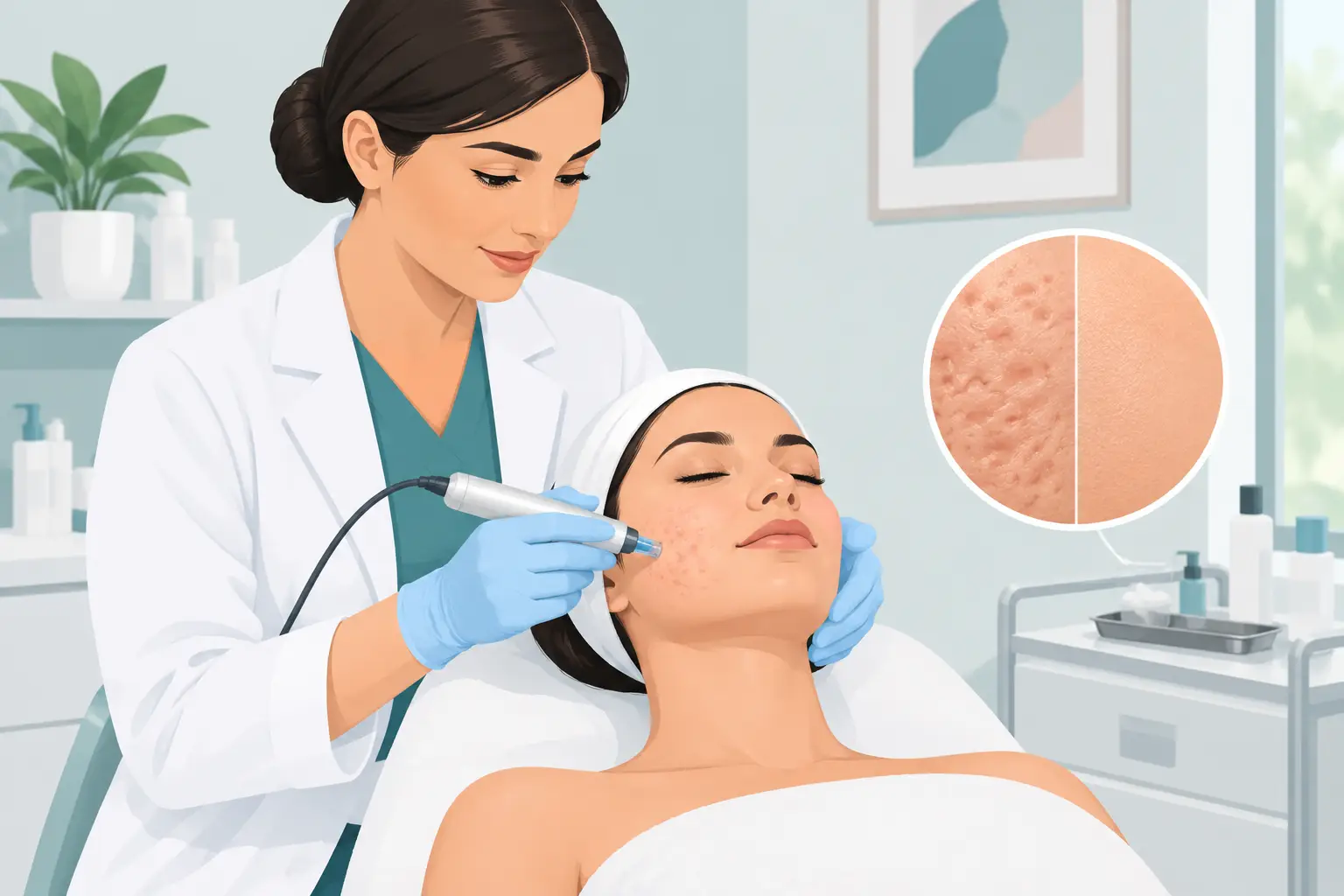
Laser and light-based treatments address vascular redness that does not respond to topical or oral therapy. Pulsed dye and Nd:YAG lasers reduce visible blood vessels and persistent redness. Improvements are not permanent, and repeat sessions are typically needed. These treatments are not always available on the NHS, making private aesthetic clinics an important option for many people.
Vascular rosacea rarely responds to antibiotics alone. Laser therapy and cosmetic camouflage are more effective for this subtype. Cosmetic camouflage products, including green-tinted primers and mineral foundations, conceal redness immediately while longer-term treatments take effect.
Pro Tip: Set realistic expectations before starting any professional treatment. Rosacea is a chronic condition. The goal is control, not cure. Most people see meaningful improvement within 8–12 weeks of consistent treatment, but ongoing maintenance is part of the plan.
A dermatologist or qualified aesthetics practitioner should assess your skin before prescribing any topical or oral treatment. Theaestheticsroom’s rosacea management guide outlines the professional strategies available for persistent cases.
How to maintain skin health and prevent redness flare-ups long term
Sustained improvement requires consistent habits, not one-off treatments. The skin barrier needs ongoing support to stay resilient against triggers.
Key long-term strategies include:
- Moisturise daily without exception. Barrier repair is an ongoing process. Skipping moisturiser, even on good skin days, allows transepidermal water loss to increase and redness to return.
- Avoid known triggers consistently. Refer back to your symptom diary. Triggers identified in the early weeks remain relevant months later.
- Wear SPF 30 or higher every day, including in winter. UV light penetrates cloud cover and glass. Year-round protection prevents cumulative vessel damage.
- Manage stress actively. Stress is a direct physiological trigger for flushing. Techniques such as breathwork, regular exercise, and adequate sleep all reduce baseline inflammation.
- Review your skincare routine every three months. Skin changes with seasons, hormones, and age. A routine that worked in summer may need adjusting in winter when central heating dries the air.
- Seek specialist advice when redness worsens or changes. New symptoms, spreading redness, or redness accompanied by pain or swelling warrant professional assessment.
Theaestheticsroom’s resource on skin barrier repair provides detailed guidance on restoring and protecting the barrier over time.
Common mistakes to avoid when addressing skin redness
Most people make the same errors when they first try to treat redness at home. Recognising these mistakes early saves weeks of unnecessary irritation.
- Using acne treatments on rosacea. Misdiagnosing rosacea as acne leads to applying salicylic acid and benzoyl peroxide, which worsen redness and damage the barrier further.
- Applying topical steroids without medical guidance. Overuse or sudden cessation of topical steroids worsens redness significantly. Use only as prescribed and taper as directed.
- Inconsistent treatment adherence. Topical treatments for rosacea require weeks of consistent use before results appear. Stopping early because results are not immediate is the most common reason treatments fail.
- Ignoring signs of infection. Redness accompanied by warmth, swelling, pus, or fever requires urgent medical attention. These signs indicate infection, not rosacea.
- Confusing sensitive skin with rosacea. Sensitive skin flushes temporarily and recovers. Rosacea produces persistent redness that does not fully resolve between flare-ups. The distinction matters because the treatments differ significantly.
Patience is not optional when managing skin redness. Most topical treatments take 8–12 weeks to show their full effect. Switching products before that window closes resets the clock and prevents accurate assessment of what is working.
Pro Tip: Keep a skincare journal alongside your symptom diary. Log every product you use, when you started it, and any changes you notice. This record makes dermatologist appointments far more productive and helps identify which treatments are genuinely helping.
When home care and over-the-counter products fail to control redness after three months, referral to a dermatologist or a qualified aesthetic clinic is the appropriate next step. Professional assessment rules out underlying conditions and opens access to prescription treatments and laser therapy.
Key takeaways
Addressing skin redness effectively requires identifying the cause, protecting the skin barrier daily, and using targeted treatments consistently over weeks rather than days.
| Point | Details |
|---|---|
| Identify the cause first | Distinguish between vascular redness (rosacea) and inflammatory redness before choosing any treatment. |
| Gentle skincare is non-negotiable | Use soap-free cleansers, fragrance-free moisturisers, and SPF 30 or higher every day. |
| Avoid acne products on rosacea | Salicylic acid and benzoyl peroxide damage the skin barrier and worsen redness in rosacea-prone skin. |
| Professional treatments extend results | Prescription topicals, oral antibiotics, and laser therapy address redness that home care cannot resolve. |
| Consistency determines outcomes | Most treatments require 8–12 weeks of regular use before meaningful improvement becomes visible. |
What I have learned from years of seeing people struggle with skin redness
People arrive at a clinic having tried everything. They have switched cleansers, bought every calming serum on the market, and still wake up to a red face every morning. The frustration is real, and it is almost always rooted in the same problem: they have been treating the wrong condition.
Rosacea is consistently misread as acne or general sensitivity. The products people reach for first, the ones marketed for “blemish control” or “pore refinement,” actively worsen vascular redness. I have seen people spend months making their skin worse because no one told them the distinction between a pore-clearing product and a barrier-repair product. That single piece of knowledge changes everything.
What actually works is less exciting than the marketing suggests. A soap-free cleanser, a ceramide moisturiser, daily SPF, and a prescription topical from a qualified practitioner. That combination, applied consistently, produces results that no serum stack can match. The psychological benefit of seeing redness reduce is also significant. Visible facial redness affects confidence in ways that are easy to underestimate until it starts to improve.
My honest view is that most people with persistent redness wait too long before seeking professional advice. Three months of home care with no improvement is the threshold. Beyond that, you need a diagnosis, not another product.
— Vishul
Calmer, clearer skin with Theaestheticsroom
Theaestheticsroom, based in Knightsbridge and accredited by the CQC, offers personalised consultations for people experiencing persistent skin redness and rosacea. Our practitioners assess your skin, identify the underlying cause, and build a treatment plan that combines clinical expertise with aesthetic care.

For those where vascular redness has not responded to topical treatments, our skin rejuvenation treatments and Botox services offer targeted options delivered by trained specialists in a clinical setting. We also provide ongoing skincare guidance to support your results between appointments. Book a virtual or in-person consultation today and take the first step towards skin you feel confident in.
FAQ
What is the most common cause of persistent facial redness?
Rosacea is the most common cause of persistent facial redness, particularly in adults aged 30–60 with lighter skin tones. It is a chronic condition with no cure, but symptoms are manageable with the right treatment plan.
Can I treat skin redness at home without seeing a doctor?
Mild redness caused by sensitivity or environmental triggers often responds well to gentle cleansers, fragrance-free moisturisers, and daily SPF 30 or higher. Persistent redness lasting more than three months warrants professional assessment to rule out rosacea or other conditions.
Which skincare ingredients make redness worse?
Salicylic acid, benzoyl peroxide, and high-strength retinoids worsen redness in rosacea-prone skin by damaging the skin barrier. Fragrance, alcohol-based toners, and harsh physical exfoliants are also common irritants for sensitive skin.
How long does it take for redness treatments to work?
Most topical prescription treatments for rosacea require 8–12 weeks of consistent use before visible improvement appears. Laser treatments may show results sooner, though repeat sessions are typically needed to maintain results.
When should I see a specialist about skin redness?
Seek specialist advice if redness persists beyond three months despite home care, if it is accompanied by pain, swelling, or pus, or if over-the-counter products are making your skin worse. A dermatologist or qualified aesthetics practitioner can provide an accurate diagnosis and access to prescription treatments.