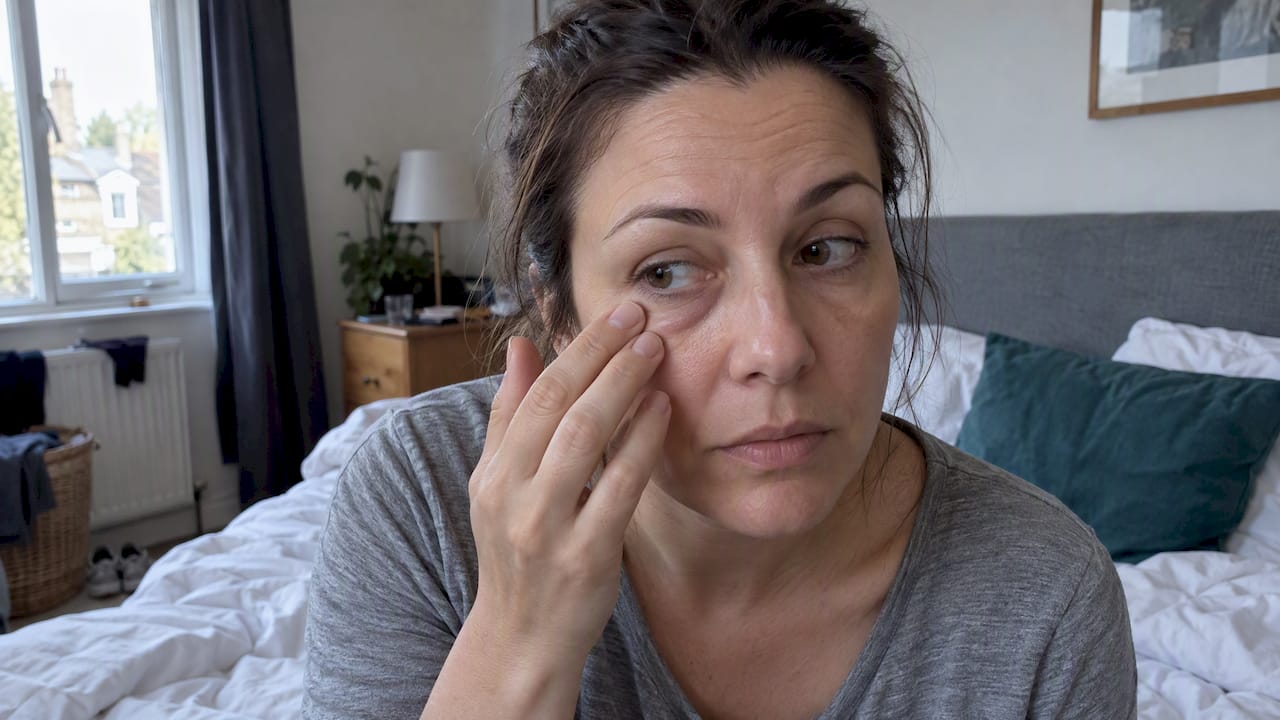


Living with sensitive skin is genuinely exhausting. The unpredictable redness, the stinging after a new product, the tightness that appears from nowhere — it chips away at your confidence and makes every skincare decision feel like a risk. Sensitive skin is characterised by heightened reactivity, including redness, stinging, tightness, and a compromised skin barrier, often triggered by irritants, allergens, or environmental factors. The good news is that with the right knowledge and a structured approach, you can restore calm, rebuild your barrier, and even enjoy luxury facial treatments designed specifically for reactive skin. This guide gives you exactly that.
Table of Contents
- Recognising sensitive skin and its triggers
- Your essential sensitive skin routine: Less is more
- When to advance: Reintroducing actives and boosting results
- Managing flare-ups and persistent sensitivity
- Luxury facials and specialist services in London for sensitive skin
- Rethinking sensitive skin: Why personalisation beats one-size-fits-all
- Discover your calm, radiant skin at The Aesthetics Room
- Frequently asked questions
Key Takeaways
| Point | Details |
|---|---|
| Barrier-first is essential | Prioritise a minimal, gentle routine for 2–4 weeks before using actives. |
| Avoid common irritants | Skip fragrances, essential oils, harsh exfoliants, and strong actives while healing. |
| Luxury facials can help | Bespoke or clinical facials in London can soothe and support sensitive skin. |
| Patch test everything | Test new products on the jawline for 3 days to avoid full-face reactions. |
| Seek help when needed | Consult a dermatologist or GP for persistent, severe, or worsening symptoms. |
Recognising sensitive skin and its triggers
Sensitive skin is not simply skin that reacts to one product. It is a pattern of heightened reactivity that can manifest as redness, burning, itching, tightness, or visible flushing. These symptoms often appear after exposure to irritants, allergens, or over-exfoliation, but they can also be triggered by something as subtle as a change in weather or water hardness.
One important misconception to address: not all redness means sensitivity, and sensitivity is not always an allergic reaction. Some people experience redness from rosacea, broken capillaries, or temporary irritation, which requires a different approach. Understanding your specific pattern matters enormously.
Common triggers fall into four broad categories:
- Environmental: Cold wind, UV exposure, pollution, central heating, and humidity changes
- Topical: Fragrances, alcohol, sulfates, synthetic dyes, and harsh preservatives
- Lifestyle: Stress, poor sleep, spicy food, alcohol consumption, and hormonal shifts
- Procedural: Over-exfoliation, aggressive peels, and incorrect use of actives
Here is a quick overview of how these triggers compare in terms of frequency and reversibility:
| Trigger type | How common | Reversibility |
|---|---|---|
| Topical irritants | Very common | High with product changes |
| Environmental factors | Common | Moderate with protection |
| Lifestyle factors | Common | High with habit changes |
| Procedural damage | Less common | Moderate to high |
If you are unsure where to start, exploring treatments for sensitive skin types with a specialist can help you map your triggers accurately. Keeping a simple skin diary for two weeks, noting products used, weather conditions, diet, and stress levels, is one of the most underrated tools available to you.
Simplifying your routine is often the single most powerful step. Many clients see significant improvement within days of stripping back to the basics.
Your essential sensitive skin routine: Less is more
Understanding triggers is only half the battle. Now let’s lay out the key steps for a calming, simplified daily routine that prioritises barrier repair above everything else.
The barrier-first strategy means removing everything that is not essential and rebuilding from scratch. Think of your skin barrier as a protective wall. When it is compromised, irritants get in and moisture escapes. Your job is to repair that wall before adding anything else.
A 2 to 4 week minimal routine is the evidence-backed benchmark, with 60% of people showing measurable improvement when they simplify their regimen during this period.
Here is a simple, sequenced daily routine:
- Cleanse with a fragrance-free, low-pH gel or cream cleanser. Avoid foaming formulas with sulfates.
- Hydrate with a ceramide-rich or hyaluronic acid moisturiser. Apply to slightly damp skin to lock in moisture.
- Protect with a mineral SPF 30 or higher containing zinc oxide or titanium dioxide. These sit on the skin rather than absorbing into it, making them far gentler.
When choosing products, pay attention to the ingredient list. Understanding face washing and sensitive skin is particularly important, as over-cleansing is one of the most common causes of barrier damage.
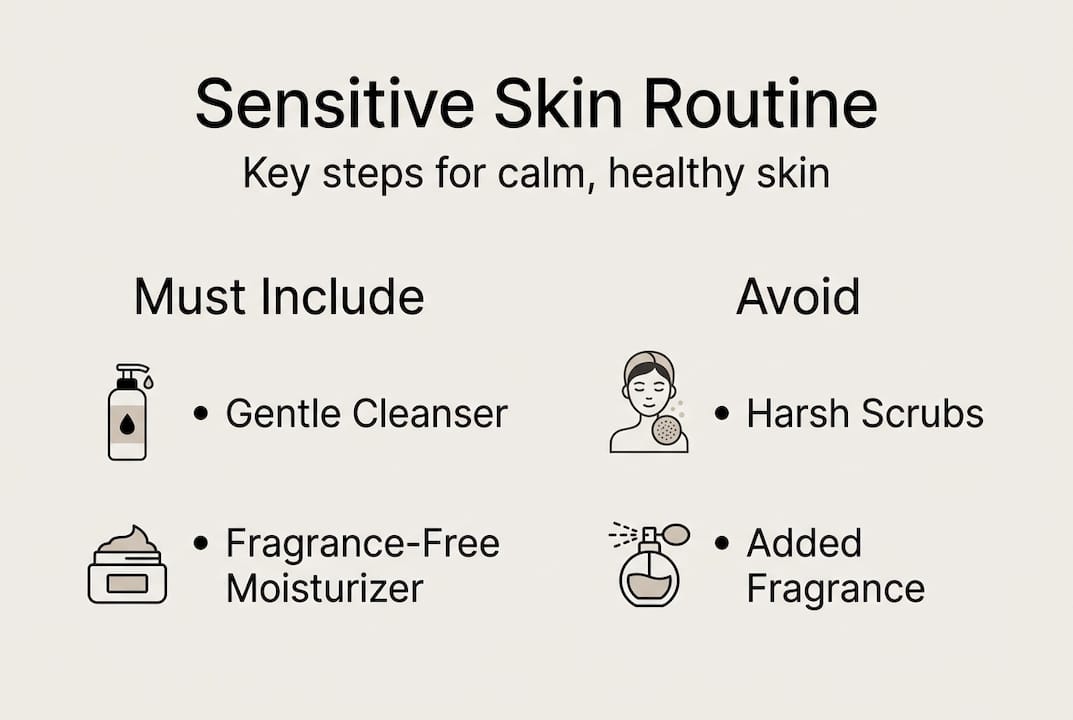
| Ingredient | Prefer | Avoid |
|---|---|---|
| Fragrance | Fragrance-free | Any added scent |
| Surfactants | Glucosides, betaines | SLS, SLES |
| Actives | Ceramides, hyaluronic acid | AHAs, retinoids (initially) |
| SPF filter | Zinc oxide, titanium dioxide | Chemical filters initially |
Pro Tip: Always pat your skin dry with a clean, soft towel rather than rubbing. Use lukewarm water, never hot. Both habits reduce unnecessary mechanical and thermal stress on your barrier.
When introducing any new product, patch test it on the inner arm for 48 hours before applying it to your face. This small step can prevent a full-face reaction.
When to advance: Reintroducing actives and boosting results
Once the basics are mastered, it is time to look at gently expanding your regimen for extra results.
After two to four weeks of a simplified routine and no new reactions, your barrier is likely in a stronger position. This is the right moment to consider reintroducing actives — but carefully and methodically.
Gentle actives such as niacinamide, Centella asiatica, and bakuchiol are the preferred starting points. Niacinamide (vitamin B3) reduces redness and strengthens the barrier. Centella asiatica is a plant extract with calming, anti-inflammatory properties. Bakuchiol is a natural alternative to retinol that delivers similar renewal benefits with far less irritation.
Here is how to reintroduce actives safely:
- Choose one active at a time. Never introduce two new ingredients simultaneously.
- Start by applying every third night for the first week.
- If no reaction occurs, move to alternate nights in week two.
- Gradually increase to nightly use if your skin tolerates it well.
- Monitor for any stinging, increased redness, or breakouts throughout the process.
For tailored skincare for sensitive skin, a specialist can help you sequence actives in a way that suits your specific skin profile rather than following generic timelines.
Pro Tip: Stress, poor sleep, and a diet high in processed foods can all reduce your skin’s tolerance to actives. If you are going through a stressful period, delay reintroduction until your lifestyle stabilises.
For additional guidance, further advice on calming sensitive skin can support your understanding of how lifestyle and topical choices interact. Tracking your skin’s response in a diary during this phase gives you concrete data to work with rather than guesswork.
Managing flare-ups and persistent sensitivity
Even with expert routines, flare-ups can happen. Let’s address what to do when they strike.
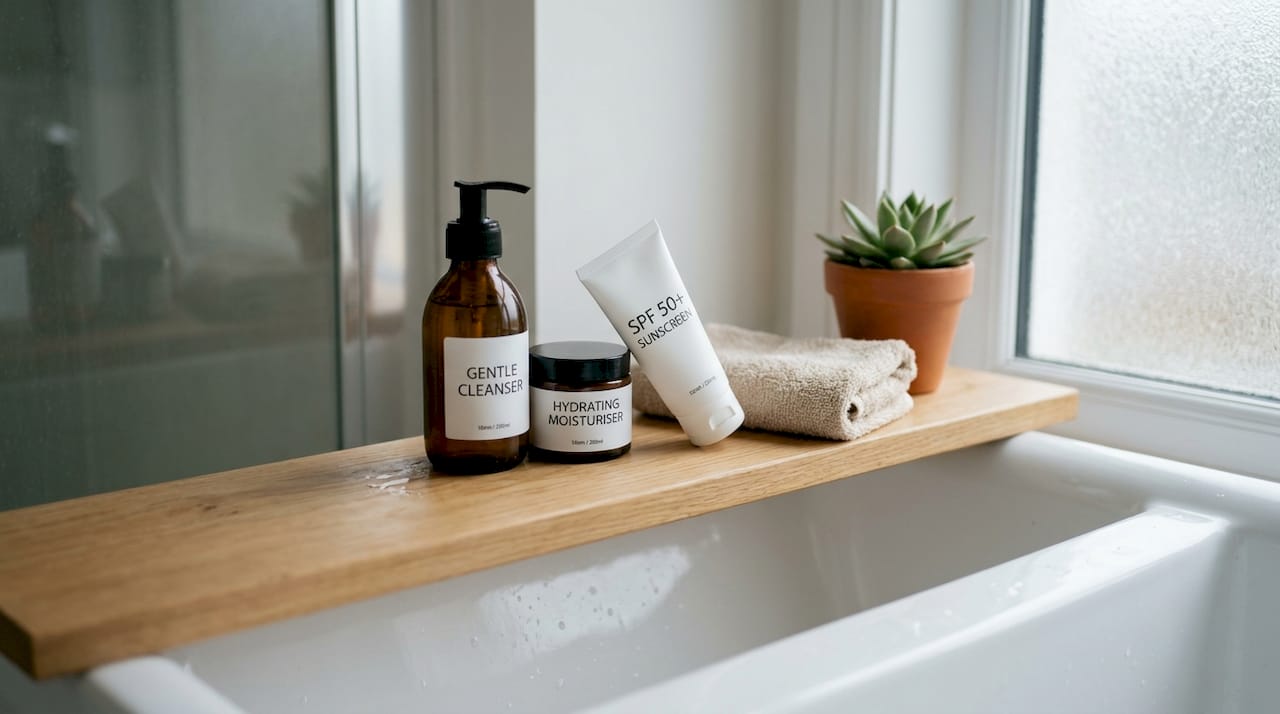
The immediate priority during a flare-up is to stop everything that could be contributing. Remove all actives, acids, and any recently introduced products from your routine straight away. Simplify back to your core three steps: cleanse, moisturise, and protect.
For immediate relief, try these first-aid steps:
- Apply a cool, damp compress to the affected area for 10 to 15 minutes to reduce heat and inflammation
- Use a fragrance-free emollient or barrier cream to soothe and protect the skin
- Avoid touching or rubbing the area, which can worsen irritation
- Stay out of direct sunlight and avoid temperature extremes
- Do not apply any new products until the reaction has fully resolved
Emollients, topical corticosteroids, and trigger avoidance are the first-line approach for contact dermatitis. A GP or dermatologist should be consulted if symptoms persist or worsen.
Topical steroids can be helpful for short-term use during severe flare-ups, but they should only be used under medical guidance. Overuse can thin the skin and worsen sensitivity long-term.
Knowing when to escalate is critical. See a doctor or dermatologist if your reaction covers a large area, if you experience swelling around the eyes or lips, if symptoms persist beyond two weeks despite simplifying your routine, or if you suspect atopic eczema or another underlying condition.
For those with complex or recurring sensitivity, specialist advice for severe cases can provide a more structured, medically informed path forward. Trigger journalling remains one of the most effective long-term tools for identifying patterns and preventing future flare-ups.
Luxury facials and specialist services in London for sensitive skin
Finally, let’s explore the premium facial and aesthetic services available in London for when you want expert-led, pampering care.
Not all facials are suitable for sensitive skin. Generic high-street treatments often involve steam, harsh extractions, or strong peels that can trigger reactions. Bespoke, medical-led facials are a different category entirely. They are built around your skin’s specific needs, with patch testing, carefully selected products, and trained practitioners who understand reactivity.
London offers specialist facials including Calming Exosome treatments, SkinCeuticals Soothing protocols, and fully bespoke options tailored to sensitive clients. These treatments focus on reducing inflammation, reinforcing the barrier, and delivering hydration without triggering reactions.
Here is a comparison of popular options:
| Treatment | Key benefit | Best for |
|---|---|---|
| Calming Exosome Facial | Cellular repair, reduces redness | Post-reaction recovery |
| SkinCeuticals Soothing Facial | Anti-inflammatory, hydrating | Chronic sensitivity |
| Bespoke Clinical Facial | Fully personalised protocol | All sensitive skin types |
When choosing a clinic, ask these questions:
- Are practitioners medically qualified or aesthetically accredited?
- Do they offer a patch test before treatment?
- What aftercare support is provided?
- Can they adapt the treatment if your skin reacts during the session?
For those interested in clinical facials suitable for sensitive skin, the focus should always be on personalisation over trend-led treatments. You can also explore skin rejuvenation and sensitivity to understand how rejuvenating treatments can be adapted safely for reactive skin types. For a broader overview, London’s best facial options offer useful comparisons across clinics and treatment styles.
Rethinking sensitive skin: Why personalisation beats one-size-fits-all
Here is something the generic advice rarely acknowledges: sensitive skin is not a single condition. It is a spectrum of responses shaped by your genetics, your environment, your stress levels, and even the specific water quality in your area of London. A routine that transforms one person’s skin can devastate another’s.
This is why we believe the conventional “universal routine” approach falls short for truly sensitive or discerning clients. Mass-market advice is built around the average, and your skin is not average. It has its own triggers, its own tolerance thresholds, and its own seasonal rhythms.
Luxury and clinical approaches do something different. They prioritise patch testing, detailed consultation, and ongoing touchpoints that allow for real-time adjustments. A specialist does not just hand you a product list; they observe how your skin responds and refine the approach accordingly.
Investing in a tailored skincare approach is not an indulgence. For sensitive skin, it is the most logical and effective strategy available. Your skin deserves a plan built specifically for it.
Discover your calm, radiant skin at The Aesthetics Room
At The Aesthetics Room, we understand that sensitive skin requires more than a standard facial. Our expert practitioners in Knightsbridge offer bespoke, science-backed treatments designed to calm reactivity, restore your barrier, and reveal genuinely healthier skin.

Whether you are ready to explore gentle facials in London or want to understand how skin rejuvenation insights apply to your sensitive skin journey, we are here to guide you. Every treatment begins with a thorough consultation and patch testing where appropriate, because your safety and comfort come first. Book your consultation today and take the first step towards calm, confident skin.
Frequently asked questions
What ingredients should I absolutely avoid with sensitive skin?
You should avoid fragrances, essential oils, alcohol, sulfates, harsh exfoliants, and retinoids until your skin barrier is fully restored and resilient.
How long does it take to repair a damaged skin barrier?
Most people see improvement in 2 to 4 weeks with a simplified routine, though full repair can take longer if the damage is significant.
Do luxury facials actually help sensitive skin?
Yes, bespoke medical-led facials tailored for sensitivity can meaningfully reduce redness and strengthen the skin barrier when performed by qualified practitioners in a clinical setting.
What should I do if my sensitive skin suddenly flares up?
Stop all actives immediately, apply cool compresses and a gentle emollient, and see a GP if symptoms worsen or persist beyond two weeks despite simplifying your routine.
Recommended
- Skin analysis: The key to radiant, effective results – The Aesthetics Room
- 7 Expert Tips to Reduce Wrinkles for Smoother Skin – The Aesthetics Room
- 7 Expert Professional Skin Treatment Tips for Radiant Results – The Aesthetics Room
- Master your at-home skincare workflow for radiant skin – The Aesthetics Room
- Sensitive Skin Safe Archives – Miracle Gel