


Most people assume expensive skincare works universally, yet randomised controlled trials show personalised formulations reduce wrinkles and roughness 60% more effectively than generic alternatives. Your skin’s response to active ingredients depends on genetic factors like collagen synthesis rates, oxidative stress tolerance, and environmental exposures unique to your lifestyle. Tailored skincare analyses these individual variables through advanced diagnostics, creating bespoke formulations that address your specific cellular needs rather than broad demographic assumptions. This article reveals how precision skincare delivers superior outcomes for affluent individuals seeking measurable improvements in skin health and appearance.
Table of Contents
- Key takeaways
- How tailored skincare outperforms generic products
- Technologies powering personalised skincare solutions
- When is tailored skincare worth the investment?
- Integrating tailored skincare into your luxury regimen in London
- Discover personalised aesthetic treatments at the aesthetics room
- Frequently asked questions
Key Takeaways
| Point | Details |
|---|---|
| Personalised skincare superiority | Randomised controlled trials show personalised formulations reduce wrinkles and roughness by about 60 per cent more effectively than generic alternatives. |
| Genetic profiling guides actives | Genetic profiling tailors active ingredients to an individual’s molecular needs, improving efficacy. |
| AI and multi-omics power precision | Artificial intelligence and integrated omics translate diagnostics into bespoke formulations and help predict treatment response. |
| Luxury skincare with clinician oversight | Dermatologists increasingly promote personalised skincare for measurable improvements beyond basic hydration. |
How tailored skincare outperforms generic products
Your genetic blueprint determines how rapidly your skin produces collagen, metabolises vitamin C, and repairs UV damage. Generic skincare ignores these fundamental differences, applying identical formulations to vastly different cellular environments. Personalised formulations based on genetic profiles show superior efficacy because they match active ingredients to your specific molecular needs.
Randomised controlled trials comparing bespoke versus standard products reveal dramatic performance gaps. Participants using personalised skincare achieved 60% better wrinkle reduction and significantly improved skin texture compared to control groups receiving conventional formulations. These outcomes stem from precise ingredient selection targeting individual genetic risk factors.
Consider how your skin handles oxidative stress. Some individuals carry genetic variants that compromise antioxidant defences, making them exceptionally vulnerable to environmental damage. Tailored formulations identify these vulnerabilities through genetic profiling, then concentrate protective ingredients like ferulic acid or resveratrol at therapeutic levels matched to your metabolic capacity. Standard products cannot achieve this precision.
UV damage mitigation demonstrates another critical advantage. Your DNA repair mechanisms operate at genetically determined speeds. Personalised skincare incorporates photoprotective compounds calibrated to your repair capacity, whilst generic alternatives apply uniform concentrations that may prove insufficient for slow repairers or excessive for rapid ones. This specificity explains why tailored approaches reduce oxidative damage more effectively in clinical settings.
Key benefits of genetic profiling include:
- Identification of collagen degradation risk variants requiring targeted peptide therapy
- Assessment of inflammation pathways guiding anti-inflammatory ingredient selection
- Evaluation of hydration gene expression informing humectant and emollient ratios
- Analysis of pigmentation genes directing melanin-regulating active concentrations
“We’re witnessing a fundamental shift from demographic-based skincare to precision formulations. Genetic profiling allows us to predict skin ageing patterns and intervene with targeted actives before visible damage occurs. This proactive approach delivers lasting results impossible with generic products.”
Dermatologists increasingly recommend personalised skincare approaches for patients seeking measurable improvements beyond superficial hydration. The scientific evidence supporting genetic customisation continues strengthening as more trials demonstrate superior long-term outcomes.
Technologies powering personalised skincare solutions
Artificial intelligence transforms raw diagnostic data into actionable formulation recommendations. Machine learning algorithms analyse thousands of skin images, identifying subtle texture variations, pigmentation patterns, and vascular changes invisible to human observation. AI and integrated omics improve hydration, elasticity, and texture by matching these visual markers to molecular profiles predicting treatment response.
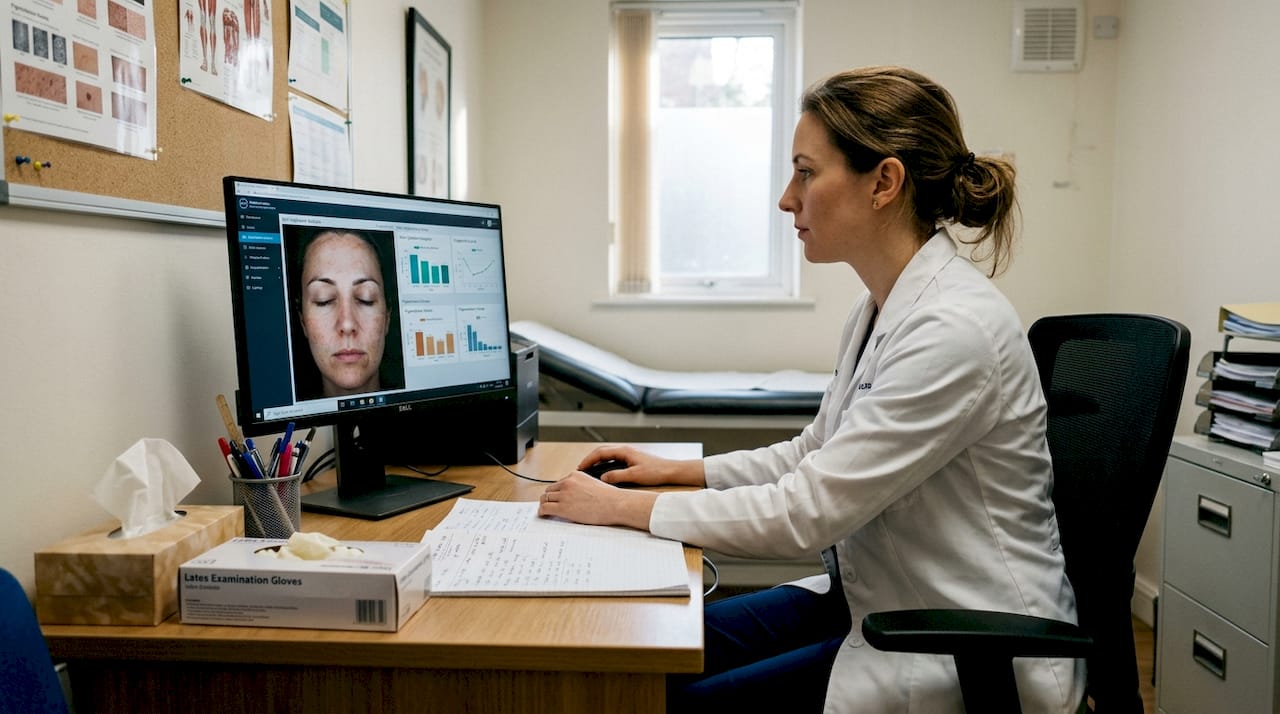
Multi-omics integration represents the frontier of personalised skincare. This approach combines genomics revealing genetic predispositions, proteomics measuring actual protein expression, and metabolomics tracking biochemical processes in real time. Together, these technologies create comprehensive molecular portraits explaining why your skin behaves uniquely. Standard questionnaires about skin type cannot approach this analytical depth.
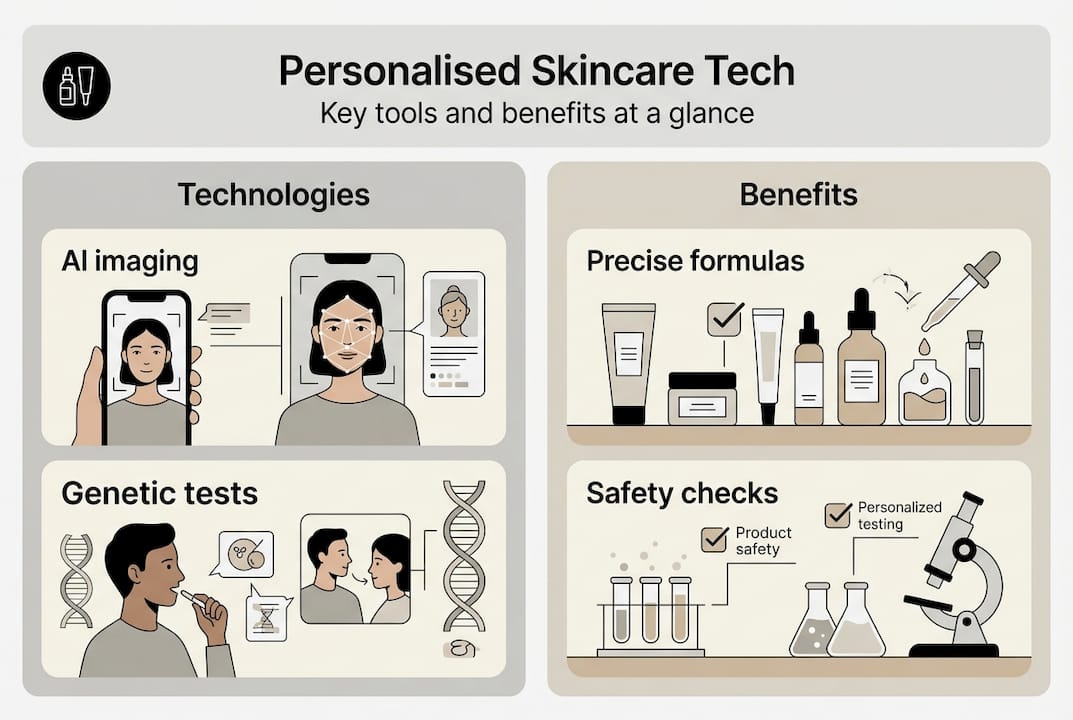
Clinician oversight ensures safety throughout the personalisation process. Medical professionals review genetic analyses for allergy risks, evaluate ingredient interactions, and monitor tolerance during initial applications. Genetic SNP analysis combined with clinician-led compounding creates products both effective and safe for long-term use. This supervision distinguishes legitimate personalisation from direct-to-consumer products lacking professional validation.
| Technology | Primary benefit | Typical application |
|---|---|---|
| AI imaging analysis | Detects subtle skin changes predicting future concerns | Treatment planning and progress monitoring |
| Genomic profiling | Identifies genetic variants affecting ingredient response | Active ingredient selection and concentration |
| Proteomic analysis | Measures actual protein expression beyond genetic potential | Real-time formulation adjustment |
| Metabolomic tracking | Reveals biochemical processes influencing skin health | Lifestyle and supplement recommendations |
| Clinician compounding | Ensures safety and therapeutic efficacy | Custom prescription-strength formulations |
Pro Tip: Verify that brands claiming personalisation use validated diagnostic technologies, not just online questionnaires. Legitimate services provide detailed reports explaining genetic findings and ingredient rationale, whilst superficial offerings rely on subjective self-assessment.
The data-driven approach enables prediction of long-term skin health trajectories. By analysing your genetic ageing patterns, clinicians anticipate future concerns like volume loss or elasticity decline, implementing preventive strategies years before visible changes emerge. This proactive methodology represents a paradigm shift from reactive problem-solving to strategic skin health optimisation.
Advanced imaging technologies complement molecular diagnostics. High-resolution photography captures baseline skin conditions, whilst ultrasound imaging measures dermal thickness and collagen density non-invasively. These objective measurements track treatment efficacy with precision impossible through visual assessment alone, allowing real-time formulation refinement.
When is tailored skincare worth the investment?
Complex skin conditions demonstrate the clearest value proposition for personalised approaches. Individuals struggling with rosacea, persistent hyperpigmentation, or multiple allergies often find generic products ineffective or irritating. Tailored formulations excel for refractory conditions because they address underlying genetic and environmental factors standard products ignore.
High costs and limited accessibility remain significant barriers. Comprehensive genetic profiling, professional consultations, and custom compounding create price points substantially above mass-market alternatives. However, affluent individuals prioritising measurable outcomes over cost often find the investment justified by superior results and reduced trial-and-error expenses from ineffective products.
Beware superficial personalisation lacking scientific foundation. Many brands claim customisation based on brief online quizzes or unverifiable DNA tests. Dermatologists warn against marketing-driven products without validated diagnostics and professional oversight. Authentic personalisation requires clinical-grade testing and expert interpretation, not algorithm-generated recommendations from self-reported preferences.
Ethical considerations deserve attention before pursuing genetic skincare. Privacy concerns surrounding genetic data storage and potential misuse require careful evaluation of provider security practices. Additionally, clinical trial representation remains skewed towards certain demographics, potentially limiting efficacy predictions for underrepresented populations. Discuss these factors with clinicians to make informed decisions.
Signs you should consider tailored skincare:
- Multiple failed attempts with premium generic products yielding minimal improvement
- Diagnosed skin conditions like rosacea, melasma, or severe acne requiring targeted intervention
- Known allergies or sensitivities limiting ingredient options in standard formulations
- Family history of premature ageing motivating proactive prevention strategies
- Willingness to invest significantly for measurable, evidence-based outcomes
- Access to reputable clinics offering comprehensive diagnostic services
Pro Tip: Consult board-certified dermatologists or aesthetic physicians before investing in personalised skincare. They can assess whether your concerns justify the expense and recommend providers using legitimate diagnostic technologies rather than marketing gimmicks.
Luxury skincare seekers often find personalisation aligns with their expectations for bespoke service and premium results. The experience mirrors other luxury sectors where customisation commands premium pricing. However, ensure the underlying science justifies the cost rather than paying primarily for exclusivity.
Specialised treatments addressing specific demographic needs demonstrate how personalisation extends beyond genetics. Environmental factors, hormonal fluctuations, and lifestyle variables all influence optimal formulation design. Comprehensive personalisation considers these elements alongside genetic predispositions.
Ethical providers maintain transparency about safety protocols and limitations. They acknowledge when standard treatments might prove equally effective and avoid overselling personalisation for simple concerns addressable through conventional approaches. This honesty distinguishes reputable practitioners from those prioritising profit over patient welfare.
Integrating tailored skincare into your luxury regimen in London
London’s urban environment creates unique skincare challenges requiring personalised solutions. Pollution particles penetrate skin barriers, triggering inflammation and accelerating oxidative damage. Stress from demanding professional lives elevates cortisol levels, compromising skin repair mechanisms. Tailored formulations address these city-specific factors through targeted protective ingredients and stress-mitigating compounds.
Steps to incorporate personalised products effectively:
- Schedule comprehensive consultation with aesthetic clinicians offering validated diagnostic services
- Complete genetic profiling and advanced imaging to establish baseline skin health metrics
- Receive detailed formulation explanation outlining ingredient rationale and expected outcomes
- Begin with conservative application frequencies, gradually increasing as tolerance develops
- Attend follow-up appointments for progress monitoring and formulation refinement
- Integrate complementary in-clinic treatments enhancing homecare product efficacy
- Maintain consistent application schedules whilst tracking visible and measured improvements
Clinician-led personalisation programmes offer distinct advantages:
- Ongoing monitoring adjusts formulations as skin responds and environmental factors change
- Professional-grade active concentrations exceed over-the-counter product limitations
- Integrated treatment plans combine topical products with aesthetic procedures for synergistic results
- Access to prescription ingredients unavailable in retail formulations
- Expert troubleshooting addresses unexpected reactions or suboptimal responses quickly
Pro Tip: Prioritise clinics using validated diagnostic technologies and offering transparent ingredient sourcing. London superclinics attract international clientele specifically for cutting-edge personalised skincare programmes combining advanced diagnostics with luxury service standards.
London’s leading aesthetic centres integrate personalised skincare within comprehensive skin health strategies. Rather than treating topical products as standalone solutions, they coordinate homecare regimens with in-clinic procedures like chemical peels, laser treatments, and injectable therapies. This holistic approach maximises outcomes by addressing skin health from multiple angles simultaneously.
Professional consultation processes typically span multiple appointments, allowing thorough assessment and gradual treatment escalation. Initial consultations establish goals and conduct diagnostics. Follow-up sessions review early responses and refine formulations. Ongoing maintenance appointments ensure continued optimisation as your skin evolves.
Seasonal adjustments represent another personalisation dimension. London’s climate varies significantly throughout the year, requiring formulation modifications addressing changing humidity, temperature, and UV exposure levels. Winter formulations might emphasise barrier repair and intensive hydration, whilst summer versions incorporate enhanced photoprotection and lighter textures preventing congestion.
Maintaining detailed records supports long-term success. Comprehensive skin health tracking documents product applications, environmental exposures, lifestyle factors, and visible changes. This data enables clinicians to identify patterns correlating specific variables with skin responses, further refining personalisation over time.
Discover personalised aesthetic treatments at the aesthetics room
Your journey towards optimal skin health deserves expert guidance and cutting-edge solutions tailored precisely to your unique needs. The Aesthetics Room combines comprehensive diagnostic technologies with clinician-led personalisation, creating bespoke skincare regimens that deliver measurable improvements in texture, tone, and overall radiance.
Our skin rejuvenation programmes integrate personalised topical formulations with advanced aesthetic treatments for synergistic results. Complement your custom skincare with precisely administered Botox treatments addressing dynamic lines, or enhance volume and contour through expertly placed dermal fillers. Each treatment plan reflects your individual aesthetic goals, skin characteristics, and lifestyle requirements.
Our Knightsbridge location provides the sophisticated environment and professional expertise London’s discerning clientele expect. From initial consultation through ongoing optimisation, you’ll experience the personalised attention and evidence-based care distinguishing true luxury skincare from generic alternatives.
Frequently asked questions
What is tailored skincare and how does it differ from regular skincare?
Tailored skincare uses genetic profiling, advanced imaging, and molecular analysis to create formulations matching your unique skin biology. Unlike generic products designed for broad demographic groups, personalised formulations target your specific genetic predispositions, environmental exposures, and cellular needs. This precision approach delivers superior outcomes by addressing the root causes of your individual skin concerns rather than applying one-size-fits-all solutions.
Who can benefit most from personalised skincare treatments?
Individuals with complex conditions like rosacea, persistent hyperpigmentation, or multiple ingredient sensitivities gain the most significant advantages from tailored approaches. Generic products often fail to address these refractory concerns effectively. Affluent clients seeking measurable improvements and willing to invest in evidence-based luxury solutions also find personalised skincare aligns with their expectations for bespoke service and superior results.
Are personalised skincare products always better than generic ones?
Only products developed through validated diagnostics and clinician oversight demonstrate proven superiority over quality generic alternatives. Superficial personalisation based on online quizzes or unverifiable DNA tests may offer no real benefit beyond standard formulations. Authentic personalisation requires comprehensive genetic profiling, professional interpretation, and ongoing monitoring to justify the premium investment through measurable outcome improvements.
How long does it take to see results from tailored skincare?
Initial improvements in hydration and texture typically appear within two to four weeks of consistent application. Deeper changes like wrinkle reduction and pigmentation correction require eight to twelve weeks as cellular turnover progresses. Genetic factors influence response timelines, with some individuals showing rapid improvements whilst others need extended treatment periods. Clinician-led programmes adjust formulations based on your specific response patterns, optimising outcomes over time.