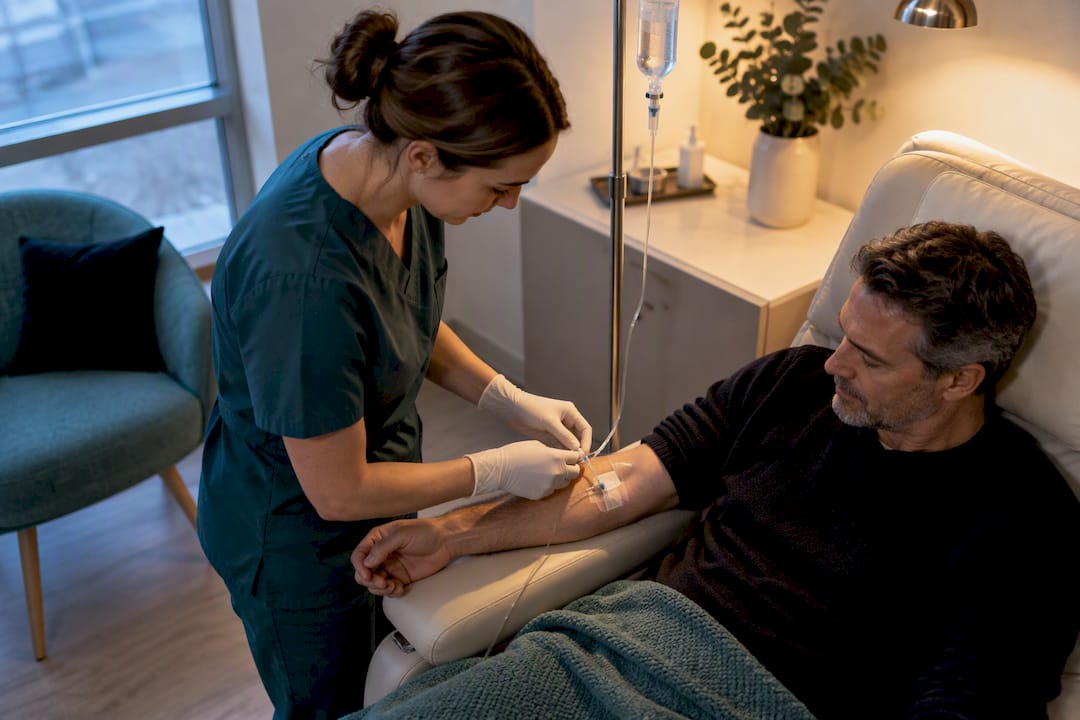


A flawless first impression can influence every meeting in Central London, making the right medical aesthetics workflow a quiet but potent advantage. For high-income professionals who expect both efficiency and discretion, a luxury clinic’s standards are more than a preference, they are a necessity. This guide reveals how a clinic assesses its core operational elements, from practitioner expertise to patient care, to deliver personalised treatments and peace of mind in an uncompromising setting.
Table of Contents
- Step 1: Assess Clinic Requirements For Optimal Workflow
- Step 2: Streamline Patient Bookings And Consultations
- Step 3: Standardise Procedural Preparation Protocols
- Step 4: Implement Efficient Treatment Execution Practices
- Step 5: Verify Outcomes With Post-Treatment Quality Checks
Quick Summary
| Key Point | Explanation |
|---|---|
| 1. Assess Clinic Workflow Needs | Review staff qualifications, treatment room setup, and compliance to optimise operational efficiency and ensure patient safety. |
| 2. Streamline Patient Bookings | Implement digital scheduling and comprehensive intake forms to enhance patient experience and reduce scheduling errors. |
| 3. Standardise Preparation Protocols | Establish consistent protocols for treatment preparation to minimise risks and improve patient care outcomes. |
| 4. Implement Efficient Treatment Practices | Create structured procedures to ensure effective treatment execution while prioritising patient comfort and safety. |
| 5. Verify Outcomes Post-Treatment | Develop a follow-up protocol for monitoring patient feedback and treatment effectiveness to enhance overall satisfaction. |
Step 1: Assess clinic requirements for optimal workflow
Assessing your medical aesthetics clinic’s workflow involves a comprehensive evaluation of clinical standards, regulatory compliance, and operational efficiency. This crucial step ensures you provide safe, professional treatments that meet regulatory standards for cosmetic procedures.
To develop an optimised workflow, you’ll need to systematically review several key areas. Start by comprehensively examining your clinic’s core operational elements:
- Staff qualifications and professional credentials
- Treatment room configuration and equipment standards
- Risk management protocols and safety procedures
- Patient consultation and documentation processes
- Compliance with current healthcare regulations
Your assessment should include a detailed audit of practitioner competencies. This means verifying each professional’s qualifications, training certificates, and ongoing professional development records. Clinical practice standards require that all staff maintain current knowledge and demonstrate expertise in their specific aesthetic treatment domains.
A robust workflow begins with understanding every aspect of your clinical environment and team capabilities.
Carefully document your current processes, identifying potential bottlenecks or inefficiencies. Consider factors like appointment scheduling, patient flow, treatment preparation, and post-procedure care. By creating a systematic approach, you’ll streamline operations and enhance overall patient experience.

Pro tip: Conduct a quarterly workflow review to ensure your clinic remains adaptable and consistently meets evolving regulatory and patient care standards.
Step 2: Streamline patient bookings and consultations
Efficient patient booking and consultation processes are crucial for delivering exceptional medical aesthetic services. By implementing a strategic approach, you’ll create a seamless patient experience that prioritises safety, professionalism, and personalised care. Nursing guidance emphasises thorough patient assessment as a fundamental component of aesthetic treatments.
To streamline your booking and consultation workflow, consider implementing the following systematic approach:
- Digital scheduling platforms for real-time availability
- Comprehensive intake questionnaires to gather medical history
- Pre-consultation documentation for informed consent
- Standardised consultation protocols across all practitioners
- Secure patient record management systems
An efficient booking system transforms patient interactions from transactional to personalised experiences.
Develop a robust digital infrastructure that allows patients to book consultations easily while capturing essential medical information. This includes creating user-friendly online forms that collect critical health details, potential treatment goals, and preliminary screening information. Integrate automated confirmation emails, reminder systems, and clear communication channels to enhance patient engagement and reduce no-show rates.
Pro tip: Invest in a practice management software that integrates booking, consultation, and patient record systems to create a seamless, compliant workflow.
Step 3: Standardise procedural preparation protocols
Creating robust procedural preparation protocols is essential for maintaining the highest standards of patient safety and treatment effectiveness in medical aesthetics. Cosmetic practice standards provide a comprehensive framework for developing consistent, reliable preparation processes that minimise risks and optimise patient outcomes.
To effectively standardise your clinic’s procedural preparation, implement the following strategic elements:
- Treatment room sterilisation protocols
- Personal protective equipment (PPE) checklists
- Equipment calibration and maintenance procedures
- Pre-treatment patient screening documentation
- Consent verification processes
Standardisation transforms individual practitioner variability into a predictable, safe clinical environment.
Develop detailed, step-by-step preparation guidelines that every team member can follow consistently. This includes creating comprehensive checklists for room preparation, equipment setup, and personal protective gear. Ensure that each preparation stage is meticulously documented, with clear accountability and verification steps to prevent potential oversights.
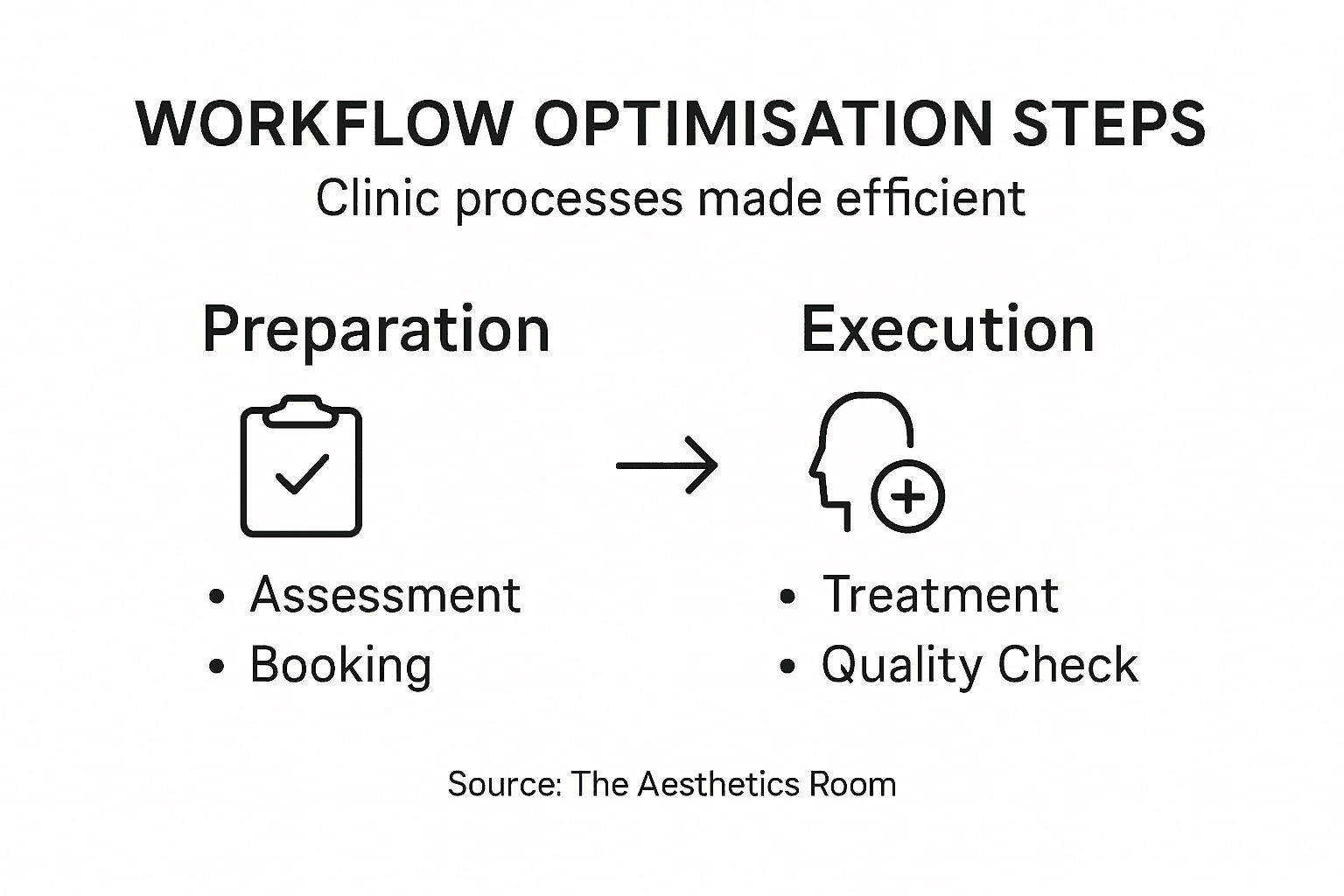
Pro tip: Create laminated, colour-coded preparation checklists for each treatment type to ensure visual, foolproof compliance with standardisation protocols.
Step 4: Implement efficient treatment execution practices
Executing medical aesthetic treatments requires a precise, systematic approach that balances technical skill with patient comfort and safety. Cosmetic practitioner guidelines emphasise the critical importance of professional competence during procedure delivery.
To implement efficient treatment execution, focus on these essential strategic elements:
- Patient positioning and comfort management
- Precise technique application
- Real-time assessment during treatment
- Continuous patient communication
- Immediate complication response protocols
Efficiency in treatment execution transforms technical procedures into personalised healing experiences.
Develop a structured approach that allows practitioners to move seamlessly through each treatment stage. This involves creating clear, repeatable workflows that accommodate individual patient needs while maintaining consistent clinical standards. Ensure that every team member understands the nuanced techniques required for different aesthetic procedures, with emphasis on minimising patient discomfort and maximising treatment effectiveness.
Pro tip: Create individualised treatment execution flowcharts that map each procedure’s specific steps, allowing practitioners to quickly reference optimal techniques and patient care protocols.
Here is a summary of key workflow improvement opportunities for a medical aesthetics clinic:
| Improvement Area | Example Enhancement | Resulting Benefit |
|---|---|---|
| Digital Scheduling | Online patient booking | Fewer errors, easier access |
| Standard Protocols | Laminated step-by-step guides | Safer, more consistent outcomes |
| Patient Engagement | Automated reminders | Reduced missed appointments |
| Outcome Tracking | Digital follow-up system | Better patient satisfaction data |
Step 5: Verify outcomes with post-treatment quality checks
Ensuring exceptional patient care extends far beyond the initial treatment, requiring a systematic approach to post-procedure monitoring and evaluation. Cosmetic practice guidelines emphasise the critical importance of comprehensive post-treatment quality assessments to safeguard patient safety and satisfaction.
Implement a structured post-treatment verification process that encompasses the following key elements:
- Immediate recovery monitoring
- Comprehensive patient feedback collection
- Photographic documentation of treatment results
- Follow-up consultation scheduling
- Adverse reaction tracking systems
Quality checks transform treatments from procedures into personalised healing journeys.
Develop a robust follow-up protocol that allows for detailed tracking of patient outcomes, potential complications, and overall treatment effectiveness. This involves creating standardised communication channels that enable patients to report their experiences, concerns, and results promptly. Ensure that your verification process includes multiple touchpoints, from immediate post-treatment check-ins to long-term result assessments, providing comprehensive care that demonstrates your clinic’s commitment to patient wellbeing.
Comparison of standard and optimised post-treatment quality checks:
| Aspect | Standard Approach | Optimised Approach |
|---|---|---|
| Feedback Collection | Verbal check at discharge | Structured digital surveys |
| Complication Tracking | Manual notes | Automated alert system |
| Follow-Up Scheduling | Paper diary | Integrated reminder software |
| Result Documentation | Basic photos, informal | Secure photographic archive |
Pro tip: Create a digital patient tracking system that automatically triggers follow-up communications and allows for seamless documentation of treatment progression and patient satisfaction.
Optimise Your Clinic’s Workflow with Trusted Expertise at The Aesthetics Room
Improving your medical aesthetics workflow is essential for enhancing patient safety, streamlining operations, and delivering outstanding treatment outcomes. If your clinic is focused on standardising procedural protocols and boosting patient engagement, you will find a perfect partner with The Aesthetics Room. Our commitment to professional care and regulatory compliance aligns with key concepts like standardised consultation protocols and post-treatment quality checks discussed in the article. Discover how implementing advanced injectables and fat dissolving treatments can exemplify these best practices in real clinical settings.
Take the next step today by exploring our range of expertly delivered treatments such as Advanced Injectables – The Aesthetics Room and Fat Dissolving – The Aesthetics Room. Visit The Aesthetics Room to book a consultation that meets your clinic’s high standards for personalised care and clinical excellence. Ensure your patients experience the highest quality aesthetic solutions in London’s most trusted clinics.
Frequently Asked Questions
How can I assess my medical aesthetics clinic’s workflow effectively?
To assess your clinic’s workflow, conduct a comprehensive evaluation of staff qualifications, treatment room configuration, and patient documentation processes. Start by documenting current operational elements and identifying bottlenecks. This structured review can lead to enhanced efficiency within 30 days.
What steps should I take to streamline patient bookings and consultations?
Implement a digital scheduling platform and comprehensive intake questionnaires to simplify patient bookings and consultations. Streamline processes by integrating automated confirmation emails and reminders to enhance patient engagement, reducing no-show rates by around 20%.
How can I standardise procedural preparation protocols in my clinic?
To standardise procedural preparation, develop detailed checklists for treatment room sterilisation and PPE usage. Ensure that all team members follow your established protocols consistently, which can help transform clinical environments into safer spaces for patient care.
What are the key elements of efficient treatment execution practices?
Efficient treatment execution requires a structured approach that includes patient positioning, real-time assessment, and effective communication throughout the procedure. Create clear guidelines and flowcharts for each treatment type to enable practitioners to deliver exceptional patient care consistently.
How do I verify outcomes with post-treatment quality checks?
Implement a structured post-treatment verification process that includes immediate recovery monitoring and comprehensive patient feedback. Develop a follow-up protocol that tracks patient outcomes and allows for prompt responses to complications, ensuring improved overall patient satisfaction.