
Wrinkles and fine lines can appear before you expect them, making you feel less confident about your skin. As your skin changes over time, choosing daily habits and products that genuinely work becomes crucial. The best part is that there are clear, science-backed steps you can use to keep your skin looking smoother and healthier for longer.
From maintaining hydration that supports your skin’s natural moisture barrier to selecting the right sunscreen and ingredients, you can actively protect and renew your complexion every day. Get ready to discover practical strategies proven to make a visible difference and feel in control of your skin health.
Table of Contents
- Stay Hydrated to Support Skin Elasticity
- Use Broad-Spectrum Sunscreen Daily
- Choose Anti-Ageing Skincare Ingredients
- Book Regular Professional Skin Treatments
- Eat a Nourishing, Skin-Friendly Diet
- Adopt Gentle Facial Massage Techniques
- Prioritise Restful Sleep for Skin Renewal
Quick Summary
| Takeaway | Explanation |
|---|---|
| 1. Stay Hydrated Daily | Keeping hydrated improves skin elasticity and reduces wrinkles by supporting skin cell function and regeneration. |
| 2. Use Broad-Spectrum Sunscreen | Daily application of broad-spectrum SPF 30+ sunscreen protects against UV rays and prevents premature ageing and skin damage. |
| 3. Incorporate Anti-Ageing Ingredients | Look for retinoids, peptides, and antioxidants in skincare products to effectively reduce fine lines and enhance skin health. |
| 4. Schedule Professional Skin Treatments | Regular professional treatments like chemical peels and laser therapies provide targeted solutions for rejuvenating your skin’s appearance. |
| 5. Prioritise Restful Sleep | Aim for 7-9 hours of quality sleep to enhance cellular repair and maintain skin hydration and elasticity. |
1. Stay Hydrated to Support Skin Elasticity
Maintaining optimal hydration is fundamental to achieving smoother skin and reducing wrinkle formation. Your skin’s health depends significantly on your daily fluid intake, which directly impacts its elasticity and overall appearance.
Our bodies continuously lose water through natural processes like sweating and metabolic functions. By consistently replenishing these fluids, you support your skin’s natural moisture barrier and promote elasticity. The NHS recommends drinking 6 to 8 cups of fluids daily to maintain proper hydration.
Hydration benefits for skin include:
- Improving skin cell function
- Supporting collagen production
- Maintaining skin plumpness
- Reducing the appearance of fine lines
- Enhancing natural skin regeneration
Water is not just a beverage – it’s your skin’s best defence against premature ageing.
Don’t limit yourself to plain water. Incorporate hydrating foods and beverages like herbal tea, fresh fruits, and vegetable smoothies to boost your fluid intake. These alternatives provide additional nutrients that further support skin health.
Expert tip: Keep a reusable water bottle with you and set hourly reminders to ensure consistent hydration throughout the day.
2. Use Broad-Spectrum Sunscreen Daily
Protecting your skin from harmful ultraviolet radiation is a fundamental strategy for preventing premature ageing and maintaining youthful skin texture. Broad-spectrum sunscreen serves as your primary defence against both UVA and UVB rays that cause skin damage and accelerate wrinkle formation.
British dermatologists recommend daily sunscreen use with SPF 30 or higher, emphasising consistent protection even during overcast British weather. Understanding the nuances of sun protection can dramatically impact your long-term skin health.
Key benefits of daily sunscreen include:
- Preventing premature skin ageing
- Reducing risk of skin cancer
- Protecting against UV-induced cellular damage
- Maintaining even skin tone
- Supporting overall skin resilience
Sunscreen is not a luxury – it’s a non-negotiable investment in your skin’s future.
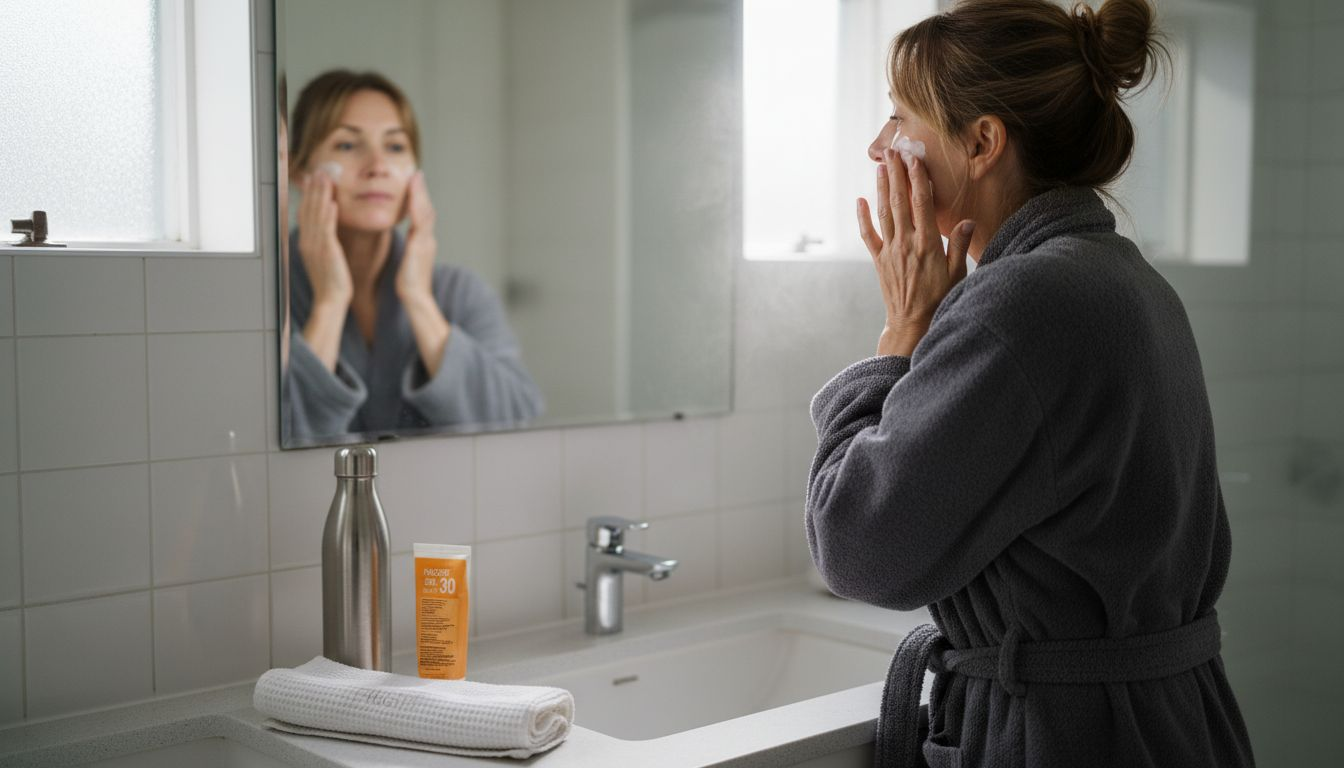
Choose sunscreens that offer broad-spectrum protection with both UVB (SPF) and UVA (star rating) indicators. Physical mineral sunscreens and chemical formulations provide different protection mechanisms suitable for various skin types. Apply generously and reapply every two hours, especially when outdoors.
Expert tip: Keep a small sunscreen in your bag for convenient reapplication throughout the day, ensuring continuous skin protection.
3. Choose Anti-Ageing Skincare Ingredients
Selecting the right anti-ageing skincare ingredients can dramatically transform your skin’s appearance and slow down the natural ageing process. Understanding which powerful compounds effectively target wrinkles and support skin health is crucial for maintaining a youthful complexion.
NHS guidelines recommend specific skincare ingredients that hydrate and protect the skin barrier. Advanced formulations containing targeted anti-ageing compounds can help reduce fine lines and improve overall skin texture.
Key anti-ageing ingredients to look for:
- Retinoids for cellular renewal
- Peptides to support collagen production
- Hyaluronic acid for deep hydration
- Vitamin C for brightening and protection
- Antioxidants to combat free radical damage
Not all ingredients are created equal – select scientifically backed compounds that genuinely support skin health.
Professional skincare requires understanding how different active ingredients interact with your specific skin type. Some ingredients work synergistically while others might cause irritation if not properly combined. Consider consulting a dermatologist to develop a personalised skincare strategy tailored to your unique skin needs.
Government regulations now ensure stricter oversight of cosmetic ingredients, providing additional protection and reliability for consumers seeking effective anti-ageing solutions.
Expert tip: Introduce new active ingredients gradually and patch test to understand how your skin responds to potent anti-ageing formulations.
4. Book Regular Professional Skin Treatments
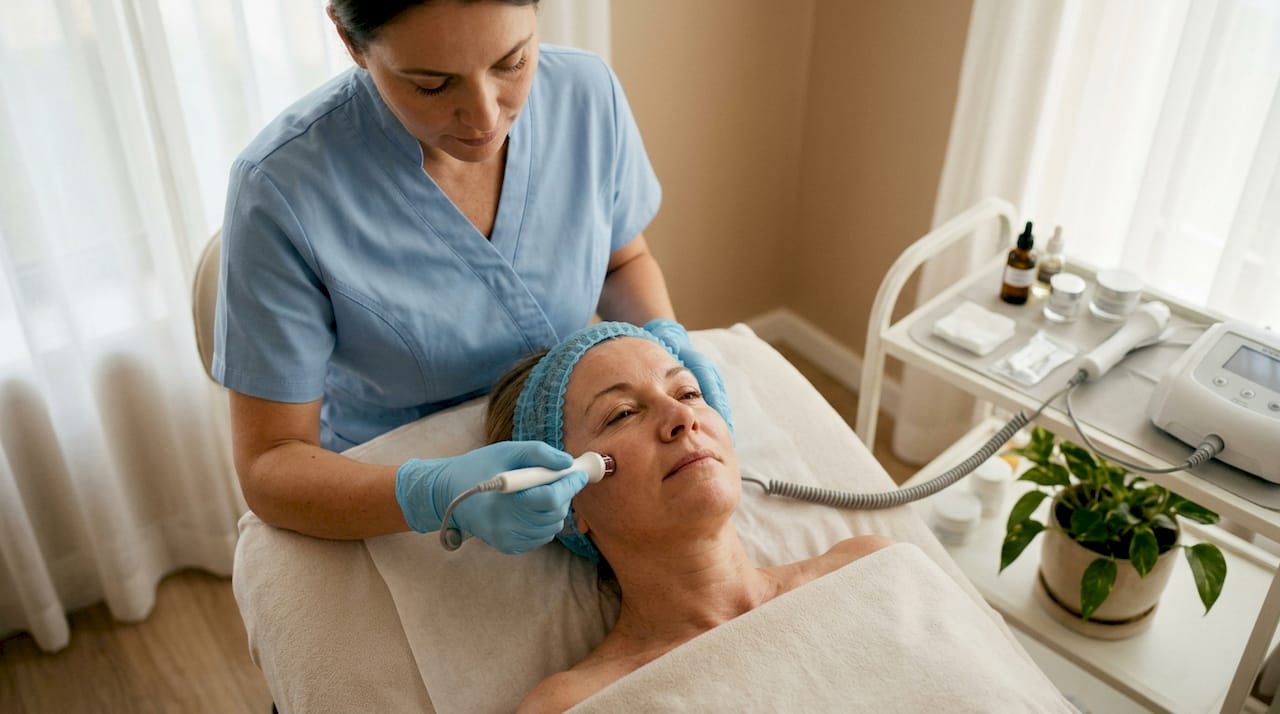
Professional skin treatments represent a strategic approach to combating wrinkles and maintaining youthful skin beyond standard at-home skincare routines. Expert dermatological interventions can provide targeted solutions that significantly enhance skin renewal and reduce visible signs of ageing.
British dermatology specialists offer advanced treatments designed to address specific skin concerns with precision and expertise. These professional interventions go far beyond typical skincare regimens, delivering scientifically proven techniques to rejuvenate and restore skin.
Benefits of professional skin treatments include:
- Targeted wrinkle reduction
- Advanced cellular renewal techniques
- Medical-grade skin resurfacing
- Personalised treatment plans
- Professional assessment of skin health
Professional treatments are not a luxury – they are an investment in your long-term skin vitality.
Medical-grade treatments such as chemical peels, laser therapies, and injectable treatments can provide dramatic improvements in skin texture and appearance. These procedures are carefully administered by trained professionals who understand the nuanced approaches required for different skin types and concerns.
Understanding the range of available treatments allows you to make informed decisions about your skin health. From phototherapy to precision laser treatments, professional interventions can address multiple signs of ageing simultaneously.
Expert tip: Schedule a comprehensive skin consultation to develop a personalised treatment strategy that addresses your unique skin concerns and aesthetic goals.
5. Eat a Nourishing, Skin-Friendly Diet
Your diet plays a pivotal role in maintaining youthful skin and preventing premature wrinkles. What you consume directly impacts your skin’s health elasticity and ability to repair itself from within.
NHS guidelines emphasise balanced nutrition for optimal skin health. Understanding which nutrients support skin regeneration can transform your approach to dietary choices and skincare.
Key nutrients for skin health include:
- Omega-3 fatty acids for inflammation reduction
- Antioxidant-rich fruits and vegetables
- Lean proteins supporting collagen production
- Whole grains providing essential minerals
- Healthy fats promoting skin hydration
Your skin reflects the quality of nutrients you consume – nourish it wisely.
Prioritising whole food nutrition means selecting ingredients that provide comprehensive cellular support. Aim to consume at least five portions of fruits and vegetables daily to supply critical antioxidants that combat skin ageing.
Reducing processed foods and sugary snacks can significantly improve skin appearance. These dietary choices trigger inflammation and accelerate collagen breakdown more rapidly than many people realise.
Expert tip: Integrate colourful plant-based foods into every meal to maximise your skin’s nutritional intake and natural radiance.
6. Adopt Gentle Facial Massage Techniques
Facial massage represents a sophisticated approach to maintaining skin elasticity and reducing the appearance of fine lines. By understanding and implementing precise massage techniques, you can stimulate blood circulation and support natural skin renewal processes.
NHS guidance recommends gentle facial massage as a non-invasive method for improving skin tone. Careful manipulation of facial muscles can enhance lymphatic drainage and promote a more youthful appearance.
Benefits of facial massage techniques:
- Improves blood circulation
- Reduces muscle tension
- Stimulates collagen production
- Enhances lymphatic drainage
- Promotes natural skin elasticity
Precision matters more than pressure when performing facial massage.
The lymphatic drainage approach involves using soft stretching motions directed towards healthy lymph nodes. This technique helps reduce fluid build-up and minimises puffiness while supporting overall skin health.
Consistent practice is key. Start with light touch and gradually develop your technique, always avoiding excessive pressure that might cause skin damage or discomfort.
Expert tip: Use lightweight facial oils to reduce friction and enhance the gliding motion during your massage routine.
7. Prioritise Restful Sleep for Skin Renewal
Quality sleep represents a critical yet often overlooked strategy for maintaining youthful skin and supporting comprehensive cellular renewal. Your body’s natural repair mechanisms activate most effectively during deep, uninterrupted sleep cycles.
NHS experts recommend consistent sleep routines to optimise skin regeneration and overall health. Understanding sleep’s profound impact on skin quality can transform your approach to nightly rest.
Benefits of restorative sleep for skin include:
- Enhanced cellular repair
- Increased collagen production
- Reduced inflammation
- Improved hormone balance
- Natural skin hydration
Sleep is the most potent, yet free, anti-ageing treatment available.
The skin renewal process occurs predominantly during deep sleep stages when growth hormones are released. These hormones stimulate tissue repair cellular regeneration and help maintain skin elasticity and resilience.
Creating an optimal sleep environment involves minimising screen time before bed reducing caffeine intake and maintaining a cool dark bedroom. Consistent sleep schedules signal your body’s natural repair mechanisms to activate most efficiently.
Expert tip: Aim for 7-9 hours of uninterrupted sleep and establish a relaxing pre-bed routine to maximise your skin’s nightly regeneration.
Below is a comprehensive table summarising the strategies and practices for maintaining youthful skin as discussed in the article.
| Aspect | Approach | Key Benefits |
|---|---|---|
| Stay Hydrated | Maintain daily optimal fluid intake, including water, herbal teas, and hydrating foods. | Supports skin elasticity, natural moisture balance, and reduces wrinkle formation. |
| Use Sunscreen Daily | Employ sunscreen with SPF 30 or higher and broad-spectrum protection against both UVA and UVB rays. | Prevents skin damage, reduces ageing signs, and protects against UV rays and skin cancer. |
| Utilise Anti-Ageing Skincare | Integrate tested ingredients such as retinoids, hyaluronic acid, and antioxidants in skincare routines. | Enhances collagen production, improves skin texture, and reduces wrinkles. |
| Seek Professional Treatments | Opt for dermatologist-administered treatments like chemical peels and laser therapies for targeted skin improvements. | Specialised interventions address visible ageing signs, renew skin, and enhance elasticity. |
| Adopt Nutritional Diet | Incorporate omega-3 fatty acids, antioxidant-rich produce, and hydrated-supporting foods for a balanced diet. | Promotes skin repair, reduces inflammation, and supports collagen formation. |
| Practice Facial Massage | Perform gentle facial massage to stimulate blood flow and lymphatic drainage using appropriate techniques and products. | Boosts circulation, enhances skin elasticity, and reduces puffiness. |
| Prioritise Quality Sleep | Maintain consistent, restful sleep patterns of 7-9 hours in a suitable environment to enhance skin recovery during the night. | Facilitates cellular repair, balances hormones, and enhances natural skin hydration. |
Reveal Smoother, Younger-Looking Skin with Expert Care
Wrinkles and fine lines challenge many who seek to maintain their skin’s youthful elasticity and radiance. If you have been exploring expert tips like hydration, daily sun protection, and the use of proven anti-ageing ingredients, you understand the importance of combining knowledge with effective treatments. At The Aesthetics Room, we specialise in personalised approaches to reduce visible signs of ageing through safe and advanced procedures.
Discover how our Anti Wrinkle – The Aesthetics Room solutions can complement your skincare routines and professional advice. Our expert practitioners offer tailored treatments designed to support collagen production, smooth fine lines, and rejuvenate your skin’s natural glow.

Don’t wait to invest in your skin’s future. Book a consultation today at The Aesthetics Room, where safety, professionalism, and personalised care meet in our prestigious London clinics. Begin your journey to revitalised skin by exploring our full range of Skin Treatments – The Aesthetics Room or visit our main site https://theaestheticsroom.co.uk for more details and to secure your appointment.
Frequently Asked Questions
How can I improve my skin’s elasticity to reduce wrinkles?
Improving skin elasticity requires proper hydration. Aim to drink 6 to 8 cups of fluids daily and incorporate hydrating foods like fruits and vegetable smoothies into your diet.
What ingredients should I look for in anti-ageing skincare products?
Focus on finding products that contain ingredients like retinoids, hyaluronic acid, and antioxidants. These compounds can help boost collagen production and improve skin texture over time.
How often should I book professional skin treatments to see results?
Consider scheduling professional skin treatments every 4 to 6 weeks for optimal results. Regular sessions help maintain skin health and effectively target visible signs of ageing.
What dietary changes can help reduce the appearance of wrinkles?
Adopt a nourishing diet rich in omega-3 fatty acids, lean proteins, and antioxidant-rich fruits and vegetables. Aim to include at least five portions of colourful plant-based foods in your meals daily to support skin health.
How does facial massage benefit my skin?
Gentle facial massage can stimulate blood circulation and enhance lymphatic drainage, leading to improved skin tone and elasticity. Practice this technique regularly to notice a difference in skin texture and firmness.
What can I do to enhance my sleep quality for better skin health?
Prioritising restful sleep is essential for skin renewal. Aim for 7 to 9 hours of uninterrupted sleep each night and establish a relaxing bedtime routine to promote deeper sleep and improve overall skin appearance.