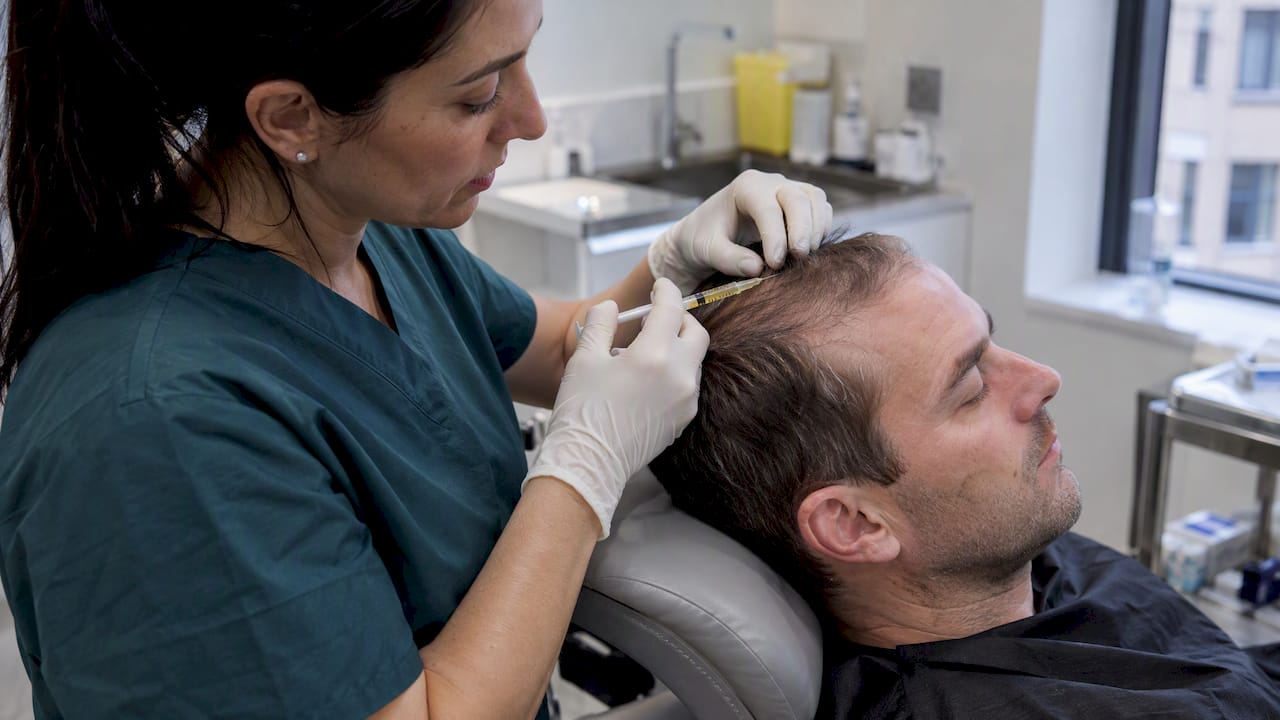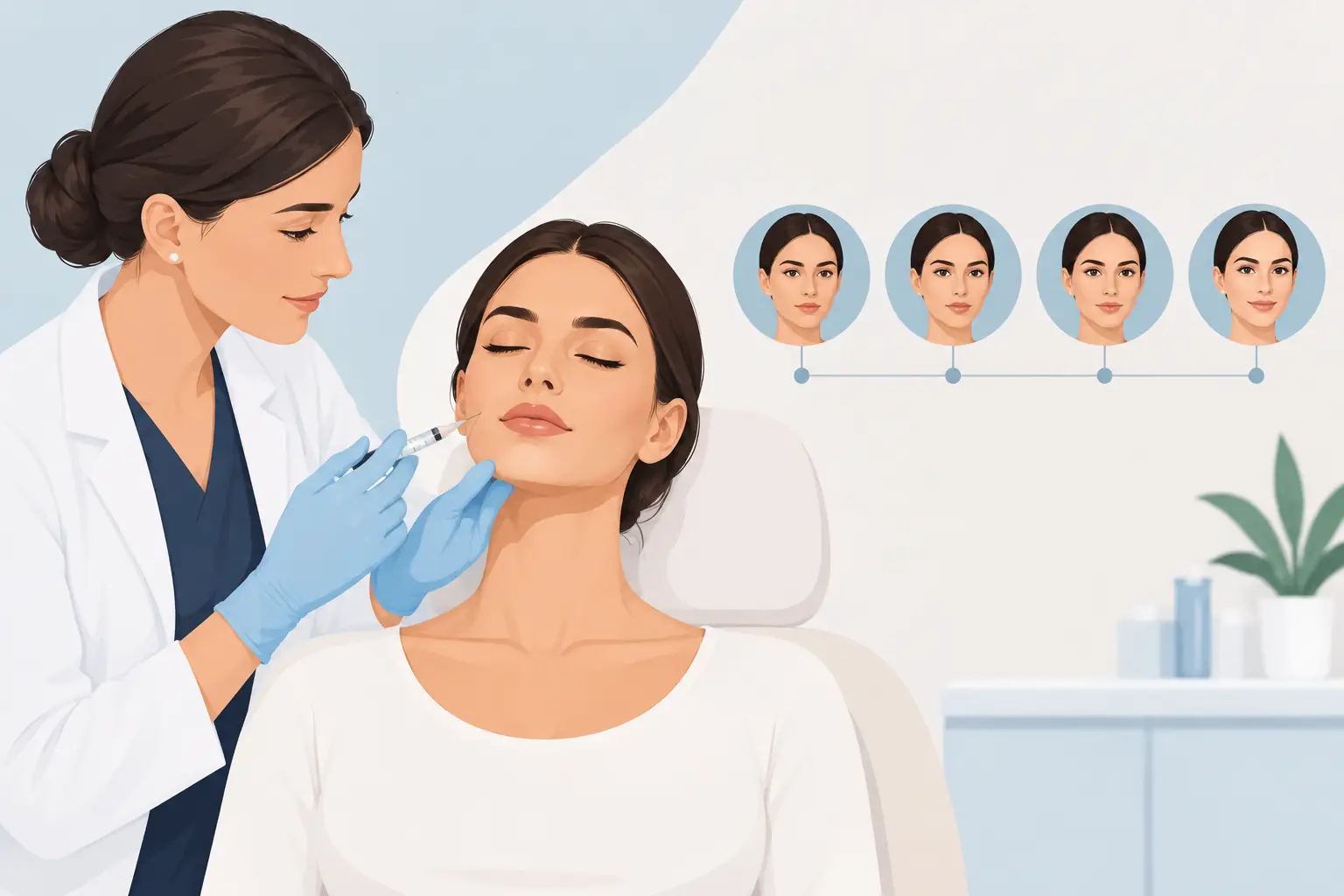
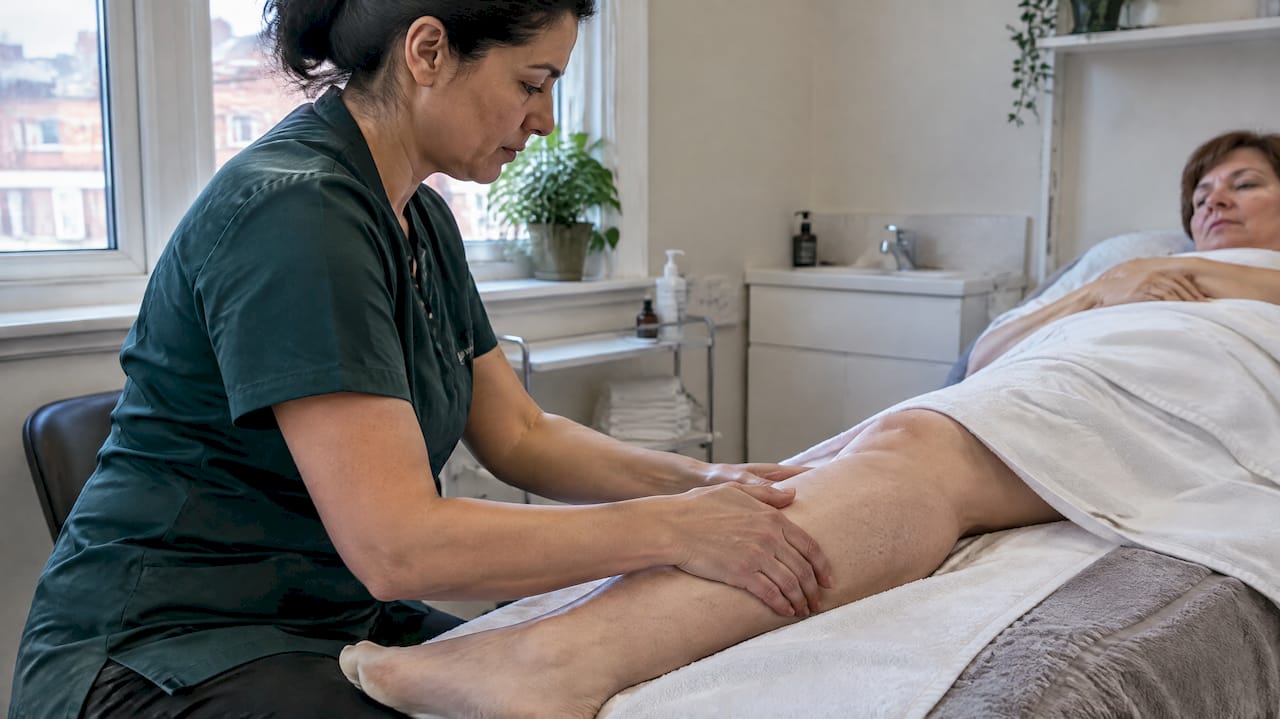

Lymphatic drainage can help reduce swelling and ease discomfort for some patients recovering from surgery, but it is not automatically right for every procedure or every stage of healing. The one condition that matters above all else is sign-off from your surgeon or clinical team, who will confirm your wound is stable and free from infection before any session begins. Once cleared, your options range from professional manual lymphatic drainage (MLD) in a clinic to a simple self-care routine (SLD) you can practise at home.
TL;DR:
- A 2026 review of 463 trial participants found MLD safe, but insufficient evidence supports routine use to reduce early swelling after orthopedic surgery.
- For procedures such as liposuction, clinics may start within three to seven days, but timing depends on wound healing, drains, infection signs, and pain.
- Skip treatment for suspected deep vein thrombosis, infection, unhealed wounds, or uncontrolled heart disease; fever, worsening redness, or unilateral swelling needs urgent medical review.
- Once taught and cleared, practice SLD on dry skin for roughly 20 minutes, using light strokes, and stop if pain, redness, or unusual swelling develops.
- Compression garments and gentle movement help maintain fluid reduction between sessions; follow clinic instructions for daily wear and garment care.
Table of Contents
- What are MLD and SLD, and how do they differ from ordinary massage?
- Why lymphatic drainage may be offered after surgery: benefits and limits of the evidence
- When to start: typical timing and the need for surgical or clinical sign-off
- What happens in a clinic session and what immediate effects to expect
- Safety and contraindications: when not to have lymphatic drainage after surgery
- A safe SLD routine patients can learn: step-by-step self-care
- How lymphatic drainage complements compression, pumps and gentle mobilisation
- Clinic perspective: how a medically led clinic manages post-op lymphatic drainage
- Book a consultation with The Aesthetics Room for clinic-led lymphatic drainage and aftercare
- FAQ
- Sources
What are MLD and SLD, and how do they differ from ordinary massage?
Manual lymphatic drainage is a specialised technique that uses light, rhythmic strokes to encourage fluid movement through the lymphatic pathways, rather than the deeper pressure used in therapeutic or sports massage. NHS guidance describes MLD as a technique primarily used to manage lymphoedema, often delivered alongside compression, skin care and exercise rather than as a standalone fix. Simple lymphatic drainage is a pared-down version of the same principle that patients can learn to practise themselves between clinic visits.
The distinction matters because the goals differ:
- MLD aims to stimulate lymph flow and reduce fluid build-up, not to relax muscles or increase blood flow the way a deep tissue massage does.
- Standard massage can even be counterproductive on fresh surgical tissue, since firmer pressure risks disturbing healing structures.
- MLD should be performed by a qualified practitioner, such as a lymphoedema specialist or trained physiotherapist, particularly in the early weeks after surgery.
- SLD is appropriate for self-care once a clinician has taught you the correct sequence and confirmed it is safe for your situation.
Why lymphatic drainage may be offered after surgery: benefits and limits of the evidence
Patients commonly report softer tissue, reduced local swelling and a general sense of comfort after MLD, particularly following procedures involving larger areas of tissue disruption. The appeal is understandable, but the evidence for using it as a routine tool straight after every operation is thinner than the popularity of the treatment might suggest.
A 2026 systematic review of randomised controlled trials involving 463 participants concluded that MLD is safe, but evidence is insufficient to support its routine use as a primary intervention for reducing early post-operative swelling after orthopaedic procedures. The same review found it may still offer selective, adjunctive comfort for certain patients, which fits what many clinics see in practice: MLD tends to help most with persistent, localised oedema rather than as a blanket treatment expected to change surgical outcomes on its own.
When to start: typical timing and the need for surgical or clinical sign-off
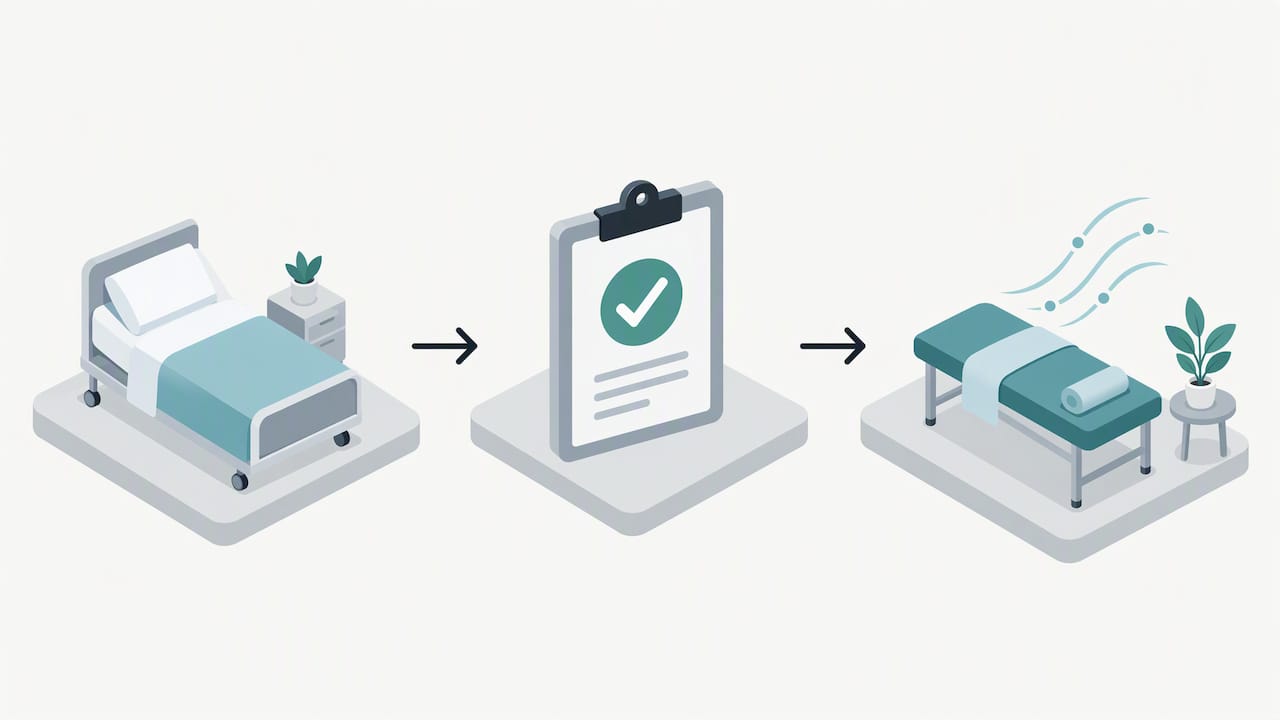
Timing depends heavily on the procedure, but many clinics begin lymphatic work once early swelling starts to build and the wound is stable, commonly within three to seven days after surgery for procedures like liposuction. That window shifts earlier or later depending on drains, stitches and how your individual healing is progressing.
Before approving any session, a clinician will typically check:
- Whether surgical drains have been removed or are being safely managed.
- That the wound is clean, closed and shows no sign of infection.
- That your pain is stable and not worsening, which can signal a complication rather than normal healing.
Confirm timing with your surgeon, a nurse-led follow-up clinic or your GP rather than starting on your own judgement. Self-starting before clearance, even with the best intentions, removes the safety check that makes the treatment worthwhile.
What happens in a clinic session and what immediate effects to expect
A typical appointment follows a predictable structure, and knowing the shape of it in advance makes the first visit far less daunting.
- The therapist begins with an assessment of your surgical site, swelling pattern and general healing progress.
- Light, directional strokes are applied in sequence, working from central clearance points out towards the affected area.
- Technique is adapted around scars, drains or sensitive tissue, since a fixed sequence rarely fits every surgical case.
- The session usually lasts 30 to 60 minutes, depending on the area being treated and how your body responds.
Expect a temporary reduction in tightness or visible volume rather than an instant transformation. MLD supports comfort and fluid movement; it does not reshape or correct the surgical result itself.
Safety and contraindications: when not to have lymphatic drainage after surgery
Lymphatic drainage is generally gentle, but it is not appropriate for every stage of recovery, and knowing the stop signs matters as much as knowing the benefits.
- Active infection or signs of cellulitis around the surgical site rule out treatment until resolved.
- Suspected deep vein thrombosis is an absolute contraindication and needs urgent medical assessment, not massage.
- Unstable or unhealed wounds, open sutures or active fluid leakage mean treatment should wait.
- Uncontrolled cardiac conditions should be flagged to your clinician before any session is booked.
Certain symptoms call for immediate medical review rather than a wait-and-see approach: increasing redness or heat around the wound, a high fever, severe swelling in one limb only, or pain that is getting worse rather than settling. Discharge guidance from NHS trusts notes that mild fluid or small leaks can be normal for up to 72 hours after surgery, but anything beyond that pattern, or any of the red flags above, warrants a call to your surgical team, your GP, or NHS 111.
Pro Tip: Check your wound before every SLD session, not just before your first one. Healing is not linear, and a change that was fine yesterday might not be fine today.
A safe SLD routine patients can learn: step-by-step self-care
Once cleared by a clinician, SLD gives you a practical way to support your recovery between clinic visits. NHS self-care guidance describes the routine as something best done on dry skin, without oils or creams, using pressure gentle enough that the skin moves but never reddens.
- Start with slow, deep breaths to encourage central lymph clearance around the chest area.
- Work from the centre outward, using light strokes towards already-cleared points rather than away from them.
- Repeat each sequence several times, keeping the whole routine to around 20 minutes.
- Practise daily, since the benefit tends to build with repetition rather than arriving after a single session.
Stop immediately if you notice pain, redness or swelling that feels different from your normal healing pattern, and escalate to a professional MLD session if self-care alone is not keeping symptoms settled.
Pro Tip: Do your SLD routine at roughly the same time each day. A consistent habit is easier to stick with than an occasional one, and consistency is what drives the cumulative effect.
How lymphatic drainage complements compression, pumps and gentle mobilisation
MLD and SLD rarely work best in isolation. The Royal Marsden notes that compression garments and graded exercise are typically used alongside manual techniques to maintain the reductions achieved in a session rather than lose them again within hours.
- Compression garments or pumps help sustain fluid reduction between MLD sessions and support ongoing drainage, as described in this clinical guide to lymphatic compression therapy.
- Gentle mobilisation and breathing exercises use the body’s own muscle pump to keep lymph moving, which is particularly useful on days without a clinic appointment.
- Compression is generally worn during waking activity, following your clinic’s guidance on daily hours.
- Clean skin and freshly laundered garments reduce infection risk, and garments should be replaced as advised rather than used past their effective life.
Our aftercare guidance for patients covers how these elements fit together across a typical recovery timeline.
Clinic perspective: how a medically led clinic manages post-op lymphatic drainage
A properly run clinical pathway starts well before any strokes are applied. We begin with an assessment of your surgical history and current healing stage, then confirm sign-off from your surgeon or GP before booking treatment. Sessions are delivered by trained staff within a medically overseen setting, and documentation tracks progress across visits rather than treating each appointment in isolation.
Alongside clinic sessions, we teach SLD so you have a safe routine for the days between appointments. A first consultation typically covers your surgical notes, current symptoms and any compression already in use, so bring whatever discharge paperwork you have. Our lymphatic drainage aftercare page sets out what that pathway looks like in more detail.
— Vishul
Book a consultation with The Aesthetics Room for clinic-led lymphatic drainage and aftercare
Recovering well after surgery often comes down to having the right support at the right moment, rather than guessing your way through aftercare alone. Our clinic ensures lymphatic drainage sits within a properly governed clinical pathway, not a stand-alone spa treatment and every session is delivered by trained practitioners who coordinate with your existing surgical care.

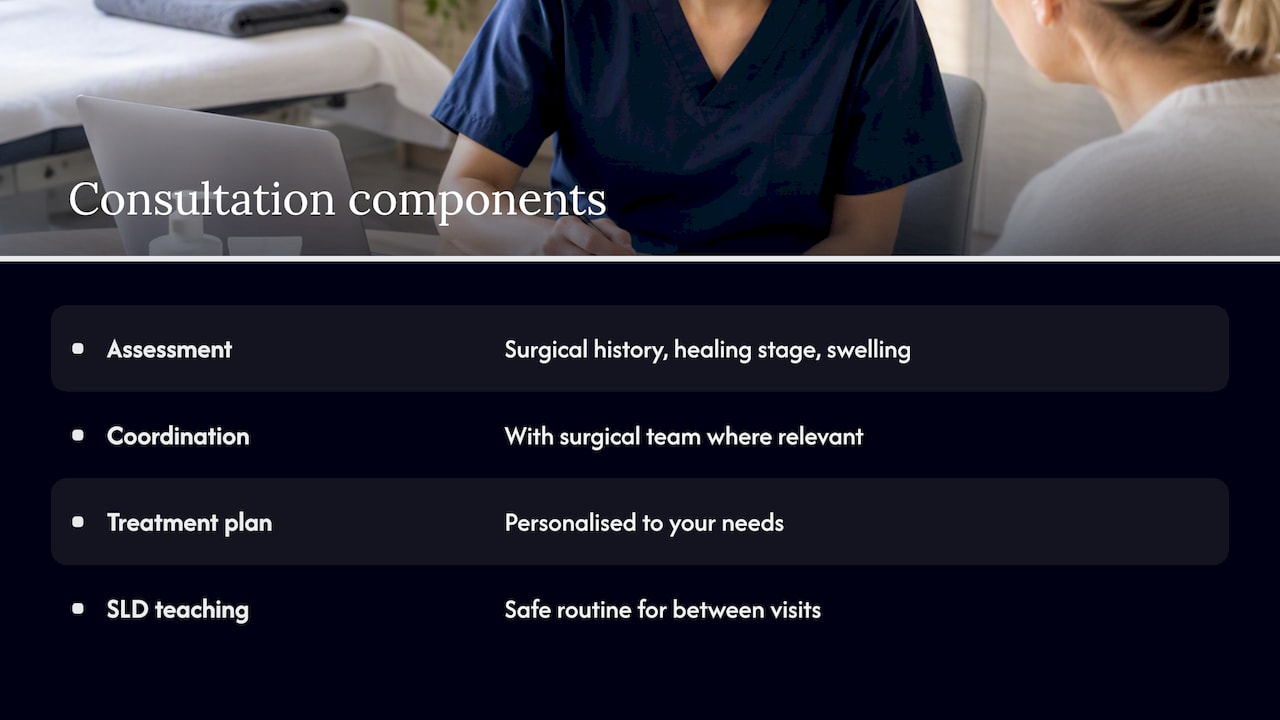
A consultation with us typically includes an assessment of your surgical history, healing stage and current swelling pattern, coordination with your surgical team where relevant, and development of a personalised treatment plan. We also provide hands-on SLD teaching for a safe routine to use between visits.
Bring any discharge paperwork or surgeon’s notes to your first appointment. You can view full details and pricing on our price list, or get in touch to book a consultation and discuss the right timing for your recovery.
This article is general information, not a substitute for advice from a qualified doctor. Consult a qualified healthcare professional about your own circumstances before acting on anything here.
FAQ
What to do after lymphatic drainage?
Keep the treated area dry and avoid hot showers, saunas or strenuous exercise for the rest of the day, since your tissues are more responsive to pressure changes immediately after a session. Drink water, wear any prescribed compression garment as directed, and continue your SLD routine if it has been taught to you, watching for any unusual redness or swelling.
Is lymphatic drainage good post-surgery?
It can help some patients with swelling, tightness and general comfort, but it is not a routine requirement after every operation. A 2026 systematic review found MLD safe but noted the evidence for routine early post-operative swelling reduction is limited, so it tends to work best as an adjunct alongside compression and clinical monitoring rather than a stand-alone fix.
How to do lymphatic drainage massage on yourself after surgery?
Once your clinician has cleared you, SLD is typically practised on dry skin using slow, light strokes that work from the centre of the body outward towards already-cleared areas, for around 20 minutes a day. NHS self-care guidance recommends starting with breathing exercises before moving to peripheral strokes, and stopping if you notice pain or redness.
When should you not do lymphatic drainage?
Avoid it if there are signs of active infection, suspected deep vein thrombosis, an unstable or unhealed wound, or uncontrolled cardiac conditions. NHS discharge guidance flags increasing redness, heat, fever or sudden worsening of swelling as reasons to seek urgent medical review rather than continue with massage.
Sources
- Lymphoedema treatment | NHS
- Systematic review on manual lymphatic drainage (2026) | PubMed
- Lymphatic drainage | The Royal Marsden