
TL;DR:
- Proper aftercare is essential for successful healing after cosmetic procedures, reducing risks of infection, swelling, and poor results. Following evidence-based wound care, managing pain and swelling, and maintaining healthy lifestyle habits support optimal recovery and outcomes. Recognizing warning signs and seeking prompt medical attention prevent complications and ensure safe healing.
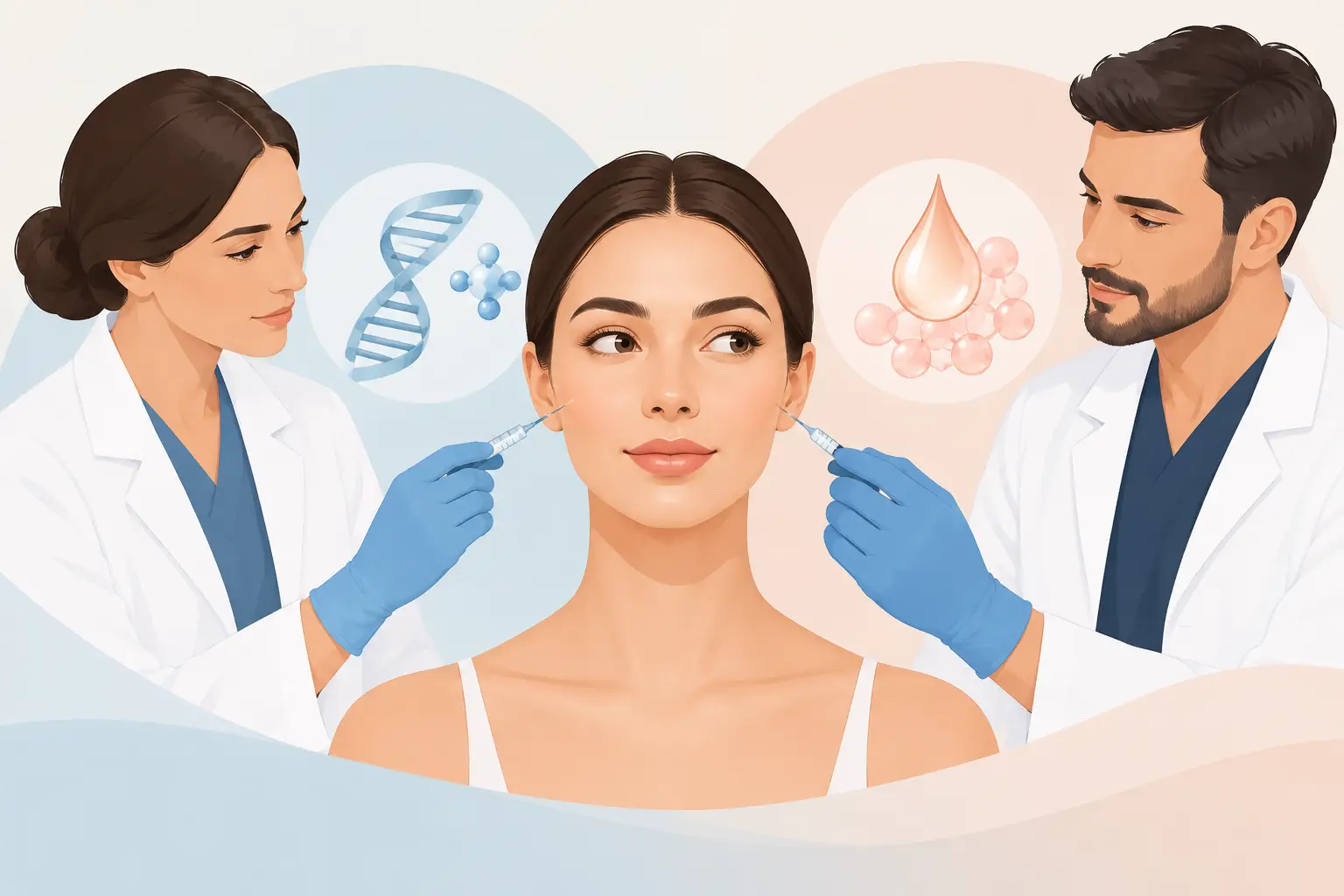
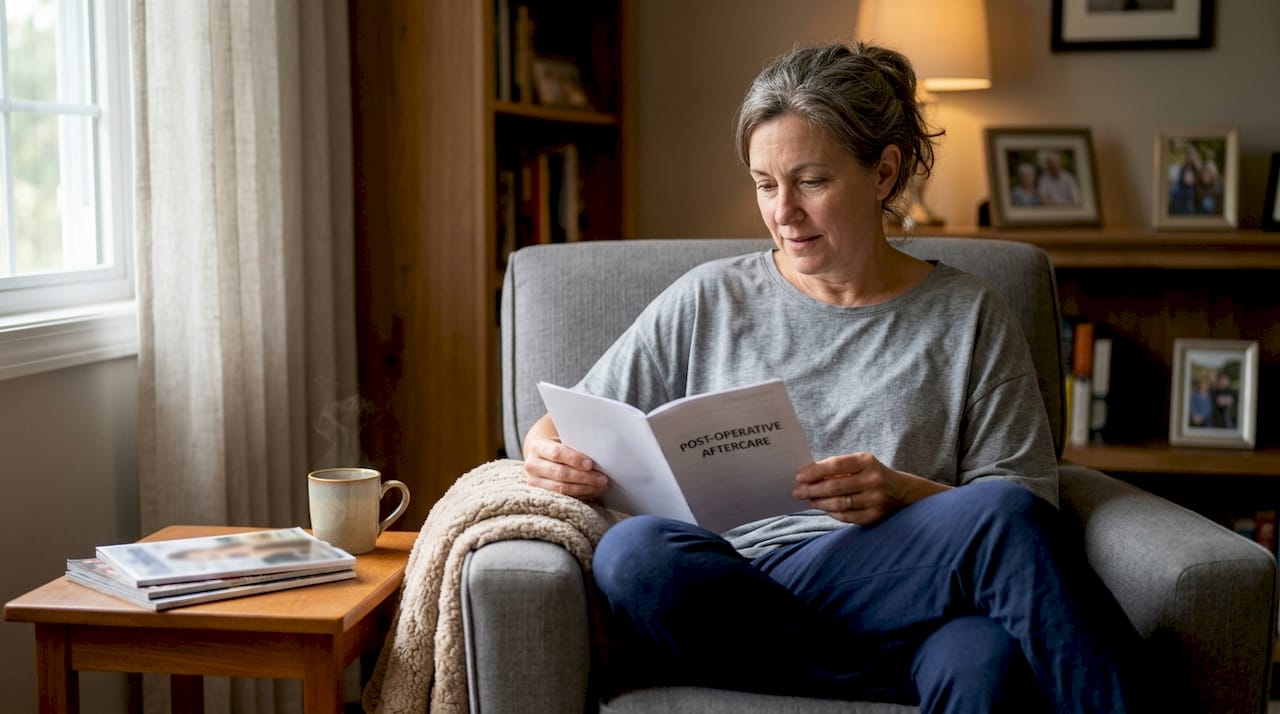
Aftercare tips for patients are the evidence-based steps that determine how well you heal after a cosmetic procedure. Follow them correctly and you reduce your risk of infection, swelling, and poor results. Skip them and even the most skilled treatment can underperform. The ACE Group’s 2026 clinical guidelines place clear written aftercare and emergency contact access at the centre of safe aesthetic practice. At Theaestheticsroom, every patient leaves with a personalised recovery plan built around these standards. The guidance below covers wound care, pain management, lifestyle adjustments, and the warning signs that need urgent attention.
1. What are the key aftercare tips for patients after cosmetic procedures?
Effective post-treatment care advice starts with understanding what your body is doing after a procedure. Tissue is repairing, collagen production is stimulated, and your immune system is working to clear debris. Every action you take in the first 48 hours either supports or disrupts that process.
The most common mistakes patients make are touching the treated area too soon, skipping hydration, and returning to exercise before the tissue is ready. These are not minor oversights. They can extend recovery by days and, in some cases, trigger complications that require clinical intervention.
The role of aftercare in aesthetics is not supplementary. It is a clinical phase of your treatment. Treat it with the same seriousness you gave to booking and preparing for the procedure itself.
2. How to care for your wound after a cosmetic procedure
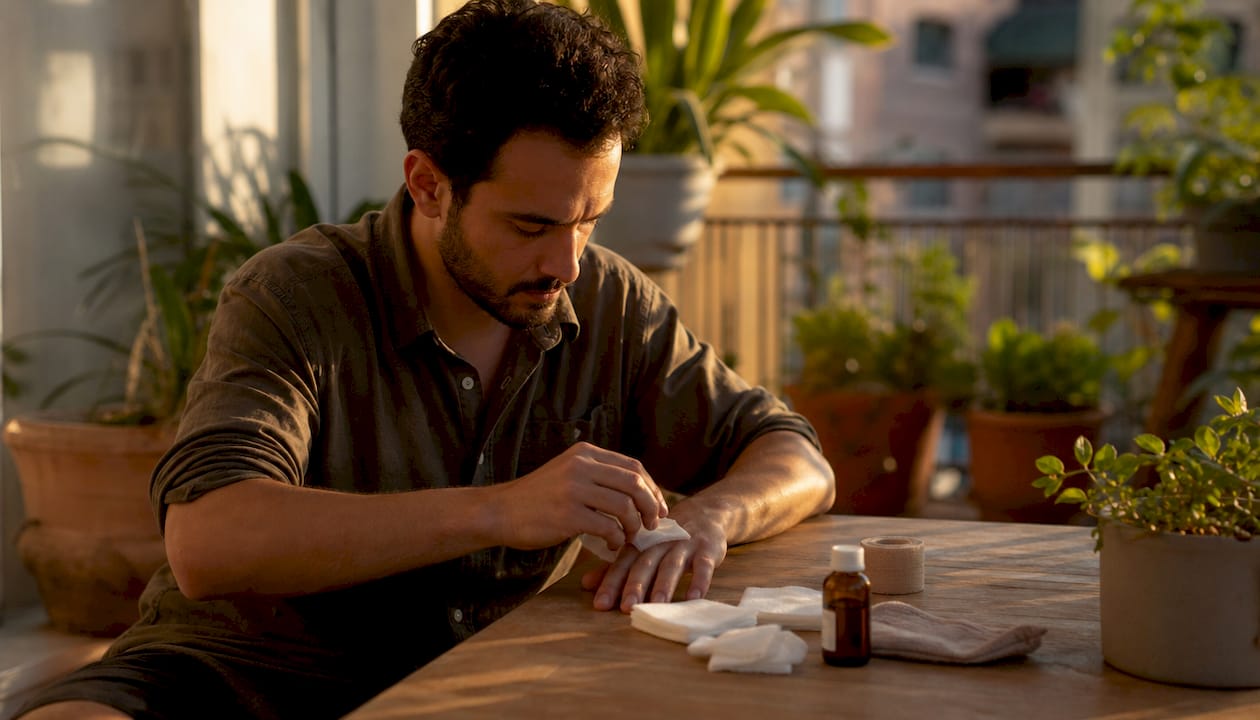
Wound hygiene is the single most important factor in preventing infection after any cosmetic procedure. Proper handwashing before touching the area, avoiding contamination, and following your practitioner’s dressing instructions are non-negotiable steps.
Key wound care practices include:
- Keep the wound clean and dry unless instructed otherwise by your practitioner.
- Change dressings only when advised. Disturbing a dressing too early can pull away new tissue.
- Avoid submerging the area in water, including baths, swimming pools, and hot tubs, until the wound is fully closed.
- Do not pick, scratch, or apply unprescribed creams to the site.
- If minor bleeding occurs, apply firm pressure for 5–10 minutes. Contact your emergency helpline if bleeding continues beyond that window.
Most simple wounds heal within 10–14 days. That timeline gives you a clear benchmark. If your wound looks the same or worse at the two-week mark, contact your GP or clinic without delay.
Pro Tip: Take a photo of your wound on day one and again on day seven. A side-by-side comparison makes it far easier to spot whether healing is progressing normally or stalling.
3. How to manage pain and swelling during recovery
Pain and swelling after a cosmetic procedure are normal. They are signs that your body is actively healing, not that something has gone wrong. The goal is to manage them so they do not interfere with your daily life or slow tissue repair.
Practical steps to reduce discomfort:
- Take paracetamol at the correct dose as directed on the packaging. Avoid ibuprofen unless your practitioner has specifically approved it, as it can increase bleeding risk.
- Apply a cold pack wrapped in a clean cloth to the area for short intervals. Never apply ice directly to skin.
- Keep the treated area elevated where possible, particularly in the first 24–48 hours. Elevation reduces fluid pooling and speeds bruising resolution.
- Avoid activities that raise your blood pressure, including intense exercise, heavy lifting, and prolonged bending.
Bruising and swelling typically subside within a few days for most patients. If pain intensifies rather than eases after the first 48 hours, that is a signal worth acting on.
Pro Tip: Sleep with an extra pillow under your head for the first three nights after a facial procedure. This simple adjustment reduces overnight fluid accumulation and noticeably speeds up bruising resolution.
4. Which lifestyle adjustments support the best recovery?
Self-care tips for patients go well beyond the treatment site. Your overall lifestyle in the days following a procedure directly affects how quickly and cleanly you heal.
- Hydrate consistently. Hydration supports toxin clearance and aids digestion during recovery. Aim for at least 1.5–2 litres of water daily.
- Rest properly. Sleep is when tissue repair accelerates. Prioritise seven to nine hours per night in the first week.
- Return to exercise gradually. Avoid heavy lifting and intense exercise for at least 24–48 hours after a procedure. For more involved treatments, your practitioner will advise a longer pause.
- Avoid alcohol. Alcohol dilates blood vessels, increases swelling, and impairs the immune response. Avoid it for at least 48 hours post-procedure.
- Stop smoking during recovery. Smoking restricts blood flow to healing tissue and significantly slows collagen production.
- Protect your skin from the sun. UV exposure on healing skin causes hyperpigmentation and delays repair. Use SPF 30 or higher and cover the area when outdoors.
- Eat nutrient-rich foods. Vitamin C supports collagen synthesis. Zinc aids immune function. Both are found in foods like citrus fruit, leafy greens, nuts, and seeds.
Your complete recovery guide from Theaestheticsroom covers procedure-specific lifestyle advice in greater detail.
5. Mental wellbeing and decision-making after anaesthetic
The mental effects of anaesthetic are underestimated by most patients. Judgement remains impaired for up to 24 hours after a general or sedation anaesthetic. This is a clinical fact, not a precaution.
During this window, avoid:
- Making significant financial or personal decisions.
- Caring for children, elderly relatives, or dependants without additional adult support.
- Posting on social media. Impaired judgement combined with an emotional state post-procedure is a combination that patients frequently regret.
- Driving or operating any machinery.
Even after local anaesthetic, numbness in the treated area lasts 2–3 hours. Avoid hot drinks and chewing on the numb side to prevent accidental tissue injury. Your mental state is part of your recovery. Treat it accordingly.
6. What warning signs should prompt you to seek medical advice?
Knowing the difference between normal healing and a complication is one of the most valuable pieces of patient recovery knowledge you can have. Swelling, redness, and minor oozing are expected in the first 24–48 hours. What follows is not.
| Symptom | What it may indicate | Action |
|---|---|---|
| Increased warmth and spreading redness | Possible infection | Contact your clinic or GP same day |
| Persistent or worsening pain after 48 hours | Infection or vascular issue | Call your emergency helpline immediately |
| Wound not healing after 14 days | Delayed healing or complication | Book a GP or clinic review |
| Unusual or heavy bleeding | Vessel damage | Apply pressure and seek urgent care |
| Fever above 38°C | Systemic infection | Go to A&E or call 111 |
The ACE Group’s 2026 guidelines specifically highlight the importance of emergency helpline access for all aesthetic patients. Your clinic should provide this contact before you leave. If they have not, ask for it.
Follow-up appointments are not optional extras. They allow your practitioner to assess wound healing progress and catch any early signs of complications before they escalate.
Key takeaways
Effective aftercare is a clinical phase of your cosmetic procedure, and following evidence-based guidance from the ACE Group and NHS significantly reduces your risk of complications and improves your final results.
| Point | Details |
|---|---|
| Wound hygiene is non-negotiable | Wash hands before touching the area and follow dressing instructions precisely. |
| Most wounds heal within 10–14 days | Contact your GP or clinic if healing stalls or symptoms worsen at this point. |
| Lifestyle choices directly affect results | Avoid alcohol, smoking, and intense exercise for at least 48 hours post-procedure. |
| Mental judgement is impaired post-anaesthetic | Avoid major decisions, driving, and caring responsibilities for up to 24 hours. |
| Know your warning signs | Spreading redness, persistent pain, or fever require same-day or urgent clinical review. |
What I have learned about aftercare and patient expectations
Patients consistently underestimate the recovery phase. They invest time researching the procedure, choosing the right clinic, and preparing for the day itself. Then they treat aftercare as an afterthought. That disconnect is where most avoidable complications originate.
What I have seen over years of working in aesthetic medicine is that the patients who heal best are not necessarily those who had the smoothest procedures. They are the ones who followed their aftercare instructions without improvising. They did not swap paracetamol for ibuprofen because it was what they had in the cupboard. They did not go to the gym on day three because they felt fine. They trusted the process.
The ACE Group’s insight that patients sharing recovery photos supports practitioner education and improves safety standards across the field is worth taking seriously. When patients engage actively with their recovery, including documenting it, they contribute to better outcomes for everyone who comes after them.
Realistic expectations also matter enormously. Swelling at day two does not mean the treatment has failed. Bruising at day five is not a sign of damage. Patients who understand the normal healing timeline are far less likely to panic, seek unnecessary interventions, or abandon their aftercare plan prematurely. Clear communication between patient and practitioner before the procedure is the foundation of a calm, compliant recovery.
— Vishul
Aftercare support at Theaestheticsroom
Theaestheticsroom provides every patient with written aftercare guidance tailored to their specific procedure, whether that is Botox or dermal fillers. Our practitioners, based across Knightsbridge, Harley Street, and Mayfair, are CQC-accredited and members of the ACE Group, meaning your care meets the highest clinical safety standards in the UK.
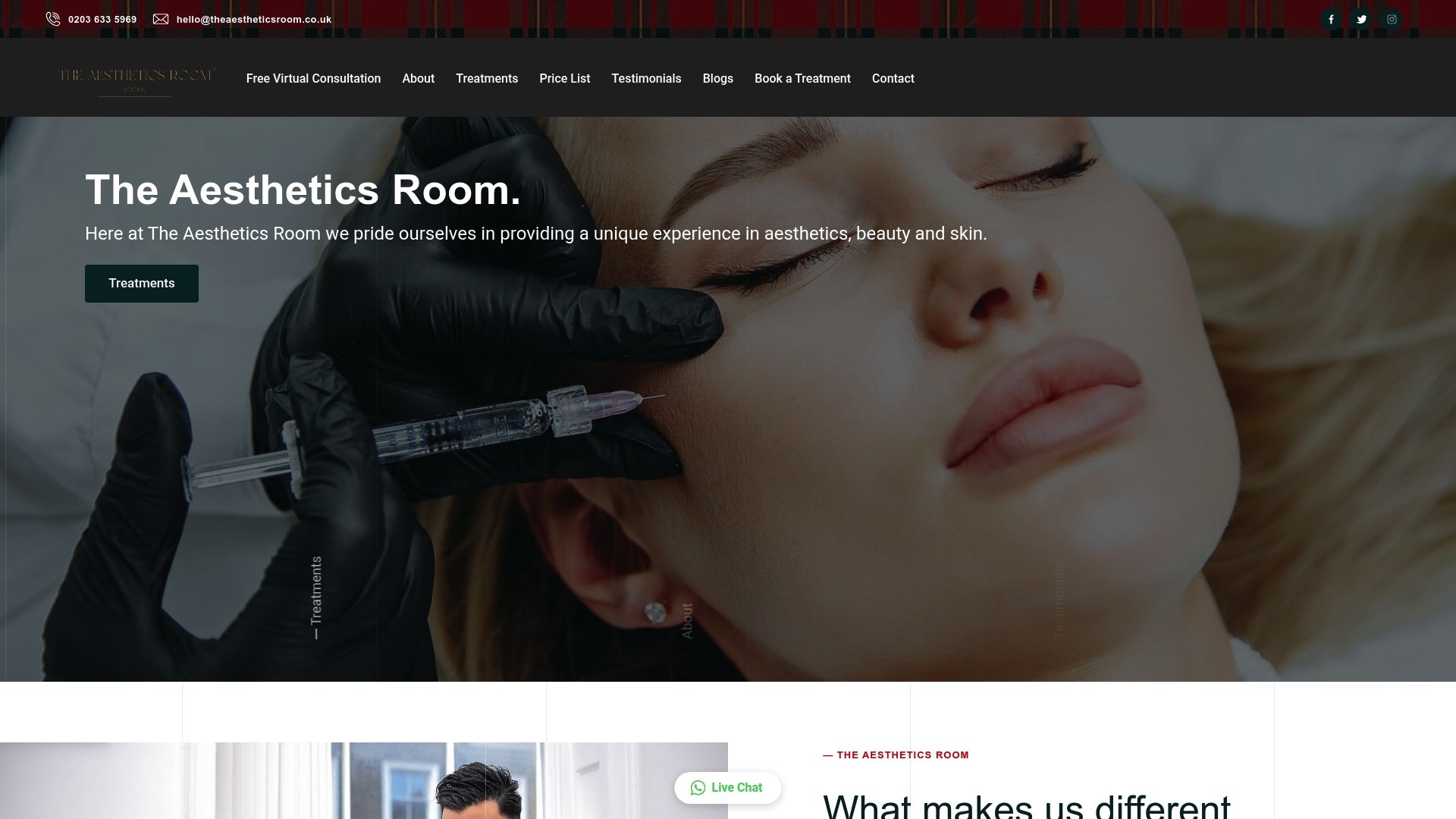
Every patient has access to an emergency helpline and scheduled follow-up appointments as standard. We do not consider your treatment complete until your recovery is confirmed. If you have questions about a procedure or want to understand what your recovery will look like before you book, our team is available for virtual or in-person consultations.
FAQ
How long does recovery take after a cosmetic procedure?
Most simple wounds heal within 10–14 days. More involved procedures may require a personalised recovery roadmap from your practitioner.
Can I exercise after a cosmetic treatment?
Avoid heavy lifting and intense exercise for at least 24–48 hours post-procedure. Your practitioner will advise a longer rest period for more complex treatments.
What painkillers are safe to take after a cosmetic procedure?
Paracetamol at the correct dose is the recommended option. Avoid ibuprofen unless your practitioner has specifically approved it, as it can increase bleeding risk.
When should I contact my clinic after a procedure?
Contact your clinic or emergency helpline if you experience spreading redness, persistent pain after 48 hours, a wound that has not healed by day 14, or a fever above 38°C.
Does aftercare affect the final results of my treatment?
Aftercare directly affects your results. Hydration, sun protection, avoiding alcohol and smoking, and following wound care instructions all support collagen production and reduce the risk of complications that can alter your outcome.