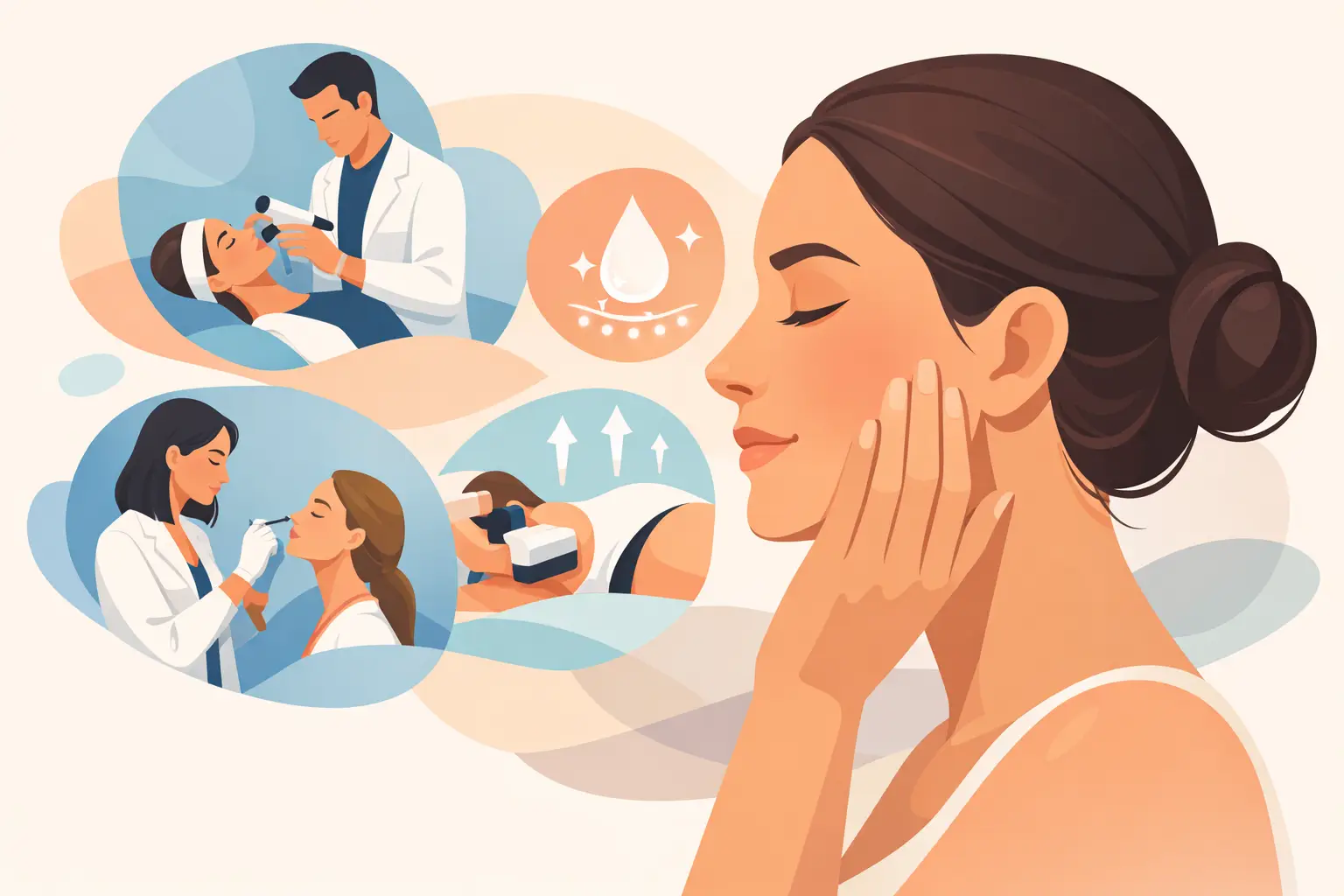
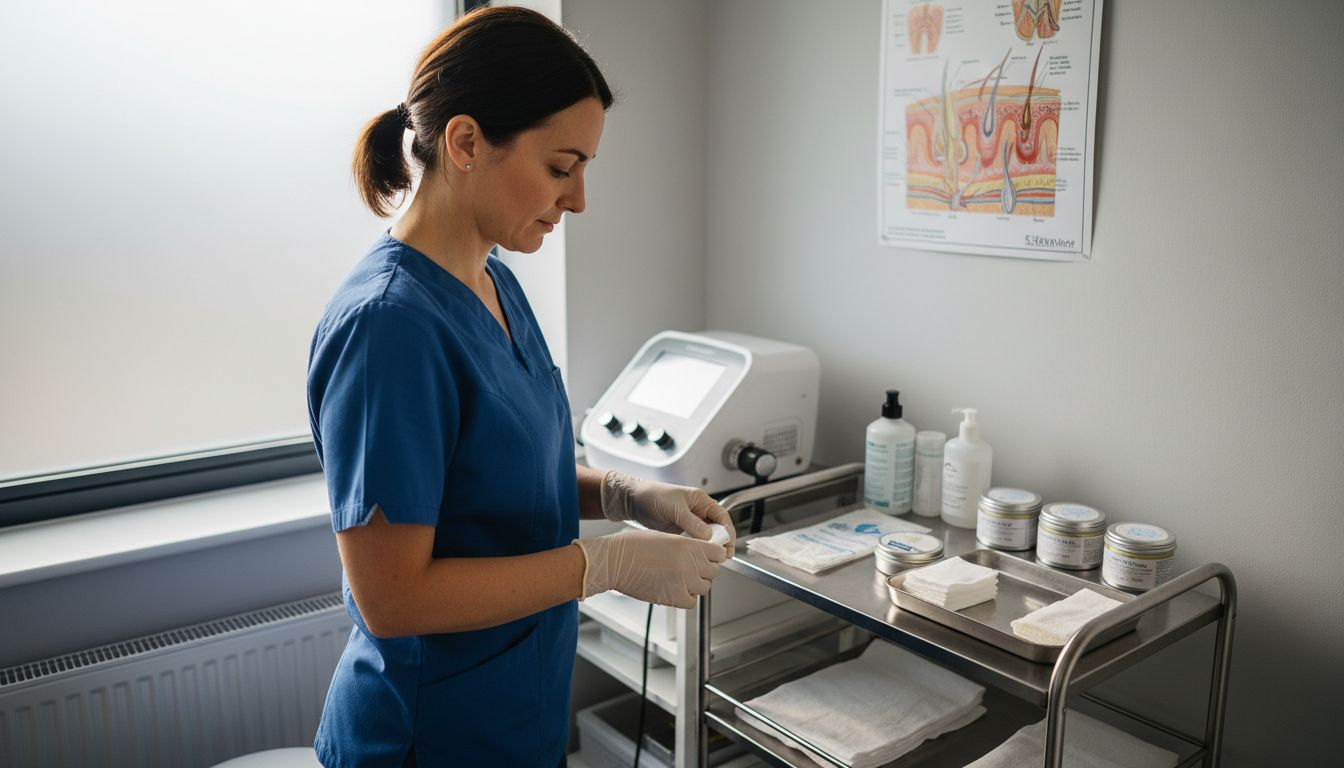

The pursuit of flawless skin in London often begins with the science behind recovery rather than the treatment itself. Understanding the four stages of wound healing—haemostasis, inflammation, proliferation, and remodelling—is crucial for those investing in advanced cosmetic procedures. By appreciating this intricate biological process, discerning clients can make informed choices that optimise results, safeguard their wellbeing, and elevate their aesthetic satisfaction.
Table of Contents
- Wound Healing in Aesthetics Defined
- Phases of Skin Healing After Treatments
- Factors Influencing Aesthetic Recovery
- Risks, Complications, and How to Avoid Them
- Best Practices for Aftercare and Scar Minimisation
Key Takeaways
| Point | Details |
|---|---|
| Wound Healing Stages | Understanding the four stages of wound healing—Haemostasis, Inflammation, Proliferation, and Remodelling—is essential for practitioners in aesthetic treatments to optimise recovery outcomes. |
| Factors Influencing Recovery | Key physiological and psychological factors, alongside treatment-specific variables, significantly affect both the speed and quality of aesthetic recovery; personalised approaches can enhance results. |
| Risks and Mitigation | Awareness of common risks in aesthetic procedures, combined with rigorous practitioner training and safety protocols, is crucial for minimising complications and ensuring patient safety. |
| Aftercare Best Practices | Implementing comprehensive aftercare strategies focused on wound management, nutrition, and patient education is pivotal for effective scar minimisation and improved healing results. |
Wound Healing in Aesthetics Defined
Wound healing represents a sophisticated biological process fundamental to aesthetic interventions, involving intricate cellular and physiological mechanisms that restore skin integrity and function. Detailed healing stages demonstrate how the body systematically repairs and regenerates tissue following aesthetic treatments.
The wound healing process comprises four critical stages, each playing a crucial role in successful tissue restoration:
- Haemostasis: Immediately stops bleeding and initiates the healing cascade
- Inflammation: Activates immune responses and prepares tissue for repair
- Proliferation: Generates new tissue through collagen production and angiogenesis
- Remodelling: Restructures and strengthens the healing tissue
In aesthetic treatments, understanding these stages becomes paramount. Wound management mechanisms reveal how different interventions can influence healing trajectories, ultimately determining treatment outcomes and patient satisfaction.
The complexity of wound healing extends beyond simple tissue repair, representing a dynamic interplay between cellular communication, inflammatory responses, and regenerative processes. Practitioners must comprehend these nuanced biological interactions to design treatments that support optimal healing and minimise potential complications.
Pro tip: Monitor your patient’s healing progress closely and adjust aftercare protocols based on individual tissue response and recovery patterns.
Phases of Skin Healing After Treatments
The journey of skin healing following aesthetic treatments is a complex biological process comprising distinct yet interconnected stages. Cellular and molecular mechanisms reveal the intricate pathway through which damaged tissue regenerates and restores its functional integrity.
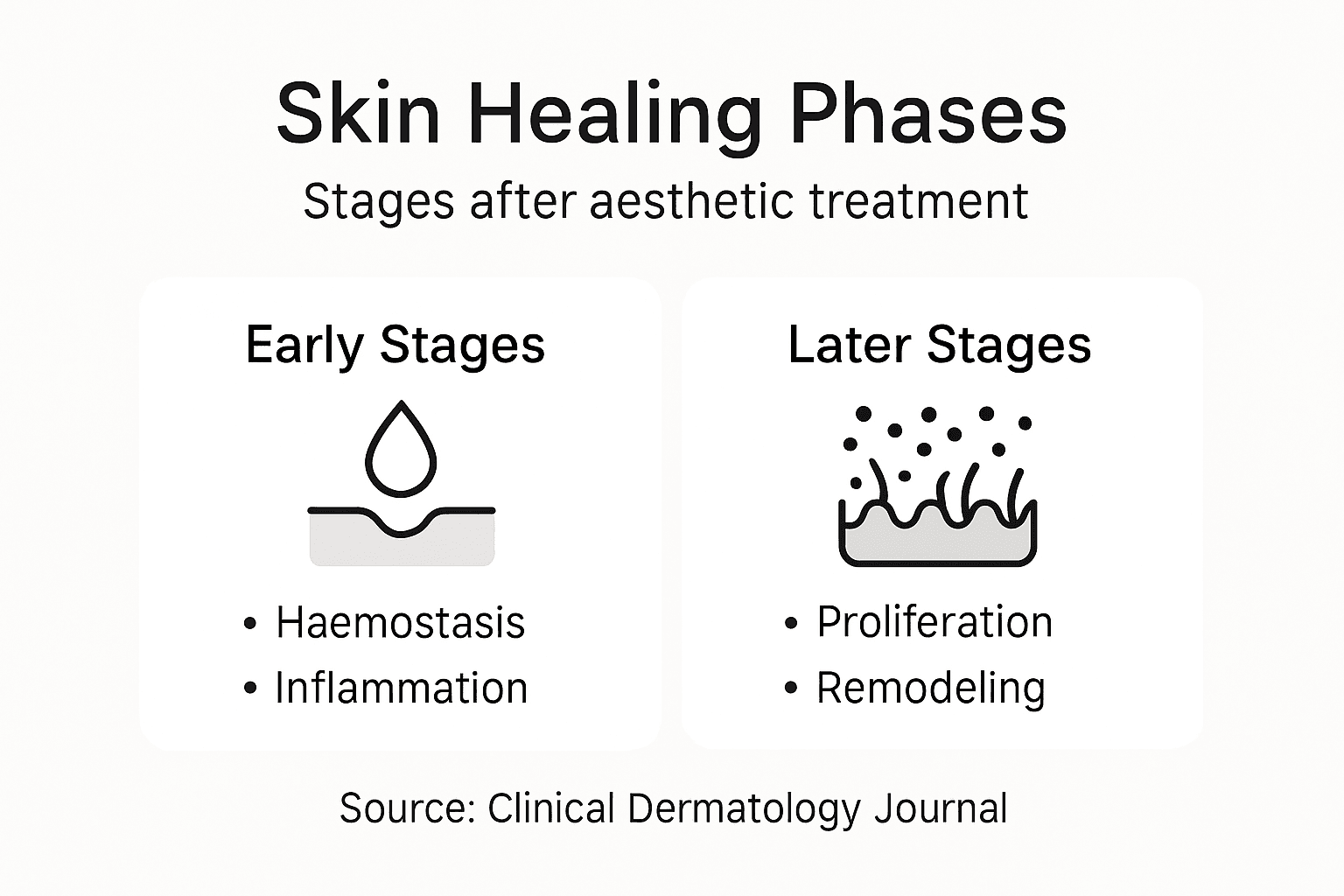
The skin healing process unfolds through four fundamental phases, each characterised by specific biological responses:
- Haemostasis: Immediate blood clotting and platelet activation
- Inflammation: Immune cell recruitment and protective response
- Proliferation: Tissue reconstruction and new blood vessel formation
- Remodelling: Tissue strengthening and scar tissue refinement
Aesthetic treatment wound healing demonstrates how these phases interact dynamically, determining the ultimate aesthetic outcome. During proliferation, fibroblasts generate new collagen and elastin, while inflammatory cells communicate to manage tissue repair, ensuring optimal skin regeneration.
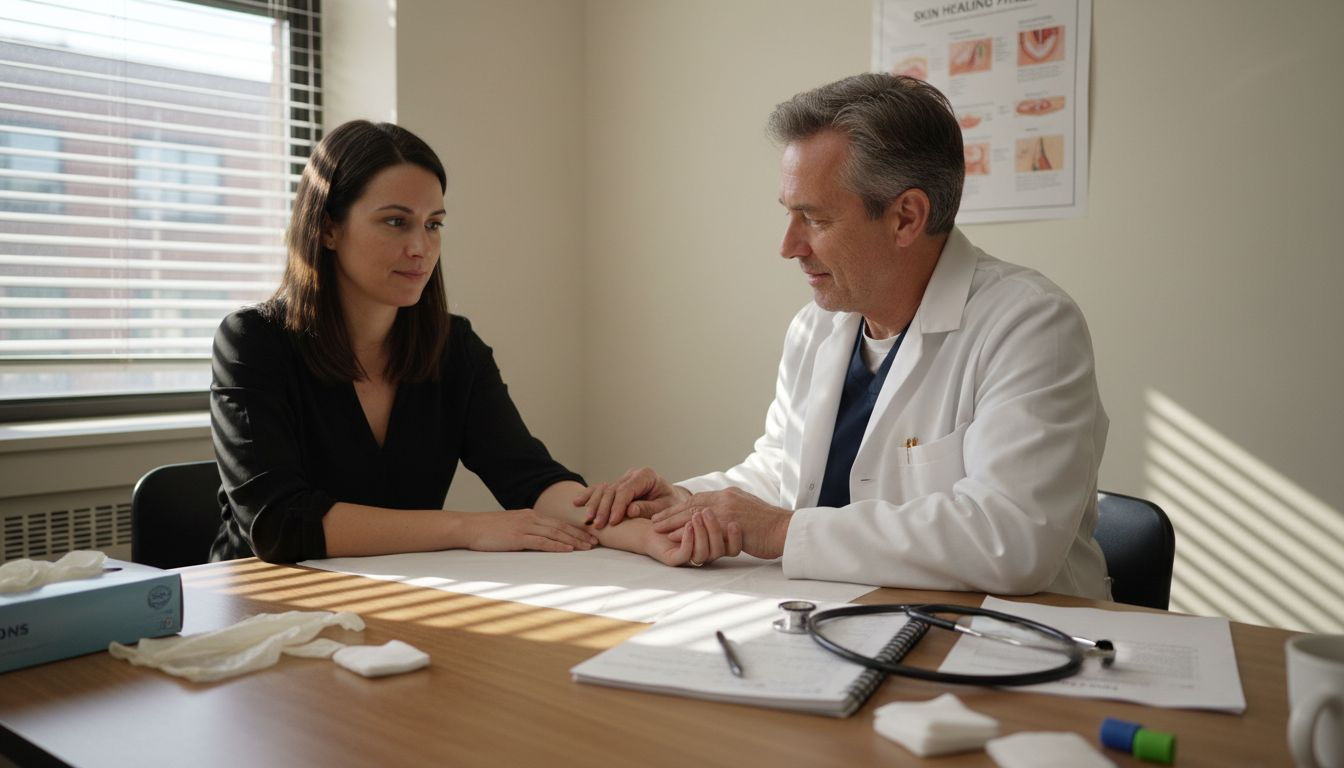
Understanding these healing phases allows practitioners to design personalised treatment protocols that support the body’s natural regenerative processes. By comprehending the nuanced biological interactions, aesthetic professionals can minimise potential complications and enhance patient recovery experiences.
Pro tip: Develop individualised aftercare strategies that align with each patient’s unique healing progression and tissue response.
Factors Influencing Aesthetic Recovery
Aesthetic recovery is a nuanced process influenced by a complex interplay of individual physiological, psychological, and environmental factors. Systematic review of treatment factors reveals the multidimensional nature of patient healing and recovery experiences in aesthetic interventions.
Key factors impacting aesthetic recovery include:
-
Physiological Factors:
- Age and natural healing capacity
- Overall health and immune system functionality
- Skin type and tissue elasticity
- Existing medical conditions
-
Lifestyle Influences:
- Nutritional status
- Hydration levels
- Sleep quality
- Stress management
- Exercise and physical activity
-
Treatment-Specific Variables:
- Procedure complexity
- Individual treatment technique
- Practitioner expertise
- Patient’s pre-treatment preparation
Psychological aspects play a significant role in aesthetic recovery, with patient expectations, emotional resilience, and mental preparedness directly influencing healing outcomes. Patients with positive mindsets and realistic expectations typically demonstrate more efficient recovery processes and greater satisfaction with their aesthetic interventions.
The following table highlights how various physiological and lifestyle factors can influence both the speed and quality of aesthetic wound recovery:
| Factor Type | Example | Impact on Recovery Speed | Effect on Healing Quality |
|---|---|---|---|
| Physiological | Patient age | Older age slows repair | Can increase scarring risk |
| Lifestyle | Hydration levels | Poor hydration delays | Leads to less optimal tissue repair |
| Psychological | Patient expectations | Positive mindset aids | Reduces visible scarring |
| Treatment-Specific | Practitioner expertise | Higher skill, faster | More natural final appearance |
Pro tip: Develop a comprehensive pre-treatment assessment that evaluates both physical and psychological factors to personalise recovery strategies.
Risks, Complications, and How to Avoid Them
Aesthetic treatments, while transformative, inherently carry potential risks that demand comprehensive understanding and proactive management. Public health considerations in aesthetic procedures underscore the critical importance of patient safety and professional expertise in mitigating potential complications.
Common risks in aesthetic interventions include:
-
Infection-Related Risks:
- Bacterial contamination
- Viral transmission
- Compromised wound healing
- Potential systemic inflammatory responses
-
Procedural Complications:
- Vascular occlusion
- Unintended tissue damage
- Allergic reactions
- Asymmetrical results
- Nerve damage
-
Long-Term Potential Issues:
- Scarring
- Persistent inflammation
- Tissue deformation
- Unnatural aesthetic outcomes
Aesthetic medicine complications management emphasises that most risks can be significantly minimised through rigorous practitioner training, meticulous patient assessment, and adherence to stringent safety protocols. Understanding individual patient medical history, conducting thorough pre-treatment consultations, and maintaining exceptional clinical standards are fundamental to reducing potential adverse outcomes.
Proper patient selection, advanced technical skills, and continuous professional development represent the most effective strategies for comprehensive risk mitigation in aesthetic interventions.
Below is a summary comparing common risks of aesthetic procedures and corresponding professional mitigation strategies:
| Risk Type | Typical Cause | Mitigation Approach |
|---|---|---|
| Infection | Poor aseptic technique | Use sterile procedures, antibiotics |
| Vascular occlusion | Incorrect injection | Ultrasound guidance, immediate reversal |
| Allergic reaction | Incompatible materials | Thorough pre-treatment screening |
| Scarring | Poor aftercare | Individualised wound management |
Pro tip: Prioritise comprehensive patient screening and maintain updated medical knowledge to proactively identify and prevent potential treatment complications.
Best Practices for Aftercare and Scar Minimisation
Effective scar management requires a comprehensive approach that supports optimal healing and minimises long-term aesthetic complications. Comprehensive scar care strategies emphasise the importance of proactive and personalised wound management techniques.
Key aftercare practices for scar minimisation include:
-
Immediate Wound Care:
- Keep the treatment area clean and protected
- Apply recommended healing ointments
- Avoid direct manipulation of the wound
- Use sterile dressings as instructed
-
Hydration and Nutrition:
- Maintain optimal skin hydration
- Consume nutrient-rich foods supporting healing
- Stay well-hydrated
- Consider supplements promoting collagen production
-
Protection and Management:
- Use high-SPF sunscreen
- Avoid direct sun exposure during healing
- Gentle massage techniques
- Monitor wound progression
Psychological factors also significantly impact healing outcomes. Patients who maintain a positive outlook and follow professional aftercare instructions typically experience more successful aesthetic recovery and reduced scarring.
Consistent, gentle care is the cornerstone of effective scar minimisation and optimal aesthetic results.
Pro tip: Consult your aesthetic practitioner for a personalised aftercare plan tailored to your specific treatment and skin type.
Achieve Flawless Recovery with Expert Skin Care Solutions
Understanding the intricate stages of wound healing is essential to achieving the best results from your aesthetic treatments. From haemostasis through to remodelling, every phase plays a vital role in skin regeneration and scar minimisation. If you are seeking personalised care that respects these natural biological processes and supports optimal healing, explore our comprehensive range of Skin Treatments at The Aesthetics Room. We provide expert guidance tailored to your unique recovery needs, ensuring your skin looks and feels its best.

Take the next step towards radiant, healthy skin by booking a consultation with our trained specialists. Visit The Aesthetics Room today and discover how advanced treatments like Dermal Fillers can complement perfect wound healing, giving you confidence in your aesthetic journey. Your safe and effective transformation awaits.
Frequently Asked Questions
What are the stages of wound healing in aesthetics?
The wound healing process in aesthetics comprises four critical stages: haemostasis, inflammation, proliferation, and remodelling. Each stage plays a vital role in restoring skin integrity and function following aesthetic treatments.
How do individual factors influence aesthetic recovery?
Aesthetic recovery can be influenced by various factors, including physiological elements like age and overall health, lifestyle aspects such as nutrition and stress management, and psychological factors like patient expectations and mindset.
What are the common risks and complications associated with aesthetic treatments?
Common risks in aesthetic treatments include infection, vascular occlusion, allergic reactions, and scarring. Understanding these risks and adhering to safe practices can help minimise potential complications.
What are the best practices for aftercare and minimising scars post-treatment?
Key aftercare practices include keeping the treatment area clean, maintaining skin hydration, using sunscreen for protection, and following your practitioner’s instructions on wound care and monitoring progress.
Recommended
- Role of Aftercare in Aesthetics – Ensuring Lasting Results – The Aesthetics Room
- Why Pain Management in Aesthetics Matters Most – The Aesthetics Room
- Patient Journey in Aesthetics – Personalised Care Unpacked – The Aesthetics Room
- Ethics in Medical Aesthetics – Why Safety Matters – The Aesthetics Room