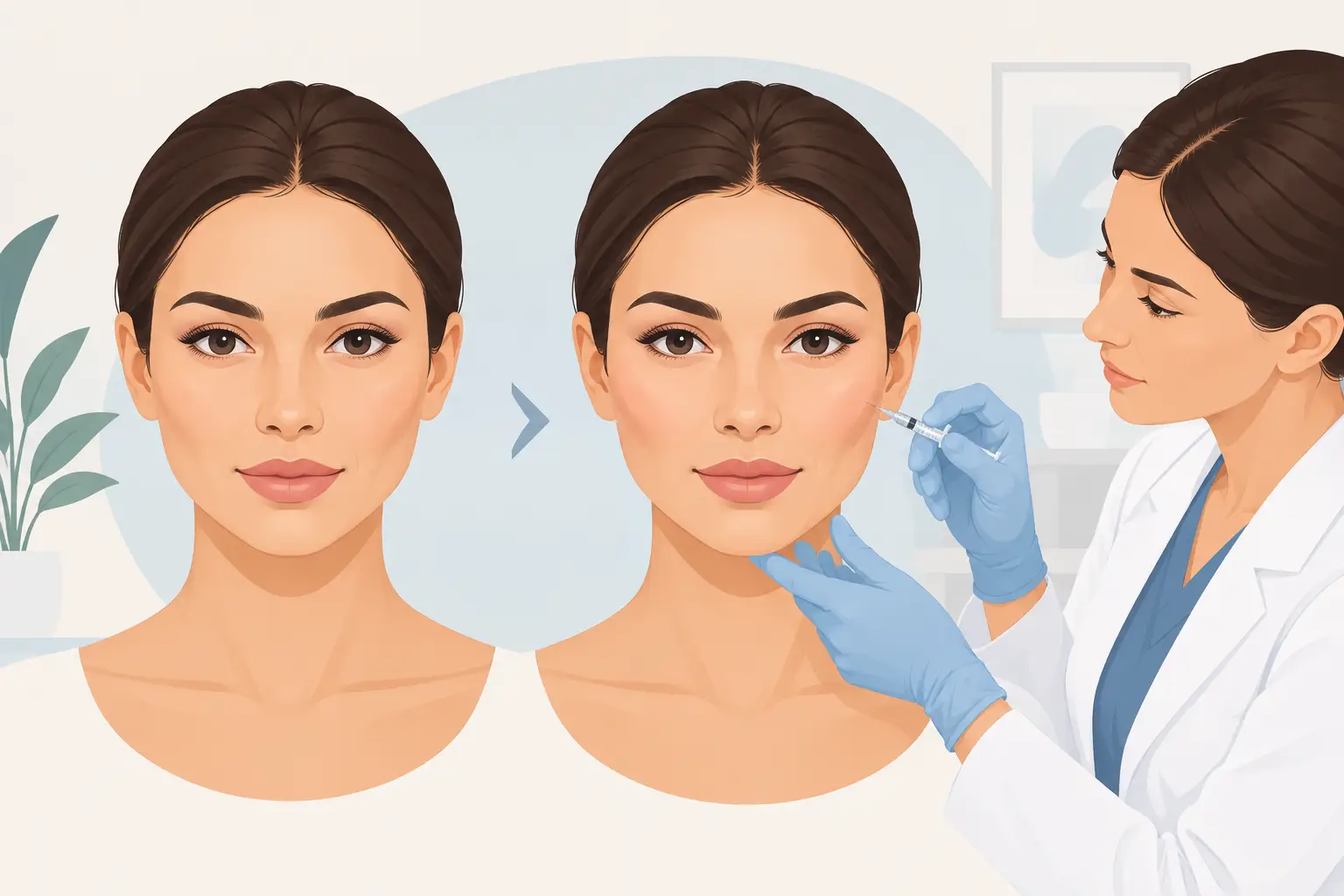
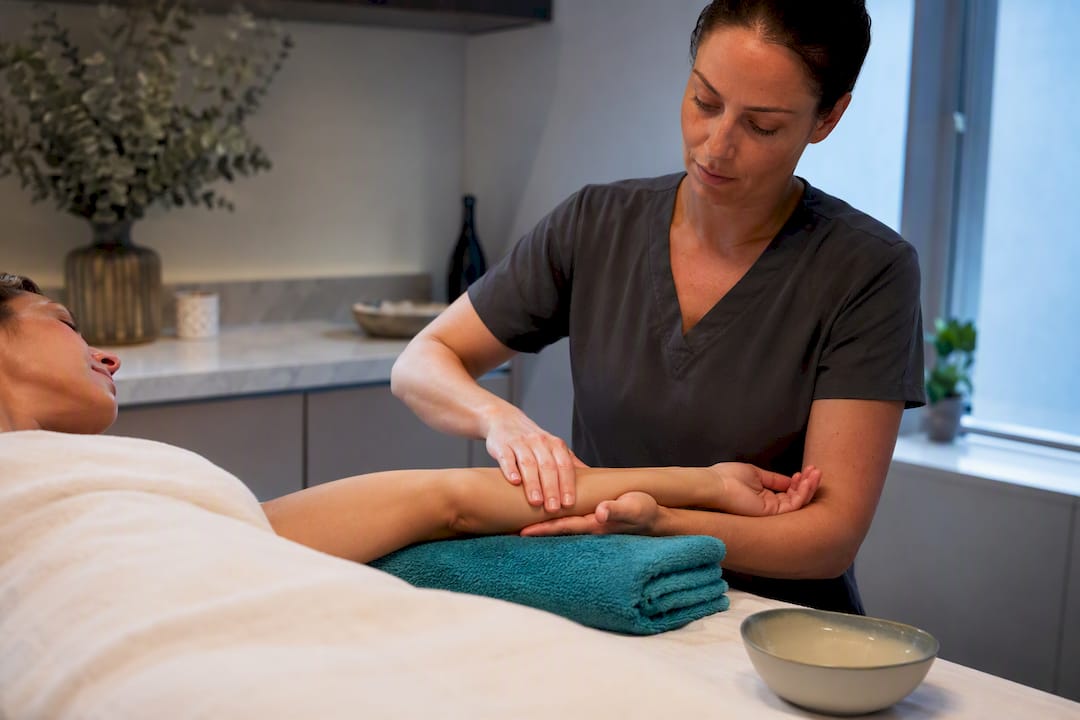

Manual lymphatic drainage delivers its clearest results for lymphedema and post-surgical swelling, with weaker but genuine short-term effects for facial puffiness and fluid retention. It is not a weight-loss tool or a “detox” cure. If you notice unexplained, persistent, or one-sided swelling, see a doctor before booking any massage.
TL;DR:
- Manual lymphatic drainage is most effective for reducing swelling related to lymphedema and post-surgical fluid buildup, especially when combined with compression therapy.
- The evidence is inconsistent for other claims such as fat loss, cellulite reduction, or long-term de-puffing of facial or abdominal fluid retention.
- It is essential to consult a healthcare professional before treatment if swelling is persistent, one-sided, or accompanied by signs of infection or other serious conditions.
- Qualified therapists should screen for contraindications like active infections, heart failure, or blood clots, and treatment should follow a coordinated care plan.
- A typical treatment involves gentle strokes in a specific sequence, lasting between 30 to 60 minutes, with medical management requiring multiple sessions over weeks.
Table of Contents
- What is lymphatic drainage and how does it differ from other massage?
- Where the evidence for lymphatic drainage benefits is strongest
- Who should consider it, and when to get checked first
- Risks, contraindications, and how to stay safe
- What happens in a session, and how many you’ll need
- How MLD fits into clinical care and safety protocols
- Setting realistic expectations before you book
- Book a lymphatic drainage consultation in London
- Sources
What is lymphatic drainage and how does it differ from other massage?
Your lymphatic system is a network of vessels and nodes that drains excess fluid, proteins, and waste from tissue back into the bloodstream. When it works well, you rarely think about it. When it’s sluggish, from surgery, injury, illness, or simply prolonged inactivity, fluid pools and tissue swells.
Manual lymphatic drainage (MLD) uses light, rhythmic strokes applied in a specific direction, always moving fluid toward lymph nodes that are still functioning properly. That distinguishes it sharply from deep tissue or sports massage, which works muscle fibres with firm, sustained pressure.
- MLD strokes are gentle, almost too light to feel like “proper” massage
- Sequencing matters: therapists work toward healthy nodes first, then clear the congested area
- It is not designed to release muscle tension or break down fat
- Vague “detox” or “toxin flushing” claims sit outside what the technique is actually built to do
Qualified therapists typically hold specific MLD certification, often building on physiotherapy, nursing, or massage therapy training, and lymphedema specialists complete additional complete decongestive therapy (CDT) training to manage more complex cases.
Where the evidence for lymphatic drainage benefits is strongest
The research picture is genuinely mixed, and that’s worth saying plainly rather than glossing over. Systematic reviews find the clearest, most consistent signal in breast cancer–related lymphedema, where MLD forms part of standard decongestive care. Other applications show far less consistent results, with some trials reporting little added benefit over compression and exercise alone.
Rehabilitation settings tell a similar story. Some studies in sports medicine suggest MLD can reduce swelling after injuries like distal radius fractures or ankle sprains, but the trials are small and condition-specific, not a blanket endorsement for every strain or sprain.
What the evidence actually supports:
- Reduced swelling in confirmed lymphedema, especially when combined with compression
- Some post-surgical oedema improvement, including after cancer-related procedures
- Possible short-term relief in select orthopaedic injuries
- Temporary de-puffing for facial or abdominal fluid retention
- Weak, inconsistent evidence for cellulite reduction or genuine fat loss
The honest limitation: MLD is not proven to melt fat, permanently reshape the body, or eliminate cellulite. Clinics that frame it as a contouring adjunct, rather than a cure, are giving you the accurate picture. If you want the specifics on facial protocols, facial lymphatic drainage typically lasts four to six hours, after which puffiness gradually returns. This tells you a lot about how to set expectations for any cosmetic course.
Who should consider it, and when to get checked first
Swelling has causes that range from trivial to serious, so working out which camp you’re in matters more than booking a treatment.
- Persistent or one-sided limb swelling. This is a recognised marker of lymphedema that needs professional assessment, not a massage booking.
- Recurrent infections or skin thickening in a swollen area, particularly after surgery or radiotherapy, should be reviewed by a clinician before any drainage work begins.
- Confirmed lymphedema or significant post-operative swelling, especially following cancer surgery, is a well-established reason to be referred for MLD as part of a wider plan, and centres such as The Royal Marsden publish detailed patient guidance on exactly this.
- General facial puffiness or bloating with no red flags is reasonable to address with cosmetic MLD, but new, persistent, or asymmetrical symptoms warrant a GP visit first.
Cosmetic puffiness and clinical lymphedema are different problems that happen to look similar on the surface, and treating one as the other wastes time you could spend getting the right care.
Risks, contraindications, and how to stay safe
MLD is low-risk for most healthy adults, but it is not risk-free, and some conditions rule it out entirely without medical sign-off.
- Active or acute infection in the treatment area, including cellulitis
- Untreated heart failure, where mobilising extra fluid can overload the circulatory system
- Active deep vein thrombosis (DVT) or clotting disorders, where movement of fluid could dislodge a clot
- Uncontrolled kidney disease, since the kidneys process the extra fluid load
- Certain active cancers, where fluid mobilisation needs oncology input first
Clinical guidance is consistent on this point: MLD can genuinely help a compromised lymphatic system, but it isn’t a universal, risk-free treatment. Moving fluid without the right medical oversight, particularly without compression garments where they’re indicated, can push a frail system further than it can comfortably handle.
Pro Tip: Ask any therapist directly whether they screen for heart, kidney, and clotting conditions before your first session. A good practitioner will ask before you even need to raise it.
What happens in a session, and how many you’ll need
A proper MLD session starts with assessment, not straight-to-massage.
- Initial check. The therapist reviews your medical history, current medications, and the specific area of concern, checking for the contraindications above.
- The treatment itself. You’ll feel light, repetitive strokes, often surprisingly gentle, moving in a set direction toward working lymph nodes. Most people find it relaxing rather than therapeutic in the “deep tissue” sense.
- Session length. A single facial or limited-area session typically runs 30 to 60 minutes; full-body sessions for lymphedema management run longer.
- Course structure. Cosmetic goals often see benefit from a single session, though effects on facial puffiness fade within hours. Medical management, delivered as complete decongestive therapy (CDT), usually involves an intensive multi-week course followed by ongoing maintenance.
Cosmetic results are measured almost immediately, by eye, in the mirror. Medical outcomes are tracked over weeks with limb measurements or compression fit, which is a slower but more meaningful gauge of whether the treatment is actually working.
How MLD fits into clinical care and safety protocols
Treated in isolation, MLD is a short-lived fix. Integrated properly, it’s one part of a coordinated plan: assessment first, then MLD, then compression garments or targeted exercise, then follow-up review. That sequencing exists because timing MLD relative to compression matters, and mobilising fluid without a follow-up plan risks temporary overload rather than lasting relief.
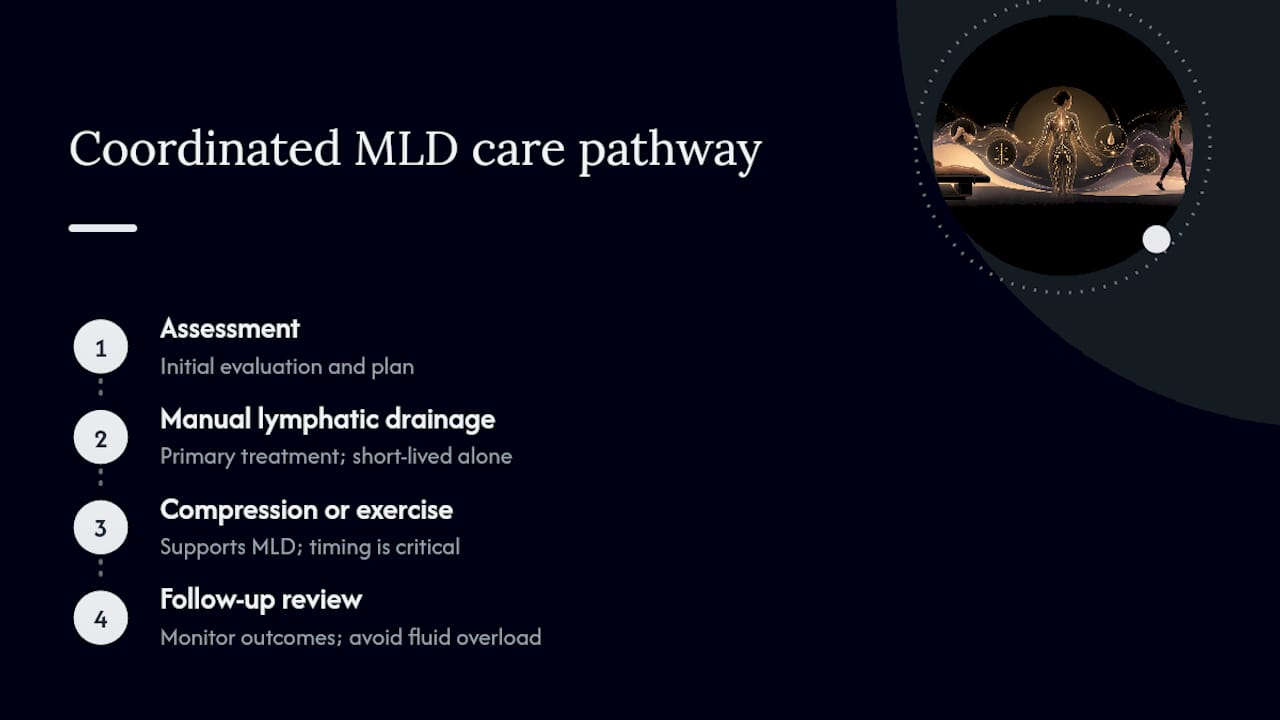
At registered clinics, this workflow sits within Care Quality Commission (CQC) standards, meaning practitioner qualifications, safety protocols, and treatment records are subject to external scrutiny. That accreditation, paired with transparent practitioner information and documented outcomes, is what separates a coordinated clinical service from a standalone spa treatment. Coordination also covers timing: MLD may be scheduled after certain cosmetic procedures, or deliberately delayed when swelling needs medical review first, as detailed in guidance on post-procedure recovery.
Setting realistic expectations before you book
The pattern worth noticing: people with confirmed lymphedema or post-surgical swelling tend to see measurable, sustained improvement when MLD sits inside a proper plan. People chasing a flatter stomach or “detoxed” skin tend to get a few hours of genuine de-puffing and not much more. Neither outcome is a failure of the technique. They’re just different jobs.
Before booking, ask a therapist three things: what qualification they hold, how they’ll coordinate with your GP or surgeon if you have an underlying condition, and what aftercare they recommend. Honest answers to those three questions tell you more than any marketing claim.
— Vishul
Book a lymphatic drainage consultation in London
Unlike a generic spa treatment booked on price alone, this clinic builds lymphatic drainage into a proper clinical pathway, assessment first, treatment second, with practitioners working within CQC-registered standards rather than a script learned in a weekend course.

That matters most around cosmetic procedures, where drainage timing can affect how quickly swelling settles and how results actually look. Whether you’re managing post-surgical puffiness, exploring facial lymphatic drainage as part of a wider skin plan, or want an honest assessment of what a cellulite protocol can and can’t do, a consultation starts with a proper conversation, not a sales pitch. Virtual and in-person consultations are both available. If you’re also considering complementary treatments, browse the clinic’s Botox options to see how drainage protocols support recovery afterward. Book your consultation directly through Theaestheticsroom to get a plan built around your actual history, not a generic one.
This article is general information, not a substitute for advice from a qualified doctor. Consult a qualified healthcare professional about your own circumstances before acting on anything here.
Sources
- Lymphoedema – NHS
- Manual lymphatic drainage: the evidence behind the efficacy – PubMed
- Lymphatic drainage – The Royal Marsden
- FAQs About Lymphatic Drainage Massage | Cedars‑Sinai