
A significant weight-loss journey can change far more than the number on the scales. Clothes may fit differently, energy may improve and confidence may grow, yet certain areas can still feel out of step with the progress you have made. Body contouring after weight loss can help refine stubborn pockets of fat, support skin quality and enhance definition, but the right approach depends on your anatomy, skin elasticity and goals.
The key is to treat the body you have now, rather than chase a generic before-and-after image. A considered, clinically led plan can complement your results without promising what non-surgical treatment cannot deliver.
When body contouring after weight loss may help
Weight loss does not happen evenly. Genetics, hormones, age and previous fat distribution all influence where the body holds onto fullness. It is common to notice resistant areas around the abdomen, flanks, upper arms, thighs, bra line or beneath the chin, even once you are near your preferred weight.
Non-surgical body contouring may be suitable when you are at, or close to, a stable weight and want to refine a localised concern. It is not a substitute for weight management, nor is it designed to treat substantial excess skin. Its role is more precise: helping to improve proportion, definition and the way you feel in fitted clothing or swimwear.
This distinction matters. If skin laxity is your main concern, fat reduction alone may not produce the change you are hoping for. If a small fat pocket is the issue, treatment focused on skin tightening alone may feel underwhelming. A thorough assessment helps separate these concerns and, in many cases, combines approaches intelligently.
Start with weight stability, not urgency
After reaching a major milestone, it is understandable to want to address every remaining concern quickly. However, the body benefits from time to settle. Continuing weight fluctuations can change the result of any contouring treatment and make it harder to judge what is genuinely needed.
For many people, a stable weight over several months provides a more reliable starting point. It also gives the skin time to adapt after fat loss. Younger skin may retract more readily, while skin that has been stretched for a longer period, or has experienced pregnancy, may need a different expectation and treatment plan.
Nutrition, hydration, sleep and resistance training are also relevant. They will not remove loose skin or spot-reduce fat, but they support muscle tone, recovery and the overall quality of your result. The most polished outcomes tend to come from treatments that work alongside a sustainable lifestyle, not against it.
Choosing the right non-surgical approach
There is no single best treatment for every post-weight-loss body. At a consultation, a trained practitioner should assess the thickness and position of fatty tissue, the quality and laxity of the skin, muscle tone, medical history and the change you would realistically like to see.
Fat reduction for localised fullness
For small, stubborn pockets of fat, options such as fat-dissolving treatments or energy-based fat reduction may be considered. These treatments are generally best for people who are already close to their goal weight but want to improve a particular contour.
Fat-dissolving injections can be useful for carefully selected localised areas, including the submental area beneath the chin and, in some cases, areas of body fullness. They require accurate placement, appropriate dosing and patience. Swelling can occur after treatment, and results develop gradually as the body processes the treated fat cells.
Energy-based fat-burning treatments may also be considered depending on the area and your suitability. The aim is subtle, progressive refinement rather than dramatic weight loss. More than one session may be recommended, particularly where the treatment area is larger or the desired change is more noticeable.
Muscle sculpting for a more defined shape
After weight loss, some patients find that what they miss is not a smaller body but a firmer, more athletic outline. Muscle-sculpting treatments can complement exercise by stimulating powerful muscle contractions in targeted areas such as the abdomen, buttocks or thighs.
This is not a replacement for training, and it will not correct loose skin. It may, however, improve muscle tone and definition for suitable patients, particularly when paired with a consistent fitness routine. It can be an appealing option where the goal is to enhance the shape revealed by weight loss rather than reduce another clothing size.
Lymphatic drainage for temporary puffiness and recovery support
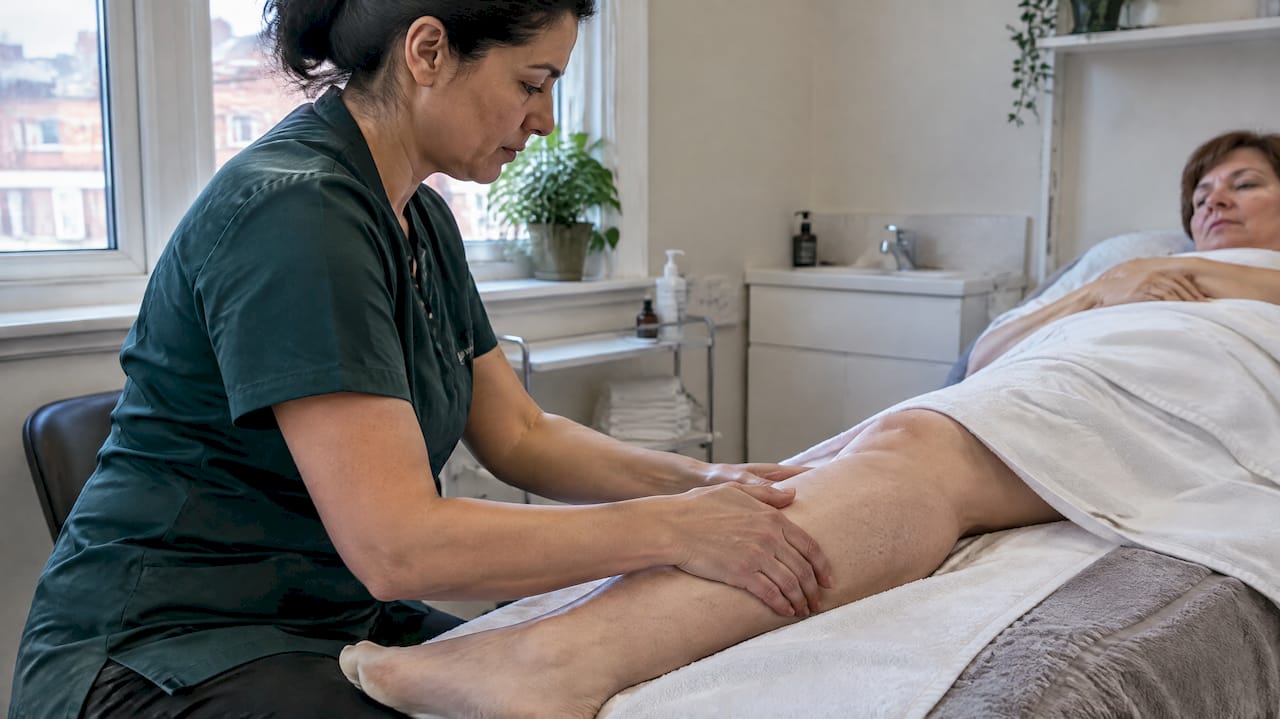
Fluid retention can make the body feel heavier or less defined, especially after travelling, hormonal changes, intense exercise or aesthetic treatments. Lymphatic drainage can support circulation and reduce the sensation of puffiness for some patients.
It should not be presented as fat loss, because it is not. Its value lies in supporting comfort, temporary definition and wellbeing, and it may form part of a wider treatment plan where appropriate.
Skin quality and texture support
Post-weight-loss skin may feel thinner, crepey or less resilient, even where there is not enough laxity to consider surgery. Depending on the area, skin-focused treatments may support collagen production and improve texture over time.
Results vary considerably according to age, genetics, sun exposure and the degree of laxity. A reputable practitioner will be clear about this from the outset. Non-surgical treatments can improve skin quality, but they cannot replicate the skin removal achieved through surgery where there is substantial excess tissue.
Knowing when surgery may be the more appropriate route
An honest consultation occasionally means advising that non-surgical treatment is unlikely to meet your expectations. This is particularly relevant where there is a considerable amount of loose, hanging skin on the abdomen, arms, breasts or thighs.
Surgical procedures such as an abdominoplasty or body lift can remove excess skin and reshape tissue in a way that non-surgical treatments cannot. They also involve scars, anaesthetic, downtime and a different level of medical commitment. For the right person, surgery may be the most effective option. For others, a non-surgical plan offers the refinement they want without an operation.
There is no prize for choosing the more intensive route. The best choice is the one that aligns with your anatomy, appetite for downtime, budget and tolerance for gradual versus more transformative change.
What a safe, bespoke plan should include
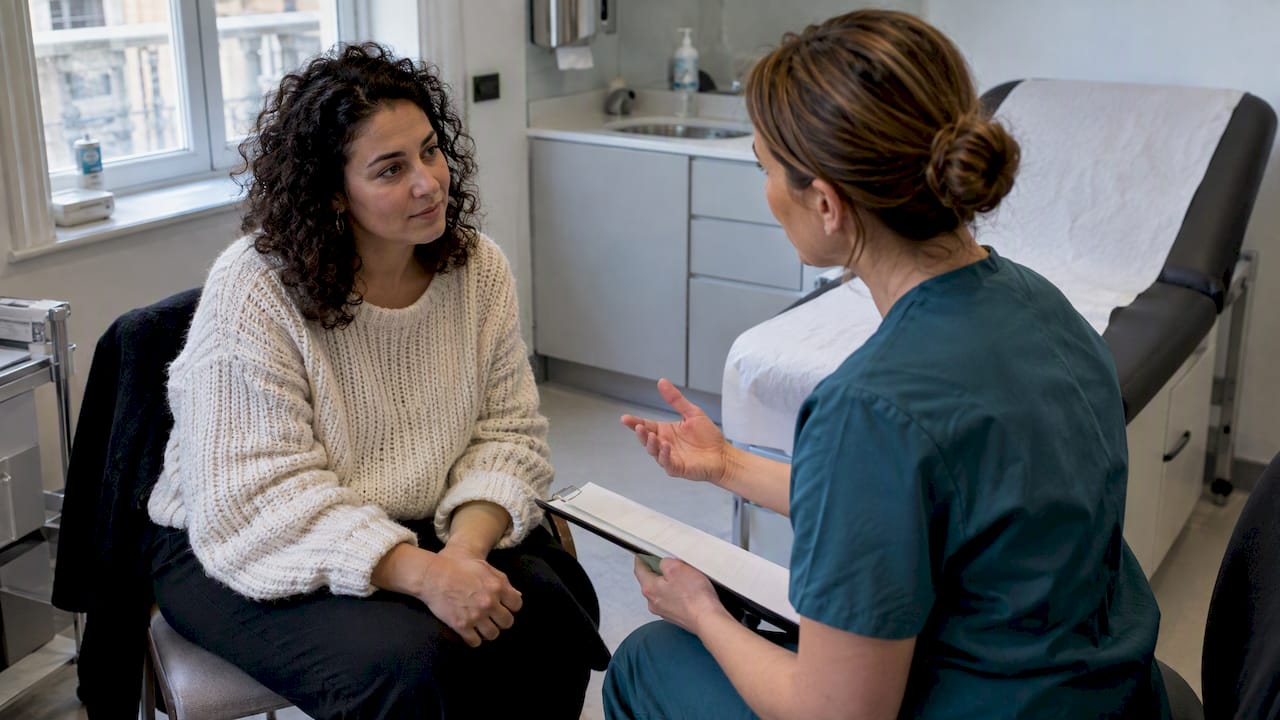
A premium aesthetic consultation should feel detailed, not hurried. Before recommending body contouring, your practitioner should discuss your weight-loss history, current health, medications, previous treatments and any conditions that may affect suitability or healing.
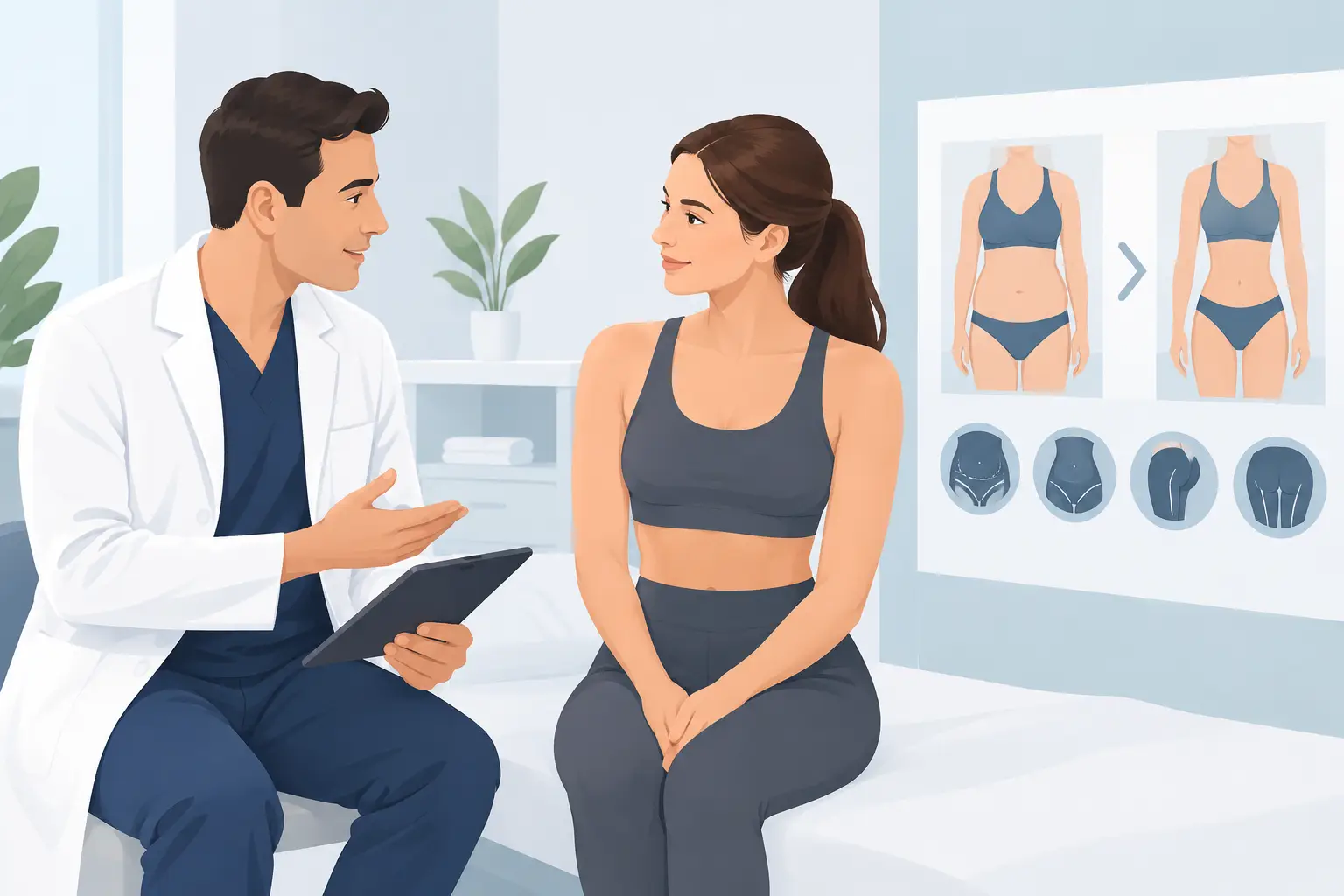
Photographs and measurements may be used to assess proportions and track subtle changes consistently. You should also receive a clear explanation of the likely number of sessions, expected timeline, potential side effects, aftercare and the cost of the full plan rather than an attractive starting price alone.
Certain treatments may not be suitable during pregnancy or breastfeeding, or for people with specific medical conditions, implanted devices or active skin concerns in the treatment area. Safety screening is not a formality. It is central to achieving an outcome that feels as good as it looks.
At The Aesthetics Room, treatment planning is consultation-led, allowing each recommendation to be based on your individual priorities rather than a one-size-fits-all package. That may mean focusing on one area first, combining complementary treatments, or waiting until your weight has stabilised further.
Set expectations for gradual, natural-looking results
Most non-surgical contouring treatments work gradually. Changes may emerge over weeks as inflammation settles, treated fat is processed or collagen response develops. This can be a benefit for patients who prefer discreet refinement, but it requires patience.
Your result will also be shaped by the starting point. Someone with good skin elasticity and a small, defined fat pocket may see a more noticeable change than someone with diffuse fullness and significant laxity. Comparing your progress with another person’s result is rarely useful; your treatment plan should be designed around your body and your definition of feeling confident.
The most satisfying next step after weight loss is often not striving for perfection. It is choosing a safe, realistic way to honour the work you have already done and feel more at home in the body that carries you forward.