
PRP for hair loss generally produces measurable improvement for most patients, with trial data showing hair density gains frequently in the range reported by systematic reviews and a 10-year study of density increasing by 31.4% at 12 months. Success here means thicker, denser hair or strong patient satisfaction rather than full regrowth, and results depend heavily on protocol quality, patient factors, and a proper clinical assessment before treatment begins.
TL;DR:
- Most study protocols use three monthly sessions, with reassessments at three to six months and twelve months; measurable density gains often take a year.
- Long term gains persisted at three and five years only among patients who continued periodic top up treatments, so budget for ongoing maintenance.
- Before treatment, confirm hair loss is androgenetic rather than nutritional, hormonal, or scarring, because PRP is not suited to every cause.
- A pooled analysis of six studies involving 343 participants found PRP plus topical minoxidil increased hair density and diameter more than either treatment alone.
- Microneedling matched intradermal injections for efficacy at six months while causing lower pain scores, making delivery method relevant for patients uncomfortable with needles.
Table of Contents
- The clinical evidence behind PRP’s effectiveness
- What changes a patient’s chance of success with PRP
- How long PRP takes to work and what maintenance looks like
- Is PRP for hair loss safe, and what side effects should you expect?
- What a medically led PRP consultation should include
- Is PRP worth trying for your hair loss?
- Book a medically supervised PRP consultation with us
- FAQ
- Sources
The clinical evidence behind PRP’s effectiveness
The strongest data on PRP for hair restoration comes from a mix of long-term prospective studies and systematic reviews, and the overall picture is consistent: PRP helps most patients who are suitable candidates, though the degree of benefit varies by protocol.
The most compelling single data point comes from a 10-year prospective, randomised, evaluator-blinded study of non-activated PRP delivered through controlled mechanical infiltration. It found hair density increased by 31.4% at 12 months compared with baseline, and that gains were maintained at 36 and 60 months when patients continued periodic maintenance treatments. That durability over a full decade is unusual in hair-loss research, where most trials stop well before the one-year mark.
A separate systematic review and meta-analysis of activated PRP (A-PRP) pooled results across multiple randomised controlled trials and concluded that activated PRP increases hair density and reduces recurrence compared with placebo, while also improving patient satisfaction. The same review noted that evidence for hair thickness specifically was less consistent, and flagged protocol standardisation as the main obstacle to comparing results across studies, since activation methods, centrifugation speeds, and injection schedules differ widely between trials.
A few patterns show up repeatedly across the literature:
- Density and hair count improve more reliably than hair thickness or diameter.
- Activated PRP tends to outperform non-activated PRP on some satisfaction and recurrence measures.
- Smaller trials and inconsistent preparation methods explain much of the variation in reported success rates.
31.4%: the increase in hair density reported at 12 months in a 10-year prospective study of non-activated PRP, with gains sustained for a decade when patients kept up maintenance sessions.
What changes a patient’s chance of success with PRP
Not every PRP session is equal, and the literature points to several factors that shift outcomes up or down.
- Activation status. Reviews comparing activated against non-activated PRP found activation influences recurrence rates and patient satisfaction, though the effect on objective hair thickness is less clear.
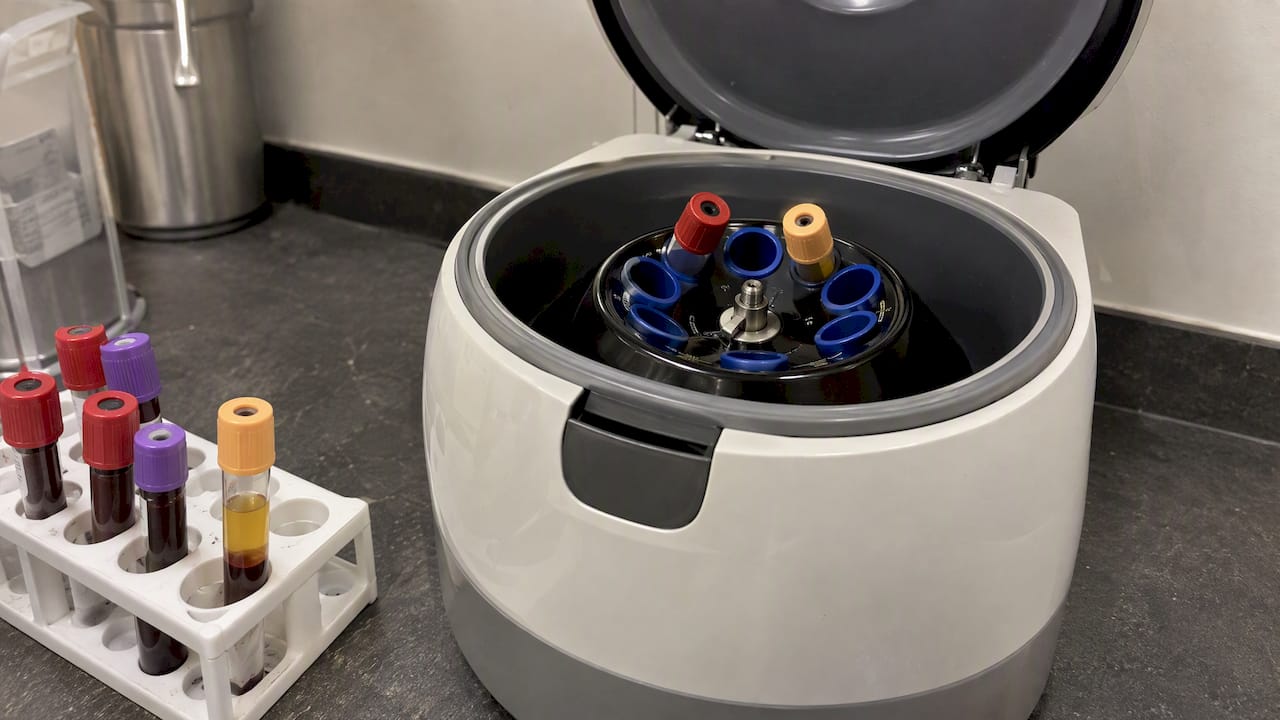
- Centrifugation and platelet concentration. Single-spin versus double-spin protocols produce different platelet concentrations, and a network meta-regression identified centrifugation method as one of several variables correlating with the size of the density improvement at six months.
- Number and frequency of sessions. The same meta-regression found session frequency correlates with outcome magnitude, which is why most effective protocols use repeated monthly sessions rather than a single treatment.
- Patient characteristics. Stage of androgenetic alopecia, age, and sex all modify response, alongside whether the underlying cause is genuinely androgenetic rather than nutritional, hormonal, or scarring in origin.
- Delivery method. A randomised comparison of microneedle delivery against intradermal injection found no significant difference in efficacy at six months, but significantly lower pain scores with microneedling, which matters for patients who find needles uncomfortable.
Combining PRP with topical minoxidil adds to the effect rather than simply overlapping with it. A pooled analysis of six studies covering 343 participants found the combination produced significantly greater increases in hair density and diameter than either minoxidil or PRP used alone.
Pro Tip: Ask any clinic whether their PRP is activated, how it’s centrifuged, and how many sessions the protocol includes before you commit, since these details explain most of the variation in reported results.
How long PRP takes to work and what maintenance looks like
Most trial protocols follow a similar pattern: three monthly sessions, followed by assessment at three to six months and again at twelve months. Early changes in shedding and texture are often reported within three to six months, but the clearer, more measurable density gains tend to show up by the one-year mark, consistent with the 31.4% density increase recorded at 12 months in long-term data. Our PRP hair results timeline sets out what to expect at each assessment point.
Maintenance is where durability comes from. The 10-year study found that improvements persisted at three and five years specifically in patients who continued periodic top-up treatments, rather than stopping after the initial course.
Worth tracking throughout:
- Standardised photographs taken under the same lighting and angle each time.
- Trichoscopy or phototrichogram measurements for objective hair count and density.
- Your own assessment of satisfaction, since patient-reported outcomes often improve even when objective metrics shift only modestly.
Is PRP for hair loss safe, and what side effects should you expect?
PRP’s safety profile across trials is reassuring. Reported side effects are typically mild and short-lived.
- Transient pain or tenderness at injection sites.
- Mild erythema or redness lasting a day or two.
- Localised bruising, more common with intradermal injection than microneedle delivery.
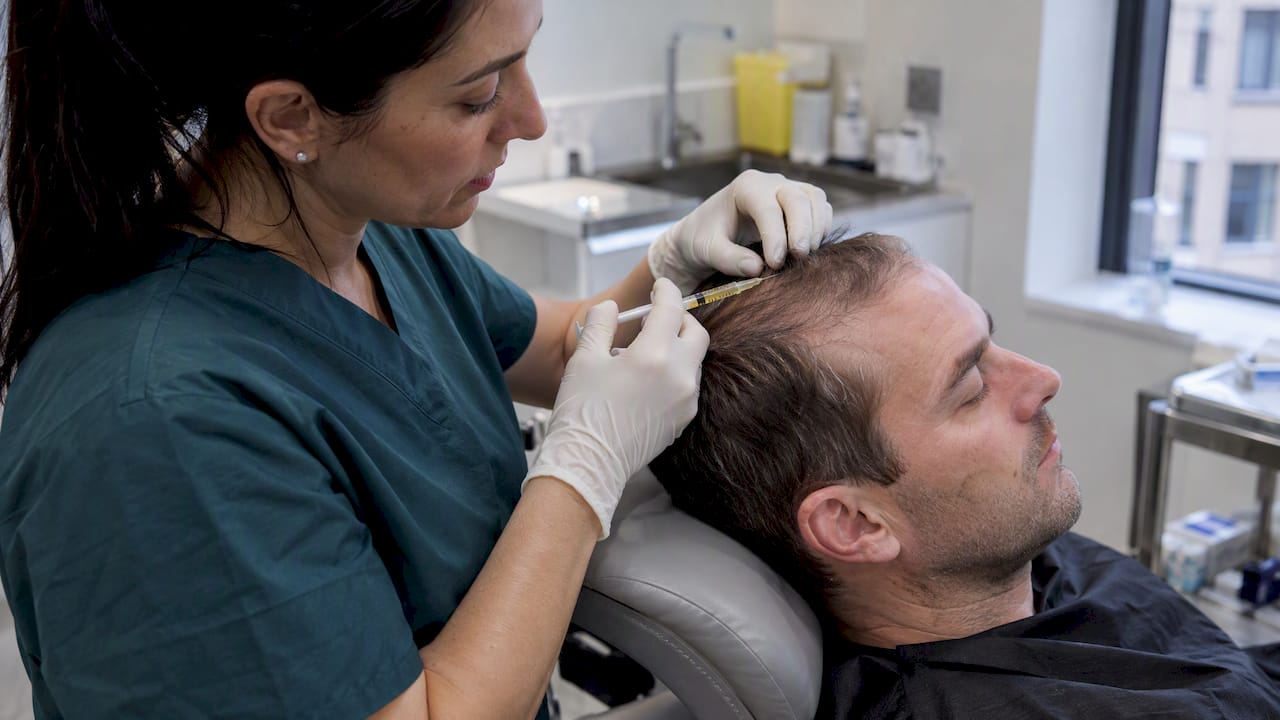
Major reviews have not identified serious adverse events associated with PRP for hair restoration, though some data suggests non-activated protocols may carry slightly different risk and response profiles than activated ones. Before any PRP course begins, a proper clinical assessment should rule out nutritional deficiencies, hormonal imbalances, or scarring alopecia, since PRP is not the right treatment for every cause of hair loss. The British Association of Dermatologists notes that PRP is offered privately rather than on the NHS, and that current research remains limited, which makes a thorough assessment by medically trained staff essential rather than optional.
What a medically led PRP consultation should include
A responsible provider treats PRP as a medical procedure, not a quick cosmetic add-on. Before any treatment, look for clear evidence of regulatory oversight and a genuine clinical process rather than a rushed sales pitch.
- Registration with the Care Quality Commission and membership of a patient-safety body such as the ACE Group, both worth verifying before booking.
- A consultation covering medical history, scalp examination, and an honest discussion of what the evidence does and doesn’t support for your case.
- A measurement plan using photography or trichoscopy, so progress is tracked objectively rather than by impression alone.
- A tailored protocol and maintenance schedule, since single sessions rarely match the outcomes seen in studies using repeated treatments.
We set out what to expect during a consultation on our hair restoration guide, and readers wanting the fuller holistic picture can see how PRP fits within our 7 Pillar Hair Thinning Protocol.
Is PRP worth trying for your hair loss?
PRP tends to make the most sense for early to moderate thinning, used alongside an established treatment like minoxidil rather than as a standalone fix for advanced baldness. Before starting, run through a short checklist: has the cause of your hair loss actually been diagnosed, are your expectations about density rather than full regrowth, has the provider’s registration and protocol been verified, and have you budgeted for maintenance sessions rather than a single course.
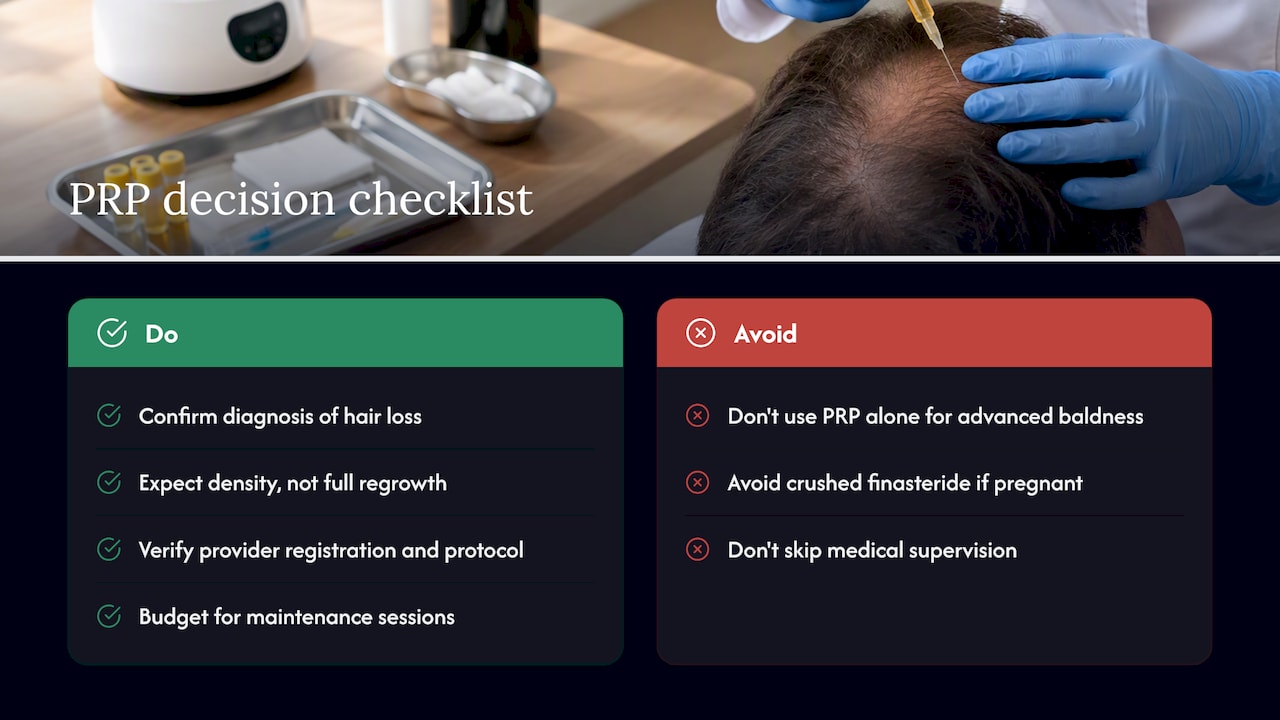
Men considering combining PRP with pharmacological treatments like finasteride should also know that finasteride can lower PSA readings, which matters for anyone due for prostate screening, as explained in this PSA monitoring guide. Medical supervision throughout the process, not just at the point of injection, is what separates a protocol likely to work from one that disappoints.
Finasteride is FDA-indicated for men only. Women who are or may become pregnant must not handle crushed or broken finasteride tablets, due to the risk of harm to a male fetus. It can also cause sexual side effects (reduced libido, erectile dysfunction) in a minority of men, which usually resolve after stopping treatment. Discuss these risks with a physician before starting.
— Vishul
Book a medically supervised PRP consultation with us
We offer PRP hair treatment with a tailored protocol, objective measurement, and a maintenance plan built around your scalp and goals rather than a generic course.

- Our PRP hair treatment begins with a scalp assessment before any session is booked.
- We outline realistic timelines using the evidence covered above, not inflated promises.
- Browse our full price list to see where PRP fits alongside our other treatments.
Book a consultation with us to find out whether PRP is the right next step for your hair.
This article is general information, not a substitute for advice from a qualified doctor. Consult a qualified healthcare professional about your own circumstances before acting on anything here.
FAQ
Does PRP regrow hair permanently?
PRP typically increases hair density and slows further thinning rather than producing permanent regrowth from a single course. A 10-year prospective study found gains were maintained for years only when patients continued periodic maintenance treatments, so ongoing care sustains results rather than one round of sessions alone.
Is there a downside to PRP?
The main downsides reported in trials are mild, short-lived side effects such as injection-site pain, redness, and bruising, with no serious adverse events identified in major reviews. The bigger practical consideration is that PRP is privately provided, not available on the NHS, and requires repeated sessions and maintenance to sustain results.
Is 2 sessions of PRP enough?
Most trial protocols showing meaningful density gains use at least three monthly sessions followed by reassessment, and a network meta-regression found session frequency correlates with the size of improvement. Two sessions alone are unlikely to match the outcomes seen in studies built around longer initial courses.
What causes PRP to fail?
PRP is less likely to work when the underlying cause of hair loss isn’t genuinely androgenetic, such as nutritional deficiencies or scarring alopecia, which is why a proper assessment matters before treatment. Inconsistent preparation, such as unclear activation status or inadequate centrifugation, and too few sessions also explain much of the variation seen between studies.