
A little swelling can make a beautifully planned treatment look unfamiliar for the first few days. It is why one of the most common questions after an appointment is: when do fillers settle fully? For most people, the answer is around two weeks, but the precise timeline depends on the area treated, the product used, your individual healing response and whether this is your first treatment.
Dermal filler should enhance your features without making you feel unlike yourself. Allowing adequate time for recovery, rather than judging the result the following morning, is part of achieving a refined, natural-looking outcome.
What does it mean when filler “settles”?
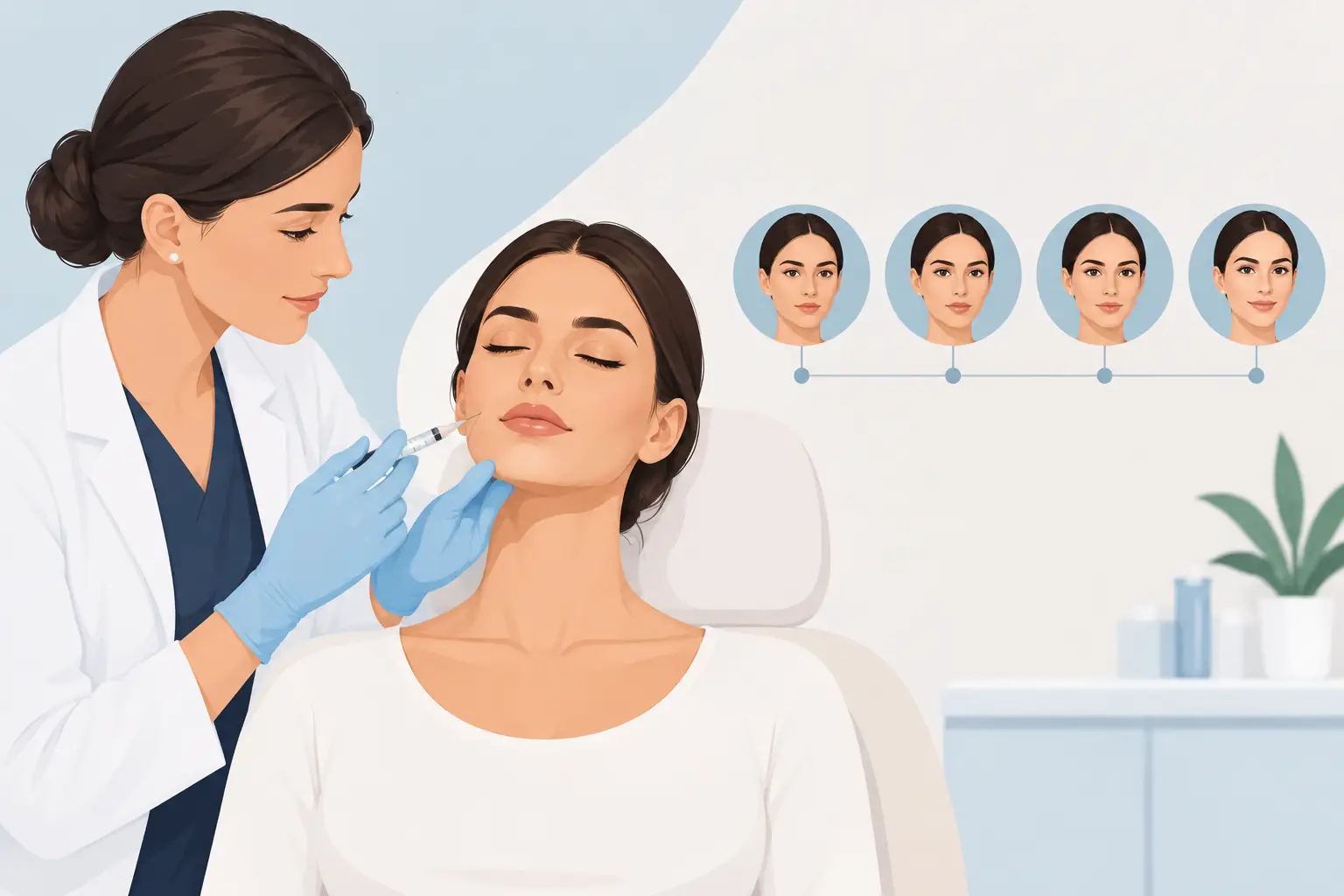
When patients say they want filler to settle, they usually mean they want swelling, tenderness and any small areas of unevenness to resolve so they can see the true result. Immediately after treatment, the treated area may hold a little fluid from the injection process itself. Some hyaluronic acid fillers also attract water, which can temporarily make the area appear fuller than anticipated.
Over the following days, this early inflammation reduces and the filler becomes more integrated within the tissue. This does not mean the product is travelling around the face or dramatically changing position. With an appropriate product, careful placement and suitable aftercare, filler should remain where it has been injected. What changes is the surrounding tissue response and the way the result appears as swelling subsides.
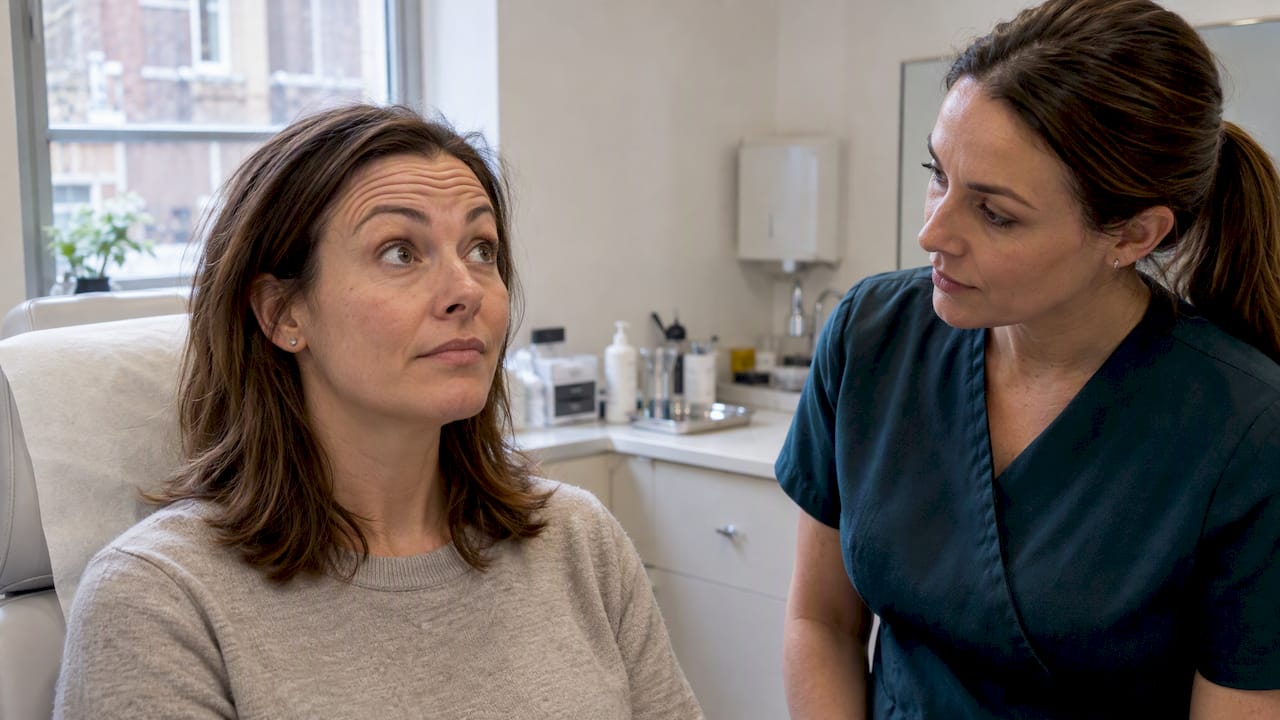
It is also worth distinguishing a settling period from the final aesthetic decision. A clinician may schedule a review after the initial swelling has resolved to assess symmetry, proportion and whether any small refinement is genuinely needed. This measured approach protects against overfilling.
When do fillers settle fully in each area?
Two weeks is a sensible general guide before making a fair assessment of most dermal filler results. However, certain areas need a little more patience.
Lip filler
Lips are highly vascular and mobile, so they commonly swell more noticeably than other facial areas. Swelling is often at its most obvious over the first 24 to 48 hours and can be uneven, particularly in the morning. Bruising may last longer if it occurs.
Most lip filler looks close to its settled result after one to two weeks. If you have had significant swelling, have a tendency to retain fluid or are having lips treated for the first time, it can take closer to two weeks to appreciate the finished shape properly. Do not assess your lips in the first few days or compare one side with the other hour by hour.
Cheek and mid-face filler
Cheek filler often creates a visible lifting and contouring effect immediately, but early swelling can make the area appear more projected or wider than planned. This usually eases within several days. A more reliable impression of the result is typically seen at around two weeks, although the tissue can continue to feel subtly different for up to four weeks.
For mid-face treatments, proportion matters as much as volume. A bespoke plan considers the cheeks alongside the temples, under-eye area, jawline and lower face, rather than treating one feature in isolation.
Jawline and chin filler
The jawline and chin are usually less prone to dramatic swelling than the lips, but tenderness, firmness and minor bruising can occur. Most patients see a settled appearance after one to two weeks. Where a more structural filler has been used to create definition, it may take two to four weeks for the area to feel completely natural to you.
Avoid pressing, repeatedly checking or self-massaging the area unless your practitioner has specifically advised this. These treatments depend on precise placement, and well-meaning at-home adjustments can interfere with the intended result.
Tear trough and under-eye filler
The under-eye area requires particular caution and a highly individual approach. The skin is thin, fluid retention can be more apparent and even mild swelling may be noticeable. It can take two to four weeks before the outcome can be assessed properly, and occasionally longer in people predisposed to puffiness.
Not everyone is an appropriate candidate for tear trough filler. During a consultation, an experienced practitioner should assess skin quality, existing under-eye bags, facial anatomy and whether an alternative treatment would offer a more suitable result.
What can make the settling process take longer?
Recovery is not identical from one patient to the next. Recent exercise, alcohol, heat exposure and salt intake can temporarily worsen swelling, especially around the lips and eyes. Menstrual hormonal changes, allergies, a cold, poor sleep and an individual tendency to bruise can have an effect too.
The treatment itself also matters. Larger-volume or multi-area appointments may bring more swelling simply because more injections have been performed. Previous filler, scar tissue and the use of different filler densities can all affect how the area feels during the early stages.
This is why a polished result should never be promised from a single photograph taken straight after treatment. Good aesthetic medicine allows for anatomy, healing and clinical judgement rather than relying on a fixed formula.
How to support a smooth filler recovery
Follow the specific aftercare provided by your practitioner, as recommendations can vary by treatment area and product. In general, avoid intense exercise, excessive heat, saunas, steam rooms and alcohol for the first 24 to 48 hours if advised. Keeping your head elevated when sleeping can be helpful after lip or under-eye treatment, particularly if you are prone to morning swelling.
Use a cool compress gently and intermittently if this has been recommended, rather than applying heavy pressure. Avoid facials, facial massage and dental work for the period your clinician advises. Do not massage a lump, firmness or asymmetry unless you have been shown exactly how and when to do so.
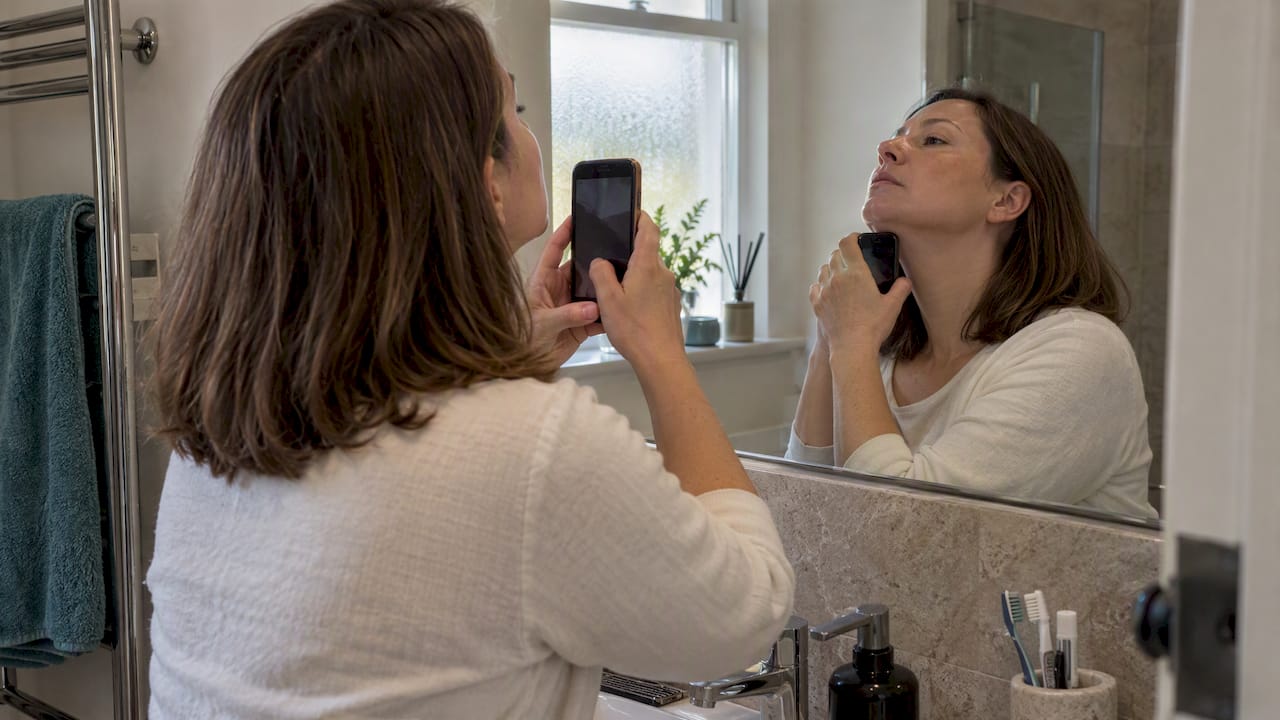
Photos can be more useful than repeatedly inspecting the area in a magnifying mirror. Take images in consistent lighting before treatment, at one week and at your review. This gives a clearer perspective on subtle improvements and helps your practitioner assess progress accurately.
When should you contact your practitioner?
Mild tenderness, swelling, bruising and small areas of firmness can be normal in the first days after dermal filler. However, you should contact your treating clinic promptly if symptoms are worsening rather than improving, or if you are concerned at any point.
Urgent assessment is needed for severe or increasing pain, skin that becomes pale, dusky, mottled or unusually cold, significant blistering, or any visual disturbance. These symptoms are uncommon, but they require immediate medical attention. Choosing a medically led clinic with trained practitioners, clear emergency protocols and appropriate follow-up is fundamental, not an optional extra.
A non-urgent review is appropriate if a visible lump, marked asymmetry or persistent swelling remains after the expected settling period. In many cases, the answer is simply more time. Where treatment is required, your clinician should explain the options and the rationale clearly rather than rushing to add more product.
Why the two-week review matters
A review appointment is not a sales opportunity for automatic top-ups. It is an opportunity to evaluate the result once your face has had time to recover. The best outcome is often one that looks rested, balanced and quietly refreshed, not one that advertises the treatment.
At The Aesthetics Room, filler planning should begin with an in-depth consultation that considers your facial structure, concerns and desired level of change. This is especially valuable if you have had filler elsewhere before, are unsure what was used, or feel that previous treatment has left you looking overfilled.
Give your result the time it deserves. If you are planning filler ahead of a wedding, holiday or important event, book at least two to four weeks beforehand where possible, allowing room for normal healing and a review if appropriate. A calm, considered timeline is one of the simplest ways to protect both your confidence and your result.