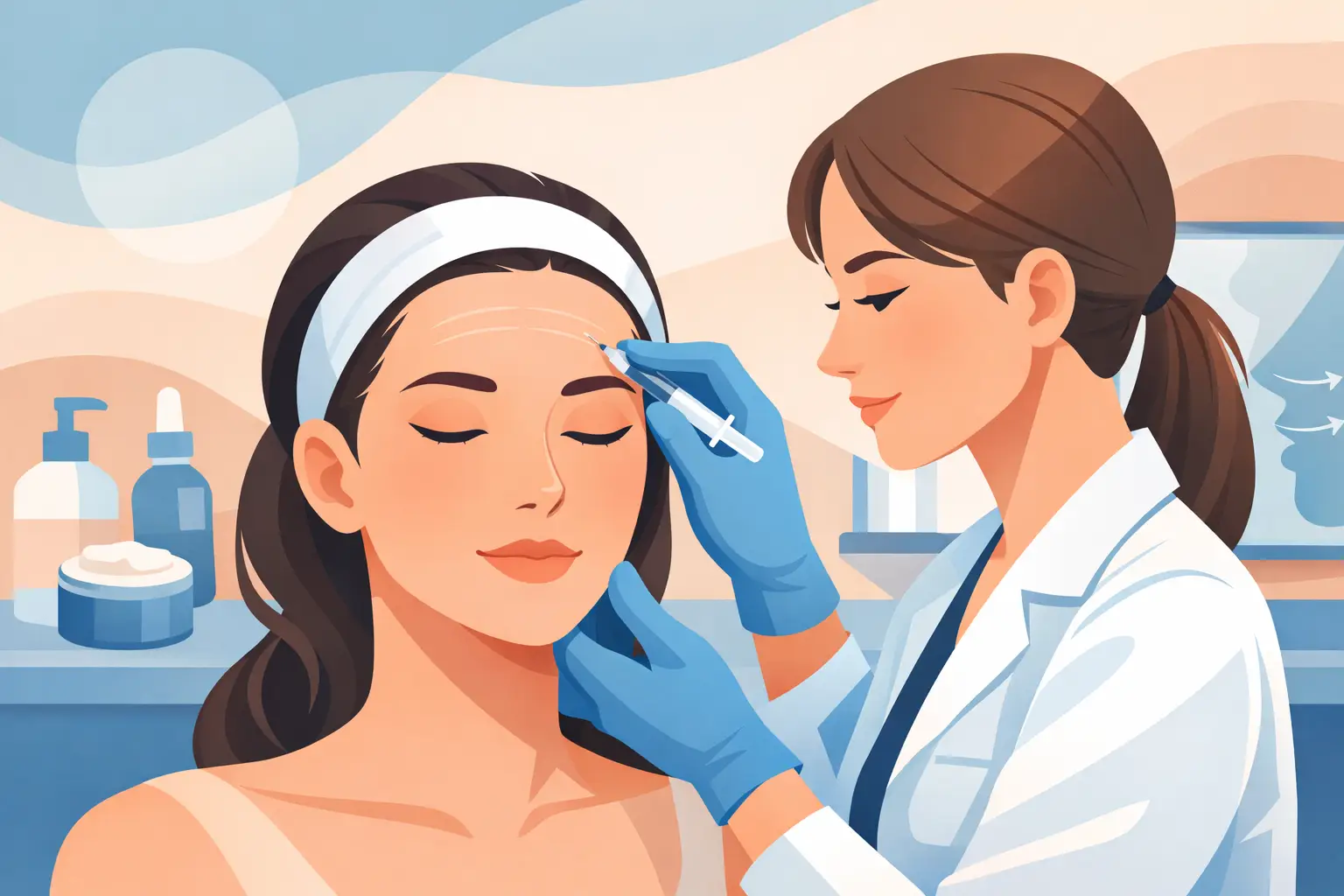


Nearly half of women undergoing non-surgical aesthetic procedures in the UK experienced medical complications, with 15% requiring hospital care. This alarming reality highlights why understanding dos and don’ts under 2026 UK regulations matters for anyone seeking safe, natural aesthetic enhancements. With new licensing requirements demanding qualified practitioners and CQC-registered clinics, you now have clearer pathways to confident treatment choices in London’s luxury aesthetic market.
Table of Contents
- How To Choose Safe And Effective Aesthetic Treatments In 2026
- Dos And Don’ts: Safety And Compliance Best Practices
- Treatment Options: Comparing Popular Non-Invasive Procedures
- Clinic And Practitioner Selection: Verifying Credentials And Reviews
- Summary Comparison Table Of Key Aesthetic Treatments And Dos & Don’ts
- Situational Recommendations: Choosing The Right Treatment For Your Goals
- Explore Expert Non-Invasive Aesthetic Treatments In London
- Frequently Asked Questions
Key Takeaways
| Point | Details |
|---|---|
| CQC Registration Essential | Only choose clinics registered with the Care Quality Commission for guaranteed safety standards. |
| Level 7 Qualifications Required | Practitioners must hold Level 7 qualifications for injectable procedures like Botox and fillers. |
| Hybrid Treatments Superior | Combination protocols deliver enhanced natural results with minimal downtime and faster recovery. |
| Age Restrictions Apply | Under-18 treatment requires healthcare professional consent under new UK regulations. |
| Technology Advances Care | AI and 3D imaging enhance personalised treatment planning for predictable outcomes. |
How to Choose Safe and Effective Aesthetic Treatments in 2026
Navigating London’s aesthetic clinic landscape requires understanding essential selection criteria. The 2026 regulatory framework transforms how you identify trustworthy providers.
Start by confirming CQC-accredited clinics in London hold current registration. This ensures compliance with stringent safety standards and regular inspections. Next, verify that practitioners treating you possess appropriate qualifications.
For injectable treatments including Botox and dermal fillers, practitioners must hold Level 7 qualifications mandated by Ofqual regulations. These credentials guarantee proper training in anatomy, injection techniques, and complication management.
Prioritise clinics demonstrating:
- Current CQC registration with recent inspection reports
- Fully insured practitioners holding verified Level 7 credentials
- Modern facilities equipped with emergency protocols
- Transparent pricing and comprehensive consent procedures
- Access to medical practitioners qualifications verification
Understanding regulatory compliance directly reduces your risk. Choosing qualified providers means safer procedures, better results, and peace of mind throughout your aesthetic journey.
Dos and Don’ts: Safety and Compliance Best Practices
Protecting yourself from complications starts with knowing what to embrace and what to avoid. These actionable guidelines help you sidestep common pitfalls.
DO select only CQC-registered clinics with qualified, insured staff who demonstrate transparent credentials. DON’T risk unregulated providers offering suspiciously cheap treatments in non-clinical settings.

Safety statistics paint a stark picture. Infection and adverse reaction risk drops by 80% at CQC-registered clinics compared to unregulated providers. The data proves regulation works.
DO respect age restrictions prohibiting under-18s from certain treatments without healthcare professional consent. DON’T seek providers willing to bypass these legal safeguards.
Key compliance practices include:
- Verifying practitioner insurance coverage before treatment
- Reading full consent documentation thoroughly
- Asking about emergency protocols and complication management
- Checking aesthetic safety risks specific to your treatment
- Understanding ethical considerations in aesthetics that protect patients
DO prioritise patient consent importance by ensuring thorough consultation before any procedure. DON’T proceed with treatment if you feel rushed or unclear about risks.
Pro Tip: Request before-and-after photos from your specific practitioner, not generic clinic images. This reveals their individual skill level and aesthetic approach.
Ethical practice means providers respect your health above profit. Choose practitioners who conduct comprehensive medical histories, discuss realistic expectations, and never pressure you into treatments.
Treatment Options: Comparing Popular Non-Invasive Procedures
Understanding available treatments empowers informed choices aligned with your goals. Each option offers distinct benefits suited to different needs.
Botox and dermal fillers remain popular for subtle wrinkle reduction and facial volume restoration. These injectables require Level 7 qualified practitioners and deliver natural-looking results lasting six to eighteen months. They work best for dynamic wrinkles and age-related volume loss.
Skin boosters and biostimulators take a different approach. These treatments hydrate skin deeply while stimulating your natural collagen production. Results develop gradually, improving skin texture and elasticity over several months.
Hybrid protocols represent the cutting edge. Combining microneedling, radiofrequency, skin boosters, and injectables improves collagen stimulation by up to 30% over single treatments. This synergy delivers superior outcomes with reduced recovery time.
Technology enhances treatment precision significantly. AI skin analysis and 3D imaging improve planning accuracy by 25%, increasing client satisfaction through predictable results.
Consider these treatment categories:
- Wrinkle reduction: Botox for dynamic lines, fillers for static wrinkles
- Volume restoration: Dermal fillers in cheeks, lips, and temples
- Skin quality: Skin boosters, biostimulators, and regenerative treatments
- Comprehensive rejuvenation: Hybrid aesthetic protocols combining multiple modalities
- Targeted concerns: Specialised skin treatments for specific demographics
Downtime varies by treatment. Injectables typically require minimal recovery, while combination protocols may involve slight swelling for two to three days. Understanding dermal fillers benefits helps you plan around your schedule.
Pro Tip: Ask about treatment layering schedules. Spacing procedures strategically maximises collagen stimulation while minimising cumulative downtime.
Choose treatments matching your lifestyle. Busy professionals often prefer quick injectables, while those seeking comprehensive rejuvenation may opt for hybrid treatment protocols with AI-guided personalisation.
Clinic and Practitioner Selection: Verifying Credentials and Reviews
Researching providers thoroughly protects you from substandard care. Follow these verification steps before booking.
Check CQC registration status first. Visit the official CQC website and search by clinic name or location. Review inspection reports noting compliance ratings and any improvement requirements.
Verify practitioner licenses next. Ask about qualification levels for your intended treatment. For injectables, confirm Level 7 credentials through Ofqual-approved training providers. Medical practitioners qualifications should be readily verifiable.
Patient testimonials reveal real experiences. Look for verified reviews mentioning specific practitioners and treatment outcomes. Before-and-after photos should show consistent quality across multiple patients.
CQC-registered clinics with qualified staff achieve over 95% patient satisfaction for non-invasive treatments. This benchmark helps you identify high-performing providers.
Prioritise clinics demonstrating:
- Transparent consultation and consent processes with detailed documentation
- Comprehensive medical history reviews before treatment
- Clear explanations of risks, benefits, and alternatives
- Emergency equipment and trained staff for complication management
- Follow-up protocols ensuring proper healing and results
Verification checklist:
- Search CQC register for current clinic registration
- Request practitioner qualification certificates and insurance documentation
- Read verified patient reviews from multiple sources
- Examine before-and-after galleries for result consistency
- Schedule consultation to assess communication and professionalism
- Confirm use of modern technology and evidence-based protocols
Red flags include practitioners unwilling to share credentials, clinics lacking CQC registration, or providers offering treatments at suspiciously low prices. These warning signs indicate potential safety compromises.
Trust your instincts during consultations. Reputable practitioners welcome questions, explain procedures thoroughly, and never rush your decision. They prioritise your safety over quick bookings.
Summary Comparison Table of Key Aesthetic Treatments and Dos & Don’ts
| Treatment Type | Primary Benefits | Typical Downtime | Practitioner Requirements | Key Safety Notes | Age Restrictions | Best Used For |
|---|---|---|---|---|---|---|
| Botox Injections | Softens dynamic wrinkles, prevents new lines | Minimal; possible bruising 1-2 days | Level 7 qualification mandatory | Only CQC clinics, verify insurance | 18+ with consent | Forehead lines, crow’s feet, frown lines |
| Dermal Fillers | Restores volume, enhances contours | Mild swelling 2-3 days | Level 7 qualification mandatory | Avoid uncertified hyaluronic acid products | 18+ with consent | Cheeks, lips, nasolabial folds, temples |
| Skin Boosters | Deep hydration, improves texture | Minimal; slight redness 1 day | Level 4+ qualification | Ensure sterile technique, proper storage | 18+ recommended | Overall skin quality, fine lines, dullness |
| Biostimulators | Stimulates collagen, gradual improvement | Moderate; potential swelling 3-5 days | Level 6+ qualification | Results develop over months, patience required | 21+ recommended | Volume loss, skin laxity, long-term rejuvenation |
| Hybrid Protocols | Comprehensive rejuvenation, synergistic results | Moderate; combined effects 3-7 days | Multiple Level 7 practitioners | Requires careful treatment sequencing | 25+ ideal | Multi-concern aging, comprehensive enhancement |
| Microneedling + RF | Tightens skin, boosts collagen | Moderate; redness 2-4 days | Level 5+ qualification | Avoid active infections, recent injectables | 21+ recommended | Scarring, texture issues, mild laxity |
This table consolidates regulatory requirements, safety considerations, and practical guidance. Use it to compare options when discussing treatments with qualified practitioners.
Situational Recommendations: Choosing the Right Treatment for Your Goals
Matching treatments to your specific needs requires understanding your goals and current skin condition. These tailored strategies help you decide.
For maintenance under 35 years old, focus on prevention and skin quality. Skin boosters combined with subtle Botox in early dynamic areas delay visible aging. This approach maintains natural appearance while building collagen reserves.
Middle-aged clients seeking wrinkle softening benefit most from hybrid protocols. Combining Botox for dynamic lines, fillers for volume restoration, and biostimulators for collagen support delivers comprehensive rejuvenation. Results appear natural while addressing multiple aging signs simultaneously.
Prioritising long-term skin health means choosing regenerative treatments. Biostimulators and advanced skin boosters stimulate your body’s natural repair mechanisms. These treatments improve skin quality from within rather than simply masking aging.
Consider these goal-based strategies:
- First-time aesthetic patient: Start with consultation at clinical vs cosmetic treatments guide providers, then try conservative Botox or skin boosters
- Wrinkle reduction focus: Combine Botox for dynamic lines with fillers for static wrinkles using graduated approach
- Volume restoration priority: Layer dermal fillers strategically in cheeks, temples, and midface for lifted appearance
- Comprehensive anti-aging: Select hybrid treatments for middle-age enhancements addressing multiple concerns
- Skin quality improvement: Focus on skin boosters, biostimulators, and regenerative protocols building collagen
Complex cases require professional guidance. If you have multiple concerns, history of complications, or specific medical conditions, discuss customised treatment plans with qualified practitioners. They assess your unique situation and design protocols balancing safety with effectiveness.
Your lifestyle influences treatment choice too. Busy schedules suit quick injectable appointments, while comprehensive transformations require planning around recovery periods. Be honest about your availability for follow-up visits.
Realistic expectations ensure satisfaction. Dramatic changes typically need multiple sessions or combination approaches. Subtle, natural-looking enhancements often deliver the most satisfying long-term results.
Explore Expert Non-Invasive Aesthetic Treatments in London
Now that you understand dos and don’ts for safe aesthetic choices, experience the difference qualified care makes. The Aesthetics Room brings together CQC-registered excellence with Level 7 certified practitioners in prestigious Knightsbridge, Harley Street, and Mayfair locations.
Our team specialises in bespoke consultations tailoring treatments to your unique goals. Whether you seek subtle Botox treatments at The Aesthetics Room for natural wrinkle softening, sophisticated dermal fillers in London for volume restoration, or cutting-edge ultimate hybrid aesthetic treatments combining multiple modalities, we deliver safe, beautiful results. Book your consultation today and discover how expert care transforms aesthetic outcomes with confidence.
Frequently Asked Questions
How can I verify if a clinic is CQC registered?
Visit the official CQC website and use their search function to look up clinics by name or postcode. Registration status, inspection reports, and compliance ratings appear in the results, allowing you to confirm credentials before booking.
What qualifications should a practitioner have for Botox injections?
Practitioners must hold a Level 7 qualification approved by Ofqual to legally perform Botox and dermal filler treatments in the UK. Always request to see qualification certificates and verify credentials through official training provider databases.
Are non-invasive aesthetic procedures risk-free?
No procedure is entirely risk-free, even non-invasive treatments. However, choosing CQC-registered clinics with qualified practitioners reduces complication rates by up to 80% compared to unregulated providers. Proper provider selection dramatically improves safety.
Can under-18s get cosmetic injectables in the UK?
New 2026 regulations prohibit Botox and dermal fillers for under-18s unless specifically approved by a qualified healthcare professional for medical reasons. Cosmetic treatments for minors require proper consent and medical justification under current law.
What are the benefits of hybrid treatment protocols?
Hybrid protocols combining treatments like microneedling, radiofrequency, skin boosters, and injectables improve collagen production by up to 30% over single treatments. They deliver more comprehensive rejuvenation with reduced overall downtime and superior natural-looking results.
How long do results from different aesthetic treatments last?
Botox lasts three to four months, dermal fillers six to eighteen months depending on type and location, while biostimulators stimulate collagen for up to two years. Skin boosters require maintenance every six months for optimal ongoing skin quality and hydration.
Recommended
- Safety in Aesthetics – Why It Matters Most – The Aesthetics Room
- Aesthetics Trends in 2025 – Elevating Natural Beauty – The Aesthetics Room
- Ethics in Medical Aesthetics – Why Safety Matters – The Aesthetics Room
- What Is Medical Aesthetics? Enhancing Confidence Safely – The Aesthetics Room
- Event Aesthetics Explained: Elevating Luxury Weddings
- AI Image Generation Quality Pitfalls and Best Practices