
Forehead lines tend to creep up in a very ordinary way – a few makeup creases by lunchtime, a slightly heavier expression in photos, or a look of tiredness that does not quite match how you feel. If you are wondering how to soften forehead lines safely, the right answer is rarely the most aggressive one. It is usually the most tailored.
Forehead lines are influenced by movement, skin quality, genetics, sun exposure and age. That matters, because a treatment that suits one person beautifully can look ineffective, overdone or simply unnecessary on someone else. Safe, natural-looking improvement starts with understanding what is causing the lines in the first place.
Why forehead lines form in the first place
Forehead lines are often dynamic at first, meaning they appear when you raise your brows, frown or make repeated facial expressions. Over time, those movement lines can settle into the skin and become visible even when your face is at rest. This is where patients often notice a shift from occasional creasing to lines that seem permanently etched in.
Skin quality also plays a part. As collagen, elastin and hydration levels change with age, the skin becomes less able to spring back smoothly. Sun damage can accelerate this process, as can smoking, poor sleep, stress and a skincare routine that is not doing much beyond the basics.
There is also an anatomical element. Some people naturally have stronger forehead muscles or more expressive brows. Others are prone to compensatory movement because of hooded lids or brow position, which means the forehead is working harder throughout the day. That is why treating forehead lines properly requires more than simply targeting the lines themselves.
How to soften forehead lines safely at home
At-home care can make a worthwhile difference, particularly when lines are still mild or when you want to support in-clinic treatment. It will not replace medical options where deeper static lines are concerned, but it can improve skin texture, hydration and prevention.
Daily SPF is non-negotiable. UV exposure breaks down collagen and often deepens forehead creasing over time, even in cooler months. A broad-spectrum sunscreen applied every morning is one of the simplest and safest ways to protect the skin you have.
Topical retinoids can help encourage cell turnover and support smoother-looking skin, but they need to be introduced carefully. Too much, too quickly can leave the forehead dry, irritated and more creased-looking for a period. A gradual approach tends to be both safer and more effective.
Hydrating serums and moisturisers are also useful, especially those containing ingredients such as hyaluronic acid, ceramides and peptides. These will not stop muscle movement, but they can improve skin comfort and make fine lines appear less obvious. If your forehead looks lined mostly by the end of the day, dehydration may be contributing more than you realise.
Lifestyle matters as well. Consistent sleep, managing stress and keeping smoking and excessive alcohol intake in check all support better skin quality. None of this is glamorous, but it is often the difference between short-term fixes and longer-lasting improvement.
When skincare is not enough
Once forehead lines are visible at rest, skincare alone is unlikely to create a dramatic change. This is usually the point at which patients begin considering professional treatment. The key is choosing a medically led approach rather than chasing the fastest or cheapest option.
A safe treatment plan should consider your facial movement, skin thickness, brow position, age, goals and medical history. It should also account for whether you want prevention, softening or a more noticeable reduction in lines. These are not interchangeable goals, and they require different levels of treatment.
The most effective medical option for dynamic forehead lines
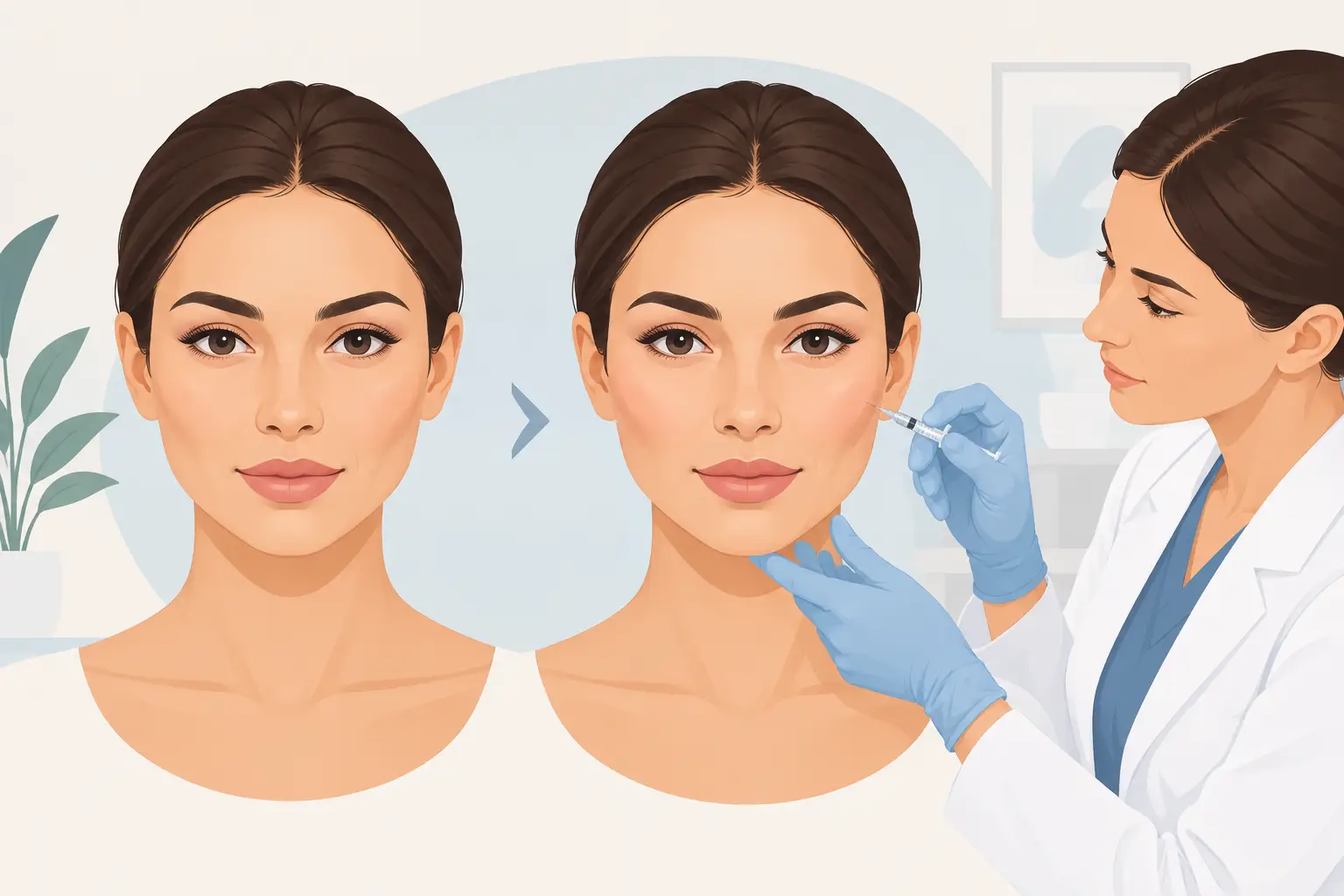
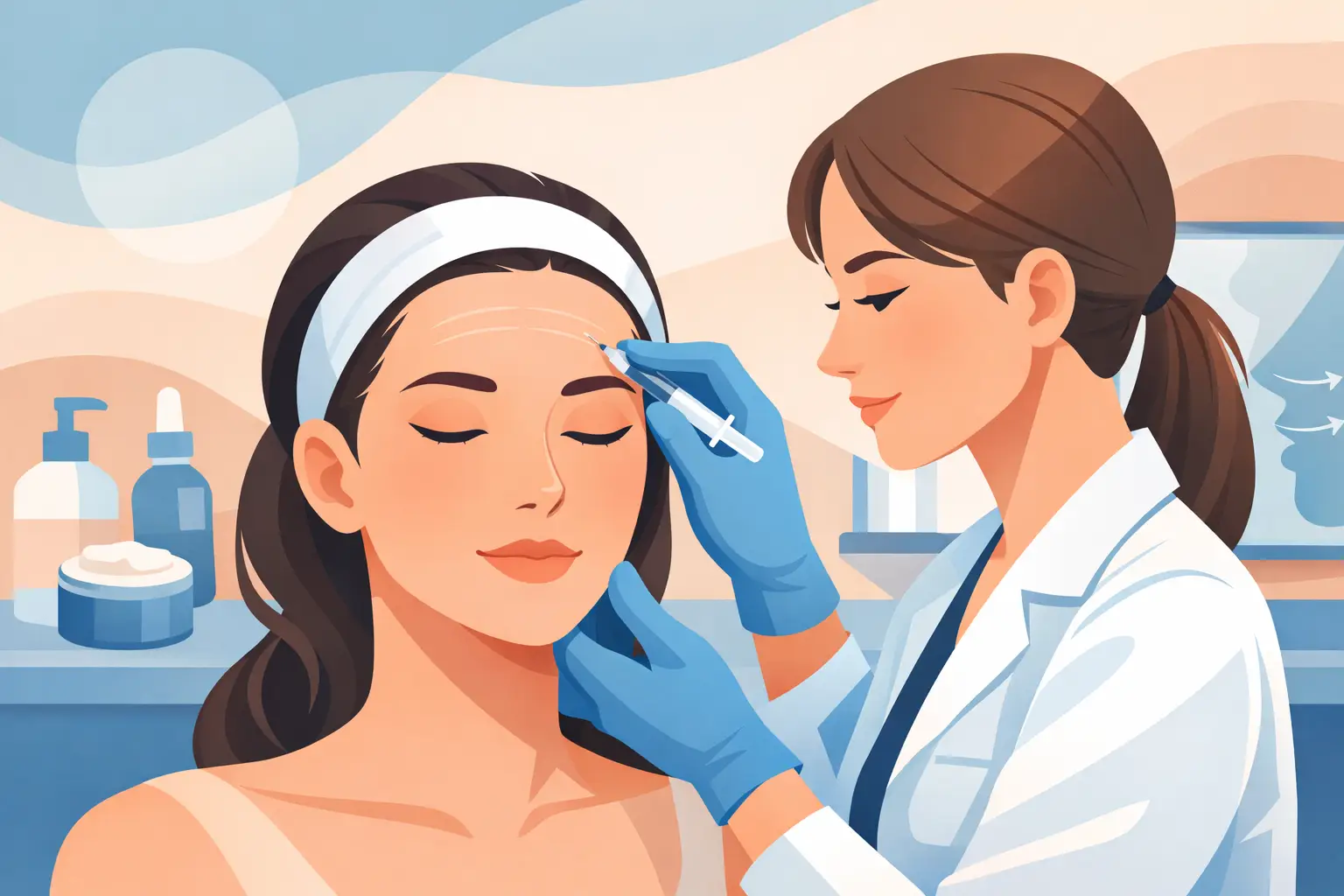
For many patients, anti-wrinkle injections are the most effective way to soften forehead lines caused by repeated muscle movement. They work by relaxing targeted muscles, which reduces the folding of the skin and allows the area to appear smoother.
Done well, this should not mean a frozen forehead. The aim in a premium clinical setting is typically controlled softening, not total stiffness. A good practitioner will assess how your forehead works in balance with the brows and the muscles around the eyes. This matters because overtreating the forehead can create heaviness, especially in patients who already rely on forehead movement to support brow position.
This is where safety and practitioner expertise become especially important. Forehead treatment is not an area for guesswork. Precise dosing, careful placement and a personalised plan are essential if you want natural results that still look like you.
How to soften forehead lines safely with combination treatment
Not all forehead lines are solved by one treatment. If lines have become static, meaning they remain visible when the face is relaxed, muscle relaxation may improve them without erasing them completely. In those cases, combination treatment can be the better route.
Skin boosters, medical-grade facials and collagen-supporting skin treatments may help improve texture and overall skin quality, making residual lines less noticeable. In some patients, a broader skin optimisation plan works better than trying to force one product or one procedure to do everything.
This is often the more sophisticated approach. Rather than treating the forehead in isolation, the clinician looks at hydration, pigmentation, skin resilience and how the upper face moves as a whole. At The Aesthetics Room, this style of bespoke planning sits far more comfortably with natural-looking outcomes than a one-size-fits-all treatment menu ever could.
Treatments that need caution
Dermal filler is not usually the first-line treatment for standard forehead lines and should be approached with extreme caution in this area. The forehead has a more complex vascular anatomy, and inappropriate treatment can carry serious risks. If you are being advised to have filler in the forehead, it should only be after a thorough assessment by a highly qualified medical professional with the right expertise.
Skin resurfacing treatments can also help some patients, particularly where texture and sun damage are contributing factors, but suitability varies. Stronger treatments are not automatically safer or better. Sensitive skin, darker skin tones, recent sun exposure and certain medical conditions can all affect what is appropriate.
This is why consultation-led care matters. A responsible practitioner should be willing to say not yet, not this treatment, or not at all if that is in your best interest.
What a safe consultation should include
If you are investing in aesthetic treatment, the consultation should feel detailed rather than rushed. You should be asked about your concerns, previous treatments, medications, allergies and medical history. Your forehead should be assessed in motion and at rest, not simply glanced at from across the room.
You should also receive an honest explanation of trade-offs. For example, reducing movement can soften lines, but too much reduction may not suit your face or preferences. If your skin quality is poor, muscle treatment alone may not give the finish you are hoping for. If you want subtle results, that needs to be built into the plan from the start.
Look for a clinic that prioritises medical standards, clear aftercare and proper review. Safety is not just about the treatment itself. It includes who assesses you, how they prescribe, what happens if you need support afterwards, and whether your plan is adjusted over time.
How to keep results looking refined
The best forehead work is often the least obvious. To maintain that polished look, it helps to avoid leaving treatment until lines become very deep, but it also helps to resist overtreatment. A measured approach usually ages better than repeatedly chasing a completely line-free forehead.
Maintenance depends on the treatment used, your metabolism and how expressive you are naturally. Good skincare, regular SPF and periodic review appointments can all help preserve results in a way that still looks fresh and believable.
There is also value in accepting that a natural forehead will still move. The goal for many patients is not to remove every trace of expression, but to look more rested, smoother and more in keeping with how energetic they feel.
If you are considering treatment, the safest next step is not choosing a product – it is choosing the right clinician. When forehead lines are approached with medical judgement, careful technique and a plan designed around your face rather than a trend, the results tend to feel less like cosmetic work and more like a quieter return to confidence.